**Prep time:** 15 minutes
**Cook time:** 45 minutes
**Total time:** 1 hour
**Servings:** 6
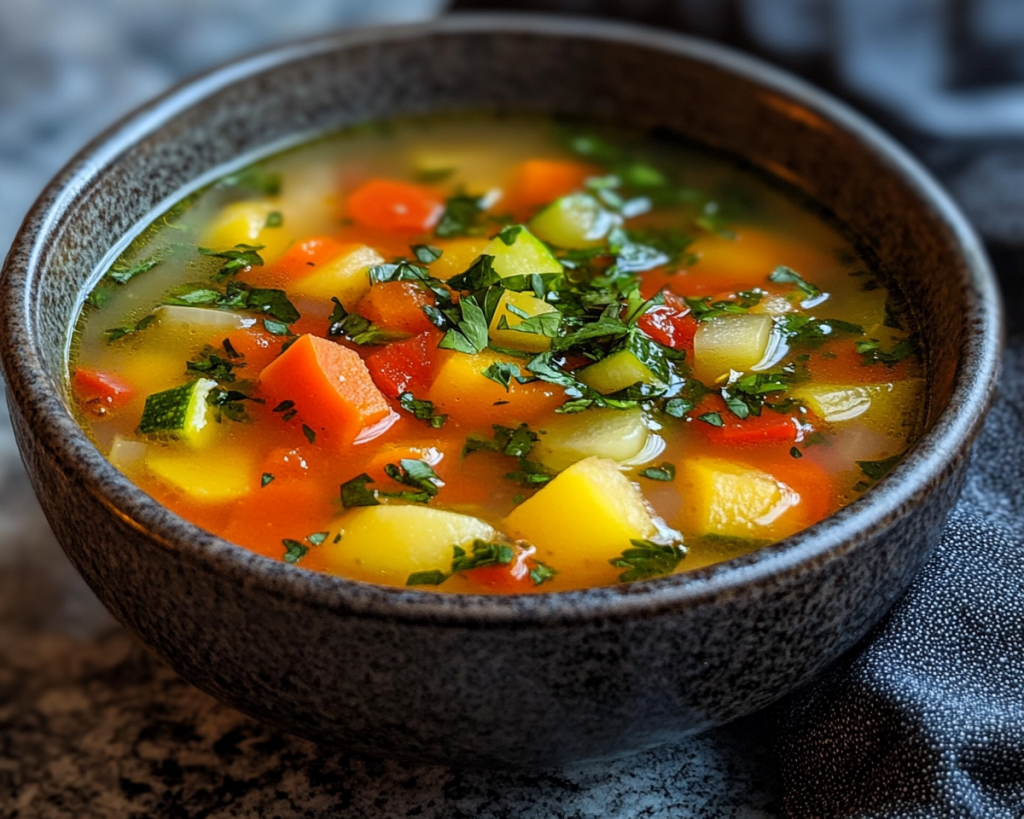
When the temperature drops and the chill sets in, there’s nothing more comforting than a warm bowl of winter vegetable soup. Imagine stepping into your kitchen to the rich aroma of simmering vegetables and herbs, knowing that in just under an hour you’ll have a hearty, healthy meal ready to serve. This winter vegetable soup is not only packed with nutrients, but it also brings a sense of warmth and comfort on those cold days.
This recipe is special because it’s a canvas for winter’s vibrant vegetables. You can easily customize it based on what you have on hand, making it a great choice for busy families and those trying to eat healthier without sacrificing flavor. Today, I’m excited to share a step-by-step guide to create this delightful dish that’s not only delicious but also flexible for your preferences.
What Is Winter Vegetable Soup?
Winter vegetable soup is a comforting and nutrient-dense dish that highlights hearty vegetables that flourish in the colder months. This soup typically includes root vegetables such as carrots, potatoes, and parsnips, accompanied by seasonal greens like kale or spinach. The base of the soup is usually a broth, either vegetable or chicken, infused with aromatic herbs and spices, which add depth and flavor to the finished dish.
The beauty of winter vegetable soup is its versatility. You can easily adjust the ingredients to accommodate seasonal produce, your personal tastes, or even dietary restrictions. The outcome is always a warming soup that’s chunky yet smooth, with a rich, earthy flavor that is both satisfying and nutritious. The soup can be pureed for a creamy texture or left chunky for a more rustic feel, which is often the choice for busy parents whipping up something comforting after a long day.
Why You’ll Love This Winter Vegetable Soup
There are countless reasons to fall in love with this winter vegetable soup. For starters, the flavor profile is robust and satisfying. Each spoonful delivers a medley of tastes—from sweet carrots to earthy potatoes, subtly balanced with the warmth of herbs and spices.
One of the most beneficial aspects of this recipe is its ease. It’s a straightforward process, making it perfect for beginners in the kitchen. Even if you’re balancing a busy schedule with family activities, this soup can be prepared in a little over an hour, and the ingredients are generally inexpensive, making it an economical choice for meal prep.
The health benefits of this soup are particularly noteworthy. Packed with vitamins and minerals from fresh, seasonal vegetables, it’s a great way to boost your immune system during cold and flu season. It can also be easily modified to fit various dietary preferences, such as vegan or gluten-free, which broadens its appeal. Best of all, you can make a large batch, allowing for convenient leftovers that are just as tasty on day two or three.
But let’s dive into the specifics—let’s take a look at what you’ll need to make this delicious winter vegetable soup.
Ingredients You’ll Need
To prepare this wholesome winter vegetable soup, gather the following ingredients:
– **2 tablespoons olive oil**: This healthy fat is essential for sautéing your aromatics. Olive oil adds a rich flavor while providing beneficial monounsaturated fats. You can also use coconut oil for a slightly different flavor profile.
– **1 medium onion, diced**: Onions provide a sweet and aromatic base for the soup. They caramelize beautifully, creating depth in flavor.
– **2 cloves garlic, minced**: Garlic adds a wonderful warmth and aromatic quality. If you’re a garlic lover, feel free to add more!
– **3 large carrots, diced**: Carrots are sweet and hearty, providing texture and natural sweetness to the soup.
– **2 medium potatoes, diced**: Potatoes make the soup filling. They’re starchy and help thicken the broth slightly.
– **1 medium parsnip, diced**: Parsnips offer a nutty sweetness that complements other vegetables perfectly.
– **1 cup green beans, chopped**: Green beans add a lovely crispness and freshness to your soup.
– **1 cup kale or spinach, roughly chopped**: Adding greens boosts the nutrient content and gives a bright pop of color.
– **4 cups vegetable or chicken broth**: The base of your soup. A good quality broth ensures a flavorful outcome.
– **1 teaspoon dried thyme**: This herb lends an earthy, comforting flavor that is a classic pairing with winter vegetables.
– **1 bay leaf**: Adding a bay leaf enhances the overall flavor of the soup with its subtle, herbal notes.
– **Salt and pepper to taste**: Essential for bringing all the flavors together; don’t forget to adjust to your palate!
Feel free to customize this soup with whatever winter vegetables you have on hand or that are seasonal in your area. Swapping out an ingredient is part of the charm of cooking.
How to Make Winter Vegetable Soup
Making winter vegetable soup is a delightful and straightforward process. Here’s how to do it step-by-step:
1. **Heat the Oil**: In a large pot, heat the olive oil over medium heat. Allow it to warm up—you know it’s ready when it shimmers slightly. This is important as you want to sauté the next ingredients without burning them.
2. **Sauté Aromatics**: Add the diced onions to the pot, cooking them for about 5-7 minutes until translucent. This step lays the foundation of taste for your soup. Add minced garlic in the last minute of cooking, stirring constantly to prevent it from burning.
3. **Add Vegetables**: Once the onion and garlic are fragrant and sweet, introduce the diced carrots, potatoes, and parsnips. Stir to combine and allow them to cook for about 5-10 minutes to slightly soften. You’ll want these vegetables to start absorbing the flavor.
4. **Pour in Broth**: Now it’s time to add the broth. Pour in the vegetable or chicken broth, ensuring to scrape any browned bits off the bottom of the pot. This adds flavor!
5. **Season**: Stir in the thyme, bay leaf, and a pinch of salt and pepper. Bring the mixture to a gentle boil, then reduce the heat to a simmer.
6. **Add Remaining Vegetables**: Allow your soup to bubble away gently for about 20 minutes. After that, add the chopped green beans and greens (kale or spinach), simmering for an additional 10 minutes. The greens should be wilted but still vibrant.
7. **Taste and Adjust**: Once cooked, taste the soup and adjust seasoning with more salt and pepper as needed. Remove the bay leaf before serving.
8. **Serve**: Ladle the soup into bowls and serve hot. It pairs wonderfully with crusty bread or a hearty salad, making it a complete meal!
This process not only yields a delicious soup but also fills your home with warm and inviting aromas that will draw everyone to the kitchen.
5 Variations & Substitutions
To keep things interesting, here are five variations and substitutions you can try:
**1. Add Lentils or Beans**: Incorporating cooked lentils or canned beans like cannellini or chickpeas will not only add protein but also heartiness to your soup. This variation is perfect for vegans looking for a complete meal in a bowl.
**2. Spice It Up**: If you enjoy a little heat, consider adding a pinch of red pepper flakes or even a diced jalapeño when sautéing your onions and garlic. The warmth will elevate the flavor profile and give the soup an exciting kick.
**3. Creamy Version**: For a more indulgent option, blend a portion of the soup until smooth using an immersion blender or a standard blender. This creates a rich and creamy texture while still retaining some chunky vegetables.
**4. Seasonal Herbs**: Instead of dried thyme, you can use fresh herbs such as rosemary or parsley. Fresh herbs impart vibrant flavors; however, make sure to add them towards the end of cooking to maintain their aroma.
**5. Switch Up the Greens**: If kale or spinach doesn’t tickle your fancy, try Swiss chard, collard greens, or any other green leafy vegetable. Each will impart its own lovely flavor and texture.
With these variations, you can enjoy this dish in numerous ways, keeping your meals exciting while sticking to healthy options.
Common Mistakes to Avoid
As with any recipe, a few common mistakes can affect your winter vegetable soup’s overall outcome. Here are some to be mindful of:
– **Not Sautéing the Aromatics Fully**: Ensure that both onions and garlic are properly sautéed. Skipping this step can lead to a bland soup. The onions should be fragrant and softened, which forms the flavor base for the entire dish.
– **Ignoring Seasoning**: Don’t be shy with salt and pepper initially, as adding them later in small amounts can limit the flavors’ depth. It’s better to start with a good seasoning base and adjust later.
– **Overcooking Vegetables**: Keep an eye on your cooking times. Overcooked vegetables can lead to a mushy texture that detracts from the satisfying chunkiness of your soup.
– **Skipping the Bay Leaf**: The bay leaf is a crucial ingredient that adds a wonderful depth of flavor. Don’t forget to include it, but remember to remove it before serving to avoid anyone accidentally biting down on it.
By avoiding these common pitfalls, you can ensure your winter vegetable soup turns out heavenly every time.
Storage, Freezing & Reheating Tips
One of the great things about winter vegetable soup is that it stores and freezes well, making it an ideal candidate for meal prep. Here are some tips for storage, freezing, and reheating:
– **Storage**: Allow the soup to cool to room temperature before transferring it into airtight containers. It can be stored in the refrigerator for up to 4-5 days. When reheating, do so gently on the stove to maintain its texture.
– **Freezing**: If you’re planning to freeze the soup, it’s best to do so before adding the greens, as they tend to lose texture when reheated after freezing. Allow it to cool completely before transferring to freezer-safe containers, leaving space for expansion. The soup can be frozen for up to 3 months.
– **Reheating**: To reheat, simply thaw in the refrigerator overnight and then warm on the stovetop. If frozen, it’s best to reheat over low heat, adding a splash of broth or water to loosen the texture, if needed.
With these practices, you can ensure your soup remains delicious and vibrant for days or even months to come.
Frequently Asked Questions
**1. Can I use frozen vegetables?**
Absolutely! Using frozen vegetables is a convenient option and can save you time. Just be sure to add them during the last 10-15 minutes of cooking to ensure they remain vibrant and tender but not overcooked.
**2. What can I serve with winter vegetable soup?**
This soup is perfect alongside crusty bread, a simple salad, or even a sandwich. To make it a more complete meal, consider pairing it with grilled cheese or a quiche for a delightful lunch or dinner.
**3. Is this soup vegan?**
Yes, as written, this winter vegetable soup is entirely vegan when made with vegetable broth. It’s a wonderful option for those who’re looking to incorporate more plant-based meals into their diet.
**4. Can I make this soup in a slow cooker?**
Certainly! To make winter vegetable soup in a slow cooker, simply add all the ingredients except the greens, cover, and cook on low for 6-8 hours or on high for 3-4 hours. Stir in the greens during the last 30 minutes of cooking.
**5. How do I make this soup spicy?**
For a spicy kick, try adding diced jalapeño, a pinch of cayenne pepper, or even hot sauce to the soup while it cooks. Adjust the quantities according to your heat preference and enjoy the added warmth!
In conclusion, this winter vegetable soup recipe not only warms you from the inside out but also makes use of hearty, seasonal produce that’s both delicious and nutritious. It’s a versatile, customizable dish that’s perfect for meal prep and can easily become a family favorite. Embrace the warmth of the kitchen this winter and enjoy the comfort of a delicious bowl of soup with loved ones. So put on your apron, gather your ingredients, and let the heartwarming cooking begin!
Remember to share your experience with this recipe, and don’t hesitate to customize it to your own taste! Happy cooking!