Prep time: 15 minutes
Cook time: 20 minutes
Total time: 35 minutes
Servings: 4
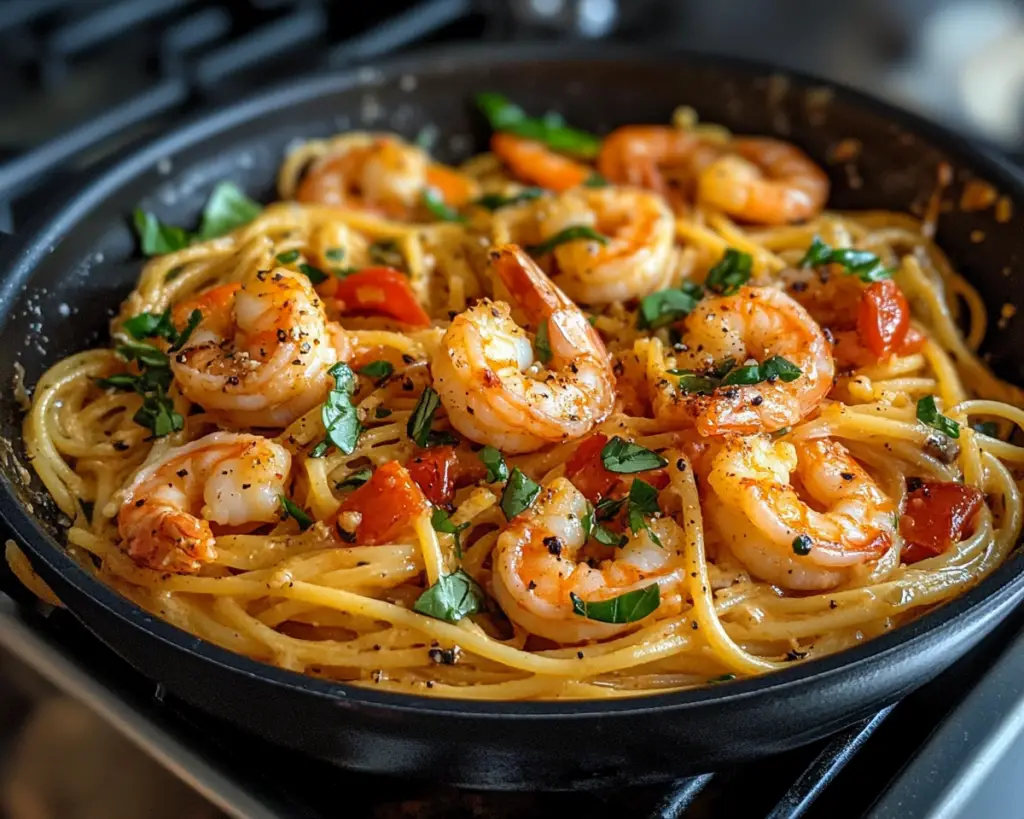
Imagine a plate of perfectly cooked pasta, enveloped in a rich and creamy sauce, topped with succulent shrimp that are bursting with flavor. This is not just a pipe dream; it is entirely achievable with the delightful recipe for Creamy Shrimp Pasta. Whether you’re looking for a comforting meal after a long day or preparing a special dinner for friends or family, this dish checks all the boxes. From its luscious texture to its vibrant flavors, it is sure to become a favorite at your table.
What makes this creamy shrimp pasta so special is the harmonious blend of quality ingredients that transform into something extraordinary. With every bite, you will experience the luxurious creaminess juxtaposed with the natural sweetness of the shrimp, finished off with aromatic herbs. Think of this dish as your secret weapon for when you want to impress without spending hours in the kitchen. In this article, you will learn not only how to prepare this stunning dish but also how to customize it according to your preferences, avoiding common pitfalls along the way.
What Is Why Does This Creamy Shrimp Pasta Taste So Amazing?
Creamy shrimp pasta is a vibrant dish that combines pasta and seafood with a creamy sauce, often made from ingredients like butter, garlic, cream, and Parmesan cheese. The origin of this delightful dish can be traced to various culinary traditions that embrace seafood. Combining the subtle flavors of shrimp with robust seasonings creates a dish that is both comforting and sophisticated.
The texture of perfectly sautéed shrimp, combined with al dente pasta, is both satisfying and luxurious. Shrimp offers a delicate firmness that contrasts beautifully with the creaminess of the sauce. As you twirl your fork around the pasta, you’ll appreciate the rich, velvety sauce that clings to every strand. The flavors meld together, creating a dish that feels indulgent yet is relatively straightforward to prepare.
In this dish, the cream serves as a rich base that brings all the flavors to life. The addition of complementary ingredients like garlic and herbs elevates the overall experience, turning a simple meal into an unforgettable feast. This balance of flavors and textures is what makes creamy shrimp pasta a standout choice for any occasion.
Why You’ll Love This
There are numerous reasons you will fall head over heels in love with cream shrimp pasta. First and foremost is the taste—every mouthful is a delightful experience, bringing together the rich cream with the sweet shrimp, creating a perfect harmony. The ease of preparation is another convenience, making it a go-to choice for busy weeknights or even when hosting a dinner party.
No vast culinary skills are necessary; even beginners can successfully whip up this dish. In terms of cost, you won’t need to break the bank. The ingredients are relatively inexpensive, making this a budget-friendly yet truly gourmet meal option. Moreover, shrimp is a source of lean protein, making it healthier than many other pasta dishes. This dish is versatile as well; it can be served as a comforting dinner or dressed up for a special occasion, proving its adaptability.
Many people often worry that cooking shrimp might pose challenges; however, with this recipe, you’ll learn that it’s easier than you think. It’s crucial to avoid overcooking, as that can make shrimp tough and rubbery. By following the instructions carefully, you’ll create a dish that not only tastes fantastic but also showcases your burgeoning culinary skills.
Ingredients You’ll Need
- Pasta: About 12 ounces of your choice (such as fettuccine, linguine, or penne). It serves as the foundation of the dish and absorbs the flavors of the creamy sauce wonderfully.
- Shrimp: 1 pound, preferably large, peeled, and deveined. The size and freshness of the shrimp make all the difference in the overall flavor.
- Butter: 2 tablespoons for sautéing the shrimp and adding richness to the sauce.
- Garlic: 4 cloves, minced. This adds a wonderful aromatic flavor that elevates the dish.
- Heavy cream: 1 cup. This is what creates the “creamy” aspect of the dish, giving it an indulgent texture.
- Parmesan cheese: ½ cup, grated. This adds depth and a nutty flavor, perfectly complementing the cream and shrimp.
- Parsley: Fresh, chopped for garnish. Its bright green color not only enhances the look of the dish but adds a fresh flavor too.
- Salt and pepper: To taste. Essential for enhancing and balancing the flavors.
- Lemon juice: From 1 lemon, adding a zesty brightness to the dish.
These ingredients are typically easy to find at your local grocery store. In case you’re looking to substitute any, opt for whole wheat pasta for a healthier option or use shrimp alternatives like chicken or sautéed vegetables for a different twist.
How to Make
- Cook the Pasta: Begin by bringing a large pot of salted water to a boil. Add in your pasta of choice and cook according to package instructions until al dente, about 8-10 minutes. The key here is to reserve a cup of pasta water before draining; this starchy liquid can help adjust your sauce’s consistency later on.
- Sauté the Shrimp: While your pasta is cooking, melt 2 tablespoons of butter in a large skillet over medium heat. Once melted, add in the peeled and deveined shrimp. Allow them to sauté for approximately 2-3 minutes on each side until they turn pink and are cooked through. This process ensures your shrimp retains their juicy texture. Once done, transfer the shrimp to a plate and set aside.
- Prepare the Sauce: In the same skillet, add minced garlic, and sauté for about 1 minute, or until fragrant and slightly golden. Be cautious not to burn the garlic, as this will create a bitter flavor in your dish. Afterward, pour in the heavy cream, stirring to combine. Let it come to a gentle simmer, allowing it to thicken slightly for about 3-4 minutes.
- Add Cheese and Season: Once your sauce has reached the desired thickness, stir in the grated Parmesan cheese. Allow it to melt into the sauce while stirring continuously. Season with salt and pepper to taste and add the lemon juice to brighten the flavors. The cheese will enrich the creaminess, while the lemon juice helps cut through the richness.
- Combine Everything: Bring the shrimp back to the skillet with the sauce and add the drained pasta. Toss everything together gently, ensuring the pasta and shrimp are well-coated in the creamy sauce. If the sauce is too thick, now is the time to add some of that reserved pasta water until you achieve your desired consistency.
- Garnish and Serve: Finally, sprinkle chopped parsley over the top for a fresh contrast and serve immediately. The pasta can be paired beautifully with a side salad or bread, making for a full meal.
Cooking pasta may seem simple, but it’s important to pay attention. Al dente pasta will hold up better in the sauce than overcooked noodles that will break apart easily. Utilize all the sensory cues as you cook—the sizzling of shrimp, the aromatic waft of garlic, the velvety sensation of cream melding with cheese.
Variations & Substitutions
Vegetarian Version: If you’d like a meat-free alternative, consider substituting shrimp with sautéed mushrooms. Rich varieties such as cremini or shiitake will provide an exquisite umami flavor that pairs wonderfully with the creamy sauce. You can also throw in assorted vegetables such as spinach, zucchini, or bell peppers to create a vibrant and nutrient-packed dish.
Spiced-up Variation: For a spicier kick, consider adding crushed red pepper flakes or even diced jalapeños into the sauté of garlic and shrimp. This additional heat can create a whole new flavor profile, perfect for those who enjoy a bit of warmth in their dishes. Pairing it with some fresh basil can compliment the spicy notes beautifully.
Citrus Variation: To give this dish a refreshing twist, use lime juice instead of lemon and add some lime zest. This variation brightens the dish even more by infusing it with tropical flavors and pairs excellently with the shrimp. Additionally, consider topping it with some fresh avocado slices for extra creaminess.
Health-Conscious Variation: To lighten up the recipe, choose a low-fat alternative to heavy cream, such as half-and-half or even cashew cream for a dairy-free option. You can reduce the amount of butter used and incorporate olive oil instead. This alteration would maintain flavor while reducing calories and fat content.
Each variation not only changes the flavor profile but also offers a unique opportunity to cater to dietary preferences. Encouragement here is key; don’t hesitate to explore these alternatives to make this recipe your own.
Common Mistakes to Avoid
One of the most common mistakes when preparing creamed pasta dishes is **overcooking the shrimp**. It is essential to cook shrimp just until they turn pink; otherwise, they become rubbery and lose that succulent quality that makes them so delightful. Make sure to stir frequently and keep an eye on them, as this step is crucial for texture.
Another mistake is adding the cheese too early in the sauce preparation. If you throw it in when the cream is boiling, it can clump and become gritty. Instead, wait until the cream has simmered for a few minutes to ensure a smooth integration. **Be cautious** with the amount of salt too; as Parmesan is naturally salty, it’s better to taste it before fully salting your dish.
Also, remember to **reserve that pasta water!** This starchy liquid can help loosen the sauce and create a creamier texture. Do not skip this step. By paying close attention to these elements, you can avoid common pitfalls and achieve a pasta dish that is both impressive and satisfying.
Storage, Freezing & Reheating Tips
Storing creamy shrimp pasta can be done effectively if you need to save leftovers. Once the dish has cooled, transfer it to an airtight container and store it in the refrigerator for 2-3 days. To keep the pasta from drying out, consider adding a splash of heavy cream or pasta water before sealing it up.
For longer-term storage, creamy shrimp pasta can also be frozen. However, this requires slight adjustments. When freezing, it’s best to do so without the shrimp. Cook your pasta and sauce, let them cool, and then freeze them separately in airtight containers. When you’re ready to enjoy, simply thaw them in the refrigerator overnight and then combine, cooking the shrimp fresh to avoid any rubbery texture.
Reheating should be done gently. Use a stovetop skillet over low heat, adding a little water or cream to keep it moist. Stir occasionally to ensure even heating. Avoid using the microwave if possible, as it may cause inconsistent cooking, leading to overcooked shrimp.
Frequently Asked Questions
Can I use frozen shrimp for this recipe?
Yes, frozen shrimp can be used for this recipe. However, make sure to fully thaw them beforehand and pat them dry to remove excess moisture. This will help prevent them from steaming instead of sautéing, which is essential for achieving the desired texture.
What kind of pasta is best for creamy shrimp pasta?
While any type of pasta can work, long shapes like fettuccine or linguine are often recommended. They provide more surface area for the creamy sauce to cling onto, enhancing the overall dining experience. Additionally, whole grain or gluten-free pasta can be used based on personal dietary preferences.
Can I make this recipe dairy-free?
Absolutely! You can replace the heavy cream with coconut cream or cashew cream for a dairy-free option. Nutritional yeast can replace cheese to achieve that cheesy flavor while keeping it plant-based. Just keep in mind that the taste will vary slightly.
How can I increase the amount of flavor in the sauce?
To enhance the flavor, consider adding a splash of white wine when cooking the garlic before the cream. The alcohol cooks off while leaving a deeper flavor behind. Additionally, incorporating fresh herbs such as basil or thyme just before serving can brighten the dish further.
Is it necessary to use lemon juice in this recipe?
While lemon juice adds brightness and balances the richness of the cream, it isn’t mandatory. If you prefer a different acidity, feel free to replace it with lime juice or omit it altogether. However, it does elevate the flavor profile significantly, so it’s recommended if you’re aiming for that extra zing.
Conclusion:
This creamy shrimp pasta recipe encapsulates everything that is wonderful about home cooking—deliciousness, ease, and adaptability. With just a handful of ingredients, you will create a dish that feels extravagant without sacrificing your time or budget. Embrace the customization aspects and make it your own. Whether you stick closely to the recipe or incorporate your variations, this dish is sure to be a hit at your dining table.
Don’t hesitate to roll up your sleeves and give it a try; you may just find it becoming your new go-to recipe for any occasion. Share this recipe with friends or family who would enjoy a comforting yet elegant meal, and watch as they savor every bite!