Prep time: 30 minutes
Cook time: 1 hour
Total time: 1 hour 30 minutes
Servings: 12
Sometimes, nothing can quite quench that sweet tooth like a warm, freshly made French beignet. Imagine biting into a delicate, fluffy pastry with a crispy exterior dusted with powdered sugar—each mouthful feels like a warm hug. These beignets not only deliver a delightful burst of flavors but also whisk you away to the charming streets of New Orleans, where they are a beloved staple.
This recipe for “What Makes These French Beignets Melt In Your Mouth” will introduce you to a dessert that’s far more than just a treat. You’ll learn how to create these pillowy delights right in your own kitchen, complete with tips to make this process as smooth as the dough. Prepare to dive into an experience that combines nostalgia with culinary artistry—your friends and family may gather around the kitchen in anticipation, eager to taste these heavenly creations.
What Is What Makes These French Beignets Melt In Your Mouth?
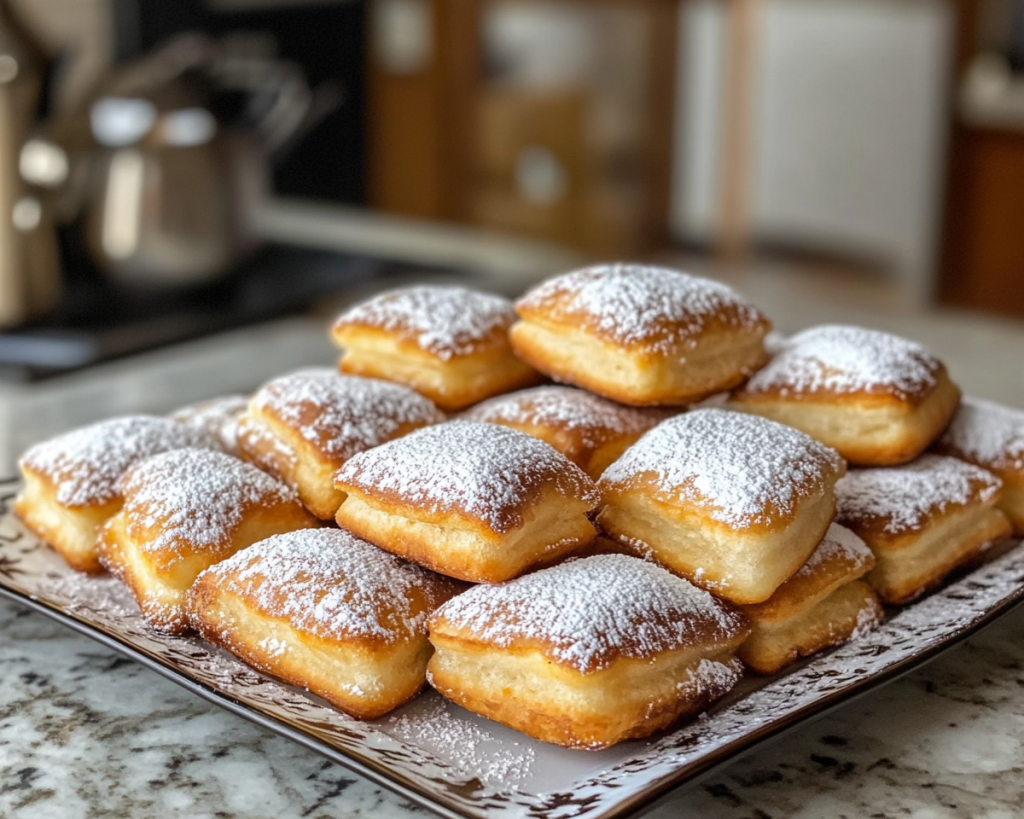
French beignets are essentially delightful pastries made from a choux pastry dough, resulting in an airy, soft texture inside with a crisp outer shell. Originating in France, they became a celebrated sweet in New Orleans, especially at the famous Café du Monde. The beignets are often enjoyed with a robust cup of café au lait, making them a breakfast staple or a delightful afternoon snack.
One of the distinguishing features of beignets is their light texture, which is achieved by using yeast as a leavening agent. As the dough rises, it becomes puffy, and once fried, it transforms into golden brown pillows that melt in your mouth. Dusted generously with powdered sugar, each bite is sweet, fluffy, and a little decadent—perfect for satisfying that lingering craving for something delightful.
The flavor and texture of these beignets can easily cater to different palates. You can experiment by adding fillings like raspberry jam or chocolate, which brings another layer of indulgence. Overall, French beignets encapsulate a delicious combination of crispy, airy, and sweet qualities, making them irresistible for anyone with a penchant for pastries.
Why You’ll Love This
There are many reasons why this recipe will become a cherished addition to your dessert repertoire. Firstly, the taste is simply divine. The contrast of the crunchy exterior and the soft, warm interior creates a delightful sensory experience. You’ll find that they are wonderful for brunches, celebrations, or a special treat after a long week.
Moreover, French beignets are surprisingly easy to make, even for beginners. The straightforward ingredients and manageable steps mean that you can whip up a batch without feeling overwhelmed. People often worry that frying can lead to disasters; however, with close attention and a little patience, you can achieve perfect golden-brown results every time.
Cost is another factor—making homemade beignets is far more economical than purchasing them from a café. The ingredients are simple and typically easy to find. Additionally, you can customize the flavors or fillings based on your personal preference or what you have on hand. Remember that creativity is encouraged; experimenting with different extracts or fillings can lead to personalized flavor profiles that both you and your guests will love.
Lastly, the versatility of beignets isn’t just confined to sweet iterations. Imagine savory beignets filled with cheese or herbs—these can easily be adapted for various dietary needs, making them a favorite dish for many occasions.
Ingredients You’ll Need
- 2 cups of all-purpose flour – This is the foundation of your dough. For a gluten-free alternative, consider using a blend designed for pastry.
- 1/4 cup of granulated sugar – A little sweetness is necessary for the dough, balancing the flavors and enhancing the overall taste.
- 1 teaspoon of instant yeast – This is your leavening agent, helping the dough rise to that perfect fluffy consistency.
- 1 teaspoon of salt – Salt enhances flavors and helps to balance the sweetness in the dough.
- 1/2 cup of warm milk – This helps activate the yeast, creating that beautiful elasticity in the dough.
- 2 large eggs – Eggs contribute richness, moisture, and stability to your beignet dough.
- 4 cups of vegetable oil (for frying) – Choose a neutral oil with a high smoke point to attain crispy exteriors while frying.
- Powdered sugar (for dusting) – This sweet finish transforms each beignet into a heavenly treat.
Each ingredient plays an essential role in achieving that melt-in-your-mouth experience. When selecting flour, be sure to choose a high-quality, all-purpose variety for the best results. You can also replace granulated sugar with alternatives such as coconut sugar if you’re looking for healthier options. Make sure the yeast is fresh, as expired yeast can lead to disappointing results.
For those with egg allergies, you can explore egg replacers or aquafaba. Lastly, regarding oil, always check the freshness before using it, as rancid oil will adversely affect the taste of your beignets.
How to Make
- Begin by mixing the warm milk and instant yeast in a large bowl. Allow it to sit for about 5 minutes until it becomes frothy. This indicates that your yeast is active and ready to work its magic on the dough.
- Next, combine the flour, sugar, and salt in a separate bowl. Whisk these dry ingredients together until they are well combined, ensuring an even distribution of all components.
- Once the yeast mixture is frothy, add the eggs to it. Whisk lightly until everything is combined and smooth. Gradually pour this mixture into the bowl containing the dry ingredients.
- Using a wooden spoon or a spatula, mix until a shaggy dough forms. After this, transfer the dough onto a lightly floured surface. Knead it gently for about 5-7 minutes, until the dough is slightly sticky but holds together well. The kneading process is crucial to developing gluten, which will result in those fluffy beignets.
- Once kneaded, place the dough in a greased bowl, cover with a clean kitchen towel, and let it rise in a warm area for about 1 hour, or until it has doubled in size. Keep an eye on it to ensure it doesn’t over-proof, which can lead to denser beignets.
- After the dough has risen, punch it down gently to release any excess air. Roll the dough out onto a floured surface to a thickness of about 1/2 inch. Using a sharp cutter or knife, cut the dough into squares or rectangles—your choice. The shape won’t affect the taste, so feel free to get creative!
- Preheat the vegetable oil in a deep frying pan or dutch oven to 350°F (175°C). A thermometer is recommended for precise temperature control. Once the oil is hot, gently drop in the beignet pieces, being careful not to overcrowd the pan. Fry each beignet for about 2-3 minutes per side or until they are golden brown.
- Using a slotted spoon, carefully remove the beignets and allow them to drain on paper towels. While they are still warm, generously toss them in powdered sugar to coat. This will enhance their sweetness and visual appeal.
- Serve immediately while still warm and fresh. Each bite should be.
Variations & Substitutions
Chocolate-Filled Beignets: For a rich and indulgent twist, consider making chocolate-filled beignets by piping in melted dark chocolate or Nutella before frying. Prepare the dough as usual, roll it out, and use a piping bag to add the chocolate in the center before sealing the edges. This variation satisfies anyone with a serious chocolate craving while adding an extra layer of flavor.
Savory Cheese Beignets: If you are looking for a savory alternative, consider adding finely grated cheese to the dough. A sharp cheddar or a creamy goat cheese can completely change the profile of these beignets, making them excellent for appetizers or snacks. Simply fold in the cheese right after kneading the dough, and skip the powdered sugar after frying. These savory bites are perfect for parties or as a unique side dish.
Cinnamon Sugar Beignets: For those who adore a sweet and spicy kick, try rolling your beignets in a cinnamon-sugar mixture instead of powdered sugar. Simply combine equal parts sugar and cinnamon in a bowl and coat the warm beignets after frying. This variation adds a delightful twist that elevates the traditional beignet experience while delivering warmth and comfort.
Vegan Beignets: To make vegan beignets, replace the eggs with flaxseed meal mixed with water or a commercial egg replacer. Use almond milk or soy milk in place of regular milk to achieve a delightful non-dairy version of these pastries. This adaptation ensures that those with dietary restrictions can enjoy the bliss of these delightful treats.
Gluten-Free Beignets: Using a gluten-free flour blend will allow you to make these beignets accessible to individuals with gluten intolerance. Keep in mind that you might need to add a binding agent like xanthan gum to replicate the elasticity of wheat-based doughs.
Common Mistakes to Avoid
One common mistake when making French beignets is not allowing the dough to rise adequately. If the dough is not allowed to rise until it doubles in size, the beignets will turn out dense rather than light and airy. Always respect the time needed for proofing, as this critical step affects the final texture significantly.
Another error is frying at the wrong temperature. If the oil is too hot, the exterior will become dark before the inside is cooked. Conversely, if it is not hot enough, the beignets will soak up oil, leading to a greasy texture. Utilize a thermometer for accuracy, and if you don’t have one, you can drop a small piece of dough into the oil. If it sizzles and rises to the surface, your oil is at the right temperature.
Lastly, failing to drain the fried beignets properly can result in a heavy and greasy pastry. Ensure they drain on paper towels after frying, keeping them crispy and fluffy. Remember to dust them with powdered sugar only while still warm, as the sugar will adhere better and create that delightful finish.
Storage, Freezing & Reheating Tips
For optimal freshness, french beignets are best enjoyed straight after frying. However, if you end up with leftovers, they can be stored in an airtight container at room temperature for up to two days. If you’d like to keep them for a longer period, consider freezing them instead.
To freeze, allow the beignets to cool completely, then arrange them in a single layer on a baking sheet. Place the baking sheet in the freezer until they are firm and then transfer them to a freezer-safe bag. They can be stored in the freezer for up to two months. When you’re ready to enjoy them, simply reheat them in an oven preheated to 350°F (175°C) for about 10-15 minutes, ensuring they regain that crispy exterior.
Be mindful of food safety practices: if storing them beyond the recommended timeframe or if they exhibit any changes in color or smell, it’s best to discard them.
Frequently Asked Questions
Can you make beignets without yeast?
While traditional beignets are made with yeast for that classic fluffy texture, you can experiment with baking powder as an alternative. However, the texture and flavor will be different, likely resulting in a denser pastry.
How can I tell if my oil is hot enough for frying?
One method is to drop a small piece of dough into the oil. If it bubbles vigorously and rises to the surface, the oil is hot enough. Alternatively, a thermometer can provide precise readings, aiming for a temperature around 350°F (175°C).
Can I make the dough ahead of time?
Yes, you can prepare the dough in advance. After kneading, you can cover and refrigerate it overnight. Just ensure you bring it back to room temperature and allow it to rise before frying.
What if my beignets are too dense?
If your beignets turn out too dense, it may be due to overly kneading the dough or not allowing it to rise adequately. Ensure you follow the proofing times and avoid overworking the dough in the kneading stage.
Can I use different fillings for my beignets?
Absolutely! Beignets can be filled with a variety of ingredients like fruit jams, chocolate, or custards. Just be cautious to seal the edges well to prevent any filling from leaking out during frying.
Conclusion:
What makes these French beignets melt in your mouth is not only their delicate structure but also the joy of making them from scratch. With warm, cozy flavors and a delightful texture, they are perfect for any occasion. Try your hand at these beignets, customize them as you wish, and share your delicious creations with family and friends. Indulge in the pleasure of creating this delightful dessert that will truly leave a lasting impression. Whether for a family brunch or a gathering with friends, these beignets will undoubtedly steal the show and create treasured memories.