Prep time: 20 minutes
Cook time: 30 minutes
Total time: 50 minutes
Servings: 12 eggrolls
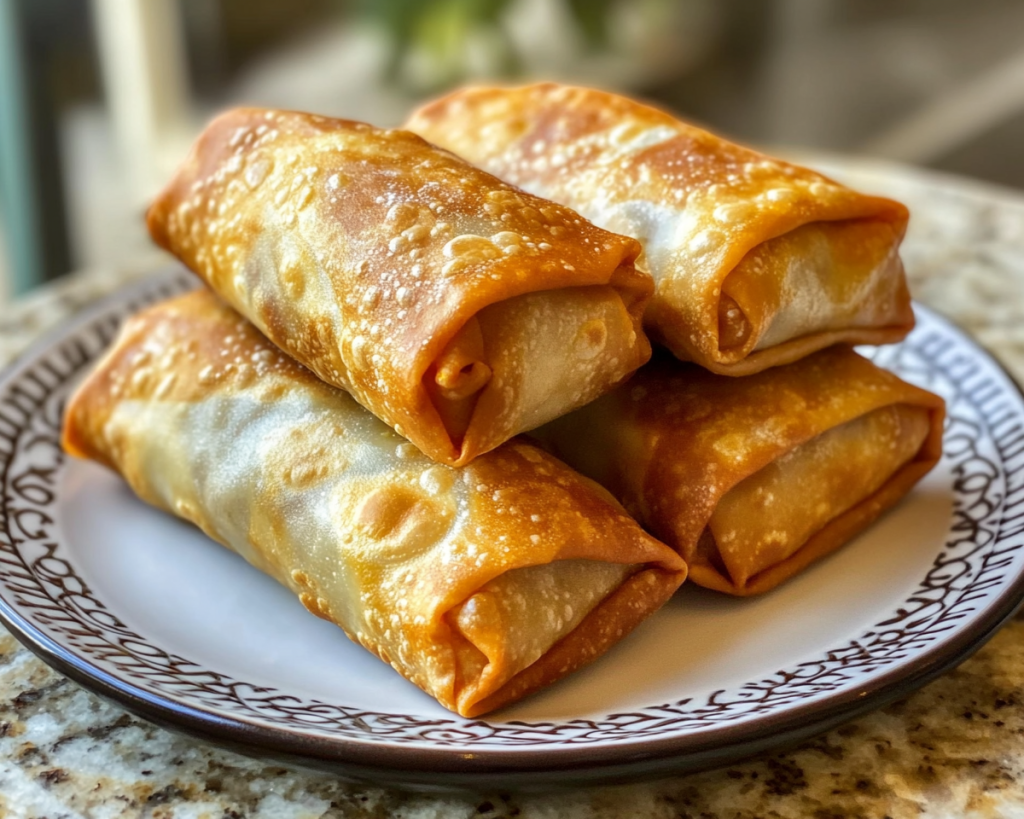
Craving a delightful crunch wrapped around a savory filling? Look no further than homemade eggrolls that are not just delicious but also incredibly satisfying. Whether you’re planning a family gathering, a game-day celebration, or a cozy movie night at home, these eggrolls will certainly become a staple in your culinary repertoire. What sets these eggrolls apart is not only their irresistible flavor but also their versatility, allowing you to customize them according to your taste preferences.
In this recipe, you will learn how to make these eggrolls from scratch, including tips on perfecting the cooking techniques, getting that golden crunch, and exploring variations that cater to both traditional and modern palates. You will grasp the essential ingredients that make these eggrolls so scrumptious, see step-by-step instructions, and discover ways to avoid common mistakes in eggroll preparation.
What Is What Makes These Eggrolls You Can’t Resist?
Eggrolls are a popular item in Chinese American cuisine, characterized by their flaky, golden-brown wrappers filled with a variety of delicious ingredients. The texture of a perfectly cooked eggroll is a lovely balance between crunch and tenderness; the outside is crispy, and the inside is packed with juicy fillings. The flavor profile can range from savory to slightly sweet, depending on what you include in the mix. Traditional fillings often consist of shredded vegetables, such as cabbage and carrots, combined with protein like pork, chicken, or even tofu for a vegetarian option.
The origin of eggrolls can be traced back to Chinese spring rolls, but they evolved in the United States, where they grew to become larger and more filled compared to their Asian predecessors. This recipe offers a delectable twist on the classic, incorporating a medley of fresh vegetables and seasonings that create a party in your mouth. The satisfying crunch paired with a flavorful interior makes them utterly irresistible.
Preparing eggrolls allows room for creativity. You can experiment with different fillings based on what’s in season or use leftovers. In other words, these tiny parcels are not only delicious but provide an opportunity for resourceful cooking.
Why You’ll Love This
There are several reasons why these homemade eggrolls will steal the spotlight at any gathering. First and foremost, the flavor combination is undeniably scrumptious. The crispiness from the wrapper combined with a variety of textures from the filling creates an exciting culinary experience. Designed for bursting with flavor, every bite will have you craving just one more!
Secondly, they are incredibly easy to prepare, making them perfect for busy parents or even novice cooks. The ingredients are straightforward, and with a bit of practice, you can roll them like a pro! Additionally, making eggrolls at home is cost-effective compared to restaurant options, allowing you to prepare more servings for less money.
Health-conscious individuals will also appreciate that you can control the ingredients, such as using fresh vegetables and lean proteins, reducing sodium and unhealthy fats. It’s a versatile recipe; whether you want to whip up some classic pork eggrolls or opt for a vegan version bursting with flavorful vegetables, the choice is in your hands!
Many people may think that creating homemade scheggrolls is daunting, especially if you’re new to frying. However, this guide will take you through every step, dispelling any myths that eggrolls must be tedious to make. The satisfaction of making something both impressive and mouthwatering will make it worth the effort!
Ingredients You’ll Need
- Eggroll wrappers: This is the foundation of your dish. Store-bought wrappers are readily available and versatile. If you want a healthier alternative, you can find whole wheat or gluten-free options.
- Shredded cabbage: Provides a crunchy and juicy texture. You can use Savoy or green cabbage. If you’re looking for substitutes, bok choy or napa cabbage work well, too.
- Shredded carrots: Adds sweetness and color. They also contribute to the overall crunch. If you don’t have fresh carrots, you can use frozen shredded carrots.
- Protein of choice: This could be ground pork, chicken, shrimp, or tofu. The protein’s seasoning enhances the flavors, so choose a high-quality meat or well-prepared tofu for vegetarian versions.
- Garlic: Minced garlic elevates the flavor profile. You can use fresh cloves or pre-minced for convenience.
- Fresh ginger: Finely grated ginger adds a zesty kick to the mixture. If you don’t have ginger, a dash of powdered ginger can also suffice.
- Soy sauce: Essential for seasoning your filling. Use low-sodium versions if you’re watching your salt intake.
- Sesame oil: Adds a wonderful depth of flavor and aroma. A little goes a long way, so use it sparingly.
- Black pepper: Freshly cracked black pepper enhances the overall seasoning.
- Cooking oil: For frying, a neutral oil like vegetable or canola is perfect. You can also use peanut oil for a unique flavor.
Each ingredient plays a crucial role in the overall outcome of the eggrolls. Be sure to explore various options and make substitutions where necessary to suit your preferences.
How to Make
- Prepare the filling: Start by heating a tablespoon of cooking oil in a large skillet over medium heat. Add the minced garlic and grated ginger, stirring for about 30 seconds until fragrant. Next, toss in the shredded cabbage and carrots, cooking them for about 5–7 minutes until they soften slightly. If you’re using protein, add it to the pan, breaking it apart with your wooden spoon. Cook until the protein is fully cooked through and the vegetables are tender.
- Season your filling: Once the filling is cooked, stir in soy sauce, sesame oil, and black pepper. Ensure that everything is evenly mixed, and taste the mixture to adjust any seasonings as needed. This is the moment to add any optional ingredients, such as chopped scallions or bean sprouts, to enhance flavor and texture.
- Cool the filling: Transferring the filling to a bowl, allow it to cool for about 10–15 minutes. If your filling is too hot when you attempt to wrap it, the wrappers may become soggy or difficult to work with. Cooling the mixture ensures that it adheres better to the wrapper during the rolling process.
- Prepare to wrap: Lay an eggroll wrapper on a clean, flat surface with one point facing you, like a diamond shape. Place about two tablespoons of the filling near the center. It’s essential not to overfill, as this may lead to tearing during frying.
- Roll the eggroll: Starting from the bottom point, fold it over the filling. Roll it tightly while tucking in the sides as you go to prevent the filling from spilling out. Once you’ve rolled it up, use a little water to seal the top point of the wrapper. Place the finished eggroll seam-side down on a baking sheet or plate.
- Fry the eggrolls: In a deep skillet or frying pan, heat cooking oil to about 350°F (175°C). You can test the temperature by dropping a small piece of the wrapper into the oil; if it sizzles, it’s ready for frying. Carefully place a few eggrolls in the hot oil without crowding the pan. Fry for about 3–4 minutes on each side or until golden brown and crispy. Use a slotted spoon to remove them and drain on paper towels.
- Serve: Serve the hot eggrolls with dipping sauces like soy sauce, sweet and sour sauce, or homemade peanut sauce. The crispy exterior paired with the flavorful filling will have everyone reaching for seconds!
Cooking is all about practice, so don’t worry if your first few attempts at wrapping don’t turn out perfectly. The more you make, the better you’ll become. If you’re frying for the first time, take extra care with the hot oil; it can get quite dangerous. Always have a lid nearby to cover the pan if the oil splatters.
Variations & Substitutions
Vegetarian Eggrolls: If you want to skip the meat, simply replace it with a variety of vegetables, such as bell peppers, mushrooms, or zucchini. You can also add more plant-based proteins like black beans or quinoa for a hearty filling. Seasoning becomes crucial in this variation to ensure robust flavors complement the vegetables.
Spicy Eggrolls: For those who enjoy some heat, add finely chopped jalapeños or sriracha sauce to your filling. You may even consider using spicy ground pork or chicken in combination with the veggie mix. A spicy dipping sauce can further enhance this variation.
Breakfast Eggrolls: Transform your eggrolls into a breakfast delight! Use scrambled eggs, cheese, and diced bell peppers for the filling. Incorporate cooked breakfast sausage or bacon if you desire. These breakfast eggrolls make for an excellent brunch option and can be served with salsa or hot sauce.
Fruit Eggrolls: For a sweet treat, think beyond savory fillings and incorporate fruit! Apple or banana-based fillings with a sprinkle of cinnamon and sugar can turn your eggrolls into a delightful dessert. Serve with a scoop of ice cream for a heavenly experience.
Low-Carb Eggrolls: Concerned about carbs? Substitute the eggroll wrapper with thinly sliced zucchini or eggplant. While the texture will differ, the filling is still key to delivering great taste and satisfaction.
Experimenting with these variations allows you to tailor the eggrolls to your specific tastes, dietary needs, or the season’s freshest produce, making this recipe endlessly customizable.
Common Mistakes to Avoid
One common mistake with homemade eggrolls is overfilling them. If you add too much filling, the wrappers are likely to tear or burst during frying. It’s best to start with less and work your way up as you become more comfortable with the rolling process.
Another mistake is frying at too low or too high temperatures. If the oil doesn’t reach the correct temperature, eggrolls may absorb too much oil, making them greasy instead of crispy. Alternatively, if the oil is too hot, the outside will cook too quickly while leaving the inside undercooked. Utilize a thermometer or test the oil with a small piece of wrapper to ensure it’s at the right frying temperature.
Using wet wrappers is another key concern. If they are too moist when wrapping or frying, they can become mushy. Ensure that both your filling is cooled and your hands are dry when you start the wrapping process.
Failing to seal the edges properly can lead to leakage during cooking. Be diligent with wetting the corners of the wrapper to help them stick together. It’s best to use just a touch of water to avoid sogginess.
Storage, Freezing & Reheating Tips
If you have leftover eggrolls (which is rare), store them in an airtight container in the refrigerator. They will typically stay fresh for about 3-4 days. For freezing, prepare the eggrolls but do not fry them. Lay them flat on a baking sheet to freeze individually, then transfer them to a freezer bag once solidified. They can be stored in the freezer for up to 2 months.
When you’re ready to eat the frozen eggrolls, you can fry them directly from the freezer without defrosting. Just add a couple of extra minutes to the cooking time. Reheating leftover cooked eggrolls can be achieved in an oven set to 350°F (175°C). Place them on a baking sheet and heat for about 10–15 minutes until crispy.
Always follow food safety best practices by ensuring any leftovers are stored properly and consumed within the recommended time frames to avoid foodborne illness.
Frequently Asked Questions
Can I bake eggrolls instead of frying them?
Yes, you can bake eggrolls! To do this, preheat your oven to 425°F (220°C). Arrange the rolled eggrolls on a baking sheet lined with parchment paper, and lightly spray them with cooking oil. Bake for about 15–20 minutes, flipping halfway through, until they look golden brown.
What dipping sauce pairs well with eggrolls?
There are many delicious options when it comes to dipping sauces! Classic choices include sweet and sour sauce, soy sauce, or spicy mustard. You can also create your own peanut sauce for a more gourmet touch, mixing peanut butter, soy sauce, and a bit of honey or sriracha for added flavor.
Can I make these eggrolls ahead of time?
Absolutely! You can prepare the filling and roll the eggrolls a day in advance. Just refrigerate them until you’re ready to fry. They can also be made ahead and frozen. When you want to cook them, directly fry from frozen.
What can I do if my eggrolls are soggy after frying?
If your eggrolls turn out soggy, it could mean they were overfilled or the oil temperature was too low. To prevent this in the future, ensure you’re using dry fillings and the correct oil temperature during cooking. For already cooked soggy eggrolls, place them in a preheated oven for a few minutes to help crisp up the exterior.
Is it possible to use different types of wrappers?
While traditional eggroll wrappers are typically used, you can experiment with other types of wrappers, like spring roll wrappers or even rice paper. Be mindful that cooking times and textures may vary depending on the type of wrapper you choose.
Conclusion:
In summary, this recipe for eggrolls is not only packed with flavor but also offers versatility and the potential to impress friends and family alike. The crunch of the exterior coupled with flavorful fillings makes them a winner for any occasion. I encourage you to try this recipe, experiment with your variations, and ultimately make it your own. Share your experiences, and remember: cooking is meant to be joyful and a chance to express your personality! Happy cooking!