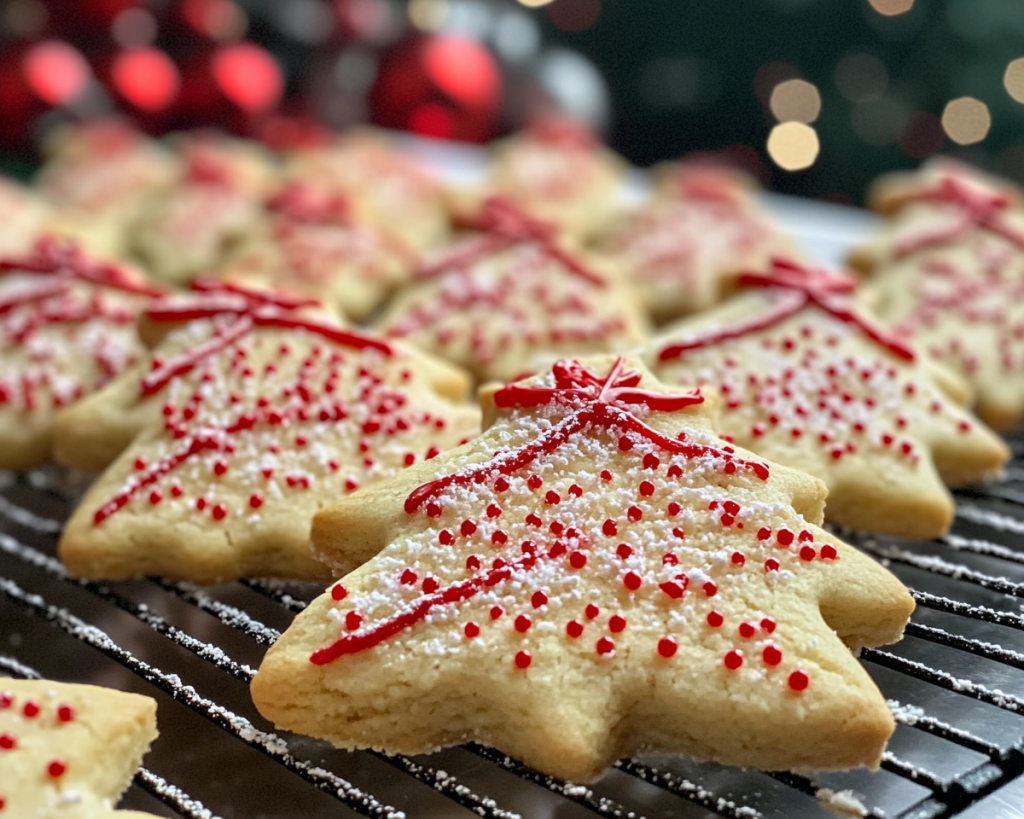
Prep time: 15 minutes
Cook time: 10 minutes
Total time: 25 minutes
Servings: 24 cookies
The holiday season is upon us, and there’s nothing quite like the delightful scent of fresh-baked cookies filling the air. Among all the treats that define this joyous time of year, Christmas sugar cookies hold a special place in many hearts. What Makes These Crumbl Christmas Sugar Cookies So Chewy is a question that many home bakers ask, and this recipe delivers in both flavor and texture. With their melt-in-your-mouth softness and a hint of sweetness, these cookies have a contrasting chewy bite that makes them irresistible.
This recipe isn’t just about baking cookies; it’s about creating memories. Imagine gathering your loved ones in the kitchen, dusting flour on the countertop, and lining trays with cookie dough. The best part? You’ll learn why sugar cookies can be more than just sugar and flour—they can be a canvas for flavors, colors, and delightful conversations around the table. This guide will walk you through each step, offering tips and variations to please any palate and ensure that you can recreate this festive food with ease.
What Is What Makes These Crumbl Christmas Sugar Cookies So Chewy?
Crumbl Christmas Sugar Cookies are not your average holiday treats. The origins of sugar cookies trace all the way back to the 1700s when they were first developed by German settlers in the United States. These cookies are typically made with basic ingredients like flour, sugar, eggs, and butter. However, what sets this specific recipe apart is the method and quality of ingredients, contributing to a uniquely chewy texture.
The unique texture you’re aiming for during baking comes from a careful balance of fat and flour, along with a meticulous creaming process. When properly mixed, a cookie dough can incorporate air into the fat, which helps the cookies rise beautifully while retaining their desired chewiness. Once baked, these cookies exhibit a slightly crispy exterior that gives way to a soft and chewy center. The flavors are simple yet festive, making them perfect for holiday sharing or family gatherings.
The irreplaceable blend of sweetness and light vanilla flavor is signature to sugar cookies. However, the texture is what truly elevates them; with just the right balance of moisture and ingredients, each bite gives you a satisfying melt-in-your-mouth experience paired with a delightful chew. Whether you’re decorating them with icing or simply savoring them alongside a warm cup of cocoa, these cookies are sure to become a cherished tradition.
Why You’ll Love This
This recipe is loved for several impressive reasons: its wonderful flavor combined with ease of preparation, cost-effectiveness, and versatility. First and foremost, the flavor is delightful; the cookies are sweet but not overwhelmingly so, allowing the taste of butter and sugar to shine. If you’ve ever tried a cookie that tastes synthetic or overly sugary, you’ll appreciate that this recipe steers clear of that pitfall, delivering a genuine, home-baked taste.
Moreover, the ease of making these cookies makes them approachable—even for novice bakers. You don’t need special equipment or complicated techniques to whip up a batch. Most importantly, these cookies are cost-effective to prepare, as the ingredients are typically items you already have in your pantry. With just a handful of simple ingredients, you can create something that feels both festive and indulgent without the hefty cost often associated with holiday baking.
Many people believe that cookies can’t be modified easily to suit dietary needs or preferences. However, this recipe proves otherwise. You can easily swap in alternative flours, like almond flour for gluten-free options, or substitute raw sugar for a richer flavor. Don’t let common mistakes hold you back; understanding how to pay attention to details in the recipe will ensure you achieve that perfect chew every time.
Ingredients You’ll Need
- Butter: 1 cup (softened) – This is crucial for a rich flavor and helps create that chewy texture. If you are looking for a dairy-free option, you can use coconut oil as a substitute.
- Sugar: 1 ½ cups (granulated) – The primary sweetening agent. You can also use a mixture of granulated and brown sugar for a hint of caramel flavor.
- Eggs: 2 large – Essential for binding the ingredients together while adding moisture to the cookie.
- Vanilla Extract: 1 tablespoon – This adds an aromatic sweetness. Pure vanilla will yield better results than imitation vanilla.
- Baking Powder: 1 teaspoon – This helps the cookies rise slightly while maintaining their chewy texture.
- Salt: ½ teaspoon – A critical component that enhances the flavors of your cookies.
- All-Purpose Flour: 4 cups – Provides the structure you need. Using a little less flour can yield softer cookies, so adjust according to your preference.
- Sprinkles: Optional – Perfect for decoration! Use festive colors to make your cookies look like a holiday masterpiece.
Each ingredient plays a vital role. The butter is essential to achieve that rich flavor and desired texture while the sugar not only sweetens but also contributes to the cookie’s softness. Eggs bind everything together, and vanilla infuses an irresistible aroma that calls everyone to the kitchen. Baking powder lifts the cookie, ensuring they aren’t dense, and the salt balances the sweetness, making every bite delicious.
How to Make
- Preheat your oven: Heat your oven to 350°F (175°C). Preheating is a critical step that allows your cookies to bake evenly. Ignoring this step can result in cookies that bake inconsistently, leading to either over-done edges or undercooked centers.
- Cream the butter and sugar: In a large mixing bowl, beat the softened butter and granulated sugar together until light and fluffy, usually about 3-5 minutes. This process incorporates air into the mixture, promoting a lighter texture when baked. Be sure to scrape down the sides of the bowl to integrate all ingredients effectively.
- Add eggs and vanilla: Add the eggs one at a time, ensuring you fully incorporate each before adding the next. Blend in the vanilla extract at this point. Mixing in the eggs properly is vital; it adds moisture and richness to the dough. It also helps in binding the dry ingredients later on.
- Combine dry ingredients: In a separate bowl, whisk together the flour, baking powder, and salt. Gradually add these into the butter mixture. Mixing in portions helps ensure that everything blends evenly, reducing the risk of overworking the dough.
- Mix just until combined: Avoid overmixing the dough once the flour is added. You want just enough mixing to ensure no white patches remain; overworking can lead to tough cookies instead of tender and chewy delights.
- Drop spoonfuls onto lined baking sheets: Using a cookie scoop or spoon, drop mound-sized portions of dough onto a parchment-lined baking sheet, spacing them about 2 inches apart. This allows room for spreading. If desired, press some sprinkles or additional sugar on top for added sweetness and decoration.
- Bake: Place the cookie sheet in the oven and bake for 9-11 minutes, or until the edges are lightly golden but the centers appear slightly underbaked. Remember, cookies will continue to cook on the sheet even after you remove them from the oven.
- Cooling: Let the cookies cool on the baking sheet for five minutes before transferring them to a wire rack to cool completely. This cooling period allows the cookies to firm up while maintaining their chewiness.
Following these detailed steps will ensure that you create cookies that not only look good but taste exceptional. Enjoy the process of baking and let the aroma of sugar cookies wrap you in warmth and nostalgia.
Variations & Substitutions
Gluten-Free Variation: If you’re looking for a gluten-free option, replace all-purpose flour with a gluten-free 1:1 baking mix. Many commercial options include xanthan gum, which helps mimic the texture of gluten. Pay attention to the measurements, as gluten-free flours can sometimes require less liquid. This variation ensures everyone can enjoy these chewy cookies without compromising flavor or texture.
Holiday Spice Version: To add warmth to the flavor, introduce spices like cinnamon, nutmeg, or ginger to the cookie dough. Start with a teaspoon of cinnamon and adjust according to preference. This variation gives your cookies a festive twist that’s perfect for holiday gatherings, embodying the comforting essence of the season.
Coconut Variation: For a tropical twist, incorporate shredded unsweetened coconut into your cookie dough. Use about ½ cup of coconut and consider reducing the flour slightly to maintain the chewiness. This variation brings an exciting flavor contrast, appealing to those who enjoy a nutty, aromatic experience in their cookies.
Chocolate Chip Sugar Cookies: If you crave a chocolatey touch, fold in a cup of semi-sweet chocolate chips into the dough before baking. This twist creates a delightful balance of flavors, with the sweetness of the sugar cookies complemented by rich chocolate pieces. It’s a perfect treat for chocoholics and a great way to make these cookies even more festive.
Decorator’s Delight: For those who love whimsical treats, prepare icing using powdered sugar and milk to create a glaze. Decorate with festive colors and sprinkles. This fun variation takes your classic Christmas sugar cookies to new heights, making them eye-catching additions to any dessert table.
Each variation not only adds a unique flavor profile but also caters to different preferences and dietary needs. Experiment with these ideas to find your favorite rendition!
Common Mistakes to Avoid
One common mistake is using cold butter instead of softened butter. The butter needs to be at room temperature to properly cream with sugar, ensuring that your cookies have the right texture and spread. Using cold butter will lead to dense and hard cookies, rather than the desired softness and chewiness.
Another mistake is overmixing the dough after adding dry ingredients. This can result in tough cookies rather than tender ones. Always mix just until combined; you’ll thank yourself later when you bite into that soft, chewy center.
Also, be wary of letting your cookies bake too long. The key is to remove them when they’re slightly underbaked; they will continue to cook on the baking sheet. Overbaking leads to dry, crumbly cookies, which is not the texture you want for these delightful desserts.
Lastly, ignoring the cooling time on the sheet can impact the end result. If you don’t let the cookies cool on the baking tray long enough, they may break apart during transfer or lack that chewy texture. Proper cooling allows the cookies to firm up and retain their shape beautifully.
Storage, Freezing & Reheating Tips
Proper storage will keep your Crumbl Christmas Sugar Cookies soft and flavorful. Store them in an airtight container at room temperature for up to 1 week. For longer storage, consider freezing; simply place the baked cookies in a single layer in a freezer-safe container, ensuring they do not stick together.
To freeze cookie dough, scoop out the dough on a baking sheet lined with parchment paper and freeze until solid. Once frozen, transfer the dough balls to a freezer-safe bag or container, sealing tightly. You can thaw and bake fresh cookies straight from the freezer; it only requires a few additional minutes in the oven.
For reheating, pop your cookies in a microwave for a few seconds, or place them in a warm oven for about 5 minutes to regain that fresh-baked softness. Be cautious not to overheat, as this can lead to a dry texture. Always check the cookies occasionally while reheating to get them just right.
Frequently Asked Questions
How can I make my cookies chewier?
The secret to chewy cookies lies in the balance of ingredients and baking method. Use more brown sugar than granulated sugar because brown sugar contains molasses, which yields moisture. Additionally, avoid overbaking—remove the cookies from the oven when they are lightly golden but still soft in the center for that perfect chewy texture.
Can I use margarine instead of butter?
Yes, although butter is recommended for the best flavor and texture. Margarine tends to have a higher water content, which can affect the consistency of the dough. If using margarine, choose one with a higher fat content for better results.
What’s the best type of flour for sugar cookies?
All-purpose flour is the best choice for these sugary delights due to its balanced protein content. Whole wheat flour can be used for whole-grain benefits, but it may yield a denser cookie. Ensure that you adjust the flour amount if you’re using a different type to maintain that lovely chewiness.
Can I make the dough ahead of time?
Absolutely! You can prepare the dough up to 2 days in advance. Wrap it tightly in plastic wrap and store it in the refrigerator to prevent it from drying out. When ready to bake, simply remove it from the fridge, scoop onto a baking sheet, and bake as directed.
How do I know when the cookies are fully baked?
The edges should be lightly golden, while the centers will appear somewhat undercooked. They will continue to bake upon cooling. A good rule of thumb is to check on them a minute early to avoid overbaking.
Conclusion:
This recipe for What Makes These Crumbl Christmas Sugar Cookies So Chewy offers delightful flavor, soft texture, and a fun baking experience for you and your loved ones. These cookies will not only elevate your holiday celebrations but also become cherished memories. Feel free to customize this recipe to suit your taste or dietary needs, and share it with others who will appreciate the joy of baking. Happy baking!