Prep time: 20 minutes
Cook time: 15 minutes
Total time: 35 minutes
Servings: 4 servings
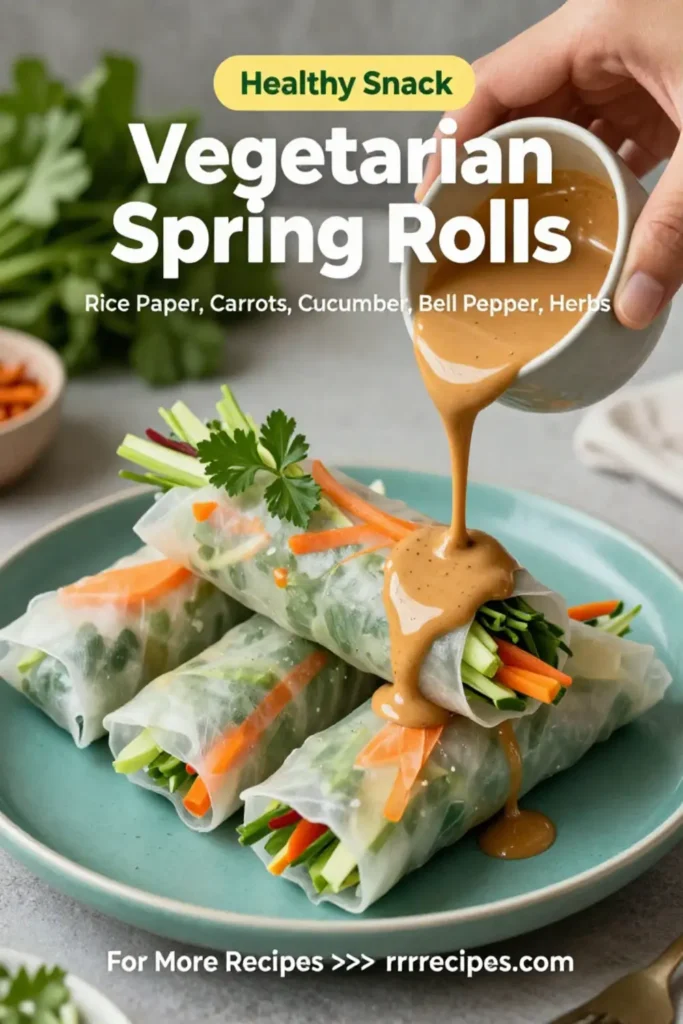
Vegetarian spring rolls are a vibrant, delicious way to enjoy fresh vegetables and herbs wrapped in rice paper. These rolls are not only visually appealing but also packed with flavor, making them a delightful addition to any meal or as a standalone snack. In this recipe guide, you will learn how to create perfect vegetarian spring rolls with ease, alongside essential tips for preparation, rolling techniques, and various serving suggestions.
What Is Vegetarian Spring Rolls Recipe: 7 Tips for Perfect Rolls?
Vegetarian spring rolls are a staple in many Asian cuisines, particularly in Vietnamese and Thai cooking. These rolls feature a crunchy outer layer, typically made from rice paper, filled with an assortment of fresh ingredients like vegetables, herbs, and sometimes even fruits. The combination of textures and flavors makes them a refreshing option, perfect for dipping in sauces such as hoisin, peanut sauce, or sweet chili.
You can make vegetarian spring rolls customized to your liking by adding your favorite ingredients, making them a flexible dish ideal for any dietary preference. Plus, they are often low in calories while being high in nutrients, making them great for a light meal or a healthy snack.
Why You’ll Love This
There are numerous reasons to love vegetarian spring rolls. First, they embody a fun cooking experience, allowing you to get hands-on in the kitchen. Second, with their fresh and nutritious ingredients, you can feel good about what you’re eating. Third, they are versatile! You can incorporate different seasonal vegetables and herbs based on your preferences or what you have available in your pantry.
Moreover, these rolls can be served cold as refreshing appetizers or quickly sautéed for a warm alternative. They are also perfect for gatherings, enabling you to impress guests with beautifully presented food. Finally, the simple yet sophisticated taste profile makes them suitable for a variety of occasions, from casual lunches to formal events.
Ingredients You’ll Need
To make vegetarian spring rolls, gather the following ingredients:
- Rice Paper: 10 sheets. This is the base of your rolls and gives them their signature texture.
- Shredded Carrots: 1 cup. Sweet and crunchy, they add a nice bite.
- Cucumber: 1 medium-sized, cut into thin strips. For a refreshing crunch.
- Red Bell Pepper: 1, thinly sliced. Adds a pop of color and sweetness.
- Avocado: 1, sliced. Creates a creamy texture that balances the crunchiness.
- Fresh Mint: 1/2 cup. Provides a fresh and aromatic flavor.
- Cilantro: 1/2 cup. Offers an additional layer of flavor that brightens the dish.
- Lettuce Leaves: 4 large leaves. Acts as a bed for some of the filling, enhancing crunch.
- Soy Sauce: For dipping. Adds umami flavor which beautifully complements the fresh ingredients.
- Peanut Sauce: Optional, but recommended for a delicious twist.
[Image of Vegetarian Spring Rolls]
How to Make
To create your vegetarian spring rolls, follow these steps closely:
- Prepare your workstation by laying out all your ingredients and a damp cloth. Take a rice paper sheet and soak it in warm water for about 10 seconds until it becomes pliable. Avoid soaking too long as it may tear easily.
- Once the rice paper is pliable, lay it flat on your workstation. Place a lettuce leaf at the bottom portion of the paper, leaving enough space to fold. Layer on your desired amount of shredded carrots, cucumber strips, red bell pepper slices, avocado, mint, and cilantro on top of the lettuce.
- Begin to roll the rice paper tightly from the bottom, carefully tucking in the sides as you go. Aim for a snug fit to prevent the filling from falling out. Ensure you keep the filling centered for even distribution.
- Once fully rolled, place the spring roll seam-side down on a platter. Repeat the process with the remaining rice paper sheets and filling ingredients. It’s okay to assemble all your rolls before cutting them.
- Once all the rolls are made, use a sharp knife to slice each spring roll in half diagonally for a beautiful presentation. Arrange them on a serving platter.
- Serve immediately with soy sauce, or peanut sauce for dipping. You can also chill them in the refrigerator for 10-15 minutes if you prefer a cooler snack.
Variations & Substitutions
Southwestern-Inspired Spring Rolls: Incorporate black beans, corn, diced tomatoes, and avocado for a southwestern flavor. Serve with a salsa or ranch dipping sauce for an exciting twist.
Fruit Spring Rolls: Substitute vegetable ingredients with a mix of fruits like mangoes, strawberries, and kiwi. Drizzle with honey or serve with yogurt for a delightful dessert option.
Spicy Tofu Spring Rolls: Add marinated tofu for additional protein. Grill or pan-fry the tofu for enhanced flavor before including it as part of your filling.
Nutty Crunch Spring Rolls: Add a variety of nuts like cashews or peanuts for a crunchy flavor. This variation not only adds texture but can also increase the nutritional value.
Asian Style Spring Rolls: Insert thinly sliced cabbage, bean sprouts, and Thai basil for a more traditional Asian touch. Pair with a hoisin sauce for an authentic taste.
The possibilities are nearly endless, so do not hesitate to mix and match characteristics based on seasonal ingredients or your personal preferences!
Common Mistakes to Avoid
When making vegetarian spring rolls, a few pitfalls can detract from the final product.
Too Much Water in Rice Paper: Soaking the rice paper for too long can make it overly soggy, leading to holes when rolling. Aim for just enough dampness to allow folding without tearing.
Piling on the Filling: Overfilling the rolls often results in bursting. Keep the filling balanced and centered, which allows for better rolling technique and presentation.
Not Letting them Chill: Allowing the rolls to chill in the refrigerator for a few minutes enhances their firmness and improves the overall eating experience.
By avoiding these common mistakes, you can ensure that your vegetarian spring rolls are beautifully presented and delicious.
Storage, Freezing & Reheating Tips
Storing vegetarian spring rolls can be straightforward, but there are some important considerations to keep in mind. If you need to store them, wrap each roll individually in plastic wrap or parchment paper to prevent them from sticking together. Place them in an airtight container and refrigerate. They are best eaten within 2-3 days for optimal freshness.
For freezing, it is recommended to freeze the spring rolls before cooking. Wrap them tightly in plastic wrap and store in a freezer-safe bag or container. They can be frozen for up to 2 months. To cook, thaw them in the refrigerator overnight and then prepare as usual.
Reheating spring rolls is best done by lightly pan-frying them in a skillet or baking in an oven preheated to 375°F (190°C) for about 10 minutes, ensuring they regain their crispness without becoming soggy.
Frequently Asked Questions
Can I use other greens instead of lettuce?
Absolutely! You can substitute lettuce with any leafy greens like kale or spinach. Each provides a unique texture and flavor, enhancing your spring rolls in different ways.
What dipping sauces pair well with these rolls?
Common dipping sauces for vegetarian spring rolls include peanut sauce, sweet chili sauce, and soy sauce. Each adds a distinct flavor profile, catering to varied taste preferences. You can even create your own sauce by mixing soy sauce with sesame oil and a splash of lime juice for an added zing.
How do I make them gluten-free?
To make these spring rolls gluten-free, ensure that the rice paper, dips, and all fillings do not contain gluten. You can find gluten-free soy sauce and other dipping sauces at many health food stores.
Can I make vegetarian spring rolls ahead of time?
Yes, you can prepare the filling ingredients ahead of time and assemble the rolls right before serving. To maintain freshness, store the rolled spring rolls in an airtight container in the refrigerator.
Are they suitable for meal prep?
Vegetarian spring rolls are excellent for meal prep. You can prepare a batch at the beginning of the week and enjoy them throughout, making for easy lunches or snacks. Just remember to keep the dipping sauces separate until you’re ready to eat.
Conclusion: Vegetarian spring rolls are a fun and nutritious option for anyone looking to indulge in fresh ingredients. This guide provides all the tips, variations, and answers to common questions to help you create delightful rolls that impress. Enjoy rolling and, most importantly, savoring every bite!