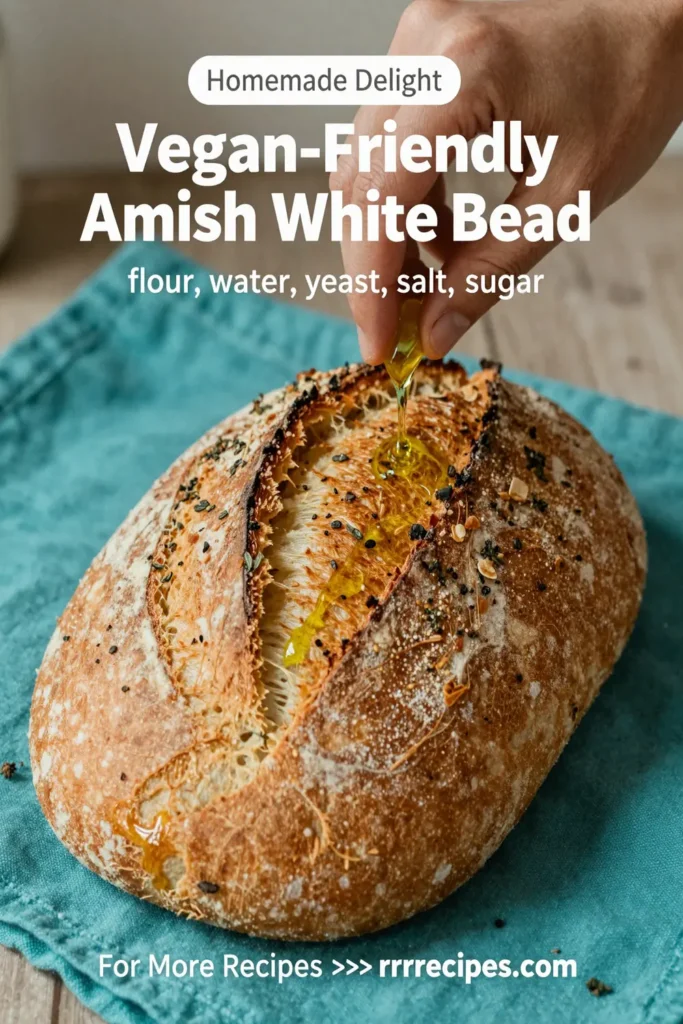
Prep time: 15 minutes
Cook time: 30 minutes
Total time: 45 minutes
Servings: 12 slices
Vegan-Friendly Amish White Bread is a delightful, soft bread that is as easy to make as it is rewarding. Its tender crumb and golden crust will make it a perfect addition to your dining table, whether you’re looking to enjoy it with breakfast, a sandwich, or simply a slice with a pat of vegan butter. This recipe is not only accessible for those who are new to baking but also for busy parents seeking wholesome meal options.
What Is Vegan-Friendly Amish White Bread?
Vegan-Friendly Amish White Bread originates from traditional Amish recipes, known for their simplicity and heartiness. The absence of animal products makes this recipe suitable for a variety of dietary needs without sacrificing flavor or texture. This bread is characterized by its soft, fluffy texture, making it an ideal partner for all your favorite spreads and toppings. The ingredients are basic, yet the result is incredibly satisfying and versatile.
Why You’ll Love This
You will fall in love with this Vegan-Friendly Amish White Bread for several reasons. Firstly, it is straightforward to prepare, requiring only a few key ingredients. This is perfect for those who might be new to baking. Additionally, the warm, inviting aroma that fills your kitchen while the bread bakes is simply irresistible. When you slice into the loaf, you’ll discover its light, airy interior, which is perfect for sandwiches or enjoying with a dollop of your favorite jam. Moreover, it’s a budget-friendly recipe that is ideal for families and meal prep enthusiasts. Embrace the power of homemade bread that offers both comfort and nourishment.
Ingredients You’ll Need
- 3 ½ cups all-purpose flour: This is the base of your bread, creating the structure and softness. Using all-purpose flour yields a delightful texture that supports the rise well.
- 1 packet active dry yeast (about 2 ¼ teaspoons): Yeast is essential for leavening and helps the bread rise. Ensure your yeast is fresh for the best results.
- 1 ½ cups warm water (about 110°F): This temperature is ideal for activating the yeast. Too hot water can kill the yeast, while too cold will not activate it.
- 2 tablespoons sugar: Sugar acts as food for the yeast, enhancing the fermentation process and contributing to the bread’s slight sweetness.
- 2 tablespoons vegetable oil: Oil helps to keep the bread moist and adds richness. You can use any neutral-flavored oil.
- 1 teaspoon salt: Salt not only flavors the bread but also tightens the gluten structure for optimal texture.
How to Make
- Activate the Yeast: Start by combining the warm water, sugar, and yeast in a mixing bowl. Allow this mixture to sit for about 5-10 minutes until it becomes frothy. This indicates that the yeast is active and ready to help your bread rise.
- Mix Dry Ingredients: In a large mixing bowl, whisk together the all-purpose flour and salt. Creating a well in the center, you can then pour in the activated yeast mixture along with the vegetable oil.
- Knead the Dough: Using your hands, mix the ingredients until they form a soft dough. If the dough feels sticky, sprinkle a little more flour. Transfer the dough onto a floured surface and knead for about 8-10 minutes, until it’s smooth and elastic. This process develops gluten, essential for the structure.
- First Rise: Place the kneaded dough in a lightly greased bowl. Cover it with a damp cloth or plastic wrap and let it rise in a warm environment for about 1 hour, or until it has doubled in size. This step is crucial for a fluffy loaf.
- Shape the Loaf: Once risen, gently punch down the dough to release the air. Transfer it to a clean surface and shape it into a loaf. Place it into a greased 9×5 inch loaf pan.
- Second Rise: Cover the loaf again and let it rise for an additional 30 minutes, allowing it to puff up. This ensures the loaf develops that perfect airy texture.
- Bake the Bread: Preheat your oven to 350°F (175°C). Bake the loaf for about 30-35 minutes or until the top is golden brown and sounds hollow when tapped. For extra color, brush the top with a little oil before baking.
- Cool and Enjoy: Once baked, remove the loaf from the oven and let it cool in the pan for about 10 minutes before transferring it to a wire rack. Allow it to cool completely before slicing to maintain its structure.
Variations & Substitutions
Herb-Infused Bread: For a fragrant twist, add 2 tablespoons of dried herbs such as rosemary or thyme when mixing the dry ingredients. This elevates the flavor profile, making your bread a perfect accompaniment to soups and salads.
Whole Wheat Variation: Substitute half or all of the all-purpose flour with whole wheat flour for a healthier option. Keep in mind that using whole wheat flour may require a bit more water as it absorbs moisture differently.
Garlic Bread: For a delicious garlic-flavored version, sauté minced garlic in the vegetable oil before adding it to the dough. This will infuse the bread with a rich, aromatic garlic flavor.
Sweet Variations: If you prefer a sweeter bread, consider adding ¼ to ½ cup of mashed bananas or applesauce into the mixture to create a fruity flavor that pairs wonderfully with breakfast dishes.
Common Mistakes to Avoid
When making Vegan-Friendly Amish White Bread, there are several common pitfalls that can impact your results. Firstly, using water that is too hot can kill the yeast, preventing your bread from rising properly. Always ensure your water is at an appropriate temperature. Additionally, do not rush the rising processes; both the first and second rises are crucial for developing the right texture. If you notice that your bread is dense, it could be due to insufficient kneading. Knead the dough until smooth and elastic. Lastly, make sure to let the bread cool completely before slicing to avoid a gummy interior.
Storage, Freezing & Reheating Tips
To preserve your Vegan-Friendly Amish White Bread, store it in a plastic bag or an airtight container at room temperature. This method ensures that the bread stays soft for up to 3-5 days. If you wish to keep the bread longer, consider freezing it. To freeze, wrap the cooled loaf tightly in plastic wrap and then place it in a freezer bag. It can last for up to 3 months in the freezer. When ready to enjoy, thaw the bread at room temperature or toast slices directly from the freezer. To refresh the texture, you can pop it in the oven at 350°F (175°C) for about 10 minutes.
Frequently Asked Questions
Can I use gluten-free flour for this recipe? Yes, you can experiment with gluten-free all-purpose flour blends, although the texture might differ slightly. Be sure to check for a blend that includes xanthan gum, which helps mimic the elasticity of gluten.
How do I know when the dough has risen enough? The dough should have doubled in size for the first rise, and during the second rise, it should feel soft and puffy. A good test is to gently poke the dough; if it springs back slowly, it is ready.
Can I add seeds or nuts to the dough? Absolutely! Adding a handful of sunflower seeds, flaxseeds, or chopped walnuts can enhance the flavor and nutrition of your bread. Just gently fold them in during the kneading process.
Why is my bread so dense? Density in bread can often arise from working with too much flour or not kneading the dough properly. Remember to measure your flour accurately and knead until the dough feels elastic and smooth.
How can I tell if the bread is fully baked? You’ll know the bread is done when it has a golden-brown crust, and tapping the bottom of the loaf should produce a hollow sound. Using a thermometer can also help; the internal temperature should be around 190°F to 210°F.
Conclusion:
Vegan-Friendly Amish White Bread is not only easy to make but also delicious, enhancing any meal with its comforting presence. With such flexibility in ingredients and variations, you can adapt it to your taste and dietary needs. Now there’s no excuse not to enjoy fresh, homemade bread—give it a try and experience the warmth of baking in your own kitchen today!