Prep time: 30 minutes
Cook time: 45 minutes
Total time: 1 hour 15 minutes
Servings: 10 servings
Tropical Coconut Layer Cake is a delightful dessert that transports you to a sunny paradise with every bite. This cake is not just a treat; it’s a celebration of flavors and textures. Fluffy coconut sponge layers are complemented by a creamy coconut frosting, making this cake a favorite for gatherings and special occasions. Ideal for birthdays, holidays, or simply to brighten up a day, this cake reflects the warmth and joy of tropical sunshine.
What Is Tropical Coconut Layer Cake?
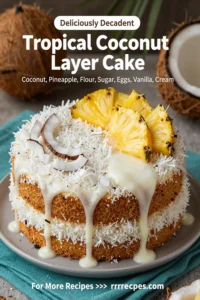
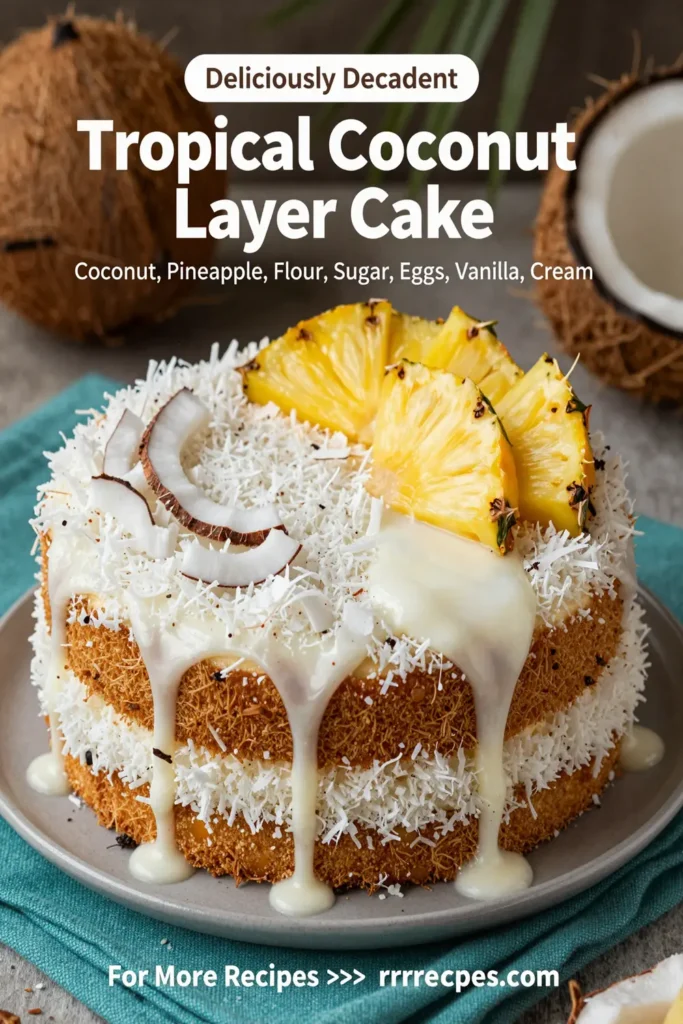
Tropical Coconut Layer Cake is a multi-layered cake that features fluffy coconut-flavored sponge cake, usually separated by rich and creamy coconut frosting. The outer layer is often adorned with shredded coconut, making it look as beautiful as it tastes. This cake embodies a tropical essence, thanks to the use of coconut milk, cream, and flakes, which create a moist and flavorful dish perfect for any occasion.
Why You’ll Love This
One of the most appealing aspects of Tropical Coconut Layer Cake is its **wonderful texture**. The lightness of the sponge layers perfectly contrasts with the creamy frosting, creating a delightful mouthfeel. Additionally, this cake is extremely versatile; whether you serve it during the summer or at holiday gatherings, it is sure to please a crowd. Its aesthetic appeal is another reason to love it; the inviting layers and the coating of coconut create a stunning centerpiece at any dessert table. Lastly, the flavors are simple yet sophisticated, allowing the taste of coconut to shine through, making it a **go-to recipe** for fans of tropical desserts.
Ingredients You’ll Need
- 3 cups all-purpose flour: Provides structure to the cake.
- 2 cups granulated sugar: Adds sweetness and helps the cake rise.
- 1 tablespoon baking powder: Acts as a leavening agent to create height.
- 1 teaspoon salt: Enhances flavors in the cake.
- 1 cup coconut milk: Adds moisture and infuses the cake with rich coconut flavor.
- 1 cup unsalted butter: Creates a rich texture and flavor.
- 5 large eggs: Binds the ingredients and adds moisture.
- 2 teaspoons vanilla extract: Enhances all the other flavors.
- 1 cup shredded coconut: Adds texture and tropical flavor for the cake layers.
- 3 cups powdered sugar: Sweetens and thickens the frosting.
- 1 cup heavy cream: Creates a rich, smooth frosting.
- 1 teaspoon coconut extract: Intensifies the coconut flavor in the frosting.
- Extra shredded coconut: For garnishing the outer layer of the cake.
[Insert Image Here]
How to Make
- Prepare your baking pans: Preheat your oven to 350°F (175°C). Grease and flour three 9-inch round cake pans. This ensures that the cakes do not stick, allowing for easy removal after baking.
- Mix the dry ingredients: In a large bowl, combine the all-purpose flour, granulated sugar, baking powder, and salt. Whisk together until well blended, ensuring that the baking powder and salt are evenly distributed throughout the flour.
- Cream the butter: In another bowl, beat the unsalted butter on medium speed until it’s light and fluffy, about 3–4 minutes. This process incorporates air into the butter, which will help the cake rise.
- Add the wet ingredients: Gradually add the eggs, one at a time, mixing well after each addition. Then add the coconut milk and vanilla extract. Mix until all are combined and the batter is smooth.
- Combine the mixtures: Slowly add the dry ingredients to the wet mixture, mixing on low speed until just combined. Be careful not to overmix, as this can make the cake dense.
- Incorporate shredded coconut: Gently fold in the shredded coconut using a spatula, ensuring that it is evenly distributed throughout the batter.
- Pour and bake: Divide the batter evenly among the prepared pans. Bake for 25–30 minutes, or until a toothpick inserted into the center comes out clean. The tops should be lightly golden.
- Cool the cakes: Once baked, remove the pans from the oven and allow the cakes to cool in the pans for about 10 minutes. Then, transfer them to a wire rack to cool completely.
- Prepare the frosting: In a bowl, combine the heavy cream, powdered sugar, and coconut extract. Beat on high speed until stiff peaks form, ensuring the frosting is fluffy and easy to spread.
- Assemble the cake: Place the first cake layer on a serving platter. Spread a generous amount of coconut frosting on top, then repeat with the second layer. Place the final layer on top and frost the entire cake, ensuring it is well covered.
- Add garnish: Press additional shredded coconut onto the outer layer of the cake for decoration, making sure to cover all sides for a beautiful finish. Chill the cake in the refrigerator for about an hour before slicing for the best clean cuts.
Variations & Substitutions
Chocolate Coconut Layer Cake: For a delicious twist, replace a portion of the all-purpose flour with cocoa powder. This will create a rich chocolate flavor that pairs beautifully with coconut. Additionally, you can use chocolate frosting for an even more indulgent experience.
Fruit-Filled Coconut Cake: Incorporate fresh tropical fruits like pineapple or mango into the layers for a burst of flavor. You can either chop the fruit finely and mix it into the frosting or create a fresh fruit filling that lies between the layers.
Gluten-Free Coconut Cake: Substitute all-purpose flour with a gluten-free flour blend that you prefer. Make sure to also check the other ingredients, like baking powder, to ensure they are gluten-free. This allows those with dietary restrictions to also enjoy this delicious cake.
Low-Sugar Version: Use a sugar substitute that measures like sugar in place of granulated and powdered sugar. This will significantly reduce the sugar content while still providing a sweet flavor. Additionally, consider using unsweetened coconut flakes for added texture.
Common Mistakes to Avoid
One common mistake is **overmixing the batter**. Overmixing can lead to a dense cake, losing that light and airy texture that makes the cake enjoyable. Always mix just until combined to ensure the best results. Another issue is **not using enough fat**; for cakes, using unsalted butter adds structure and moisture. Always ensure that you measure your ingredients correctly, using the right tools, such as a weighing scale or measuring cups.
**Ignoring cake cooling time** is another common error. It’s tempting to frost a warm cake, but a warm cake can cause the frosting to melt and slide off. Ensure the cakes are completely cooled before you start frosting. Finally, don’t forget to check the oven temperature with a thermometer to ensure it is accurate; an oven that is too hot can cause the cake to bake unevenly.
Storage, Freezing & Reheating Tips
To store your Tropical Coconut Layer Cake, place it in an airtight container in the refrigerator. It will keep well for about 4–5 days. If you’d like to freeze a cake, wrap it well in plastic wrap and then place it in a freezer-safe container. It can last in the freezer for up to 2–3 months. Always thaw the cake in the refrigerator overnight before serving.
When reheating, use a microwave-safe plate and cover the cake with a damp paper towel to prevent it from drying out. Microwave in short intervals, as you don’t want to overheat the cake. For best texture, serve the cake chilled straight from the fridge or at room temperature.
Frequently Asked Questions
Can I use fresh coconut instead of shredded coconut?
Absolutely! Fresh coconut can be a great addition. However, you’ll need to ensure that it is finely grated to mimic the texture of shredded coconut. This might slightly change the moisture content, so it’s advised to reduce other liquid ingredients accordingly. Fresh coconut adds a rich, tropical flavor that takes your cake to the next level.
How can I decorate the cake for special occasions?
Consider using edible flowers, tropical fruit slices, or chocolate curls for a beautiful decoration. You can also create a **themed design** using coconut flakes, by shaping them into palm trees or beach scenes for a tropical extravaganza. Take your time in decorating, as it adds a personal touch and elevates the overall presentation.
Is it necessary to chill the cake before serving?
Chilling your cake allows the frosting to set properly, which makes it easier to slice. Additionally, the flavors meld beautifully when it sits for a bit. If you prefer a softer, creamier frosting, you can serve it right away. However, for the best results, chilling is recommended!
Can I substitute the eggs in this recipe?
Yes, if you need an egg substitute, you can use applesauce or mashed bananas. Generally, 1/4 cup of applesauce or 1/2 a mashed banana equates to one egg. Keep in mind that this may alter the final texture slightly, but the flavors should still complement well.
What should I do if my cake domes in the oven?
A domed cake happens when the batter rises more in the center than at the edges. To avoid this, ensure that your oven temperature is correct and not too high. Additionally, using a baking strip can help promote even baking. If it does dome, you can gently level it off with a knife once it cools.
Conclusion: Tropical Coconut Layer Cake is a delightful recipe that brings the taste of the tropics straight to your kitchen. With its fluffy sponge, creamy frosting, and beautiful presentation, it’s sure to be a hit at any gathering. Enjoy the process of baking and decorating, and savor every delicious slice of this cake!