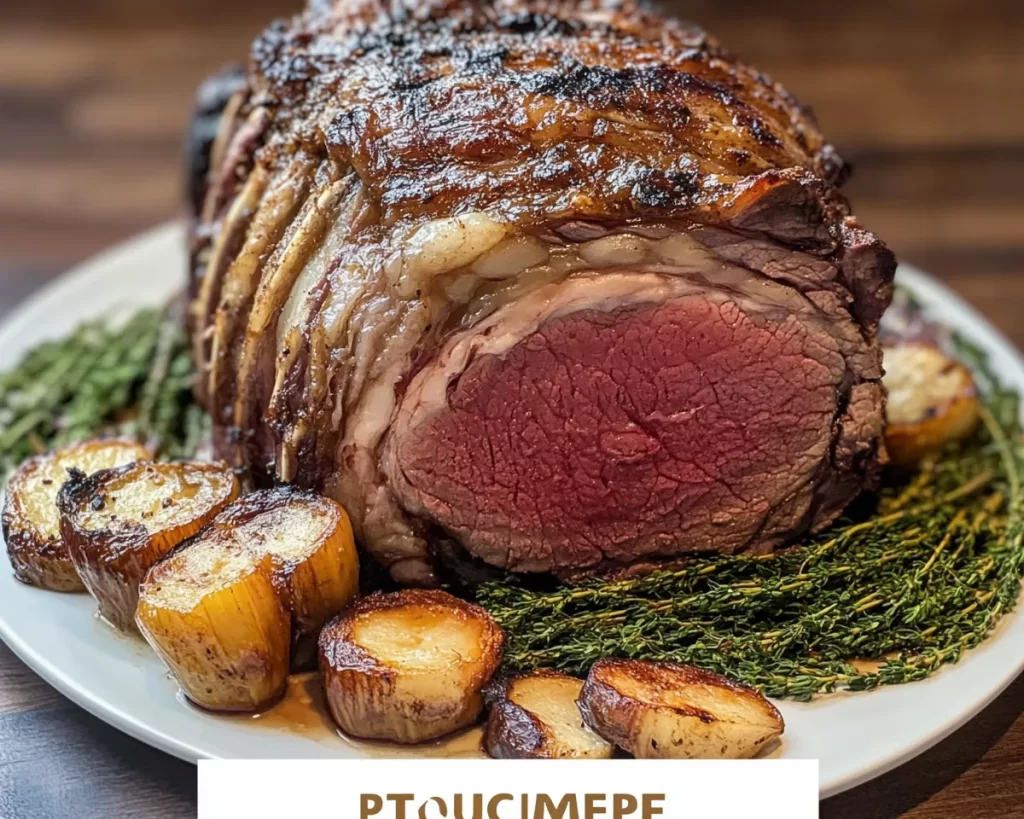
Prep time: 20 minutes
Cook time: 2 hours 15 minutes
Total time: 2 hours 35 minutes
Servings: 8-10
Imagine sitting down to a gathering with family and friends, ready to dive into a beautifully roasted prime rib. The aroma wafting through the air, a rich, savory scent that captivates everyone in the room. As you carve into the perfectly cooked beef, each slice reveals a tender, juicy interior—Pink in the middle, enveloped in a delicious crust. This is not just any dinner; this is the ultimate comfort food experience.
This recipe for the Ultimate Prime Rib Roast is truly a testament to the joys of cooking and sharing food. It combines simplicity with exquisite taste, ensuring that even those who are new to the kitchen can impress their guests. In this article, you’ll learn not just how to prepare this extraordinary dish but also tips for achieving the best results every time you serve it. Let’s embark on this culinary journey together, and who knows, this prime rib could become a cherished staple for your holiday feasts or family gatherings.
What Is The Ultimate Prime Rib Roast Recipe?
The Ultimate Prime Rib Roast is a traditional dish that has roots going back centuries, popular in festive and celebratory meals. Essentially, this cut of beef comes from the primal rib section of the animal and includes several intermuscular fat layers, which makes it exceptionally juicy and flavorful. The cooking technique involves roasting the meat low and slow, allowing the connective tissues to break down and the flavors to deepen.
When prepared correctly, the prime rib boasts a delightful contrast of textures: a crunchy, well-seasoned crust encases the tender, pink meat within. Typically served with rich gravies or sauces, the roast can be the star of any dinner table, leaving guests wanting more. As it cooks, the incredible flavors develop, along with the delightful aromas that will fill your home with warmth and nostalgia. Every bite of this perfect roast promises a soothing and satisfying experience, making it a beloved favorite among many.
Why You’ll Love This
The love for this dish is not just about sheer taste; it’s about how easily it can fit into various occasions—from casual family dinners to extravagant holiday meals. One of the greatest benefits of the Ultimate Prime Rib Roast is its ability to feed a crowd without spending hours slaving away in the kitchen. With only a handful of quality ingredients and a straightforward cooking method, you’ll find that this dish is both cost-effective and rewarding.
Many people shy away from roasting prime rib due to misconceptions that it’s overly complicated or requires advanced cooking skills. On the contrary, with the right preparation and attention to detail, even beginner cooks can serve a moist and flavorful roast. Similar to cooking a steak but on a larger scale, this recipe encourages you to embrace the art of cooking with love, and the results will certainly impress both you and your guests.
Ingredients You’ll Need
- Prime rib roast (about 4-6 pounds): This is the star ingredient that gives the dish its name and character. Look for well-marbled cuts for the richest flavor.
- Salt: Essential for seasoning the meat and enhancing the flavors. Kosher salt is commonly recommended for its size and texture.
- Black pepper: Freshly ground for optimal flavor, it works to balance the richness of the beef.
- Garlic: Adds depth and aroma. Fresh minced garlic or garlic powder can both be used.
- Herbs (such as thyme and rosemary): Fresh or dried, these herbs impart a lovely earthiness and enhance the overall flavor profile.
- Olive oil: Used for rubbing onto the surface of the meat to help the seasonings adhere and create a crispy crust.
- Beef broth: Optional, for making a delicious gravy or adding moisture during cooking.
Each ingredient plays a pivotal role in elevating the flavors of your prime rib roast. For instance, if fresh garlic isn’t available, you can easily substitute it with garlic powder. Similarly, if you don’t have thyme, consider using sage or a mix of other herbs that you enjoy. Being flexible with ingredients helps you create the roast that suits your taste best.
How to Make
1. **Selecting the Roast:** Begin by choosing a high-quality prime rib roast. The size should be about 1 pound per person for a well-portioned meal. Let the roast sit at room temperature for about an hour before cooking. This step ensures even cooking throughout.
2. **Prepping the Roast:** Preheat your oven to 450°F (230°C). As the oven heats up, pat the roast dry with paper towels to remove excess moisture. This step is crucial for achieving a beautifully browned crust.
3. **Seasoning:** In a bowl, mix togetherkosher salt, freshly cracked black pepper, minced garlic, chopped fresh herbs, and olive oil until well combined. Rub this mixture generously all over the prime rib, ensuring every nook and cranny is covered. Don’t be shy—this is the layer of flavor that will form a delicious crust.
4. **Roasting:** Place your seasoned prime rib with the bone side down in a roasting pan. Roast it at the high temperature for about 20 minutes. This initial blast of heat will help develop a rich crust. Afterward, lower the temperature to 325°F (163°C) and continue to roast for another 1.5 to 2 hours. Use a meat thermometer to check the internal temperature—aim for 130°F (54°C) for medium-rare.
5. **Resting Period:** Once the desired temperature is reached, remove the roast from the oven and tent it loosely with aluminum foil. Allow it to rest for at least 20 minutes before carving. Resting is vital as it lets the juices redistribute, ensuring each slice is succulent and moist.
6. **Carving and Serving:** Finally, carve the prime rib into thick slices, cutting against the grain to ensure tenderness. Serve immediately with your favorite sides and a savory gravy, if desired. The moment you serve it, watch as your guests savor every bite and rave about the incredible flavor.
Variations & Substitutions
Herb-Crusted Variation: If you want to ramp up the flavor a notch, consider making an herb crust. Instead of just using salt and pepper for seasoning, increase the amount of fresh herbs like thyme, rosemary, and even parsley. Add some Dijon mustard or a touch of horseradish to the herb mix to create an extra layer of complexity. This variation is perfect for those who love vibrant flavors and want a little more than the classic preparation.
Garlic Butter Prime Rib: For a more decadent twist, prepare a garlic butter mixture using softened butter, minced garlic, and herbs. Spread this all over the prime rib, allowing the flavors to seep into the meat as it cooks. The result is a melt-in-your-mouth roast with buttery goodness at every bite, a luxurious option for special occasions.
Smoked Prime Rib: If you own a smoker, consider taking your prime rib experience up a notch by smoking it instead of roasting. Use your choice of wood chips—hickory or cherry works well—adding a unique smoky flavor to the beef that is unlike anything else. Ensure that you still follow the resting and temperature steps, aiming for a delicate balance between smoke and beef flavor.
Spicy Prime Rib: If you love some heat, incorporate spices like cayenne pepper or smoked paprika into your seasoning mix. A little bit of chili powder can also elevate the taste and transform the dish into something exciting and new for spice lovers.
Common Mistakes to Avoid
One of the most frequent mistakes people make when cooking a prime rib is not allowing it to come to room temperature before roasting. Starting with a cold roast can lead to uneven cooking, resulting in a tough exterior and undercooked center. Always let your roast sit for at least an hour before cooking.
Another common error is not using a meat thermometer. This tool is vital for achieving the perfect doneness. An undercooked roast can leave your guests disappointed, while overcooking results in a dry meal. Invest in a reliable instant-read thermometer for stress-free cooking.
Lastly, cutting the prime rib too soon is a misstep that can ruin your meal. The resting period is crucial for the juices to settle back into the meat, so don’t skip it! If you carve too early, your roast will lose moisture, making it dry and less enjoyable.
Storage, Freezing & Reheating Tips
If you happen to have leftover prime rib, you’re in for a treat! Proper storage is key to maintaining its juicy texture. Wrap the entire roast or sliced pieces in plastic wrap, followed by aluminum foil, and store it in the refrigerator. It should stay fresh for about 3 to 5 days.
For longer storage, you can freeze the prime rib. Make sure it’s tightly wrapped and placed in a high-quality freezer bag to avoid freezer burn. It can last up to three months in the freezer without losing its flavor. When you’re ready to eat, thaw it overnight in the refrigerator.
When reheating, aim for the lowest heat possible to keep the meat tender and juicy. A quick way to do this is by placing slices in a covered skillet over low heat or in the oven at a low temperature (250°F or about 120°C), just until warmed through. You can add a splash of broth to the pan to keep the moisture locked in.
Frequently Asked Questions
What size prime rib roast should I buy?
Choosing the right size for your prime rib roast generally hinges on how many people you’re serving. A good rule of thumb is to allocate around 1 pound of meat per person. This size ensures enough portions plus a little extra for those who might want seconds. A roast that weighs around 4 to 6 pounds is ideal for a gathering of 8-10 people.
How do I know when my prime rib is done?
The best way to ascertain the doneness of your prime rib is by using an instant-read meat thermometer. For medium-rare, you want the internal temperature to reach around 130°F (54°C). Remember, the roast will continue to cook even after being removed from the oven due to carryover cooking. If you prefer it cooked to medium, wait for 140°F (60°C).
Can I cook prime rib in a slow cooker?
While traditionally prime rib is roasted in the oven, it is possible to cook it in a slow cooker, although the texture may differ. For the best results, sear the meat first, then place it in the slow cooker with aromatics and broth. Cook on low for several hours until it reaches the desired temperature, keeping in mind that the method may not yield the same crust.
What is the best way to serve prime rib?
Prime rib is often served thickly sliced, accompanied by classic sides like creamy mashed potatoes, fresh green beans, or lightly roasted vegetables. You can also create a delicious au jus by using the drippings from the roast, which adds another layer of flavor and moisture. Additionally, providing horseradish sauce on the side can complement the rich flavor of the beef beautifully.
Can I season the roast overnight?
Absolutely! In fact, seasoning your prime rib roast the night before is a fantastic idea that enhances its flavors. Rub your chosen seasoning all over the roast, wrap it tightly, and leave it in the fridge overnight. This allows the salt and herbs to penetrate the meat more deeply, resulting in a more flavorful roast.
Conclusion:
The Ultimate Prime Rib Roast is not just a meal; it’s an experience that can elevate any gathering, providing warmth and indulgence with each bite. With the easy-to-follow steps, variations, and tips shared in this article, you’re well-equipped to tackle this culinary masterpiece with confidence. Whether it’s for special occasions or a comforting family dinner, this prime rib will surely become a staple in your repertoire. Embrace the joy of cooking and create unforgettable memories around the dinner table. Don’t hesitate to make it your own or share your experiences with others. Happy cooking!