Prep time: 10 minutes
Cook time: 25 minutes
Total time: 35 minutes
Servings: 4 servings
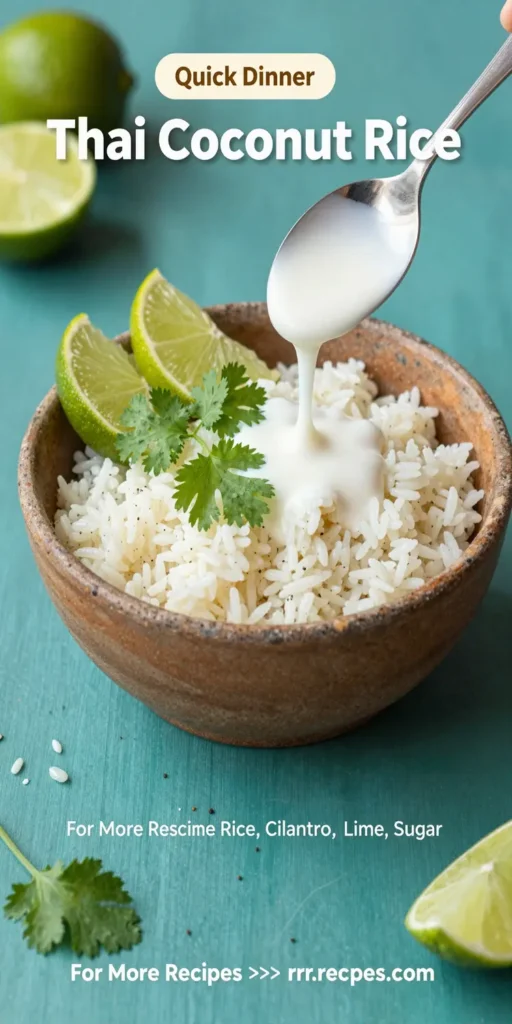
Thai Coconut Rice is a delightful dish that brings a little piece of Thailand into your home kitchen. It’s creamy, aromatic, and pairs perfectly with a variety of main dishes, be it spicy curries or grilled meats. Not only is it simple to prepare, but this dish also impresses your guests with its exotic flavors and beautiful presentation. Perfect for busy parents or anyone looking to elevate their meal prep, Thai Coconut Rice is sure to become a staple in your culinary repertoire.
What Is Thai Coconut Rice?
Thai Coconut Rice is a traditional rice dish made by cooking jasmine rice in coconut milk, creating a rich and creamy texture that is both comforting and indulgent. The coconut milk infuses the rice with a slightly sweet and nutty flavor, making it a fantastic base for many Thai dishes. This rice is distinctly softer and more flavorful than plain white rice, bringing an exotic twist to your meals.
Why You’ll Love This
There are several reasons why Thai Coconut Rice will become a favorite in your home. First, it’s incredibly *versatile*; you can serve it alongside a variety of dishes, from Thai curry to grilled chicken or steamed vegetables. The creamy texture adds a wonderful depth of flavor that elevates any meal. Second, it requires minimal ingredients and is very easy to prepare, making it perfect for weeknight dinners or special occasions. Lastly, the aroma of coconut while it cooks can transport you to a tropical paradise, making cooking feel more like an enjoyable experience than a chore.
Ingredients You’ll Need
- 2 cups jasmine rice: This aromatic rice is key to achieving the authentic flavor and fragrance of Thai Coconut Rice. It cooks up light and fluffy.
- 1 can (13.5 oz) coconut milk: This rich coconut milk will infuse the rice with creaminess and sweetness, making it the star of the dish.
- 1 cup water: Helps to balance the richness of the coconut milk, ensuring even cooking and hydration of the rice.
- 2 tablespoons sugar: Adds a subtle sweetness to complement the coconut and enhance the overall flavor.
- ½ teaspoon salt: Balances the sweetness and enhances the flavors of the rice.
How to Make
- Rinse the rice: Start by rinsing the jasmine rice under cold water until the water runs clear. This process removes excess starch and helps in making each grain separate, ensuring a fluffy texture when cooked.
- Combine ingredients: In a large saucepan, combine the rinsed rice, coconut milk, water, sugar, and salt. Stir gently to blend the ingredients without breaking the rice grains.
- Cook the rice: Bring the mixture to a gentle boil over medium heat. Once it reaches a boil, reduce the heat to low, cover the pan, and let it simmer for about 18-20 minutes or until the liquid is absorbed and the rice is tender.
- Let it rest: After cooking, remove the saucepan from heat but keep it covered for an additional 5-10 minutes. This resting period allows the rice to finish steaming and helps develop its flavor.\
- Fluff and serve: Finally, use a fork or rice paddle to fluff the rice gently. Be careful not to mash the grains. Serve warm alongside your favorite dishes and enjoy the explosion of flavor in each bite.
Variations & Substitutions
Coconut Lime Rice: For a zesty twist, add the zest and juice of one lime to the coconut milk mixture. This variation infuses a fresh citrus flavor that pairs excellently with grilled seafood or chicken. The acidity cuts through the richness of the coconut, adding brightness to the dish.
Thai Sticky Rice: To make sticky rice, use glutinous rice instead of jasmine rice. Soak the glutinous rice for at least 4 hours or overnight, then steam it in a bamboo steamer lined with cheesecloth until tender. This stickier texture is perfect for dipping into sauces and curries.
Vegetable Coconut Rice: Incorporate finely chopped vegetables like bell peppers, peas, or carrots into the rice while it cooks. This not only adds color but also boosts the nutritional value and flavor. Remember to adjust the cooking time slightly based on the vegetables you choose.
Common Mistakes to Avoid
When making Thai Coconut Rice, one common mistake is using plain water instead of combining it with coconut milk. This can lead to a bland flavor. Always ensure you adjust the ratio of liquid to rice appropriately. Another error is not rinsing the rice. Skipping this step can yield a sticky and clumpy rice meal. Finally, avoid lifting the lid while the rice is cooking as it releases steam, which is essential for properly cooking the rice.
Storage, Freezing & Reheating Tips
To properly store Thai Coconut Rice, let it cool to room temperature before transferring it to an airtight container. You can store it in the refrigerator for up to 5 days. When reheating, add a splash of water or coconut milk to the rice and cover it to prevent it from drying out. You can also freeze the rice for up to three months, but it’s best to portion it into smaller containers for easier defrosting. When ready to use, simply reheat on the stovetop or microwave until warmed through, adding a little more liquid if necessary to regain creaminess.
Frequently Asked Questions
Can I use brown rice instead?
Yes, you can use brown rice, but you’ll need to adjust the cooking time and liquid ratio. Brown rice typically takes longer to cook (about 45-50 minutes) and usually requires more liquid. Use a 2:1 ratio of liquid to brown rice to ensure it’s fully cooked and flavorful.
What can I serve with Thai Coconut Rice?
Thai Coconut Rice pairs beautifully with a wide variety of dishes. It complements spicy Thai curries, grilled meats, or seafood dishes excellently. You can also serve it with stir-fried vegetables for a well-rounded meal.
Is Thai Coconut Rice gluten-free?
Yes, Thai Coconut Rice is naturally gluten-free, making it a great option for those with gluten sensitivities. Just ensure that any accompanying sauces are also gluten-free.
How can I make my rice extra creamy?
For an extra creamy texture, consider increasing the amount of coconut milk to rice. Start with a 1:1.5 ratio of rice to coconut milk, but be careful not to exceed the cooking liquid to avoid boiling over.
Conclusion:
In summary, Thai Coconut Rice is a delightful and elevating addition to any meal. It’s not just simple to make but also wonderfully versatile and packed with flavor. The creamy texture and aromatic fragrance will have everyone at your table asking for more. Whether you’re a busy parent or someone just starting their culinary journey, this recipe will surely make your cooking experience enjoyable and delicious. Don’t hesitate to get creative with the variations, and enjoy the exotic tastes of Thailand right in your kitchen.