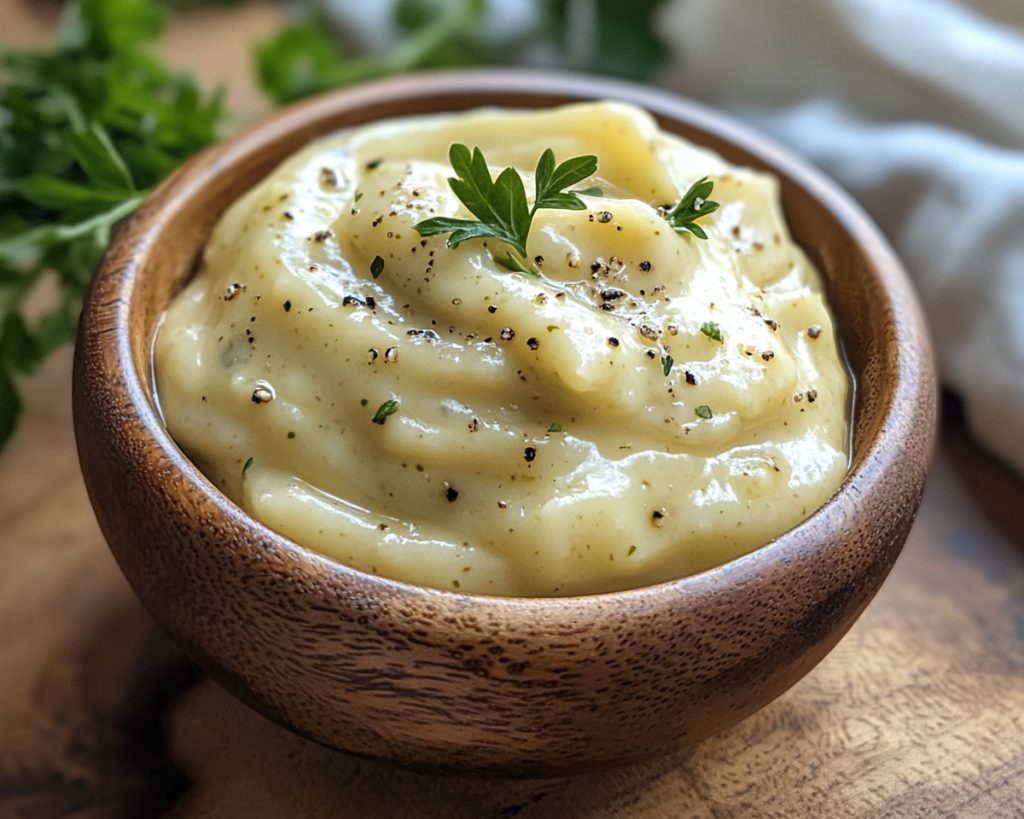
Are you craving the perfect condiment that elevates your seafood dishes to a whole new level? Look no further than classic tartar sauce. This creamy, tangy condiment is not only a delightful pairing for fried fish and seafood, but it also serves as a versatile dressing for sandwiches, vegetables, and even as a dip for fries! Let’s delve deep into what tartar sauce truly is, why you’ll love it, and how to whip up your very own batch in the comfort of your kitchen.
What Is Tartar Sauce?
Tartar sauce originated as a French condiment known as *sauce tartare*. It’s a creamy mixture primarily made from mayonnaise and flavored with various ingredients, adding a unique kick to your favorite dishes. Traditionally, tartar sauce includes ingredients like dill pickles, capers, lemon juice, and herbs, which combine to create a flavorful balance of creamy richness and zesty brightness.
The texture of a well-made tartar sauce is thick and smooth, providing a satisfying feel when paired with crispy fried foods. Its flavor profile is usually described as tangy, slightly sweet, and incredibly savory, thanks to the pickles and herbs, which are essential elements that bring the sauce alive. When you take a bite that involves tartar sauce, you’ll experience a delightful contrast of creamy and zesty notes that perfectly complement seafood dishes like crispy battered fish, calamari, or even crab cakes.
Why You’ll Love This Tartar Sauce Recipe
There are countless reasons why this classic tartar sauce will quickly become a staple in your kitchen. Here are a few benefits:
1. **Taste**: The balance of flavors from the pickles, capers, and seasonings creates a harmony that elevates any dish it’s paired with. The freshness of lemon juice offsets the creaminess of mayonnaise, making it an irresistible addition to your food.
2. **Ease of Preparation**: This recipe is incredibly straightforward and doesn’t require culinary skills. With just a few ingredients and a little stirring, you have a fantastic homemade condiment ready to go.
3. **Cost-Effective**: Making your own tartar sauce at home is far cheaper than buying a pre-made version or those tiny jars from the store. Plus, you’ll have control over the flavor and ingredients, ensuring you tailor it to your preferences.
4. **Versatility**: While traditionally served with seafood, tartar sauce shines as a dip for raw veggies, a spread for sandwiches, or even drizzled on crispy potatoes. Its numerous uses make it a must-have condiment.
5. **Healthier Option**: Homemade tartar sauce allows you to control the ingredients, meaning you can adjust the fat content, sweetness, and even opt for organic or more wholesome ingredients if desired.
Remember, while tartar sauce is often associated with seafood, there’s no need to restrict it to just fish! This condiment can unleash a world of flavors in a variety of dishes, making it a fantastic addition to your culinary repertoire.
Ingredients You’ll Need
To prepare this classic tartar sauce, gather the following ingredients:
– **1 cup mayonnaise**: Serves as the base of the tartar sauce, adding creaminess. You can also use Greek yogurt for a lighter version.
– **2 tablespoons pickle relish**: Adds sweetness and crunch; sweet relish is typical, but dill relish can be used for a tangier flavor.
– **1 teaspoon Dijon mustard**: Offers a subtle heat and enhances the flavor complexity.
– **1 tablespoon lemon juice**: Provides a zesty brightness to balance the richness of the mayonnaise.
– **1 tablespoon capers, drained and chopped**: Introduces a briny element that adds depth to the sauce.
– **Salt and pepper**: Season to taste for the best flavor.
– **1 tablespoon fresh dill or parsley, chopped**: Fresh herbs bring brightness and additional flavor notes.
Feel free to customize the ingredients to suit your taste! The base of mayonnaise can be adjusted, and you could even play around with sweeter or spicier notes based on your preferences with different relishes or mustards.
How to Make Tartar Sauce
Ready to whip up your own batch of divine tartar sauce? Follow these simple steps:
1. **Gather Your Ingredients**: Start by measuring out all the ingredients. Having everything ready will make the process smoother.
2. **Combine the Base**: In a medium-sized mixing bowl, add 1 cup of mayonnaise. You can opt for store-bought or homemade mayonnaise if you’re feeling adventurous.
3. **Add Flavorings**: Stir in the 2 tablespoons of pickle relish and 1 teaspoon of Dijon mustard. The relish imparts sweetness, while the mustard adds a lovely bite.
4. **Incorporate Acidity**: Pour in the tablespoon of lemon juice and mix well. This is essential for bringing brightness to the sauce and cutting through the creaminess.
5. **Mix in Capers and Herbs**: Add the chopped capers and your choice of fresh herb, either dill or parsley. Both options will significantly enhance the flavor of your sauce. Stir until everything is evenly combined.
6. **Season Your Sauce**: Lastly, sprinkle salt and pepper according to your preference. Start with a small pinch, taste, and then adjust as needed. This final seasoning really brings all the flavors to life.
7. **Taste and Adjust**: Don’t hesitate to sample your tartar sauce! If you feel it needs more acidity, add an extra dash of lemon juice. Alternatively, if you desire more sweetness, you can add a touch more relish.
8. **Refrigerate**: For optimal flavor, cover the sauce and let it sit in the refrigerator for at least 30 minutes before use. This allows the flavors to meld and develop, resulting in a deliciously rich tartar sauce.
Congratulations! You’ve just made your own tartar sauce. Serve it alongside your favorite seafood dishes or keep it handy for your snacks!
5 Variations & Substitutions
1. **Spicy Tartar Sauce**: For those who enjoy a kick, try adding a dash of hot sauce or a teaspoon of sriracha. This variation gives the tartar sauce a delightful heat that pairs excellently with fried calamari or shrimp.
2. **Avocado Tartar Sauce**: Swap out half of the mayonnaise for mashed avocado. This adaptation not only introduces a creamy element but also increases the healthy fats and adds an appealing green color. Avocado-based tartar sauce is fantastic with grilled fish.
3. **Herbed Tartar Sauce**: Instead of just dill or parsley, add in a mix of fresh herbs like chives, tarragon, or cilantro. Experimenting with different herbs can create a fresh flavor burst, making it particularly tasty with white fish.
4. **Caper-less Tartar Sauce**: If you’re not fond of capers, simply omit them and add a little more relish or finely chopped pickles for crunch. You could also incorporate some finely chopped green olives for an interesting twist.
5. **Vegan Tartar Sauce**: Replace mayonnaise with a plant-based alternative, such as cashew cream or store-bought vegan mayo. This version is perfect for those following a vegan diet but doesn’t skimp on flavor.
Each of these variations adds a unique twist on the classic recipe, so you can keep tartar sauce exciting with each serving!
Common Mistakes to Avoid
In the pursuit of creating the perfect tartar sauce, it’s easy to encounter a few pitfalls. Here are common mistakes to watch out for, along with their solutions:
1. **Over-Seasoning**: One common mishap is overdoing it with the salt and pepper. Remember, you can always add more, but you can’t take it out! Start with a small amount, taste it, and then adjust as necessary.
2. **Bland Flavor**: If your tartar sauce tastes a bit flat, it likely needs more acidity. Adding a little extra lemon juice or even a splash of vinegar can brighten the flavors tremendously, elevating the overall taste.
3. **Inconsistent Texture**: To achieve a creamy and cohesive sauce, ensure that you mix all ingredients thoroughly. If you notice lumps from capers or herbs, simply continue stirring to integrate everything evenly.
4. **Improper Refrigeration**: Failing to chill your tartar sauce can lead to a less harmonious flavor. Allow the sauce to rest in the fridge for at least 30 minutes after making it. This rest period is crucial for the flavors to meld!
5. **Skipping the Tasting Step**: Don’t skip the tasting part! This step allows you to adjust any flavors to your liking. Plus, it’s an excellent chance to make sure you’re satisfied before serving to others.
By being mindful of these mistakes, you’ll ensure that each batch of tartar sauce you create is absolutely delicious!
Storage, Freezing & Reheating Tips
When it comes to storing your homemade tartar sauce, it’s relatively easy! Here’s what you need to know:
– **Storage**: Keep your tartar sauce in an airtight container in the refrigerator. It can typically last for about 1 week, thanks to the preservatives in mayonnaise and the acidity from lemon juice. Ensure you always use clean utensils to scoop out your sauce to prevent contamination.
– **Freezing**: While it is possible to freeze tartar sauce, it may change in texture and become watery once thawed. If you want to freeze it, place it in a freezer-safe container and add a note with the date. Consume it within one month for the best quality.
– **Reheating**: There’s generally no need to reheat tartar sauce, and you should avoid doing so. Simply take it out of the fridge and give it a good stir before serving. If it seems too thick after refrigeration, you can mix in a small amount of water or lemon juice to achieve your desired consistency.
Storing and reheating these tips will ensure that your tartar sauce remains delightful and safe to enjoy!
Frequently Asked Questions
1. **Can I use store-bought mayonnaise?**
Absolutely! Using store-bought mayonnaise is a convenient option for making tartar sauce. Just choose a mayonnaise you enjoy, whether that’s classic, organic, or a light version, as it will serve as the base for your sauce.
2. **What can I serve tartar sauce with?**
Tartar sauce is traditionally paired with fried fish, shrimp, and crab cakes. However, it’s also a delicious addition to sandwiches, burgers, and even as a veggie dip. Get creative and try it with anything you enjoy!
3. **Can I make tartar sauce ahead of time?**
Yes, making tartar sauce ahead of time is a great idea! It actually tastes better after sitting in the fridge for a while. Make it a day before your special meal for the best flavor blend.
4. **How can I adjust the tanginess of my tartar sauce?**
To adjust the tanginess, you can modify the amount of lemon juice and mustard in the recipe. For a milder version, use less lemon juice, or experiment with different types of mustard to find your preferred taste.
5. **Is it possible to make tartar sauce without mayonnaise?**
Yes! You can create a tartar sauce substitute using Greek yogurt, sour cream, or even a mixture of avocado and lemon juice for a healthier twist. Each of these options will yield a different flavor profile.
In conclusion, this classic tartar sauce recipe is a versatile, easy-to-make condiment that will enhance your meals and impress your guests. With its creamy texture and zesty flavor, it’s sure to become a favorite at your dining table. Don’t be afraid to try different variations and make it your own. Challenge yourself to use it in various dishes, and share your culinary adventures with friends and family!
Now, it’s your turn to take this recipe for a spin. Gather your ingredients, whip up a batch, and experience the deliciousness for yourself! Happy cooking!
[Read also: Easy Seafood Recipes for Beginners]