Prep time: 15 minutes
Cook time: 20 minutes
Total time: 35 minutes
Servings: 4
Spring Veggie Pasta is a delightful way to embrace the vibrant flavors of the season. As the weather warms and fresh produce begins to flourish, this dish allows you to celebrate those ingredients in a satisfying and nourishing way. Combining the crispness of seasonal vegetables with the subtle charm of pasta, this recipe caters to various dietary preferences while remaining easy to prepare. Whether you’re a busy parent looking for quick meals, a kitchen novice exploring new finds, or someone keen on healthy eating, this pasta is designed just for you!
What Is Spring Veggie Pasta: 5 Fresh Ways to Celebrate Spring Flavors?
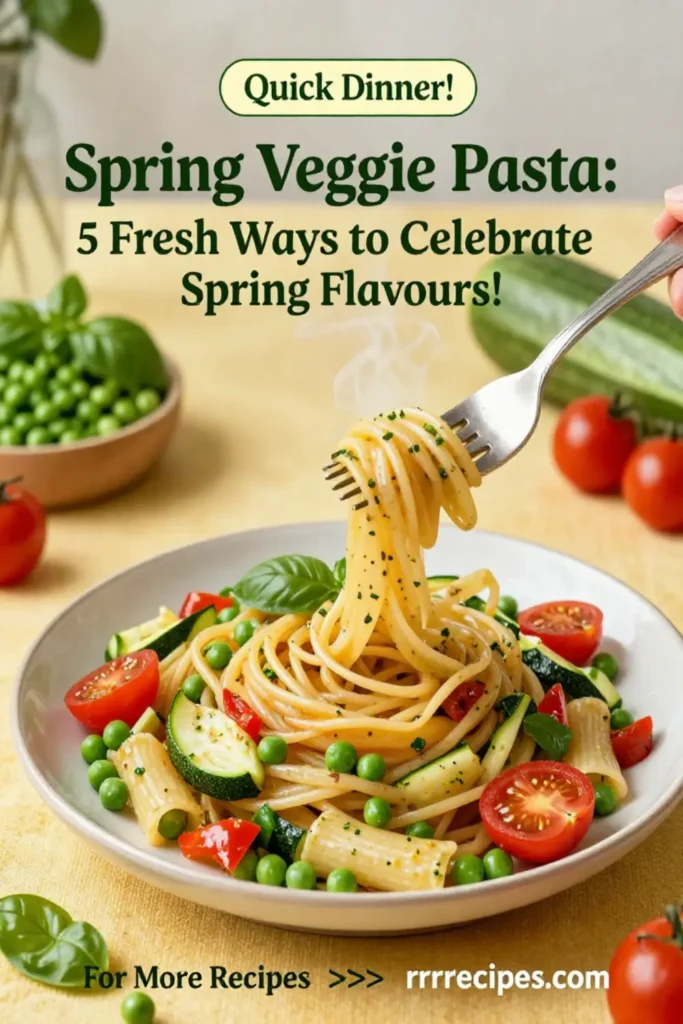
Spring Veggie Pasta is essentially a colorful medley of seasonal vegetables tossed with pasta, drizzled with olive oil, and accented with herbs. The beauty of this dish lies in its versatility—you can choose your favorite vegetables, adjust the flavors, and play with different types of pasta. The infusion of vibrant colors not only makes the dish visually appealing but also packs a nutritional punch, offering a range of vitamins and minerals vital for your health.
Why You’ll Love This
This dish is perfect for celebrating spring for several reasons. Firstly, it incorporates an array of **fresh ingredients**, allowing for **seasonal variety** that ensures you’ll never grow tired of it. Secondly, it’s incredibly quick to prepare, making it perfect for those busy weeknights. You’ll also find its lightness refreshing, making it an ideal pick for lighter meals. Using whole wheat or gluten-free pasta can cater to various dietary needs without sacrificing flavor.
Ingredients You’ll Need
- Pasta (300g): Use any type you prefer, such as spaghetti, penne, or whole grain. The pasta acts as the base of the dish.
- Asparagus (200g): These tender spears add a crisp texture and vibrant color, perfect for spring.
- Cherry tomatoes (250g): Sweet and juicy, they enhance the flavor profile of the pasta.
- Bell peppers (2 medium): Any color will do! They offer a crunch that balances the softness of the pasta.
- Zucchini (1 medium): This adds a mild flavor and pairs beautifully with other veggies.
- Garlic (3 cloves): Freshly minced garlic infuses the dish with aromatic flavor.
- Olive oil (3 tbsp): A key ingredient for sautéing and flavoring the pasta.
- Parmesan cheese (50g): Grated cheese to sprinkle on top, enriching the dish’s taste.
- Fresh basil (a handful): Chopped for garnishing, bringing a delightful freshness.
- Salt and pepper: To taste, ensuring all flavors are balanced.

How to Make
- Begin by boiling a large pot of salted water. Add the pasta and cook according to package instructions until al dente. Make sure the pasta retains a slight firmness, enhancing the dish’s texture. Drain and set aside.
- In a large skillet, heat the olive oil over medium heat. Add the minced garlic and sauté until fragrant, approximately 1 minute. This step allows the garlic to infuse the oil with flavor, creating a savory base.
- Introduce the asparagus and bell peppers to the skillet. Sauté for about 3–4 minutes until they start to tenderize but retain their crunch. This method ensures that the veggies offer texture contrasts when mixed with the pasta.
- Next, add the cherry tomatoes and zucchini, continuing to cook for an additional 3–4 minutes. The tomatoes should soften slightly and release their juices, enhancing the dish’s overall flavor.
- Combine the cooked pasta with the sautéed vegetables in the skillet. Toss everything together, incorporating the flavors well. It would be best if you noticed the vibrant colors melding together beautifully.
- Finally, season with salt, pepper, and sprinkle on the grated Parmesan cheese. Toss once more before serving, allowing the cheese to melt slightly into the hot pasta. Serve garnished with fresh basil for added zest.
Variations & Substitutions
Swap Pasta Type: For a different base, swap traditional pasta for whole grain or gluten-free options like chickpea pasta or zoodles. Each choice offers different textures and flavors. Whole grain adds nuttiness, while zoodles provide freshness and a low-carb option.
Vegan Option: If you’re adhering to a plant-based diet, simply omit the Parmesan cheese. Nutritional yeast can serve as an excellent substitute, adding a cheesy flavor without the dairy. Additionally, consider incorporating tofu or tempeh for protein.
Protein Additions: To make this dish heartier, consider adding grilled chicken, shrimp, or chickpeas. These options not only increase protein content but also enhance the taste profile of your pasta.
Seasonal Herbs: Experiment with other herbs like thyme, oregano, or parsley. Each herb can bring its unique flavor, altering the entire essence of the dish while complimenting spring vegetables.
Spice It Up: For those who enjoy a little heat, add red pepper flakes or a dash of hot sauce. The subtle spice can elevate the flavors without overpowering the freshness of the dish.
Common Mistakes to Avoid
One common mistake is overcooking the pasta. Ensuring that the pasta is al dente not only enhances the texture but also prevents it from becoming mushy when mixed with the sautéed vegetables. Overcooked pasta will yield a sticky, unpleasant consistency.
Another issue is not seasoning the vegetables adequately. Sautéing vegetables should always involve **proper seasoning** to enhance flavors. Skipping salt and pepper during cooking can lead to bland results.
Lastly, neglecting to reserve pasta water can hinder your dish’s consistency. A small amount of pasta water can help bind sauces and enhance creaminess. Not using reserved water can create a dry dish.
Storage, Freezing & Reheating Tips
When it comes to storing leftovers, ensure that the pasta is cooled completely before transferring it to an airtight container. Keep it in the refrigerator for up to 3 days. For those who prefer to freeze it, be aware that the texture might change upon reheating, but it remains a viable option for meal prep. Store in freezer-safe containers for up to 3 months.
When reheating, avoid using the microwave as it can make the pasta rubbery. Instead, warm it up on the stove over low heat, adding a splash of olive oil or a bit of reserved pasta water. This technique helps restore moisture, maintaining the dish’s delightful consistency.
Frequently Asked Questions
Can I add different vegetables? Absolutely! Spring Veggie Pasta is about flexibility. Feel free to incorporate any seasonal vegetables you choose, such as peas, carrots, or even spinach. Each vegetable brings a unique texture and flavor that can transform your pasta into a new culinary experience.
How can I make this dish gluten-free? To make this meal gluten-free, substitute regular pasta with gluten-free options, available in various grains such as brown rice or quinoa. Ensure to check the ingredients, as some gluten-free pastas may contain additional additives.
What can I serve with Spring Veggie Pasta? This pasta dish pairs beautifully with a fresh garden salad, garlic bread, or even roasted vegetables. You can also serve it alongside grilled meats or seafood for those seeking heartier meal options.
Is it possible to prepare this dish in advance? Yes, you can prepare it ahead of time! Just make sure to store the pasta and vegetables separately until right before serving to prevent sogginess. Reheating can bring back the lovely flavor of the ingredients.
Can I make this in large batches for meal prep? Certainly! This recipe is perfect for meal prep since it stores well. You can create multiple servings and store them in individual containers for quick, easy meals throughout the week.
Conclusion: Spring Veggie Pasta is not just a meal; it’s an experience. The vibrant flavors and textures of seasonal vegetables tossed with your favorite pasta can brighten any mealtime. With endless variations, you’ll surely find a version that fits your taste buds and satisfies your cravings. Enjoy experimenting and creating delightful meals that celebrate this beautiful season!