Prep time: 15 minutes
Cook time: 30 minutes
Total time: 45 minutes
Servings: 6 servings
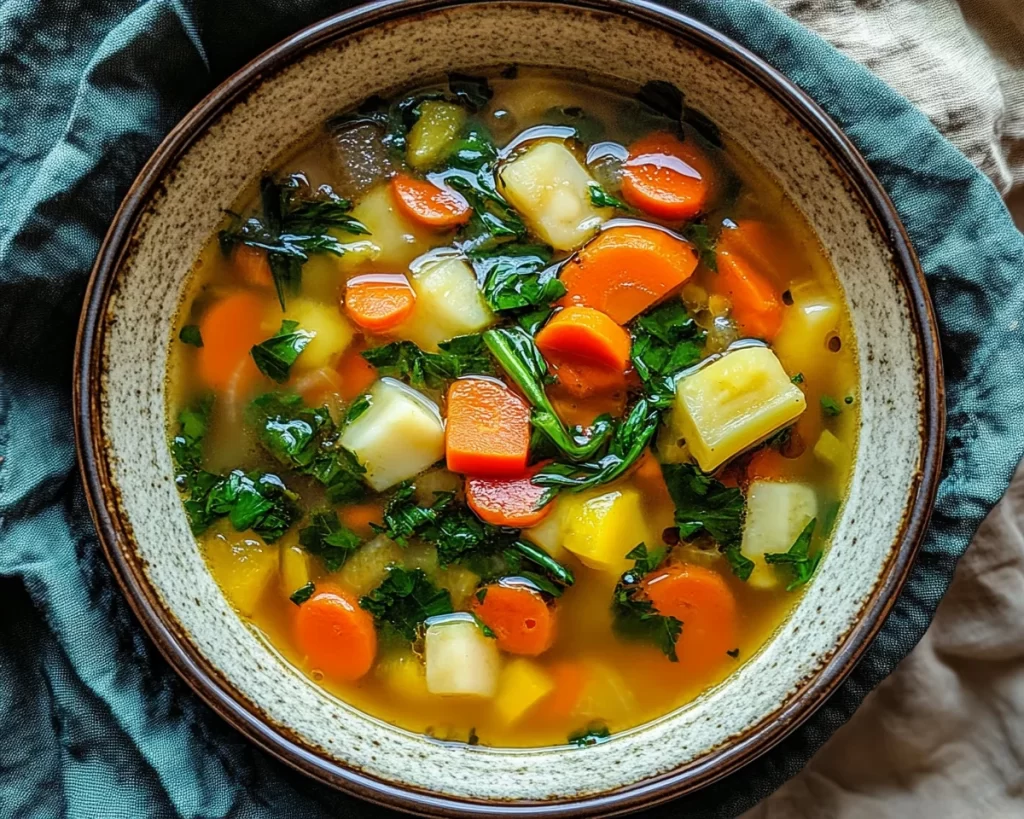
Indulging in a delicious bowl of soup on a sunny spring day can awaken your senses as the flavors of the season burst forth in every spoonful. Spring Vegetable Soup is a delightful dish that embodies the fresh, vibrant ingredients that define this time of year. Imagine a soothing blend of bright vegetables simmering together, creating a savory broth that warms your soul while invigorating your palate. This recipe is special because it celebrates the produce of the season, ensuring that every bite is jam-packed with flavor and nutrients.
In this article, you will learn how to make a light yet satisfying Spring Vegetable Soup that is perfect for families, busy parents on a budget, or anyone searching for a quick and healthy meal option. With simple, easy-to-follow steps, tips for customizing your soup, and delightful variations, you’ll be equipped to whip up this dish with confidence. Let’s dive into why you will absolutely love this recipe.
What Is Spring Soup: Spring Vegetable Soup (Light)?
Spring Vegetable Soup is a vibrant dish that showcases the freshness of seasonal vegetables, highlighting the beauty and flavors of spring. Typically composed of ingredients such as carrots, peas, asparagus, and leafy greens, this soup is designed to be light yet filling. It embodies a comforting texture while still being a health-conscious choice, making it perfect for those seeking nutritious options without sacrificing flavor.
Originating from a variety of culinary traditions, this soup can vary significantly in preparation styles, reflecting the freshness of garden produce that is becoming available during the spring months. You will often find it thickened with pureed beans or lentils, giving it a hearty bite while keeping it light. The flavor is a delicate balance of sweet and savory, with herbal notes from fresh herbs like thyme and basil, creating a delightful experience in each bowl.
The beauty of Spring Vegetable Soup lies not just in its taste, but in its versatility. It can be adapted based on the vegetables available in your pantry or local market, making it a fantastic choice for resourceful home cooks. Whether you’re serving it as an appetizer, a light meal, or even a main dish, this soup caters to all occasions and dietary preferences.
Why You’ll Love This
This Spring Vegetable Soup is beloved not just for its seasonal ingredients, but also for its array of benefits. First and foremost, the taste is exceptional; the combination of fresh vegetables yields a rich, complex flavor profile that you’ll find hard to resist. You’ll love how the sweetness from the carrots melds beautifully with the earthiness of beans and the bright notes of herbs. Each spoonful is bursting with effortless elegance that invokes the fresh allure of spring.
The ease of making this soup is another reason many people embrace it. With minimal prep work and simple cooking techniques, it’s a perfect dish for beginners in the kitchen. After just a short time, you’ll be rewarded with a nutritious meal that’s not only filling but satisfying. Parents juggling busy schedules will appreciate how quickly this recipe can come together, allowing you to feed your family wholesome food without spending hours in the kitchen.
When it comes to cost, Spring Vegetable Soup is not only economical but also versatile. Using seasonal vegetables, which are often cheaper and more flavorful, this dish helps to keep your grocery budget in check. You can swap out ingredients based on what you have on hand, ensuring that your soup will always be unique and tailored to your tastes. Health-wise, this dish is packed with vitamins, minerals, and fiber, making it a light yet nourishing option suited for anyone looking to eat healthier or shed a few pounds.
A common misconception is that healthy eating means bland food; this recipe proves otherwise. It showcases how you can create a dish that is both healthy and delicious without drawn-out cooking processes or obscure ingredients. Ultimately, this Spring Vegetable Soup allows you to explore new flavors and enjoy a dish that embodies the joy of cooking and eating.
Ingredients You’ll Need
To create this stunningly vibrant Spring Vegetable Soup, you’ll need the following ingredients:
- 2 tablespoons olive oil – Adds richness and a subtle flavor while helping to sauté the vegetables.
- 1 medium onion, chopped – Provides a savory base; you can substitute with shallots if desired.
- 2 garlic cloves, minced – According to many culinary traditions, garlic adds depth and aromatic qualities.
- 2 medium carrots, sliced – Contributes sweetness and texture; feel free to substitute with parsnips for a different flavor.
- 1 zucchini, diced – As one of the hallmark ingredients, zucchini enhances the texture and lightness of the soup.
- 1 cup green beans, trimmed and chopped – Offers crunchiness; you can substitute with asparagus tips.
- 1 cup frozen peas – Adds a lovely pop of sweetness and color to the mix.
- 4 cups vegetable broth – The soup base; use low-sodium broth to control the saltiness.
- 1 teaspoon dried thyme – Provides an herbal aroma; feel free to swap in fresh thyme for a brighter flavor.
- Salt and pepper to taste – Essential for seasoning; taste as you go! Adjusting after cooking ensures balanced flavor.
- Fresh herbs (basil, parsley, or dill) for garnish – Elevates the soup’s presentation and adds a fresh note; use any of your favorite herbs.
Having quality ingredients is crucial for the best results. Fresh produce will optimize flavor and nutritional value. Aim for the freshest vegetables you can find, whether from your local farmer’s market or grocery store. When in doubt, always taste your ingredients for quality before committing to them in your soup.
How to Make
Creating your own Spring Vegetable Soup is an exciting journey, and this step-by-step guide will help you perfect it!
- Prepare Your Ingredients: Start by washing, peeling, and chopping all your vegetables. Having everything ready before you start cooking will streamline the process. A sharp knife will help you cut your vegetables evenly, ensuring they cook uniformly. Gather all your ingredients within arm’s reach for efficiency.
- Heat the Olive Oil: In a large pot, heat the olive oil over medium heat. Look for the oil to shimmer, which indicates it’s hot enough. This step is crucial for dancing in the flavors of your vegetables. If you accidentally overheat the oil, you may need to start again, as burnt oil can impart an off taste.
- Add Onions and Garlic: Once the oil is ready, add the chopped onions and sauté until translucent, about 3–5 minutes. Following this, add the minced garlic and stir for another 30 seconds. You should notice a fragrant aroma filling your kitchen. Be careful not to burn the garlic; it cooks quickly and can turn bitter if left too long.
- Incorporate Carrots and Zucchini: Next, toss in the sliced carrots, stirring frequently for about 5 minutes. Then introduce the diced zucchini, allowing the vegetables to become tender. This combination of vegetables will set a solid flavor foundation for your soup.
- Add Remaining Vegetables: Incorporate green beans and frozen peas, mixing well to combine all the vegetables. The vibrant colors in your pot create a beautiful visual that reflects the freshness of spring. Let these cook for another 3 minutes for the flavors to meld together.
- Pour in Vegetable Broth: Carefully add the vegetable broth to the pot and stir to combine. Bring the mixture to a gentle boil, then reduce the heat to low to maintain a simmer. Simmering allows the flavors to deepen; do this for about 15 minutes or until your vegetables are tender yet crisp.
- Season Your Soup: Don’t forget to add your dried thyme, salt, and pepper during the last few minutes of cooking. Adjust seasoning according to your palate. This step is essential for bringing all the flavors to the forefront and balancing the sweetness of your vegetables.
- Garnish and Serve: Once the soup has finished cooking, remove it from the heat and ladle it into bowls. Garnish with freshly chopped herbs like basil, parsley, or dill, as they will add a fresh essence. Serve warm, enjoy with crusty bread, or even by itself for a wholesome meal.
By following these steps, you’ll create a beautiful dish that embodies the essence of spring. Don’t shy away from experimenting along the way, as cooking is as much about personal expression as it is about following a recipe.
Variations & Substitutions
Make-It Creamy Variation: If you prefer a creamier texture, you can easily add some heavy cream or coconut milk at the end of the cooking process. Simply stir in about a cup of your chosen dairy product, allowing it to heat through. This will create a luxurious, velvety mouthfeel that contrasts nicely with the crunch of the vegetables.
Green Goddess Variation: For a refreshing twist, consider blending fresh spinach or kale into the soup at the end of cooking. Just before serving, add a couple of generous handfuls and stir until wilted. This will not only boost the nutritional profile but also add a stunning green hue that celebrates spring’s vibrancy.
Asian-Inspired Variation: Want to switch things up completely? Add some soy sauce, ginger, and sesame oil instead of Italian herbs to create an Asian-inspired version. You can even include ingredients like bok choy or mushrooms. This will completely alter the flavor profile and provide a whole new way to enjoy your soup.
Protein-Packed Variation: Looking to up the protein content? Incorporate cooked beans or shredded chicken into your soup. Lentils can also be a wonderful addition, giving the dish a heartier texture while still keeping it light. With this variation, you enhance the soup’s nutritional value, making it an even more satisfying meal.
Pasta Variation: For those who crave comfort, adding a small pasta like orzo or ditalini gives the soup a rustic feel. Cook the pasta separately and add it to the soup before serving. This will result in a heartier dish perfect for a main course, providing both satisfaction and a delightful texture.
Each variation offers an opportunity to explore new flavors and caters to different dietary preferences. Feel free to mix and match based on your pantry and taste preferences.
Common Mistakes to Avoid
Even the most experienced cooks can run into pitfalls. Here’s how to steer clear of common mistakes when making Spring Vegetable Soup:
One common issue is overcooking the vegetables. To maintain their vibrant colors and nutritional content, you want them to be tender but still have a slight crunch. If you find yourself in this situation, remember that quick cooking is key. Add your vegetables in stages based on their cooking times.
Another pitfall is under-seasoning your soup. Remember, you can always add more salt and pepper, but you cannot take it away once it’s in. It’s essential to taste as you go and adjust your seasoning at the end of cooking for the best flavor.
Lastly, be cautious with your broth. Using a broth that is too salty can throw off the balance of your dish. Opt for low-sodium vegetable broth and enhance the flavors naturally with herbs and spices.
By paying close attention to these details, you can create a beautifully balanced and delicious Spring Vegetable Soup every time.
Storage, Freezing & Reheating Tips
Proper storage is essential to maintain the freshness and flavor of your Spring Vegetable Soup. Allow it to cool to room temperature before transferring to airtight containers. This keeps moisture out and preserves the integrity of the vegetables.
Refrigerate the soup for up to 3 days. If you want to extend its life, freezing is a great option. Pour the cooled soup into freezer-safe containers or resealable plastic bags. Lay them flat in your freezer to save space, and you can easily stack them once frozen. The soup can be stored for up to three months without losing too much of its quality.
When you’re ready to enjoy it again, thaw the soup overnight in the refrigerator and then reheat it on the stovetop over medium heat. Stir frequently and taste to check seasoning, adding more broth or water as needed to reach your desired consistency. Do not reheat more than twice to ensure food safety.
With these tips, you can enjoy your delicious Spring Vegetable Soup in a variety of ways while minimizing waste.
Frequently Asked Questions
Can I use different vegetables in this soup?
Yes! The beauty of this recipe is its versatility. You can easily swap in seasonal vegetables based on what you have on hand or what you enjoy. Carrots, peas, potatoes, corn, or even bell peppers would all work wonderfully.
Is this soup suitable for freezing?
Absolutely! This Spring Vegetable Soup freezes well. Just remember to cool it down before placing it into freezer-safe containers. Properly stored, it can last for up to three months in the freezer.
Can I make this soup vegan?
Yes, this recipe is inherently vegan as long as you use vegetable broth. Simply avoid adding any dairy products when you’re customizing it to keep it plant-based.
How can I add more protein to the soup?
To increase the protein content, you can include cooked chickpeas, lentils, or shredded rotisserie chicken. This addition not only boosts the nutritional profile but makes the soup more filling!
What is the best way to serve Spring Vegetable Soup?
While you can enjoy it straight from the bowl, serving it with crusty bread, over rice, or on a bed of quinoa can elevate the meal considerably—creating a heartiest and well-rounded dish full of texture and flavor.
Conclusion:
In summary, Spring Vegetable Soup is a delightful celebration of spring’s bounty, perfectly balancing taste, nutrition, and ease of preparation. This recipe’s versatility allows you to customize it according to your preferences and dietary needs, making it suitable for anyone looking to incorporate more vegetables into their diet. I highly encourage you to try this recipe, make it your own, and enjoy the fragrant aroma of fresh ingredients enriching your home. Share it with family and friends for a wholesome meal that nourishes and satisfies. Happy cooking!