Prep time: 15 minutes
Cook time: 30 minutes
Total time: 45 minutes
Servings: 4
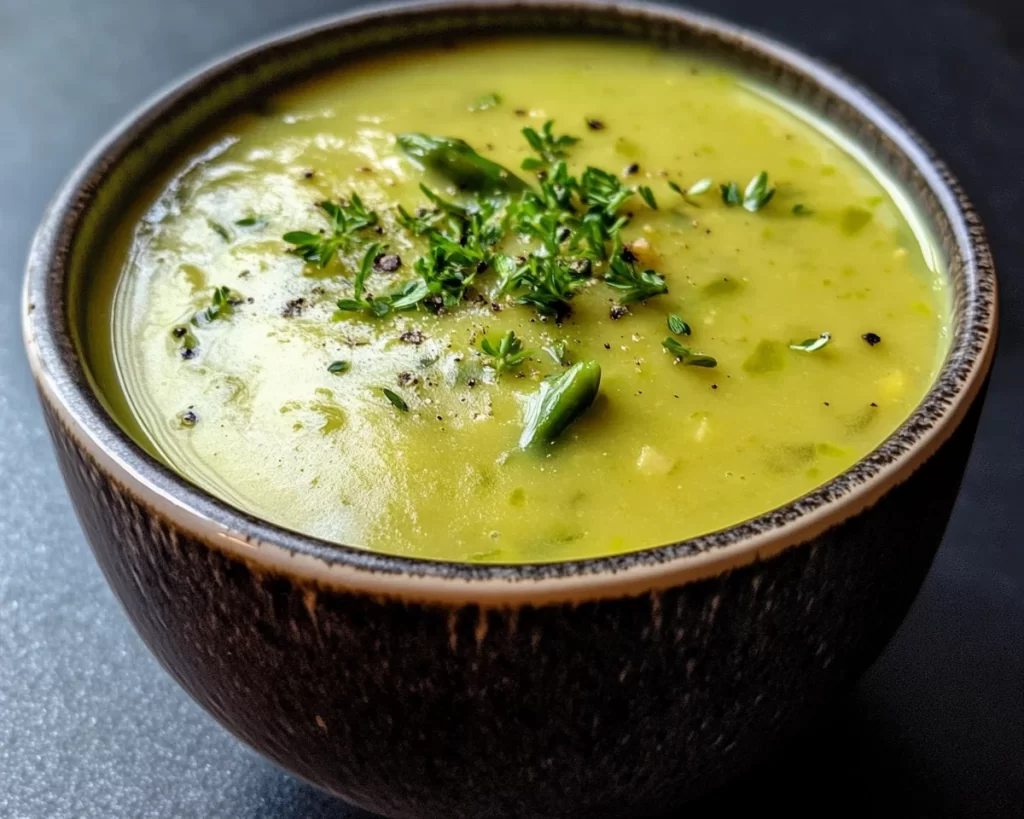
As spring awakens and the world blossoms around us, there’s no better way to celebrate this season than with a delightful bowl of spring soup, specifically a light and creamy asparagus soup. The vibrant green color and fresh flavors of asparagus evoke feelings of renewal and rejuvenation. With a taste that balances the earthy richness of asparagus with a creamy texture, this soup is perfect for a quick lunch or a light dinner. For busy parents or those just starting their culinary journey, this recipe is not only easy to follow but also nourishing and satisfying.
In this article, you will explore the beauty of asparagus soup, its origins, and how to prepare it effortlessly. You’ll discover key cooking methods, tips for success, variations to personalize your dish, and answers to common questions. Whether you’re watching your budget, eating healthy, or simply looking for a comforting meal, this asparagus soup can be your go-to recipe as it embodies the essence of spring in every spoonful.
What Is Spring Soup: Asparagus Soup (Light + Creamy)?
Spring soup, particularly light and creamy asparagus soup, is a dish that celebrates the culinary bounty of springtime vegetables. Originating from various European cuisines, particularly French cuisine, this soup showcases the delicate flavor of asparagus, which is often one of the first vegetables to emerge after winter. The soup achieves a harmonious blend of flavors through the use of fresh herbs and a hint of cream, resulting in a silky texture that coats your palate wonderfully.
Asparagus has a tender, slightly sweet flavor that pairs beautifully with onions, garlic, and a splash of lemon juice. The combination not only enhances the taste but also emphasizes the freshness of the season. In addition to its exquisite flavors, the soup provides a range of nutritious benefits, as asparagus is loaded with vitamins A, C, E, and K, as well as fiber and antioxidants.
The creamy component, often achieved through the addition of heavy cream or alternatives, enriches the soup, making it a satisfying choice for those chilly spring evenings. This comforting dish is not only pleasing to the eye with its vibrant green hue but also brings a delightful aroma that fills your kitchen as it cooks.
Why You’ll Love This
One of the primary reasons you’ll adore this light and creamy asparagus soup is its exquisite **taste**. The natural sweetness of the asparagus shines through, complemented by the richness of cream and the zest of herbs, creating a symphony of flavors that is satisfying yet light. Unlike many heavy soups, this one allows you to enjoy all the comfort without the guilt.
Ease of preparation is another significant advantage. With minimal ingredients and straightforward steps, you can whip up this delightful dish in under an hour, making it perfect for busy weeknights. It’s an ideal recipe for beginners and seasoned cooks alike, as it introduces essential cooking methods like sautéing, blending, and simmering.
Cost-effectiveness is yet another reason this soup shines. Asparagus may seem like a fancy vegetable, but it is often budget-friendly during the spring season when it is in peak harvest. Pair it with pantry staples, such as onions and garlic, and you have a delicious meal that won’t break the bank.
Health-conscious individuals will appreciate the nutritional benefits of asparagus. This vegetable is not just low in calories; it’s also rich in essential vitamins and minerals. The soup is versatile enough to be made vegan or gluten-free by substituting certain ingredients, allowing you to tailor it to your dietary needs or preferences.
Common misconceptions about soup being heavy or monotonous are also easily dispelled with this recipe. The incorporation of fresh herbs, like thyme or dill, introduces a vibrant flavor profile that can be adapted to your liking. Many people may think that soups require too much time or technical skill; however, this asparagus soup proves otherwise.
Ingredients You’ll Need
- 1 pound asparagus: Fresh asparagus will provide the best flavor and texture. Look for vibrant green stalks with tightly closed tips. If asparagus is out of season, you can use frozen asparagus as a substitute.
- 1 medium onion: A yellow or sweet onion adds sweetness and depth to the soup. You can also use shallots for a milder taste.
- 2 cloves garlic: Garlic lends a robust flavor. Feel free to add more if you’re a fan of garlic!
- 4 cups vegetable or chicken broth: These options bring richness to the base of the soup. Homemade broth can enhance flavors even further.
- 1/2 cup heavy cream: This adds a creamy consistency. For a lighter version, consider using half-and-half or coconut milk.
- Salt and pepper: These basic seasonings will elevate the flavors. Use fresh cracked pepper for a better aroma.
- Fresh herbs (thyme or dill): These herbs complement the asparagus beautifully. You can also use rosemary for a stronger flavor.
Each ingredient plays a crucial role in achieving the perfect balance of flavor and texture. For instance, asparagus is the star here, contributing its unique taste and nutritional profile, while heavy cream adds a luxurious touch. Remember that the quality of your ingredients directly affects the final result, so opt for the freshest produce and best broth you can find.
How to Make
- Prepare the asparagus: Rinse the asparagus under cool water to remove any impurities. Snap off the woody ends, which will naturally break where the tender part begins. Cut the asparagus into 1-inch pieces for even cooking. Reserve a few tips for garnish if you like.
- Sauté the aromatics: In a large pot, heat a tablespoon of olive oil over medium heat. Add the diced onion and sauté for about 5 minutes until it becomes translucent and fragrant. Then, add minced garlic and cook for another minute. This step enhances the soup’s base, creating a flavor foundation.
- Add the asparagus: Once the aromatics are ready, incorporate the chopped asparagus into the pot. Stir the mixture, allowing the asparagus to cook alongside the onion and garlic for about 3-4 minutes. This will help intensify the flavors.
- Pour in the broth: Add the vegetable or chicken broth to the pot and raise the heat to bring the mixture to a boil. Once boiling, reduce the heat and let it simmer for about 15-20 minutes. This will soften the asparagus, allowing its flavor to infuse the broth beautifully.
- Blend the soup: After simmering, remove the pot from heat. Using an immersion blender, puree the soup until it reaches a smooth consistency. If using a traditional blender, allow the soup to cool slightly before blending in batches. This step gives the soup that creamy texture that makes it so luscious.
- Add cream and season: Return the pureed soup to the heat and stir in the heavy cream. Allow it to heat through without boiling. Season with salt, pepper, and freshly chopped herbs to taste. The final seasoning step ensures that all flavors are balanced and well-rounded.
- Serve and garnish: Ladle the soup into bowls and garnish each serving with the reserved asparagus tips and a sprinkle of fresh herbs. You can also drizzle a little extra cream on top for an elegant touch. Serve warm and enjoy your delightful creation!
Making this spring soup is not only a rewarding process but also fills your kitchen with the inviting aroma of fresh ingredients. Each step is designed to provide a seamless transition from raw components to a delicious, creamy soup that is sure to impress everyone around your dinner table.
Variations & Substitutions
Vegan Asparagus Soup: If you are following a vegan diet, you can easily adapt this recipe. Replace the heavy cream with coconut milk or a cashew cream, blended to a creamy consistency. The coconut milk will add a tropical touch while ensuring that the soup remains rich and satisfying. You can also substitute vegetable broth instead of chicken broth to keep it entirely plant-based.
Spicy Asparagus Soup: For those who enjoy a kick, add some red pepper flakes or diced jalapeños while sautéing the onions and garlic. This variation introduces heat, making it an exciting option if you love bold flavors. Just be cautious and adjust the spice levels according to your preference, as the heat can intensify during cooking.
Herbed Asparagus Soup: Incorporate fresh herbs like basil, mint, or cilantro for a unique twist. These herbs will change the flavor profile dramatically, infusing freshness into each spoonful. You can even top the soup with herb-infused oil for an extra burst of flavor. Experiment with combinations to find your favorite mix!
Asparagus and Pea Soup: For a pop of color and flavor, add fresh or frozen peas at the same time as the asparagus. This variation will enhance the vibrant green color of the soup while providing added sweetness. Combine these two vegetables in equal proportions for a nutritious boost, and blend them together until silky smooth.
Grain-Added Asparagus Soup: If you’re looking to add a bit more sustenance to your soup, consider adding grains such as quinoa or barley during the cooking process. This addition can transform the soup into a heartier meal, perfect for serving on its own. Just ensure the grains are properly cooked before blending to maintain the desired consistency.
With these variations, there’s no limit to how you can personalize your asparagus soup to cater to your tastes and dietary requirements.
Common Mistakes to Avoid
While making asparagus soup may seem straightforward, there are pitfalls that can alter its quality. One of the most common mistakes is overcooking the asparagus. Overcooked asparagus can become mushy and can lose its vibrant green color, resulting in a less appealing dish. To prevent this, adhere to the cooking times specified in the recipe and always check for tenderness without sacrificing structure.
Another critical point to remember is seasoning. It is essential to season the soup throughout the cooking process rather than just at the end. Adding salt and pepper at intervals helps the flavors build, ensuring a well-rounded taste. Also, be careful with the amount of cream you add. Too much can overpower the delicate flavor of the asparagus. Start with less, tasting as you go, to find the perfect balance.
Finally, ensure that your blending method doesn’t trap steam. If using a traditional blender, allow the soup to cool slightly before blending in batches. If the soup is too hot, steam can build up and cause the lid to pop off, leading to a potential mess. An immersion blender is ideal for this dish, as it reduces the risk of this mishap while providing a smooth finish.
Storage, Freezing & Reheating Tips
To store any leftover asparagus soup, allow it to cool completely before transferring it to airtight containers. Properly stored, it can be refrigerated for 3-4 days. If you wish to freeze the soup, consider omitting the cream before freezing to maintain the best texture. Freeze it in portions, as this will help you thaw only what you need later.
When reheating, warm the soup on the stove over low to medium heat, stirring occasionally. If you frozen the version without cream, you can add it during the reheating process to recreate that creamy texture. Always check that your soup is heated thoroughly before serving.
For food safety, be sure not to let the soup sit at room temperature for more than 2 hours. While reheating, keep an eye out for any strange odors or changes in texture, particularly if it has been stored for an extended period.
Frequently Asked Questions
Can I use frozen asparagus to make this soup?
Absolutely! Frozen asparagus is a convenient substitute and can be perfect for making soup. Just keep in mind that the texture may be slightly different compared to fresh asparagus, as frozen vegetables tend to be softer after cooking. There’s no need to thaw it beforehand; simply add it straight into the pot during preparation.
How can I make the soup gluten-free?
This asparagus soup is naturally gluten-free as long as you use a gluten-free broth. Some store-bought broths contain gluten, so always read labels carefully. If you are making your broth, you will have complete control over ingredients, ensuring that your soup meets all dietary needs.
Is it necessary to blend the soup, or can I leave it chunky?
Blending the soup results in a creamy and velvety texture, but if you prefer a chunky soup, feel free to leave it as is. Simply stir in some reserved, cooked asparagus pieces after simmering for added texture. This chunkiness can make the soup feel heartier while still enjoying the amazing flavors.
Can I make this soup ahead of time?
Yes! This soup stores beautifully and actually improves in flavor after a day. You can prepare it in advance and reheat it on the day you plan to serve. As mentioned, make sure to incorporate the cream only at the end, so it does not change in texture during storage.
What can I serve with asparagus soup?
This soup pairs wonderfully with a variety of sides! For a light meal, serve it with crusty bread or a fresh garden salad. You could also enjoy it with a grilled cheese sandwich for a comforting combination. Adding a sprinkle of grated Parmesan cheese or croutons can enhance the flavor and texture of this delightful dish.
Conclusion:
In summary, the light and creamy asparagus soup is an exceptional dish that brings the freshness of spring right into your kitchen. Its vibrant flavors, nutritious ingredients, and satisfying texture make it an ideal choice for any meal. Plus, the ease of preparation ensures that even novice cooks can confidently make this delicious soup. Don’t hesitate to customize it to your taste with the variations discussed. We encourage you to try this recipe, share it with friends and family, and embrace the vibrant spirit of spring. Happy cooking!