Prep time: 15 minutes
Cook time: 30 minutes
Total time: 45 minutes
Servings: 4
Roasted vegetables are a timeless delight that bring warmth and color to any dinner table. Imagine sweet, caramelized carrots and tender asparagus, infusing your home with a delightful aroma. This recipe for Spring Dinner Party Roasted Spring Vegetables is not just a dish; it’s a celebration of fresh produce, perfect for gatherings or a quiet family dinner. What makes this dish special is its simplicity and versatility, allowing you to highlight seasonal vegetables while enjoying a burst of flavors. Here, I will guide you through easy steps to create a stunning centerpiece that is packed with nutrients and visual appeal.
In this article, you will learn how to prepare vibrant spring vegetables in the oven, what ingredients work best, and tips on customizing the recipe to suit your taste. You’ll discover variations that cater to different dietary preferences and settings—making it suitable for a romantic dinner or a lively feast with friends. By the end, you’ll be confident in creating a mouthwatering dish that not only looks stunning but also embodies the essence of spring.
What Is Spring Dinner Party Roasted Spring Vegetables?
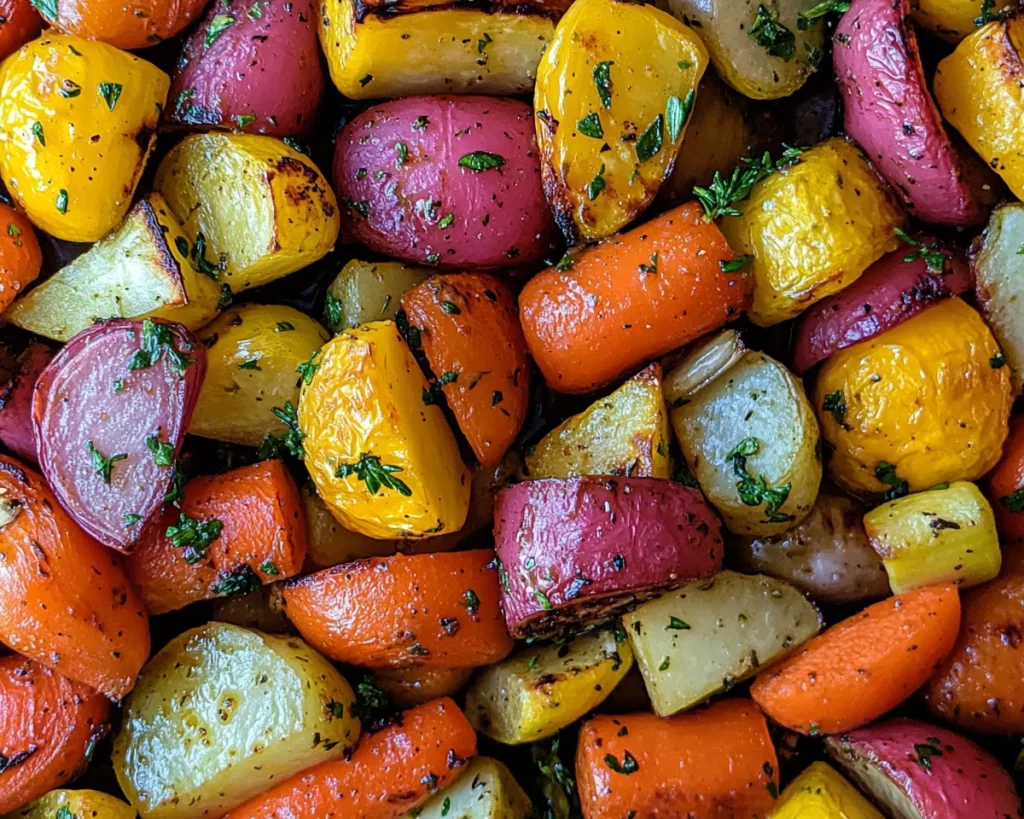
Spring Dinner Party Roasted Spring Vegetables celebrates the vibrant flavors of the season. This dish typically features a medley of fresh, seasonal vegetables such as asparagus, carrots, and radishes. These vegetables are tossed with olive oil, seasoned with herbs, and roasted until they are tender and slightly caramelized, which enhances their natural sweetness. The origin of roasting vegetables dates back to ancient times when fire was first used as a cooking method.
The texture of these roasted vegetables is simply delightful. When cooked just right, they become tender yet maintain a slight bite, providing a contrast that is satisfying with every bite. The flavor profile is equally impressive; a combination of sweetness from the caramelized edges and the earthiness of the fresh herbs creates a complex and rewarding experience on your palate. It’s a dish that encapsulates the essence of spring, thriving on freshness and simplicity while delivering substantial flavor.
Why You’ll Love This
You will fall in love with this dish for numerous reasons. First, the taste is superb; the roasting process brings out the natural sweetness and flavors of the vegetables, making them irresistibly delicious. Second, you can prepare this dish with minimal effort. Just chop, season, and let the oven do the work—making it an excellent choice for busy parents or those new to cooking. This dish also caters to various dietary needs as it is naturally vegan and gluten-free, allowing you to serve it to guests without worrying about restrictions.
One common misconception is that roasted vegetables can be bland if not seasoned properly. However, this recipe will guide you through processes to ensure that your dish pops with flavor. By selecting the right herbs and using quality olive oil, you elevate the dish from ordinary to extraordinary. Another common mistake is overcrowding the roasting pan, which can lead to steaming rather than roasting. Allowing space between the vegetables is essential for achieving that wonderful caramelization that we all crave.
Ingredients You’ll Need
- Asparagus: This vibrant vegetable adds a crisp texture and earthy flavor. Look for firm stalks with closed, compact tips. If asparagus is unavailable, you can substitute with green beans.
- Carrots: Their natural sweetness intensifies when roasted. Use colorful heirloom carrots for visual appeal, or regular orange carrots are perfectly fine. Make sure to cut them evenly for uniform cooking.
- Radishes: When roasted, radishes lose their peppery bite, becoming delightfully sweet and tender. If you prefer a milder flavor, you can swap them for diced bell peppers.
- Olive oil: Provides richness and facilitates the roasting process. Always opt for extra virgin for the best flavor.
- Garlic: If you want an aromatic punch, minced garlic will elevate the dish. For a milder flavor, try roasted garlic instead.
- Fresh herbs (thyme or rosemary): These herbs complement the vegetables beautifully, adding depth and aroma. Fresh herbs are preferable, but dried can also work in a pinch.
- Salt and pepper: Essential for bringing out the flavor of the vegetables. Always taste before serving and adjust as necessary.
How to Make
- Preheat your oven to 425°F (220°C). This high temperature is key for achieving that beautiful caramelization. It’s essential to get your oven hot enough, so take a moment to check that the temperature is accurate before you start.
- Prepare the vegetables: Wash and dry your asparagus, carrots, and radishes. Trim the asparagus ends and slice the carrots into even-sized pieces for uniform roasting. For the radishes, simply halve them. This preparation stage sets you up for success, ensuring everything cooks evenly.
- Toss with olive oil and seasoning: In a large bowl, drizzle your chopped vegetables with olive oil. Add minced garlic, chopped fresh herbs, salt, and pepper. Use your hands or a large spoon to mix everything together, making sure each piece is well coated. The oil helps keep the vegetables moist while also aiding the browning process.
- Spread on a baking sheet: Line a large baking sheet with parchment paper for easy cleanup. Spread the vegetables out in a single layer without overcrowding. This is crucial; if the vegetables are too close together, they will steam instead of roast, preventing that crispy finish.
- Roast the vegetables: Place the baking sheet in your preheated oven and roast for about 25-30 minutes. Halfway through the cooking time, toss the vegetables around with a spatula to ensure even cooking. You’ll know they’re done when they are tender and have a delightful golden-brown color.
- Serve and enjoy: Once done, remove the baking sheet from the oven, and taste the vegetables. Adjust seasoning if needed, then serve warm. The roasted veggies can be a stand-alone dish, a vibrant side, or even added to salads or grain bowls.
Variations & Substitutions
Vegetarian Medley: If you’re looking for more texture and nutrients, consider adding vegetables like zucchini, bell peppers, or brussels sprouts. These options not only enhance the flavor profile but also make the dish even more visually appealing. Zucchini becomes tender and slightly sweet when roasted, while bell peppers add a burst of color and flavor.
Herb-Infused Roasted Vegetables: For those who enjoy powerful flavors, using a herb-infused olive oil can transform this dish. Infusing olive oil with herbs such as basil or parsley before drizzling it over your vegetables adds a depth of flavor that enhances the overall dish. You can create your own infusion by warming olive oil with herbs on the stovetop.
Spicy Kick: If you enjoy heat, think about adding a sprinkle of crushed red pepper flakes before roasting. The heat will complement the sweetness of the vegetables beautifully. Alternatively, consider tossing the finished product with a splash of hot sauce or sriracha just before serving.
Asian-Inspired Roasted Vegetables: For a more global flavor, consider adding soy sauce and sesame oil along with a sprinkling of sesame seeds before roasting. This variation gives your dish an umami kick, making it uniquely flavorful and perfect for serving with rice or noodles.
Common Mistakes to Avoid
One common mistake is not cutting the vegetables to equal sizes, which leads to uneven cooking. To avoid this, take your time during the preparation step and ensure each piece is roughly the same size. Another crucial point is overcrowding the baking sheet. When vegetables are packed in too tightly, they will steam instead of roast, resulting in soggy rather than crispy finishes. For ideal results, aim to give the vegetables enough space to breathe on the baking sheet.
Additionally, avoid using old or wilting vegetables. For the best flavor and texture, always use fresh produce. Another tip is to avoid adding high-moisture vegetables like tomatoes or cucumbers in this dish as they can release excess moisture and affect the cooking results. Stick with hearty vegetables that can withstand the roasting process.
Storage, Freezing & Reheating Tips
When it comes to storage, allow any leftover roasted vegetables to cool completely before placing them in an airtight container. They can be kept in the refrigerator for up to 3 days. For long-term storage, consider freezing them. However, it’s essential to blanch the vegetables first to preserve their color and texture. Once blanched, allow them to cool, then spread them out on a baking sheet to freeze individually before transferring to a freezer bag.
Reheating roasted vegetables can be straightforward. For the best results, heat them on a baking sheet in a preheated oven at 350°F (175°C) until warmed through, usually about 10-15 minutes. Alternatively, you can reheat them briefly in a skillet over medium heat, stirring occasionally to avoid burning. However, avoid reheating them in the microwave, as it may lead to steaming and loss of that lovely crispy texture.
Frequently Asked Questions
Can I use frozen vegetables for this recipe?
While you can use frozen vegetables, fresh vegetables will yield better flavor and texture. Frozen vegetables often contain more water, leading to steaming rather than roasting. If you do use frozen vegetables, roast them at a higher temperature and for a shorter time to achieve better results.
What other vegetables work well in this recipe?
Feel free to experiment with a variety of vegetables! Broccoli, cauliflower, sweet potatoes, and even beets can be delicious when roasted. Always keep in mind that different vegetables have varying cooking times, so cut them into sizes that will allow for even cooking.
How can I ensure my vegetables don’t burn?
To prevent burning, make sure your oven temperature isn’t too high and check for doneness frequently. If they start to brown too quickly, simply adjust the heat. Tossing the vegetables halfway through cooking helps to ensure even browning.
Can I make this recipe ahead of time?
Absolutely! You can roast the vegetables ahead of time and store them in the refrigerator. Simply reheat them just before serving. This makes them a fantastic choice for meal prep or gatherings, allowing you to spend more time with your guests.
What should I serve with roasted vegetables?
Roasted vegetables pair beautifully with a wide range of dishes. They can be a side dish alongside grilled meats, a fantastic addition to salads, or served atop grains like quinoa or couscous for a filling vegetarian meal.
Conclusion:
This Spring Dinner Party Roasted Spring Vegetables recipe is a delightful way to bring the flavors of the season to your table. With its vibrant colors and bold flavors, it not only makes for a stunning presentation but also provides nutritious benefits. Don’t be afraid to customize and experiment with different vegetables and seasonings to make this dish your own. I encourage you to try this recipe soon, share it with friends and family, and bask in the compliments you’ll receive. Happy cooking!