Prep time: 15 minutes
Cook time: 25 minutes
Total time: 40 minutes
Servings: 4
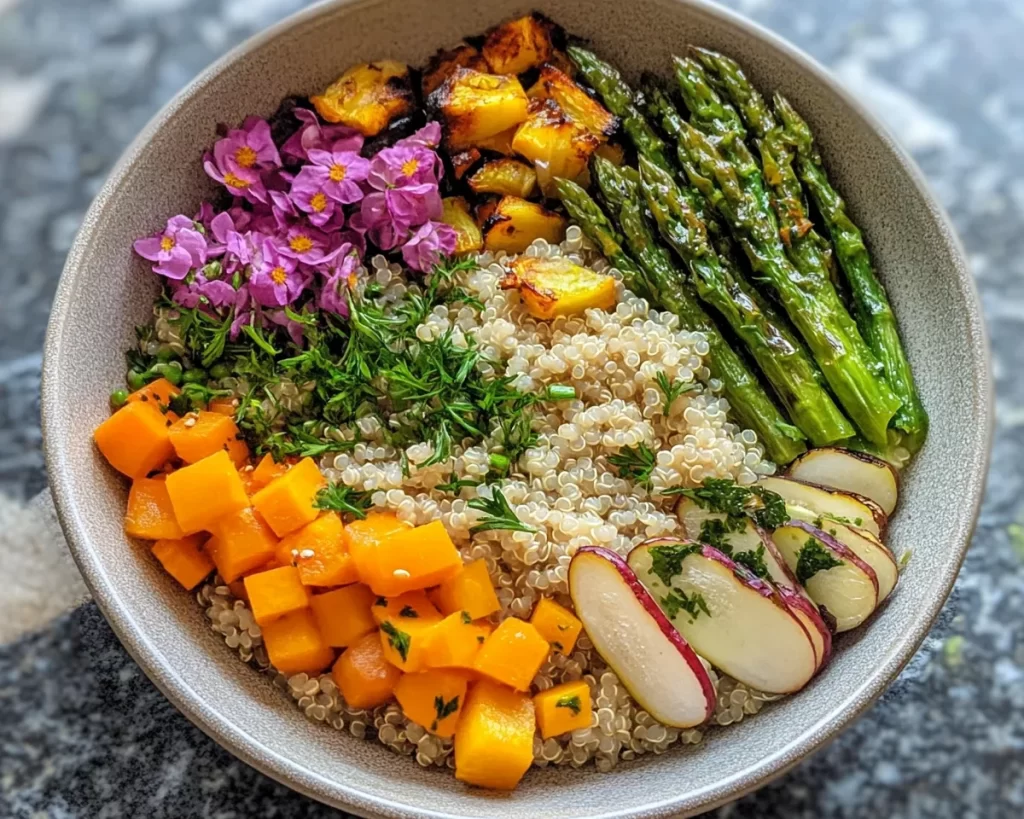
The delicate balance of flavors and textures in a well-prepared quinoa bowl with spring veggies makes it an ideal choice for a refreshing and nourishing dinner. If you are looking for a way to incorporate the vibrant essence of spring into your meals, this dish is not just a norm; it’s an experience that embodies the joys of the season. Imagine tasting the crunchy snap of fresh garden peas, the earthy notes of roasted radishes, and the gentle kiss of olive oil draping over tender quinoa. The blend is not just food—it’s a celebration of nature’s bounty and a reminder to savor every bite.
This recipe for Spring Dinner Ideas: Quinoa Bowl with Spring Veggies is perfect for busy parents, beginner cooks, and anyone striving to maintain a healthy lifestyle without sacrificing flavor or creativity. It showcases an array of seasonal vegetables that you can easily swap out based on availability or preference, making it wonderfully versatile. You’ll also learn various techniques that will elevate your cooking game while keeping dinner stress-free. From preparation to serving, this quinoa bowl offers not only nourishment but also a canvas for your culinary creativity.
What Is Spring Dinner Ideas: Quinoa Bowl with Spring Veggies?
The Spring Dinner Ideas: Quinoa Bowl with Spring Veggies is a dish that marries the unique textures and flavors of spring vegetables with the nutritious prowess of quinoa. Quinoa, a protein-rich grain, serves as a nutty base, perfectly complementing the vibrant vegetables. This dish often includes peas, radishes, asparagus, and carrots, all sourced from local farms, showcasing the fresh produce that is in season during spring months.
The textures play an essential role in the enjoyment of this bowl. You’ll find the tender chewiness of the **quinoa**, juxtaposed with the crisp snap of the veggies. Each mouthful offers a delightful intermingling of freshness, warmth, and wholesome satisfaction. With flavors singing from the roasted vegetables, topped with a hint of lemon or spice, it becomes something that immeasurably uplifts your dinner experience. Not just a meal, this bowl is an edible celebration of nature’s gifts, encouraging you to relish the ingredients in their prime.
The origins of this dish can be traced back to the farm-to-table movement, where the emphasis is on using seasonal ingredients to maximize flavor and nutrition. The dish epitomizes healthful eating, making it not only approachable for beginners but also rewarding for those looking to make wholesome choices. When prepared with care, this quinoa bowl transforms the everyday dinner into a culinary journey through the growing season.
Why You’ll Love This
There are countless reasons to fall in love with this quinoa bowl, particularly its capacity to deliver extraordinary taste with minimal effort. First, think of the various textures and flavors: the nutty quinoa combined with the sweetness of spring peas and the slight bite of radishes creates a dish that is not only enjoyable to eat, but also a feast for the eyes. The colors are vibrant—a beautiful representation of spring.
In terms of ease, this dish is incredibly beginner-friendly. With simple ingredients and straightforward cooking techniques, you’ll soon be impressing family and friends without spending hours in the kitchen. It’s also cost-effective, making it an excellent option for budget-conscious cooks. Seasonal vegetables are often more affordable and flavorful when at their peak.
Despite the perception that nutritious meals lack flavor, this dish proves the opposite. By roasting the vegetables, you can enrich their natural sweetness while intensifying their flavors—which is often where many healthy recipes fall short. You can even customize it based on what you have on hand or your dietary preferences, ensuring no two bowls are ever the same.
The versatility of this recipe can’t be overstated. Whether you need a quick weeknight dinner or a nutritious option for meal prep, this quinoa bowl fits the bill. You can add proteins like grilled chicken, tofu, or chickpeas, turning it into a complete meal that satisfies all dietary needs.
Ingredients You’ll Need
- 1 cup of quinoa: A gluten-free grain known for its rich protein content. You can substitute it with brown rice or couscous if needed.
- 2 cups of vegetable broth: This adds flavor; however, water can also be used in a pinch.
- 1 cup of fresh peas: A standout spring ingredient. Frozen peas work as an excellent substitute.
- 1 cup of radishes: Roasted for a unique flavor. Carrots or bell peppers can also work.
- 1 bunch of asparagus: Adds crunch and nutrients. Zucchini makes a good replacement.
- Olive oil: Used for roasting; any neutral oil can work, but avoid oils with strong flavors.
- Salt and pepper: Essential for seasoning, tailored to your taste.
- Juice of 1 lemon: Adds brightness. Lime juice can be used instead.
- Fresh herbs (optional): Such as parsley, basil, or mint, to garnish and elevate flavors. Feel free to experiment with different herbs based on your taste.
Each ingredient plays a pivotal role in this quinoa bowl, enhancing not just the flavor but also the nutritional profile of the meal. Understanding the purpose of each item will guide you in making substitutions that maintain integrity while tailoring to your taste preferences.
How to Make
- Rinse the quinoa: Begin by rinsing the quinoa under cold water in a fine mesh strainer. This helps remove quinoa’s natural coating, called saponin, which can make it taste bitter. Less experienced cooks might find this step neutralizes any unwanted flavors, leading to a cleaner dish. Once rinsed, set it aside.
- Cook the quinoa: In a saucepan, combine the rinsed quinoa with vegetable broth. Bring it to a boil over medium-high heat. After boiling, lower the heat to a gentle simmer, cover, and let it cook for about 15 minutes. At this point, you can go ahead and prepare your vegetables, but keep an eye on the quinoa to ensure it doesn’t overcook. When it’s done, the grains will appear fluffy and light.
- Prepare your veggies: Preheat your oven to 425°F (220°C). While the quinoa cooks, wash and chop the radishes, asparagus, and any other vegetables you plan to include. Cut the radishes into halves, and trim the asparagus into bite-sized pieces. Mixing different textures and colors makes your bowl visually appealing. Place the vegetables onto a baking sheet, and drizzle with olive oil, seasoning with salt and pepper to taste.
- Roast the veggies: Roast the vegetables in the preheated oven for 15-20 minutes, or until they are tender and caramelized. You’ll want to toss them halfway through to ensure they cook evenly. The aroma is divine, and you should look for a beautiful golden color on the radishes and the tender crispness of the asparagus. Do keep an eye on them; burning can ruin flavors.
- Combine ingredients: Once the quinoa is cooked and the veggies are roasted, remove them from heat. Fluff the quinoa with a fork and pour it into a large mixing bowl. Add the roasted veggies and fresh peas to the quinoa, gently mixing to combine. The warmth of the quinoa will slightly cook the peas, while still retaining their freshness and bright color.
- Add seasoning: Squeeze the lemon juice over the mixture and adjust the seasoning with salt and pepper to taste. This step is vital as it enhances the overall flavor profile of the dish. If you are incorporating herbs, do so at this point, folding them in gently so they distribute evenly while maintaining their fresh character.
- Serve: Divide the quinoa bowl into serving dishes, garnishing with more fresh herbs if desired. You can drizzle a touch more olive oil if you wish. Enjoy your bowl warm, or allow it to cool and serve it as a refreshing salad option. The combination of flavors is vibrant and delightful, ensuring a satisfying meal.
Remember, the beauty of this dish lies in its simplicity and the ability to customize it based on what you have on hand. As you get more comfortable with the steps, feel free to experiment with different vegetables and flavor combinations.
Variations & Substitutions
Protein-Packed Quinoa Bowl: For those looking to add more protein, you can toss some grilled chicken, chickpeas, or even scrambled eggs into the mix. Adding these ingredients will not only enhance the nutritional value but also offer a variety in textures. Ensure to season any additional proteins well, as they can elevate the flavor profile significantly. This option is especially great for athletes or anyone requiring more substantial meals post-workout.
Vegan Delight: If you’re following a plant-based diet, you can keep this dish vegan by incorporating tofu or tempeh marinated in a light soy sauce or teriyaki sauce. Sauté or bake these alternatives instead of roasting for varied texture and flavor. Additionally, adjusting the dressing to include tahini or nut-based dressings can enhance both richness and nutrition, making each bowl satisfying and trendy.
Spicy Quinoa Bowl: If your taste leans towards the spicy side, consider adding ingredients like jalapeños or chili flakes when roasting your vegetables. A dollop of spicy hummus or a drizzle of sriracha can give the dish an exciting kick. You can also incorporate spices such as cumin or smoked paprika while mixing in the quinoa, which infuses it with rich undertones. This variation can be perfect for those who enjoy robust flavors and want to elevate the overall dining experience.
Seasonal Vegetable Twist: Feel free to change the vegetables based on what’s available and in season. For instance, substituting zucchini for asparagus or adding seasonal herbs like dill or cilantro can entirely change the dish’s character. It’s essential to adapt the recipe as per your local availability, offering a fresh take each time you make it. This adaptability is one of the most significant benefits of this quinoa bowl recipe, appealing to creative cooks and food innovators alike.
Common Mistakes to Avoid
One of the most common mistakes in preparing quinoa is skipping the rinsing step. Not rinsing the grains can lead to a bitter flavor as mentioned earlier, which can ruin your entire dish. Always take a moment to rinse thoroughly; over time, this small step will become second nature to you.
Another frequent pitfall is overcooking the quinoa. When quinoa cooks too long, it can become mushy and lose the desired fluffy texture. Always follow the cooking times and do a taste test a minute or so before the recommended time to gauge the texture. The grains should remain slightly firm when cooked properly.
When roasting your vegetables, avoid overcrowding. It might be tempting to pile everything onto one baking sheet, but too many vegetables can lead to steaming instead of roasting, which prevents them from caramelizing beautifully. Make sure there’s enough space for even roasting, ensuring that each piece gets that delicious flavor enhancement.
Lastly, not seasoning properly can lead to blandness. It’s essential to get the right balance of ingredients and flavors. Always taste your dish at various stages to adjust seasoning accordingly. A pinch of salt, a squeeze of lemon, or a drizzle of good quality olive oil can truly differentiate a tasty meal from a mediocre one.
Storage, Freezing & Reheating Tips
When it comes to storage, make sure to cool down your quinoa bowl to room temperature before placing it in an airtight container. It can be stored in the refrigerator for up to 4 days, making it a great option for meal prep. The flavors often deepen after a day in the fridge, leading to even more delicious eating.
If you want to store it longer, consider freezing individual portions. Place cooled quinoa and veggies in freezer-safe containers, ensuring to label them with the date. This way, you can enjoy a healthy meal anytime; they should be good for up to 3 months.
For reheating, you can use the microwave or stovetop. If using the microwave, splash a few drops of water on the quinoa bowl to prevent it from drying out. Heat on medium for about a minute or until warm. When reheating on the stovetop, add a splash of broth or water and stir while warming on low heat, ensuring even heating throughout.
Remember to keep food safety in mind: discard any leftovers that have been sitting out at room temperature for more than two hours, and always reheat leftovers thoroughly before consuming.
Frequently Asked Questions
Can I use other grains instead of quinoa? Absolutely! While quinoa is the star of this dish due to its nutritional benefits, you can substitute it with grains like farro, bulgur, or brown rice. Each grain has its texture and flavor, so choose one that appeals to you based on your dietary needs or preferences.
Is this quinoa bowl suitable for meal prep? Yes, this quinoa bowl is ideal for meal prep! Its components can be prepared in advance, and it stores well in the refrigerator. The flavors often improve over time, allowing you to enjoy delicious, healthy meals throughout the week without the hassle of daily cooking.
Can I make this dish gluten-free? Yes, quinoa is naturally gluten-free, making this dish safe for individuals with gluten intolerance. Just ensure any additional ingredients, such as sauces or broth, are also gluten-free. This dish is a wholesome option for those who wish to maintain a gluten-free diet.
How can I make this quinoa bowl a complete meal? To turn this quinoa bowl into a complete meal, simply add a source of protein, such as grilled chicken, chickpeas, or nuts. This not only enhances the nutritional profile but also provides a satisfying and well-rounded meal option.
What can I substitute for lemon juice? If you don’t have lemon juice on hand, lime juice is an excellent alternative, presenting a similar acidity but with a different flavor profile. Apple cider vinegar or any light vinegar can also work in a pinch. Just remember to adjust the quantity to suit your taste.
Conclusion:
In summary, the Spring Dinner Ideas: Quinoa Bowl with Spring Veggies is a delightful dish that embodies the essence of spring while providing nourishment and versatility. With its fresh ingredients, easy preparation, and numerous customization options, this recipe is ideal for anyone looking to elevate their dinner experience. You have the opportunity to personalize this dish based on your preferences, dietary needs, or seasonal availability. I encourage you to try this recipe, embrace the flavors, and make it your own. Don’t forget to share your results, as nothing lifts the spirits more than enjoying a lovely meal with loved ones. Enjoy your cooking adventure!