Prep time: 30 minutes
Cook time: 25 minutes
Total time: 55 minutes
Servings: 12 servings
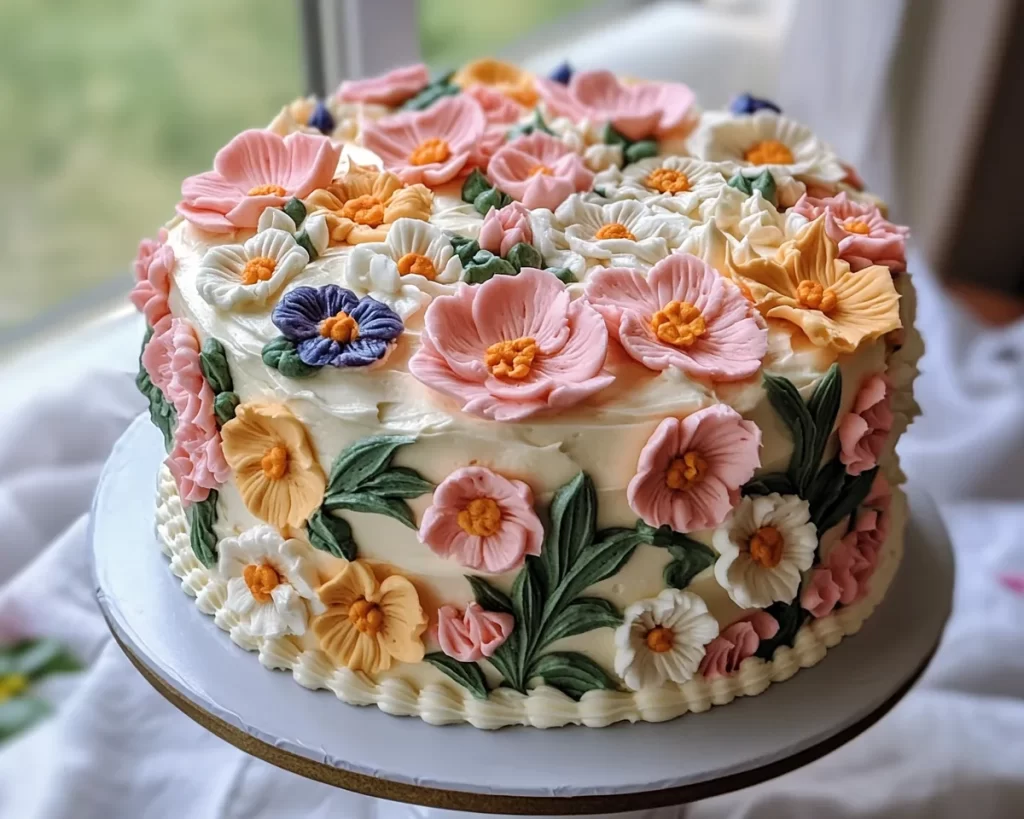
When you think of spring, you may envision blossoming flowers, fresh air, and a time for celebrations. One of the most delightful ways to capture all of that beauty is through a stunning cake adorned with florals, perfect for any spring occasion. This recipe for Spring Cake Designs: Simple Floral Buttercream Cake is not just a feast for the eyes; it’s also a treat for the palate. The cake is light, moist, and bursting with flavor, making it ideal for birthdays, Easter gatherings, or simply a sunny afternoon.
In this article, you will discover everything you need to know about creating this cake from scratch. You will learn the essential ingredients, step-by-step preparation instructions, and helpful tips to make your baking experience enjoyable. I’ll also share variations to customize the cake to suit your tastes, along with common mistakes to avoid while baking.
What Is Spring Cake Designs: Simple Floral Buttercream Cake?
The Spring Cake Designs: Simple Floral Buttercream Cake is a beautiful cake that symbolizes renewal and joy. Originating from traditional cake-making practices, this cake is characterized by its light sponge layers, rich buttercream frosting, and decorative floral elements. The texture is soft yet sturdy enough to hold its form, allowing you to achieve intricate designs with the buttercream. Each bite you take reveals a balance of sweetness and creaminess, making it a delightful dessert perfect for any spring celebration.
This cake stands out not only for its flavor but also for its visual appeal. The buttercream flowers create a whimsical garden right on your plate. Ideal for beginners and seasoned bakers alike, this recipe gives you the freedom to be creative. You can choose between various colors to match your event’s theme, making it a versatile addition to your dessert repertoire.
In this cake, the key components include a *vanilla sponge*, which serves as the base, and a *buttercream frosting*, which not only adds richness but also acts as the canvas for your floral designs. Spruce it up with edible decorations like fresh fruit, edible flowers, or even a drizzle of chocolate for an extra touch of elegance.
Why You’ll Love This
You will adore the Spring Cake Designs: Simple Floral Buttercream Cake for its *incredible taste* and *easy preparation*. Beginners will find this cake manageable yet rewarding, making it a great choice for those new to baking. The base is straightforward, while the buttercream can be whipped together with just a few simple ingredients.
Cooking at home is not just about taste but also economic benefits. This cake can be made for a fraction of the cost of store-bought alternatives, allowing you to impress your guests without breaking the bank. Plus, the sensation of serving a beautifully crafted homemade cake will elevate any gathering.
Common misconceptions may arise regarding the complexities of cake decorating. Many people think that making floral designs with buttercream is exclusively for professional bakers. This recipe aims to show you that with a bit of practice and patience, anyone can create stunning designs.
Ingredients You’ll Need
- All-purpose flour: This is the main ingredient for the cake; it provides structure and helps achieve the desired texture. You can substitute it with cake flour for a lighter cake.
- Baking powder: This is a leavening agent that helps the cake rise. Make sure it’s fresh to ensure the best results.
- Salt: A little salt enhances the cake’s flavor, providing balance to the sweetness.
- Unsalted butter: This will be used both in the cake and the buttercream. It adds moisture and richness. If you’re looking for a less fatty option, you can use a *reduced-fat butter*.
- Sugar: Granulated sugar sweetens the cake. You may opt for lighter sugars like coconut sugar for a different flavor profile.
- Eggs: Eggs act as a binding agent, providing structure and stability. In vegan recipes, you can try using flax eggs.
- Vanilla extract: Pure vanilla extract enhances the flavor profile beautifully. You can use almond extract for a different twist.
- Heavy cream: Used in the buttercream, heavy cream gives a rich and creamy consistency. For a lighter version, you might try half-and-half.
- Powdered sugar: This is essential for making the buttercream fluffy and sweet. Sifting it before mixing ensures there are no lumps in your frosting.
These ingredients aren’t just staples but fundamental components that come together to make the cake a showstopper. Always ensure that your ingredients are at room temperature for optimal mixing and baking results.
How to Make
- Preheat your oven: Start by preheating your oven to 350°F (175°C). This step is critical as a properly heated oven ensures even baking, which is essential for achieving that perfect cake structure. While the oven warms up, you can take time to prepare your cake pans.
- Prepare your cake pans: Grease and flour two 9-inch round cake pans. This will help prevent the cake from sticking. Alternatively, you may line the bottom with parchment paper for added assurance. Make sure to shake off any excess flour, as too much could impact the cake’s finish.
- Mix dry ingredients: In a medium bowl, whisk together the all-purpose flour, baking powder, and salt. This step helps to evenly distribute the leavening agent and ensures that there are no clumps. It’s a key technique that contributes to a uniform rise.
- Beat the butter and sugar: In a large mixing bowl, cream together the unsalted butter and sugar using an electric mixer on medium speed until it’s light and fluffy. This process usually takes about 3-5 minutes. Properly creamed butter and sugar will trap air, making your cake lighter.
- Add eggs and vanilla: Next, add the eggs one at a time, mixing well after each addition. Stir in the vanilla extract. The mixture should be smooth and cohesive by this stage. Not mixing long enough can result in a denser cake, so ensure it’s thoroughly combined.
- Incorporate dry ingredients: Gradually add the flour mixture into the wet ingredients, alternating with the milk or heavy cream. Start and end with the flour, mixing just until incorporated. Be careful not to overmix the batter; it should remain slightly lumpy.
- Pour and bake: Divide the batter evenly between the prepared cake pans. Tap the pans gently on the counter to release any air bubbles. Place them in the preheated oven and bake for about 25 minutes, or until a toothpick inserted into the center comes out clean.
- Cool the cakes: Once baked, remove the cakes from the oven and let them cool in the pans for about 10 minutes. Then, turn them out onto a wire rack to cool completely. Cooling is crucial; if you frost a warm cake, the buttercream may melt and slide off.
- Make the buttercream: In a large bowl, combine the softened butter with powdered sugar, mixing on low speed until blended. Gradually add heavy cream until you achieve your desired consistency. I often taste along the way to adjust the sweetness or add more cream for smoother buttercream.
- Assemble the cake: Once the cakes have fully cooled, place one layer on your serving platter. Spread a generous amount of buttercream on top, then position the second layer on top. Use the remaining buttercream to coat the sides and top of the cake, smoothing it out for a polished finish.
- Decorate: Utilizing a piping bag fitted with your choice of tips, create floral designs with leftover buttercream. You can choose classic roses or more whimsical patterns depending on your style. Feel free to add fresh flowers or edible glitter for an extra touch.
With each step, make sure to embrace the experience. Cooking is as much about the journey as it is about the end product. Practice makes perfect, so don’t be disheartened if the first attempt doesn’t meet your expectations.
Variations & Substitutions
Citrus Twist: If you want a refreshing flavor, consider adding citrus zest from lemons, limes, or oranges to the cake batter. The acidity from the citrus will elevate the overall taste, making it a vibrant choice for spring. You can also replace some of the vanilla extract with lemon or orange extract for an added zing. This variation is excellent for those who enjoy a tangy dessert experience.
Chocolate Lover’s Delight: Incorporate cocoa powder into the flour mixture for a rich chocolate cake. Replace part of the all-purpose flour with cocoa, typically about 1/3 cup for every cup of flour. To complement the chocolate base, whip up a chocolate buttercream frosting using cocoa powder and additional sugar. This version is perfect for chocolate aficionados, making the cake a showstopper at any gathering.
Gluten-Free Option: Using a high-quality gluten-free flour blend will allow you to make this cake suitable for those who are gluten intolerant. Ensure you read the brand’s instructions, as sometimes adjustments in liquid ingredients are required. You can also add a bit of almond meal for added texture. Don’t forget to check your baking powder as it can sometimes contain gluten.
Vegan Variation: Substitute eggs with flax eggs or chia eggs for a vegan-friendly version, and use coconut cream instead of heavy cream in your buttercream. You can also replace butter with coconut oil or a vegan butter alternative. Although the taste will vary, the cake will remain delightful and suitable for vegan diets.
Common Mistakes to Avoid
One common mistake is **overmixing the batter**. When you’re combining wet and dry ingredients, it’s crucial to mix just until combined. Overmixing can lead to a dense cake due to gluten development. Remember, a little lumpy batter is completely acceptable.
Another pitfall is not **allowing the cakes to cool** completely before frosting. Rushing this step can cause your buttercream to melt and slide right off your cake. Always allow for sufficient cooling time, which typically takes around an hour or so.
Lastly, be cautious with your **ingredient measurements**. Using too much flour or sugar can drastically change the cake’s flavor and texture. Always use a kitchen scale if you’re unsure about volume, as it provides the most accurate results.
Storage, Freezing & Reheating Tips
Proper storage of your Spring Cake Designs: Simple Floral Buttercream Cake is essential to maintain its freshness and taste. If you have leftover cake, tightly wrap it in plastic wrap or store it in an airtight container. It should last at room temperature for about 2-3 days, depending on the humidity and temperature of your kitchen.
If you want to keep it longer, freezing is a great option. To freeze the cake, slice it into individual servings, then wrap each piece in plastic wrap and foil before placing it in a freezer-safe container. Make sure to label the container with the date for reference. This cake can be frozen for up to 3 months.
When you’re ready to enjoy the frozen cake, take it out of the freezer and thaw it in the refrigerator overnight. You can also allow it to sit at room temperature for about 2 hours for a quicker thaw. Avoid microwaving, as this can lead to an uneven texture.
Frequently Asked Questions
Can I use a different type of frosting?
Absolutely! While this recipe focuses on buttercream, you can use cream cheese frosting, whipped ganache, or even a glaze for a lighter option. Just remember that texture and taste will vary depending on your choice of frosting.
How do I know when my cake is done?
You’ll know your cake is done when a toothpick inserted in the center comes out clean or with just a few crumbs attached. Additionally, the edges should begin to pull away from the sides of the pan.
Can I make the cake in advance?
Yes! You can bake the cake layers in advance. Allow them to cool completely, then wrap them tightly in plastic wrap and store them in the refrigerator for up to 2 days or freeze them for up to 3 months until you’re ready to decorate and serve.
How do I get my buttercream to the right consistency?
If your buttercream is too stiff, gradually add a little heavy cream or milk until you creamy, spreadable consistency is achieved. If it’s too runny, add more powdered sugar until it thickens to your desired texture.
Is there a non-dairy option for the buttercream?
Yes! You can make non-dairy buttercream using vegan butter or coconut cream. Just ensure that the powdered sugar is also free of any additives. The taste and texture may differ slightly, but it will be just as delightful!
Conclusion:
In summary, the Spring Cake Designs: Simple Floral Buttercream Cake not only dazzles with its beauty but also captivates with its taste. The layers of moist cake combined with rich buttercream make it a standout choice for any gathering. Don’t be afraid to personalize it with your unique flavors and designs! Whether it’s your first time baking or you’re a seasoned cook, this cake will undoubtedly bring joy to your table. So, gather your ingredients, put on your apron, and create a masterpiece that everyone will be talking about long after the crumbs have settled!