**Prep time:** 15 minutes
**Cook time:** 25 minutes
**Total time:** 40 minutes
**Servings:** 24 cookies
Scottish shortbread cookies are a delightful treat that seamlessly blend tradition and taste. Imagine buttery, crumbly cookies melting in your mouth with every bite; that’s the magic of shortbread. Originating from Scotland, these cookies have a rich history that dates back to the medieval period when they were made using leftover bread dough and eventually evolved into the elegant cookies we enjoy today.
What makes Scottish shortbread so special? Their simplicity is the key! With a minimal list of ingredients, these cookies showcase the delightful flavor of butter. Plus, they are incredibly versatile; whether you enjoy them plain or with a sprinkle of sugar or a hint of vanilla, they are sure to please everyone. In this article, you’ll discover everything about Scottish shortbread cookies—how to make them, variations, common mistakes to avoid, and much more. Get ready to fall in love with this traditional Scottish treat!
What Are Scottish Shortbread Cookies?
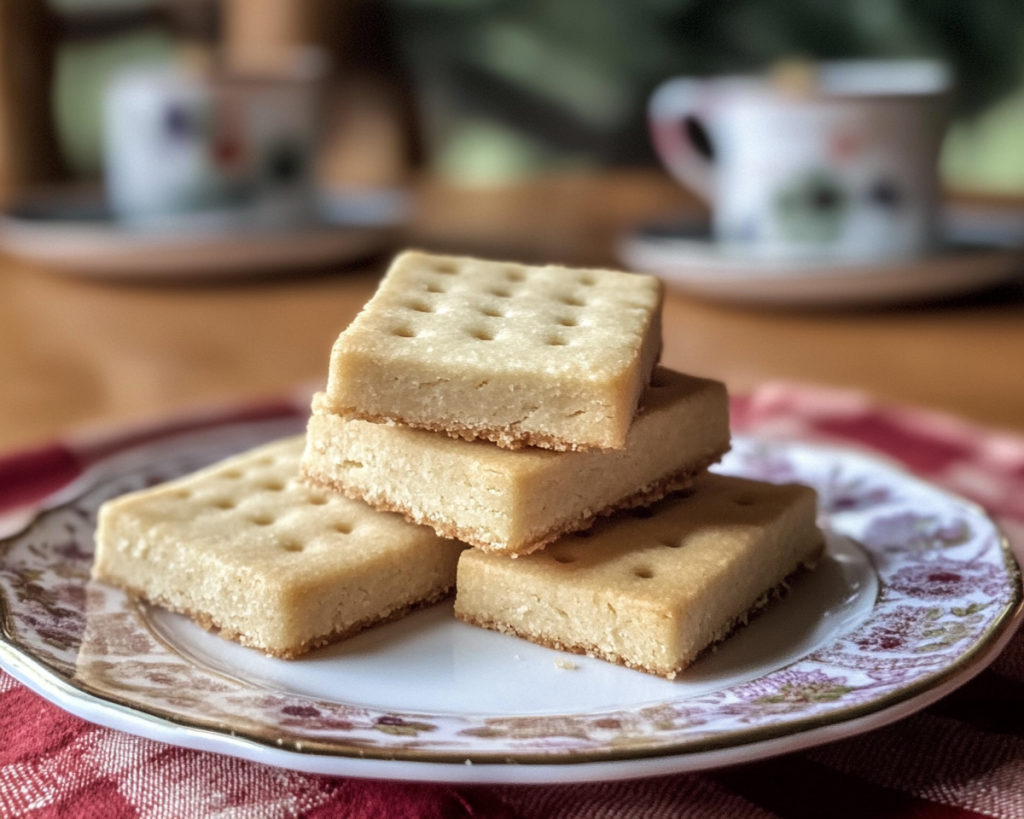
Scottish shortbread cookies are classic, buttery cookies characterized by their sandy texture and rich flavor. They are made using just three main ingredients: butter, sugar, and flour. This simplicity results in a delightful cookie with a melt-in-your-mouth quality.
The classic recipe can be traced back to the early days of Scottish baking, where it was said that the first shortbread was made with leftover dough from bread-making. Over the years, methods and ingredients evolved, leading to the sweet, tender cookies we cherish today. Traditionally, shortbread is baked in a round shape and often scored into wedges, but they can also be cut into various shapes using cookie cutters.
One of the distinguishing features of Scottish shortbread is its high butter content, which not only contributes to the texture but also enhances the flavor. The cookies are typically light golden in color and have a slightly crisp outer layer with a tender, crumbly center. The balance of sweetness and rich buttery flavor makes them a favorite companion for tea or coffee.
Why You’ll Love This Scottish Shortbread Cookies Recipe
There are many reasons why this Scottish shortbread cookie recipe will quickly become a staple in your kitchen. Here are just a few of the benefits:
1. **Simplicity**: With only three main ingredients, you can whip up a batch in no time! Perfect for busy parents or beginners in the kitchen who want something delicious yet easy to make.
2. **Versatility**: You can customize these cookies in countless ways. Whether you want to add spices, nuts, or chocolate chips, the possibilities are endless, allowing you to make this recipe your own.
3. **Cost-effective**: Homemade cookies are often cheaper than store-bought, especially when you have pantry staples already on hand. You’ll find that butter, flour, and sugar are affordable ingredients that can yield a large batch.
4. **Healthier Option**: Unlike many store-bought cookies that contain preservatives and artificial flavors, homemade shortbread cookies allow you to control the ingredients and make them a healthier choice.
5. **Perfect for Sharing**: These cookies are excellent for gifting during holidays, parties, or just a thoughtful treat for friends and family. Who wouldn’t love receiving a box of homemade shortbread?
While some may think shortbread cookies are difficult to make, the truth is that even if you’re new to baking, you’ll find that they come together quite easily. Once you master the basics, you’ll enjoy experimenting with different flavors and presentations.
Ingredients You’ll Need
To make delicious Scottish shortbread cookies, gather the following ingredients:
– **Unsalted Butter**: 1 cup (2 sticks), room temperature
– The star of the show, butter provides the rich flavor and tender texture that makes shortbread so delectable. If you’re looking for a lower-fat alternative, you can experiment with margarine or coconut oil, but the flavor will differ.
– **Granulated Sugar**: ½ cup
– Sugar adds sweetness to the cookies, but it also helps with the texture. Castor sugar is often recommended for a finer texture, but regular granulated sugar works well too.
– **All-Purpose Flour**: 2 cups
– Flour serves as the base of your cookies, providing structure. Be sure to spoon the flour gently into your measuring cup, leveling it off for accurate measurement.
– **Salt**: ¼ teaspoon
– Salt enhances the flavor of the butter and sugar, creating a well-rounded taste. Even a small amount can make a significant difference!
– **Optional Add-Ins**:
– You can add a teaspoon of vanilla extract for a touch of flavor or fold in ingredients like chocolate chips, chopped nuts, or dried fruit for a unique twist.
How to Make Scottish Shortbread Cookies
Now, let’s get into the step-by-step process for making your very own Scottish shortbread cookies!
1. **Preheat your oven**: Begin by preheating your oven to 325°F (165°C). A hot oven is crucial for achieving the right texture—a gentle heat allows the butter to melt slowly, ensuring a tender cookie.
2. **Prepare your baking sheet**: Line a baking sheet with parchment paper. This prevents the cookies from sticking and makes cleanup easier.
3. **Cream the butter and sugar**: In a mixing bowl, add the room temperature **unsalted butter** and **granulated sugar**. Using a hand mixer or stand mixer, beat the two together until they are light and fluffy, about 2-3 minutes. The mixture will become pale in color, and you should see some fluffiness.
4. **Combine the dry ingredients**: In a separate bowl, whisk together the **all-purpose flour** and **salt**. This ensures that your ingredients are evenly distributed before incorporating them into the wet mixture.
5. **Mix the dry and wet ingredients**: Gradually add the flour mixture to the butter and sugar blend. You can use a wooden spoon or spatula to mix until it begins to come together. It may seem crumbly at first, but don’t worry; just keep mixing until it forms a cohesive dough.
6. **Knead the dough**: Once the dough forms, turn it out onto a lightly floured surface. Gently knead the dough for about 1-2 minutes until smooth—be careful not to over-knead, as this can develop gluten and affect the cookies’ texture.
7. **Roll and cut the dough**: If you prefer traditional wedge-shaped cookies, press the dough into an ungreased shortbread pan. Use a knife to score the top into wedges. Alternatively, roll out the dough to a ½ inch thickness and cut using cookie cutters for fun shapes.
8. **Transfer to baking sheet**: Place your shaped cookies onto the prepared baking sheet, leaving space between each one, as they will slightly spread while baking.
9. **Bake**: Place the baking sheet in the oven and bake for 20-25 minutes, or until the edges are lightly golden. Keep an eye on them, as overbaking can lead to a dry texture.
10. **Cool and serve**: Once baked, remove the cookies from the oven and allow them to cool for a few minutes on the baking sheet before transferring them to a wire rack to cool completely. Enjoy them as they are, or dust with powdered sugar for an elegant finish.
5 Variations & Substitutions
1. **Chocolate Chip Shortbread**:
– **Flavor/Texture**: The addition of chocolate chips creates a delightful contrast to the buttery cookies.
– **Who it’s for**: Perfect for chocolate lovers and those looking for a modern twist.
– **Tips for Success**: Use semi-sweet or dark chocolate chips for deeper flavor. Fold them gently into the dough just before cutting or shaping.
2. **Herb Shortbread**:
– **Flavor/Texture**: Incorporating finely chopped fresh herbs like rosemary or thyme adds a unique savory twist.
– **Who it’s for**: Ideal for those who enjoy herbs and want to experiment with flavors.
– **Tips for Success**: Start with a tablespoon of finely chopped herbs and adjust to taste. Pair with a cheese board for a sophisticated snack.
3. **Lemon Zest Shortbread**:
– **Flavor/Texture**: Adding lemon zest brings a refreshing brightness to the cookies.
– **Who it’s for**: Great for anyone wanting a fresh and zesty flavor or those enjoying citrusy desserts.
– **Tips for Success**: Use the zest of one lemon and make sure to mix it thoroughly into the butter mixture for even distribution.
4. **Spiced Shortbread**:
– **Flavor/Texture**: Adding spices like cinnamon or nutmeg creates warm, fragrant cookies.
– **Who it’s for**: Perfect for fall or winter moods when cozy flavors are in demand.
– **Tips for Success**: Start with a teaspoon of cinnamon or nutmeg and taste the dough before baking to adjust to your liking.
5. **Gluten-Free Shortbread**:
– **Flavor/Texture**: By substituting all-purpose flour with a gluten-free blend, you can make shortbread that caters to gluten-sensitive individuals.
– **Who it’s for**: Ideal for those with gluten intolerances.
– **Tips for Success**: Make sure to use a high-quality gluten-free flour that includes a binding agent, as this will help maintain the cookies’ texture.
Common Mistakes to Avoid
When making Scottish shortbread cookies, there are a few common mistakes that can impact the final product. Here are some things to watch out for:
– **Overmixing the Dough**: Overmixing can develop the gluten in the flour, resulting in tough cookies rather than the desired buttery, crumbly texture. Mix until just combined.
– **Incorrect Oven Temperature**: Baking at too high a temperature can cause the cookies to brown too quickly, leading to dry and hard shortbread. Use an oven thermometer to ensure your oven is at the correct temperature.
– **Not Enough Chilling Time**: Although this recipe doesn’t require chilling, if you find the dough too soft when cutting shapes, you might place it in the fridge for about 20–30 minutes. This can help maintain the shape during baking.
– **Using Marginal Butter**: Since butter is a key ingredient, using margarine or lower-quality butter can lead to off flavors. Always use good quality unsalted butter for the best results.
– **Skipping the Salt**: Salt is essential for enhancing the flavor of the cookies. Omitting it can result in bland shortbread. Always ensure you’re adding the right amount for balance.
Storage, Freezing & Reheating Tips
**Storage**: Once your Scottish shortbread cookies are completely cooled, store them in an airtight container at room temperature. They can last up to 2 weeks. If you want to keep them crisp, avoid stacking them; instead, place parchment paper in between layers.
**Freezing**: If you want to freeze your cookies, place them in a single layer on a baking sheet and freeze until solid. Once frozen, transfer them to an airtight container or freezer bag. They can be frozen for up to 3 months.
**Reheating**: When you’re ready to enjoy the frozen cookies, simply take them out and let them thaw at room temperature. For a touch of warmth, you can pop them in a preheated oven at 300°F (150°C) for 5-10 minutes. This will help restore their original texture.
**Food Safety**: Always ensure you store cookies in a cool, dry place. Avoid leaving them out for an extended period as they may absorb moisture and lose their crispness.
Frequently Asked Questions
1. **Can I use salted butter for shortbread?**
– Yes, you can use salted butter in place of unsalted butter, but you should omit the additional salt in the recipe. Using salted butter will add flavor, though it may alter the overall sweetness slightly.
2. **Why is my shortbread tough?**
– Tough shortbread is often the result of overmixing the dough. To achieve the desired crumbly texture, only mix the ingredients until they’re combined and avoid using a heavy hand with kneading.
3. **Can I add chocolate instead of vanilla?**
– Absolutely! If you’re looking to incorporate chocolate, mini chocolate chips or cocoa powder can be added. For cocoa powder, replace a couple of tablespoons of flour with it to keep the consistency right.
4. **How can I make my shortbread cookies more decorative?**
– To add an aesthetic touch, you can press designs into the dough before baking using a fork or cookie stamp. Sprinkling colored sugar or sea salt on top just before baking can also add a nice visual contrast.
5. **What’s the best way to cut shortbread cookies?**
– If you’ve pressed your dough into a pan, use a sharp knife to score the dough before baking. If you’re using cookie cutters, flour your cutters and the dough surface to prevent sticking, and cut shapes cleanly without dragging.
In conclusion, Scottish shortbread cookies are an easy-going yet elegant treat that can elevate any occasion. Their buttery goodness and crumbly texture make them irresistible, and they offer endless opportunities for customization. Try making this simple recipe, and don’t hesitate to experiment with flavors and variations. Soon, you’ll be known among friends and family as the go-to baker for these delightful cookies. Give them a try—your taste buds will thank you!