Prep time: 20 minutes
Cook time: 30 minutes
Total time: 50 minutes
Servings: 4 servings
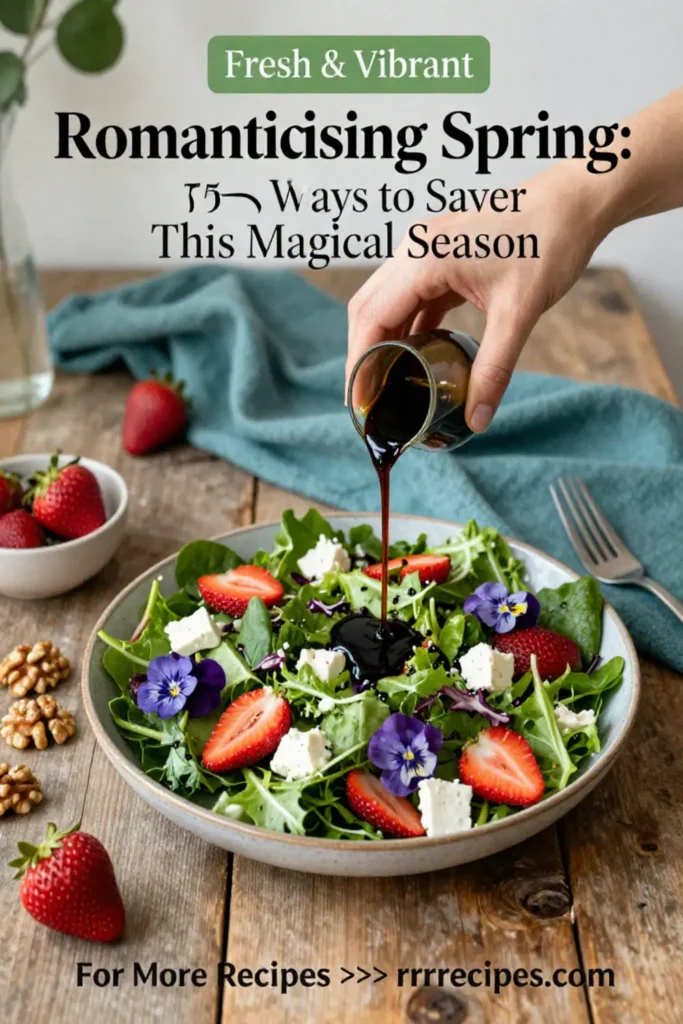
Romanticizing Spring: 5 Ways to Savor This Magical Season
Spring is a time for renewal and revitalization, with blossoms emerging and the air filled with fresh scents. It is the perfect season to indulge in culinary delights that reflect the beauty of nature. This guide presents five delightful ways to embrace the essence of spring through your cooking, ensuring that every dish you create feels special and fresh, perfect for both casual family gatherings and elegant dinner dates.
What Is Romanticising Spring: 5 Ways to Savor This Magical Season?
The concept of romanticizing spring revolves around capturing the vibrant flavors, colors, and textures of the season in your meals. By focusing on seasonal ingredients and fresh herbs, you can create dishes that not only taste incredible but also conjure feelings of warmth and comfort. Think about the tender greens, juicy fruits, and fragrant herbs that characterize spring. It’s all about making the most of these beautiful offerings to create memorable meals that highlight this magical time of year.
Why You’ll Love This
One of the main reasons to embrace spring cooking is the sheer variety of fresh, locally available ingredients. Not only does this enhance the flavor of your dishes, but they also tend to be more nutritious. Romanticizing spring through cooking allows you to break free from the winter monotony, inviting a sense of renewal and inventiveness into your kitchen. You’ll find that meals inspired by spring are often lighter and awaken the senses with their vibrant colors and fresh tastes. Creating these meals is not just about food; it’s about celebrating life, growth, and the joys of nature.
Ingredients You’ll Need
To make the most out of your romantic spring meals, gather the following ingredients:
- Asparagus (1 lb): Fresh asparagus is tender and bursting with flavor. It adds a crisp texture and can be roasted or steamed to enhance its natural sweetness.
- Strawberries (2 cups): These seasonal jewels are juicy and sweet, perfect for desserts or salads. They bring a vibrant color and a hint of sweetness to your dishes.
- Lemon (2): The zesty flavor of lemons adds brightness to any dish, making them essential for spring recipes. Their juice can enhance salads or dressings.
- Fresh herbs (1 bunch each of basil and mint): Aromatic herbs add layers of flavor and freshness to your meals, elevating simple dishes to something extraordinary.
- Baby greens (4 cups): A mix of young lettuces and greens can serve as a base for salads or be sautéed lightly for a nutritious side.
- Chicken breasts (1 lb): Lean protein that can be grilled, baked, or sautéed. Chicken absorbs flavors beautifully and pairs well with spring vegetables and herbs.
- Quinoa (1 cup): A nutritious grain that adds a hearty texture and nutty flavor to your dishes. It’s perfect for salads or as a side dish.
How to Make
To create delightful spring dishes using the ingredients mentioned above, follow these steps:
- Prepare the Asparagus: Rinse the asparagus under cool water and trim the woody ends off. Toss them with olive oil, salt, and pepper before roasting in a preheated oven at 400°F for about 15-20 minutes until tender and slightly caramelized.
- Make the Quinoa: Rinse one cup of quinoa under running water, then combine it with two cups of water or vegetable broth in a saucepan. Bring to a simmer, cover, and cook on low heat for about 15 minutes or until the liquid is absorbed. Fluff with a fork and set aside.
- Prepare the Chicken: Season chicken breasts with salt, pepper, and lemon juice. Heat olive oil in a skillet over medium heat and cook the chicken for 6-7 minutes on each side until golden and fully cooked. Let it rest before slicing into strips.
- Mix the Greens and Dressing: In a large bowl, combine baby greens and chopped fresh herbs like basil and mint. Drizzle with olive oil and lemon juice, season with salt and pepper to taste, and toss gently.
- Assemble Your Plate: Start with a base of the herb salad, add a generous scoop of quinoa, and top it off with roasted asparagus and sliced chicken. Garnish with strawberries for a touch of sweetness and color.
- Garnish and Serve: Drizzle any remaining dressing over the plated dish and serve. This healthy and beautiful spring meal will surely impress everyone at the table.
Variations & Substitutions
Vegetarian Variation: For a vegetarian option, replace the chicken with grilled tofu or chickpeas. Both ingredients absorb flavors well and provide excellent protein alternatives.
Quinoa Salad Alternative: Instead of serving your chicken and vegetables over a bed of greens, consider making a quinoa salad. Mix cooked quinoa with diced cucumbers, bell peppers, and parsley for a refreshing twist.
Add Seasonal Fruits: Incorporate other seasonal fruits like peaches or blueberries into your meals for different flavor profiles. They can be great additions to salads or as dessert toppings.
Hearty Grain Option: Swap quinoa for farro or barley for a more rustic texture. These grains have earthy flavors and pair beautifully with spring veggies.
Spiced Variations: Experiment with spices like paprika or cumin on your chicken for added complexity. A little adventurous seasoning can take your dish from ordinary to extraordinary.
Common Mistakes to Avoid
One common mistake is overcooking asparagus, leading to a mushy texture instead of the desired crispness. Monitor closely during roasting and pull it out once it’s tender.
Another pitfall is not seasoning adequately. Don’t skimp on salt, pepper, and fresh herbs – these are essential for bringing out the flavors of your ingredients.
A third mistake often made is experimenting too much without knowing how certain flavors interact. It’s crucial to start with small amounts of added spices or herbs and adjust according to taste after cooking, rather than overwhelming the dish from the start.
Lastly, forgetting to allow the meat to rest after cooking can result in dry chicken. Make sure to let your cooked protein rest for at least 5 minutes to retain moisture before slicing.
Storage, Freezing & Reheating Tips
To ensure that your delicious spring meal remains safe and flavorful, consider the following storage tips. First, allow leftover dishes to cool to room temperature before transferring them to airtight containers. These meals can typically be stored in the refrigerator for up to three days.
For longer storage, consider freezing portions of your quinoa salad or roasted vegetables. Make sure to use freezer-safe containers or bags, removing as much air as possible to prevent freezer burn. These can last for up to three months.
When reheating, ensure that meals are heated through to 165°F to eliminate any potential bacteria. Consider reheating in the oven for best texture, particularly for roasted vegetables, instead of using a microwave, which may lead to sogginess.
Frequently Asked Questions
What is the best way to choose fresh asparagus? Look for bright green stalks that are firm and tightly closed at the tips. Avoid any that are limp or have open tips, as these may not be fresh.
Can I use frozen spinach instead of fresh greens? Yes, frozen spinach can be used, but be sure to thaw and drain any excess water. Fresh greens offer a different texture and flavor, but frozen can be a convenient alternative when fresh isn’t available.
How can I make this meal more kid-friendly? You can make the meal more appealing to children by presenting it in fun shapes or by incorporating flavors they already like. For example, adding cheese to the quinoa or using chicken nuggets can make it more exciting.
Can I prepare this meal in advance? Many components can be prepped in advance, such as cooked quinoa and grilled chicken. Just assemble everything fresh before serving to maintain quality.
What are some good pairings for this spring dish? Consider serving a light white wine or a refreshing lemonade alongside your meal. A crisp white salad, like a fennel and citrus salad, also pairs beautifully as a side dish for balance.
Conclusion: Romanticizing spring through your meals is an enjoyable and fulfilling experience. By focusing on fresh, seasonal ingredients, you can create delightful dishes that truly capture the essence of the season. Embrace creativity in your cooking, experiment with flavors, and savor every bite of the vibrant springtime harvest.