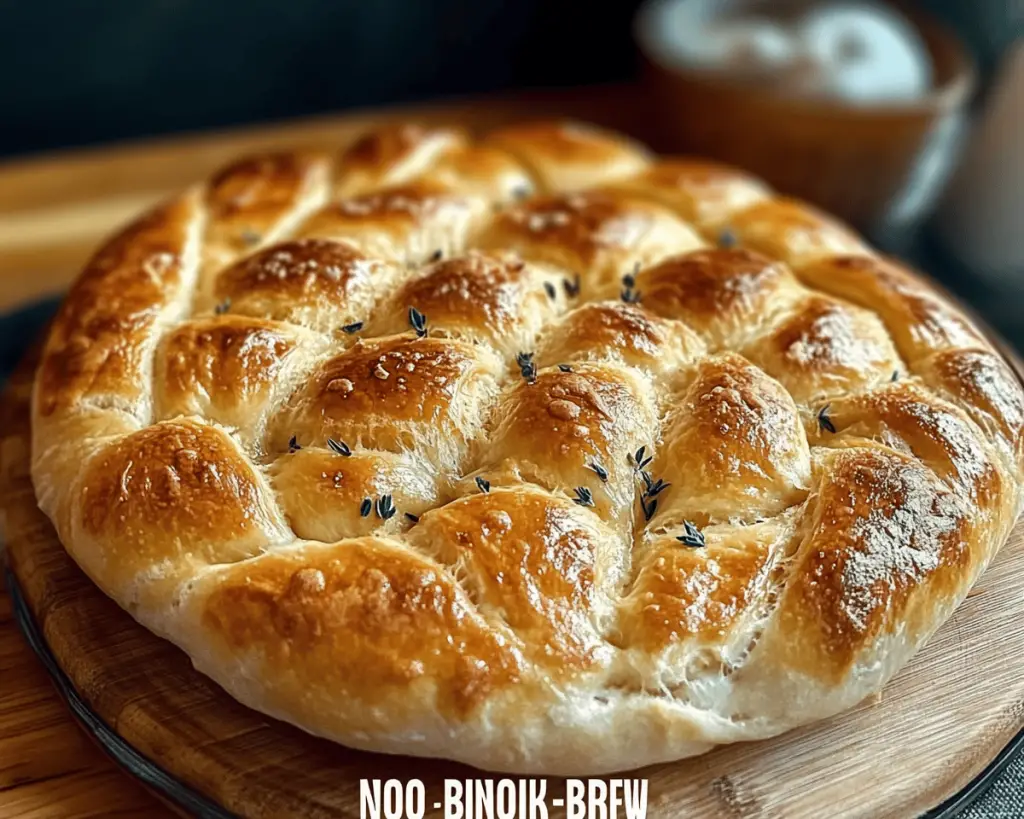
There was a time when the mere thought of baking bread made my heart race — in a not-so-pleasant way. The idea of kneading dough and tending to it in an oven seemed reserved for seasoned bakers, or at least those who did not panic at the first sight of yeast. But that changed one autumn afternoon, the air filled with a crispness that whispered promises of warmth and comfort. I found myself sitting in my small kitchen, a steaming mug of tea in hand, and my phone open to a video featuring the unmistakable easy charm of No-Oven Turkish Bread.
That day, I felt an insistent tug at my heart, a desire to lose myself in the kitchen. It was more than just the bread that I craved; it was the companionship created through cooking. I can still picture my old friend, Aylin, perched on a stool, reciting the steps with the enthusiasm of someone sharing a cherished family secret. Her laughter became an accompaniment to the dim light that danced around the room, creating a bubble of joy just big enough for two.
Aylin grew up in Istanbul, where family dinners were rituals steeped in the warmth of shared laughter, spirited debates, and of course, delicious food. Every gathering would call for a bread that was as important as the main dish itself. She decided to share the recipe of her beloved No-Oven Turkish Bread, a nostalgic nod to her roots, and I — naive but eager — was more than ready to tackle this endeavor. That afternoon, I learned how simple ingredients could transform into something far greater, transcending the act of cooking into a passage of connection.
The magic lies in the process, in throwing together flour, salt, and yogurt, a strange yet comforting amalgamation that would soon radiate beauty and warmth in ways that only food can. It was an invitation into an age-old tradition, one that felt both unfamiliar and achingly personal. As I pressed my fingers into the dough, I could feel the stresses of the day coalesce into something tangible and soothing; in that moment, I embraced the rhythm of creation.
Inside the Ingredients of No-Oven Turkish Bread
Let’s dive into the elements of this heartwarming recipe, each one playing a role that is not just functional, but emotionally significant for anyone lucky enough to nibble on this homemade delight.
All-Purpose Flour: The canvas of our bread, flour represents possibility. As I sift or measure this unassuming powder, I am reminded of the generations before me who worked with the same essential ingredient to create nourishing sustenance. Its role in this bread is to bring structure and elasticity, playing a vital one in the resultant texture. Make sure you’re using good quality flour; it’s the backbone of the bread. If you’re feeling adventurous, sometimes I mix in a bit of whole wheat flour or even chickpea flour for an alternative texture.
Yogurt: Ah, this ingredient is the keystone of the whole process. Yogurt not only adds necessary moisture, but it also infuses a subtle tang, lighting up the flavors of the bread. The silky smoothness of yogurt is like a warm embrace, much like the hugs Aylin and I exchanged while waiting for our creation to rise – albeit, in a no-oven scenario. Greek yogurt works beautifully here, but regular plain yogurt can do just as well.
Baking powder: This magical agent is the bridge between dough and bread. It leavens the dough, making it rise without the need for yeast and lengthy wait times. However, I’ve learned not to rush this process — they say patience is a virtue, and it shines apparent in bread making. You can even make your own by combining baking soda and cream of tartar if you find yourself without the usual option.
Salt: While often considered a mere seasoning, salt brings out the flavors of all the ingredients, enhancing their natural notes. Every time I add a pinch, it reminds me of the wisdom my grandmother passed down: “Salt is not just a condiment; it’s a connector.” Without it, our bread would fall silent.
Olive Oil: The rich, luscious oil brings a depth of flavor that simmers beneath the surface of the bread. Making sure to use a high-quality olive oil can lend a fragrant, fruity note to your creation. Whenever I pour this golden liquid into my bowl, the aroma takes me to sun-kissed Mediterranean shores, evoking memories of warm summer evenings with Aylin as we relished local street food.
In moments of improvisation, I’ve experimented with some additional spices: a sprinkle of za’atar or even sesame seeds to elevate the flavour just a tad more. Each adjustment feels like a brushstroke on an emotional canvas, a reflection of what I’m feeling and yearning.
How No-Oven Turkish Bread Fits Into a Balanced Life
It’s easy to think of carbohydrates as the enemy in today’s health-obsessed culture. However, there’s profound joy and nutrition in sharing a luscious piece of homemade bread with others. For me, No-Oven Turkish Bread symbolizes balance; it carries warmth without overwhelming, nourishment without guilt.
In these busy days, we often sidestep the small joys in favor of what seems more ‘responsible’ or ‘healthy,’ but this bread gently shakes that notion awake. It’s about enjoying what you eat while embracing moderation. Finding the sweet spot between health and enjoyment is a lesson I’m still learning.
No-Oven Turkish Bread can easily adapt to various dietary restrictions, too. Using gluten-free flour can make this recipe accessible for those with sensitivities, while substituting yogurt with a dairy-free alternative like almond or coconut yogurt opens the door for vegans and lactose-intolerant friends alike. Every time I share this bread with different circles—family dinners, brunches with friends, or even solo indulgent afternoons—I recognize how unassuming ingredients can knit together a sense of community.
This recipe is more than just a dish; it’s become my nourishment in tougher times, like those dark evenings during a particularly attempting season of my life. As I forged through the challenges, this bread became a comforting ritual — a reminder that something beautiful could be made from humble ingredients. I recall one particularly vivid memory of making it through a tough period of heartbreak, finding solace in the rhythmic kneading and the warm aroma filling my kitchen. It got me through those times and reminded me of the poetic relationship between food, sustenance, and healing.
What You’ll Need
– All-Purpose Flour: 3 cups
– Yogurt: 1 cup (Greek or plain)
– Baking Powder: 1 tablespoon
– Salt: 1 teaspoon (adjust to taste)
– Olive Oil: 2 tablespoons (plus more for cooking)
– Optional: Sesame seeds or Za’atar for topping
Yields: About 4-6 servings, depending on how generously you slice!
Preparing No-Oven Turkish Bread Step by Step
So, here’s where the magic really happens. First, take a deep breath and gather your ingredients. Feel the reassurance that you’re about to embark on a journey that’s as comforting as the end result.
Start by whisking together the flour, baking powder, and salt in a large bowl. Here’s a pro tip: I always take a moment to appreciate the nostalgic scent of flour mingling with salt — it pulls me back to my childhood cooking experiences. Once mixed, create a well in the center and pour in your luscious yogurt and olive oil.
At this point, it’s tempting to grab a fork and mix, but I like to get my hands in there. Embrace the mess! This is where the magic of tactile cooking comes alive. Give everything a good mix until the dough barely holds together, and don’t panic if it looks a bit shaggy. Mine always does at this stage, and it’s a testament to the process of creation.
Here’s where the true fun begins; sprinkle your countertop with a bit of flour and turn out the dough onto the surface. Kneading is cathartic — trust me on this. As you fold and press, it’ll transform into a smooth, expansive ball in about five to seven minutes. This dough will feel soft and pliable, ready to embrace heat in whatever form you choose.
Let it rest for about 15 minutes while you reflect on life or enjoy a cup of tea. I love to picture the bread’s destiny: golden and warm, sitting elegantly atop a cozy table full of food and laughter.
After it’s had its moment of zen, you’ll want to divide the dough into equally-sized balls. Using a rolling pin, carefully flatten each piece to about half an inch thick. This is where you can get creative: feel free to sprinkle some sesame seeds or za’atar on top if you wish.
In a non-stick skillet over medium heat, warm a bit of olive oil. The first time I heard the sizzle when placing the flattened dough in the pan, I felt a rush of excitement — after all that work, I could finally hear the bread coming to life! Cook each side for around 2-4 minutes until you see those golden-brown spots emerge.
Keep an eye out for slight puffs of air; that’s the sign of perfect cooking. As it cooks, enjoy the tantalizing smells that fill your kitchen, reminding you of how satisfying the simplest recipes can be.
Once cooked, remove it from the pan and allow it to cool slightly on a wire rack. I usually can’t wait too long; the bread feels like a blanket on a cold day. Slice it or tear it — whatever brings you joy — and pair it with some olive oil and herbs, hummus, or whatever your heart desires.
And there it is: your golden round of joy, ready to be savored and shared with those you love.
Lessons from My Kitchen
Through the years of making No-Oven Turkish Bread, I’ve stumbled, I’ve grown, and I’ve learned. Several attempts did yield less-than-stellar results — dough that was too sticky or overworked can deflate the doughty spirit of this beautiful bread. I had a particularly memorable incident where I forgot to add baking powder, thinking it was not an essential step. When the result was almost too dense to be considered bread, I learned a valuable lesson: don’t skip the essentials!
Also, keep the spirit of experimentation alive. I’ve tried different spices, additives, and toppings that reflect my mood, the season, or whatever ingredients I happened to have. Harvest season brings rosemary and some roasted garlic, while winter calls for za’atar and za’atar-infused olive oil for a little warmth.
Through all these explorations, I’ve also realized that some of my fondest memories are created around this bread. I recall hosting gatherings filled with laughter and card games, playing music, and then sharing slices of fresh bread — the unifier that turned acquaintances into friends and friends into family. It is an evocation of love and connection.
One can learn so much from the kitchen, not just about food but about life’s lessons of patience, adaptation, and pleasure. The act of cooking surrounded by those we cherish creates a memory stone, a foundation of stories and good times shared. As Aylin would say, “Food is how we tell our stories.”
(Closing Thought)
Today, No-Oven Turkish Bread is more than a recipe for me; it is woven into the narrative of my life. It symbolizes connection, home, and the warmth that transcends the mere act of cooking. It reminds me that while life can be hasty and complicated, there are also moments of simplicity that nourish our souls.
So, if you find yourself yearning for a slice of warmth and community, I invite you to step into your kitchen and embrace the spontaneity of this creation. Whether shared or savored alone during a quiet moment, trust that within every mouthful lies the potential to weave your own tapestry of memories. Let the bread bring you the joy it continues to bestow upon me.