Prep time: 15 minutes
Cook time: 30 minutes
Total time: 45 minutes
Servings: 4
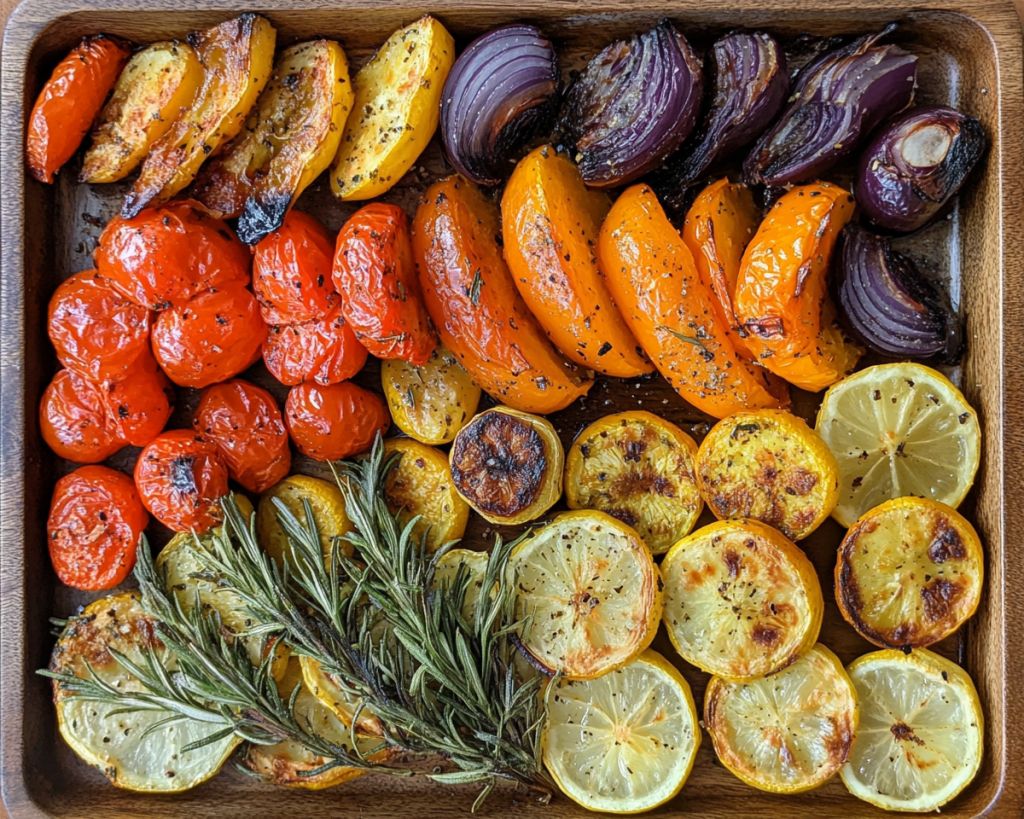
When the aroma of fresh Mediterranean spices fills your kitchen, it’s hard not to feel a sense of excitement for what’s to come. Mediterranean Roasted Vegetables Tray is more than just a side dish; it’s a delightful medley of colors and flavors that captures the essence of the region’s cuisine. Perfect for busy weeknights or weekend gatherings, this recipe showcases vegetables roasted until tender and caramelized, offering a wonderful balance of sweetness and earthiness.
This dish isn’t just delicious; it’s packed with nutrients and showcases some of your favorite vegetables, making it a healthy addition to any meal. You’ll not only learn how to create a scrumptious tray of roasted vegetables but also discover various tips and tricks to elevate your dish. From roasting techniques to ingredient tweaks, this guide will help you make the most of your cooking experience.
What Is Mediterranean Roasted Vegetables Tray?
Mediterranean Roasted Vegetables Tray is a vibrant dish that beautifully showcases the flavors and textures of the Mediterranean region. Traditionally, it combines a variety of seasonal vegetables, such as bell peppers, zucchini, eggplant, and cherry tomatoes, which are then coated in olive oil and seasoned with Mediterranean herbs like thyme, oregano, and basil. The roasting process caramelizes the sugars in the vegetables, producing a satisfying mix of tender and slightly crispy bits that will have your taste buds dancing.
The origins of this dish can be traced back to various Mediterranean cultures that celebrate vegetable-centric cooking. The result is more than just a side dish; it’s an experience. The flavor profile is both complex and comforting, creating a delightful harmony of savory and slightly sweet notes. Each bite not only provides a wonderful texture but also brings a warm, inviting aroma, painting a sunny scene reminiscent of alfresco dining along the Mediterranean coast.
With minimal effort and the right combination of ingredients, you can create a dish that feels both rustic and refined. The key cooking techniques involved in roasting these vegetables play a fundamental role in ensuring that each vegetable retains its natural flavors while complementing one another.
Why You’ll Love This
You’ll love Mediterranean Roasted Vegetables Tray for many reasons. First and foremost, the taste is unbeatable—each bite bursts with flavor, thanks to the blend of spices and roasting methods. Not only is it packed with vitamins and minerals, making it a healthy option, but it’s also cost-effective. Seasonal vegetables are often more affordable, allowing you to fill your plate without breaking the bank.
In a time where meal prep is essential for busy individuals or families, this dish shines. It can be made in large batches, is easily reheated, and can serve multiple purposes—transforming an ordinary meal into something extraordinary. Plus, it adapts well to various dietary restrictions, whether it’s being served to vegetarians, vegans, or those simply looking to eat a bit healthier.
However, there are misconceptions about roasting vegetables. Many believe that all vegetables should be cooked the same way, resulting in overcooked or unevenly roasted dishes. That’s where this recipe shines: emphasizing specific cooking times and techniques for different vegetables ensures a perfect balance of texture and flavor. By following this recipe closely, you’ll avoid common pitfalls, allowing you to elevate your culinary skills even if you’re a beginner.
Ingredients You’ll Need
- Bell Peppers: Choose a mix of colors for a vibrant dish. They provide sweetness and crunch and can be substituted with any variety you prefer.
- Zucchini: This vegetable adds a lovely tenderness. If unavailable, summer squash works just as well.
- Eggplant: Its unique texture and flavor make it essential for authenticity. If you want a lower-carb option, consider using mushrooms instead.
- Cherry Tomatoes: Sweet and juicy, they burst in your mouth when roasted. Substitutes can include grape tomatoes or even sun-dried tomatoes for a robust flavor.
- Red Onion: It contributes a beautiful bite. You can swap this for shallots or yellow onions if needed.
- Olive Oil: Essential for roasting, it helps caramelize the vegetables. Extra virgin olive oil is preferable, but any light oil works for this recipe.
- Garlic: Fresh garlic adds a wonderful aroma and flavor. For convenience, garlic powder can be used as a substitute.
- Fresh or Dried Herbs: Rosemary, thyme, oregano, and basil enhance the overall flavor. You can use dried herbs if fresh ones are unavailable, but this may slightly alter the taste.
- Salt and Pepper: Essential seasonings to bring all the flavors together. Always adjust according to your personal taste!
How to Make
- Preheat your Oven: Begin by preheating your oven to 425°F (220°C). This high temperature is crucial for achieving that beautiful caramelization on the vegetables, which brings out their natural sweetness. A hotter oven helps to cook the vegetables evenly, allowing them to roast rather than steam.
- Prepare Your Vegetables: Wash and chop your bell peppers, zucchini, eggplant, cherry tomatoes, and red onion into bite-sized pieces. Aim for uniform sizes to ensure even cooking throughout. For the eggplant, you may want to sprinkle it with salt and let it sit for 20 minutes to draw out excess moisture and bitterness. Rinse and pat dry with a towel before adding to the tray for roasting.
- Mix with Olive Oil: In a large mixing bowl, combine the chopped vegetables. Drizzle with olive oil and toss well to coat all pieces evenly. Using enough oil is essential; it helps in the cooking process and prevents sticking. Be generous but not excessive. Just enough oil to coat the vegetables should suffice.
- Add Aromatics and Season: Mince the garlic and sprinkle it over the vegetables along with your herbs, salt, and pepper. Toss everything again until the ingredients are well combined. At this point, you might want to taste a small piece to ensure the seasoning hits the right balance—adjust as needed!
- Roast the Vegetables: Spread the vegetable mixture evenly across a parchment-lined baking sheet. Avoid overcrowding, as this can lead to steaming instead of roasting. Place the sheet in the preheated oven. Roast for about 25 to 30 minutes, stirring halfway through for even cooking. The goal is to have tender vegetables with golden-brown edges, which adds a lovely depth of flavor.
- Final Touches: Once removed from the oven, allow the roasted vegetables to cool slightly. This dish can be served warm or at room temperature. The aromas should be enticing, and the colors vibrant. Garnish with extra fresh herbs or a splash of balsamic vinegar for an elevated taste.
Variations & Substitutions
Italian Variation: Swap the herbs for a traditional Italian blend featuring basil, oregano, and parsley. You can also add slices of zucchini and yellow squash for added diversity in texture. This variation pairs beautifully with pasta as a side dish or mixed in as a topping.
Spicy Variation: To give your Mediterranean Roasted Vegetables Tray a kick, add sliced jalapeños or a pinch of crushed red pepper flakes to the mix before roasting. This version is not only great for spice lovers but can also complement grilled meats or tacos, adding an exciting flavor dimension.
Root Vegetable Variation: Switch things up by using root vegetables like carrots, sweet potatoes, and parsnips, which will provide a delightful sweetness when roasted. This variation is perfect for those colder months, serving as a cozy side dish. The textures will be heartier, and the earthy flavors will be quite satisfying.
Greek Inspired Variation: Add kalamata olives and feta cheese to the roasted vegetable mix after removing it from the oven. The brininess of the olives and the creamy texture of the feta will enhance the Mediterranean flavors, and this version pairs exceptionally well with grilled chicken or lamb.
Common Mistakes to Avoid
One common mistake when making Mediterranean Roasted Vegetables is overcrowding the baking sheet. This results in steamed vegetables instead of roasted ones. Make sure each piece has enough space to roast properly; if necessary, use two baking sheets.
Another point to keep in mind is the timing. Different vegetables have varying cooking times, leading to unevenly roasted results. For example, carrots may require longer roasting than zucchini. A quick tip is to cut larger pieces to match the size of smaller ones or add sturdier vegetables to the tray earlier in the cooking process.
Always remember to season properly; under-seasoned vegetables can result in a bland dish. Don’t shy away from using herbs and spices generously, as they are the backbone of Mediterranean cuisine. Lastly, keep an eye on the oven towards the end of the cooking time. Carryover cooking can quickly turn perfectly roasted vegetables into mushy ones.
Storage, Freezing & Reheating Tips
Storing Mediterranean Roasted Vegetables is easy. Allow the dish to cool completely before placing it in an airtight container in the refrigerator. They should last for about 3 to 5 days. For meal prep enthusiasts, this makes a fantastic option for sides during the week. You can simply take out portions as needed and pair them with proteins or grains.
If you want to freeze the roasted vegetables, spread them out on a baking sheet to freeze individually before transferring them to a freezer-safe bag. This prevents them from clumping together. They can retain their quality for about 2 to 3 months in the freezer. When you’re ready to eat, you can reheat them directly from frozen, adding a few extra minutes to the reheating process.
To reheat your Mediterranean Roasted Vegetables, you can warm them in the oven at 350°F (175°C) for about 10-15 minutes or until heated through. Alternatively, you can microwave them for quicker results, although this might make them a bit softer. Always remember to check the seasoning once reheated—sometimes, a touch of salt or drizzle of olive oil can make a world of difference.
Frequently Asked Questions
Can I use frozen vegetables for this recipe?
You can use frozen vegetables, but keep in mind the texture might differ since they release more moisture when cooked. To prevent sogginess, try roasting them for a bit longer than you would fresh vegetables.
What can I serve with roasted vegetables?
Mediterranean Roasted Vegetables pair well with a variety of dishes. They make an excellent side for grilled meats, fish, or even as toppings for pizzas and grain bowls. You can also enjoy them as part of a mezze platter with hummus and bread.
Can I make this dish vegan?
Absolutely! The recipe is inherently vegan, as it relies on vegetables and olive oil for flavor. You don’t need any animal products, making this dish perfect for anyone following a plant-based diet.
How can I make this dish more filling?
To make Mediterranean Roasted Vegetables Tray more filling, consider adding proteins such as chickpeas or lentils before roasting. They can easily absorb the flavors and add a hearty component to your dish. Quinoa or rice are also great options to serve alongside.
What types of herbs are best for this recipe?
Fresh herbs like rosemary, thyme, and oregano are classic for Mediterranean Roasted Vegetables. However, feel free to experiment with other herbs you enjoy. Parsley, dill, or basil can also add wonderful flavors, so don’t hesitate to mix and match!
Conclusion:
In summary, Mediterranean Roasted Vegetables Tray is a delightful, simple dish that can elevate any meal or serve as a standalone component. It is not only a feast for the eyes but also for the palate, offering a symphony of flavors and textures that speaks to both health and enjoyment. I encourage you to customize this recipe to fit your preferences, embrace seasonal vegetables, and make it your own. Whether you’re cooking for yourself or family, this dish promises satisfaction with every bite. Try it out, and don’t forget to share your experiences or variations with others!