### Prep Time
15 minutes
### Cook Time
10 minutes
### Total Time
25 minutes
### Servings
4 servings
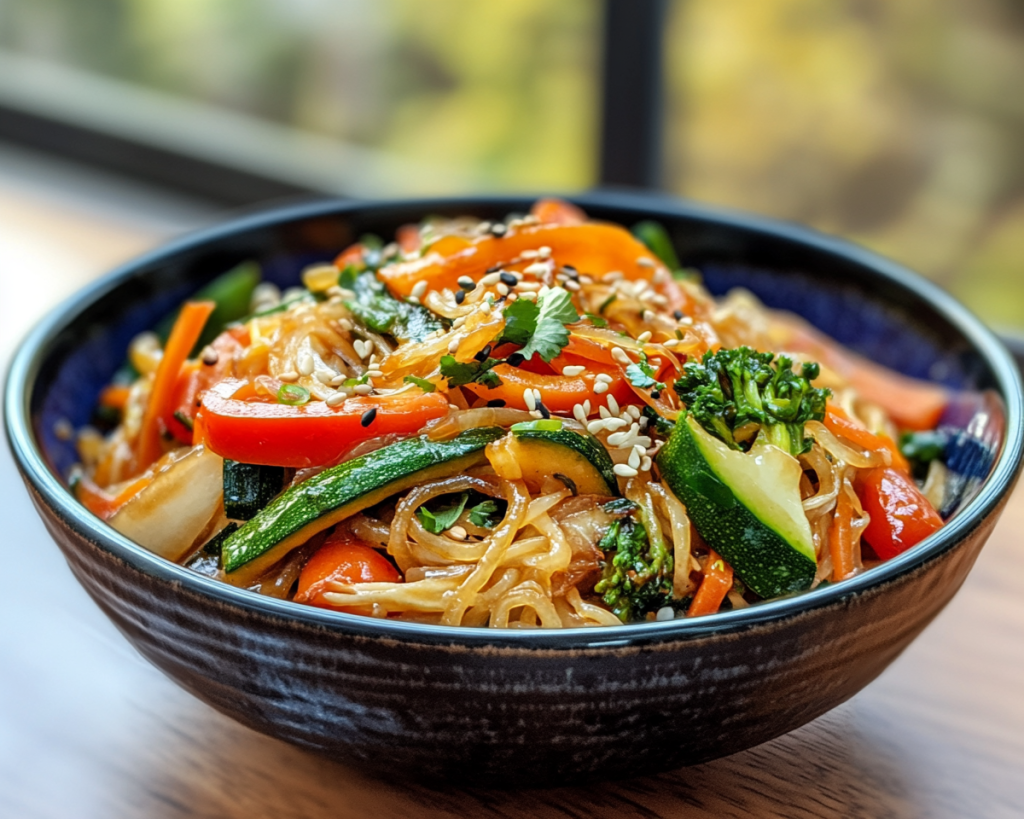
Vegetable stir fry is a culinary delight that combines vibrant colors, fresh flavors, and a satisfying crunch that makes it irresistible. If you’ve been searching for a dish that delivers on taste while keeping calorie counts in check, look no further than this **Low-Calorie Vegetable Stir Fry** recipe. Whether you’re a busy parent juggling meals during the week, a health-conscious individual, or someone simply looking to add more veggies to your plate, this dish is tailored just for you.
In this article, you’ll uncover the secrets to preparing a stunning vegetable stir fry that is not only low in calories but also bursting with flavor and nutrients. You’ll learn about the essential ingredients, step-by-step cooking instructions, variations to fit any diet preference, and tips to avoid common mistakes. So, let’s dive into this healthy culinary adventure that promises to satisfy your cravings without derailing your health goals!
What Is Low-Calorie Vegetable Stir Fry?
Low-Calorie Vegetable Stir Fry is a quick and nutritious dish traditionally featuring assorted vegetables stir-fried in a hot pan or wok with minimal oil. Originating from Asian cuisines, it celebrates the natural flavors of vegetables while incorporating various seasonings and sauces for enhanced taste. A typical stir fry might include a colorful medley of ingredients like bell peppers, broccoli, carrots, snap peas, and baby corn, all tossed together to achieve a delightful mixture of textures—crisp, tender, and juicy.
One of the best aspects of a vegetable stir fry is its versatility. The choice of vegetables and seasonings can easily be modified based on personal preferences, seasonal options, or dietary restrictions. Whether you favor the sweet crunch of snow peas or the savory depth of mushrooms, this dish can adapt to any palate.
Furthermore, **stir-frying** is a quick and efficient cooking method. Using high heat for a short period helps to retain the nutrients in the vegetables while achieving a mouth-watering caramelization on the surface. This not only keeps the stir fry vibrant and appealing but also enhances the overall flavor profile, making it a cornerstone for healthy eating.
Why You’ll Love This Low-Calorie Vegetable Stir Fry
There are numerous reasons to love this Low-Calorie Vegetable Stir Fry! First and foremost, the dish is **incredibly tasty**, combining fresh vegetables with savory sauces that create a delightful explosion of flavor in each bite. The bright and colorful presentation will make it a feast for both the eyes and the taste buds.
What’s more, this recipe is fantastic for those on a busy schedule. It’s quick to prepare, with a total time of only 25 minutes from start to finish. This makes it perfect for weeknight dinners or meal prep for the week ahead. Plus, cleaning up afterward is a breeze—most of the process entails stirring and chopping, which makes it great for novice cooks or anyone looking to streamline their kitchen experience.
From a health perspective, this stir fry is a **nourishing option** packed with essential vitamins and minerals. The variety of vegetables offers diverse nutrients, including vitamin C from bell peppers, fiber from broccoli, and antioxidants from leafy greens. Additionally, with minimal oil and seasoning, you can enjoy a satisfying portion without the worry of calorie overload.
If you’re on a budget, this dish is also exceptionally economical. You can use seasonal and local vegetables to reduce costs further, making it a **wallet-friendly** option that doesn’t compromise on quality.
Ingredients You’ll Need
Here’s a list of the essential ingredients that come together to create this healthy Low-Calorie Vegetable Stir Fry:
– **2 cups broccoli florets**: Provides a good source of vitamins C and K while adding a crunchy texture.
– **1 cup bell peppers, sliced**: Offers a burst of color and sweetness; you can use red, yellow, or green varieties based on preference.
– **1 cup snap peas**: Adds a sweet pea flavor and additional crunch while being low in calories.
– **1 cup carrots, julienned**: Brings natural sweetness and is a fantastic source of beta-carotene.
– **1 cup sliced mushrooms**: These add umami richness without adding many calories.
– **2 cloves garlic, minced**: Garlic contributes a fragrant aroma and flavors that elevate the dish.
– **1 tablespoon fresh ginger, minced**: Adds a zingy, warm flavor that pairs well with stir-fried veggies.
– **2 tablespoons soy sauce**: A low-calorie seasoning option that enriches the taste of the stir fry with its savory depth.
– **1 tablespoon sesame oil**: Offers a nutty flavor; a little goes a long way to enhance the aroma.
– **1 teaspoon red pepper flakes (optional)**: For those who enjoy a spicy kick in their stir fry.
– **Salt and black pepper to taste**: Essential for enhancing the flavors throughout the dish.
#### Ingredient Explanations:
– **Broccoli**: When selecting broccoli, look for vibrant green florets. You can substitute with cauliflower or green beans if desired.
– **Bell Peppers**: Choose peppers that are firm with smooth skin; avoid any with wrinkles or soft spots. Roasted red peppers can also be used for a different flavor.
– **Snap Peas**: These should be bright green and crisp. If they are not available, consider green beans as an alternative.
– **Carrots**: Fresh carrots are crucial for sweetness and crunch; baby carrots can work if finely sliced.
– **Mushrooms**: Button or cremini mushrooms are popular but feel free to use shiitake for an earthier flavor.
– **Soy Sauce**: Opt for low-sodium soy sauce for a healthier option, or try tamari sauce for gluten-free.
– **Sesame Oil**: If you’re sensitive to sesame, olive oil or avocado oil can replace it.
How to Make Low-Calorie Vegetable Stir Fry
Creating a nourishing Low-Calorie Vegetable Stir Fry is straightforward. Here’s your step-by-step guide to whip up this delightful dish:
1. **Prep the Vegetables**: Start by washing all your vegetables under cool water. Pat them dry with a clean kitchen towel. For the broccoli, cut it into small florets; for the carrots, slice them into thin matchsticks. Slice the bell peppers into strips, and keep snap peas whole.
2. **Mise en Place**: Before you get cooking, have all your ingredients prepped and ready. Chop the garlic and ginger finely, and gather the soy sauce, sesame oil, and any spices you want to use. This preparation will make the cooking process flow smoothly and let you focus on achieving the best stir fry possible.
3. **Heat Your Pan or Wok**: Place a large non-stick skillet or wok over medium-high heat. Allow it to preheat for about 2–3 minutes. A hot cooking surface is crucial for achieving that beautiful stir-fry sear and keeping the veggies crisp.
4. **Add Oil and Aromatics**: Add 1 tablespoon of sesame oil to the pan first, swirling it around to coat the bottom. Then add the minced garlic and ginger, sautéing them for about 30 seconds until fragrant. This step lays down a flavorful foundation for your stir fry.
5. **Incorporate Vegetables**: Add the broccoli and carrots to the pan first, as they take longer to cook. Stir frequently for 2-3 minutes, allowing them to achieve a bit of tenderness while still retaining their vibrant color.
6. **Add Remaining Vegetables**: Next, toss in the bell peppers, snap peas, and mushrooms. Stir for an additional 3-4 minutes until all the vegetables are tender-crisp. Keep the heat high; this prevents the vegetables from steaming and losing their crispness.
7. **Season the Stir Fry**: Drizzle in the soy sauce and toss everything together until the veggies are evenly coated. If you enjoy heat, sprinkle in the red pepper flakes at this stage. Continue to stir for an extra minute to blend the flavors.
8. **Taste and Adjust**: Taste a piece of broccoli or bell pepper and adjust the seasoning with salt and black pepper as needed. The soy sauce will typically add enough saltiness, so proceed cautiously.
9. **Serve Hot**: Once cooked, remove the pan from heat. Transfer the stir fry to a serving dish and garnish with sesame seeds or sliced green onions if desired. Serve immediately for the best flavor and texture!
10. **Pair and Enjoy**: This stir fry pairs beautifully with steamed brown rice, quinoa, or as a filler in whole wheat wraps. It’s a light and satisfying meal that can easily be adapted to your whims.
5 Variations & Substitutions
1. **Add Protein**: Boost the nutrient profile by adding tofu, chicken breast, or shrimp. For tofu, cube it and pan-fry separately before adding it to the stir fry. Chicken and shrimp should be briefly sautéed at the beginning until just cooked through before adding the vegetables. This option caters to those looking for a more filling meal while providing healthy protein.
2. **Use Frozen Vegetables**: For ultimate convenience, frozen vegetable mixes can save you time and effort during preparation. Just toss them in directly without thawing; they’ll take a little longer to cook but still result in a delicious meal. Stick with vegetables like stir fry mixes that contain onions, broccoli, and bell peppers.
3. **Spicy Thai Variation**: Swap soy sauce with fish sauce or tamari for a gluten-free option, and add Thai basil and lime juice before serving. Incorporate sliced red chili peppers for additional heat; this variation will transport you to Thailand without leaving your kitchen.
4. **Sweet and Sour Twist**: For a sweet twist, add pineapple chunks or bell peppers coated with a mix of pineapple juice and soy sauce. This adds a lovely sweetness that balances out the salty flavor. You might even incorporate brown sugar or honey to further amplify the dish’s complexity.
5. **Zoodles Instead of Rice**: Substitute traditional rice with spiralized zucchini (zoodles). This version is low-carb while being incredibly refreshing. The zoodles can be added to the pan with the vegetables during the last minute of cooking to warm them through without getting too limp.
Common Mistakes to Avoid
Creating a delicious stir fry may seem simple, but there are common pitfalls to watch out for. Here are a few mistakes to avoid that can drastically affect the outcome of your dish:
– **Overcrowding the Pan**: One of the biggest mistakes is packing too many vegetables in the pan at once. This leads to steaming instead of searing, causing the vegetables to become soggy. Aim for a single layer of vegetables, or cook in batches to achieve that perfect tender-crisp texture.
– **Not Prepping First**: Failing to mise en place can lead to chaotic cooking. In stir frying, timing is crucial; vegetables cook quickly, and you don’t want to be chopping while your food is simmering. Always prepare and measure your ingredients ahead of time to allow for smooth cooking.
– **Heat Too Low**: Cooking on low heat is another mistake that can lead to lackluster results. Achieving that beautiful char and crispness requires high heat. While it may feel intimidating, most home stoves can handle it. Just remember to be cautious and keep stirring to prevent burning.
– **Ignoring Flavor Balance**: When seasoning, it’s essential to strike a balance between salty, sweet, and spicy. Start small with soy sauce and gradually add more as compatibility permits. Use a taste test to get it to your preference; often, simple adjustments can elevate a dish greatly.
– **Not Cooking Hard Vegetables First**: It’s essential to understand which vegetables require longer cooking times. Carrots and broccoli, for example, should be added before quicker-cooking additions like bell peppers and snap peas. This timed approach ensures all vegetables are perfectly cooked.
Storage, Freezing & Reheating Tips
Proper storage is vital to maintain the freshness of your Low-Calorie Vegetable Stir Fry. Here are some practical tips to ensure your meal stays tasty and safe:
– **Storage**: Allow any leftovers to cool completely before storing them in an airtight container. They can remain refrigerated for up to 3–4 days. Make sure to label the container with the date to keep track. When reheating, you may want to add a splash of water to help regain moisture.
– **Freezing**: While it’s best enjoyed fresh, this stir fry can be frozen for longer preservation. Portion the stir fry into freezer-safe bags or containers, ensuring there is room to expand. This can keep well for around 2–3 months. To prevent freezer burn, try to remove all excess air before sealing.
– **Reheating Tips**: When reheating frozen stir fry, let it thaw in the refrigerator overnight or use the microwave’s defrost setting. Once thawed, quickly heat it in a pan over medium heat, adding a sprinkle of water or broth to prevent drying out. Alternatively, reheating in the microwave works but can lead to softer vegetables.
Proper food safety practices are vital. Never refreeze thawed meals and ensure that all meals are reheated to at least 165°F (74°C) to eliminate any foodborne bacteria.
Frequently Asked Questions
1. **Can I use any vegetables for this stir fry?**
Yes, you can use virtually any vegetables you like! Some great options include zucchini, asparagus, or spinach. However, try to balance harder vegetables with softer ones, as different veggies require varying cooking times.
2. **Is stir frying healthy?**
Absolutely! Stir frying is a healthy cooking method that uses high heat and minimal oil. This technique helps retain nutrients while keeping the calories low. Opting for fresh vegetables and lean proteins further enhances its health profile.
3. **Can I make this stir fry gluten-free?**
Yes! Simply substitute soy sauce with gluten-free options like tamari or coconut aminos. Always check labels to ensure any additional sauces and condiments meet your dietary needs.
4. **What can I serve it with?**
This vegetable stir fry pairs well with a variety of sides. For a healthier option, serve it over brown rice, quinoa, or cauliflower rice. Whole grain wraps are another fun option for a meal that feels satisfying.
5. **How do I keep the vegetables from getting soggy?**
To prevent sogginess, ensure your pan is hot before adding the vegetables and avoid crowding them. Cooking each vegetable type separately can also help prevent steaming, leading to that desired crispness.
In conclusion, the Low-Calorie Vegetable Stir Fry is a delightful and healthy option that delivers on flavor while being easy to prepare. It’s nourishing, affordable, and adaptable to varied tastes and dietary preferences. Whether you decide to follow the recipe exactly or explore variations, I hope you find joy in creating this vibrant dish. Give it a try, customize it to your liking, and share it with family and friends—it’s a perfect way to promote healthy eating that everyone will enjoy!