**Prep time:** 15 minutes
**Cook time:** 15 minutes
**Total time:** 30 minutes
**Servings:** 4
Stir-frying is one of the quickest and healthiest ways to prepare a meal, and that’s exactly what we’re diving into with this low-calorie chicken stir fry recipe. With vibrant vegetables, lean protein, and a punch of flavor, this dish guarantees a satisfying dinner that you can whip up in no time. Whether you’re trying to lose weight or just want a lighter meal option, this stir fry is a strong contender for your dinner table.
In this article, we’ll explore the delightful world of stir-frying, why this particular low-calorie chicken stir fry is a staple in my kitchen, and how you can easily recreate it at home. You’re going to learn about essential ingredients, cooking techniques to enhance flavors, and some practical tips that’ll leave your family and friends raving about your culinary skills.
What Is Low-Calorie Chicken Stir Fry?
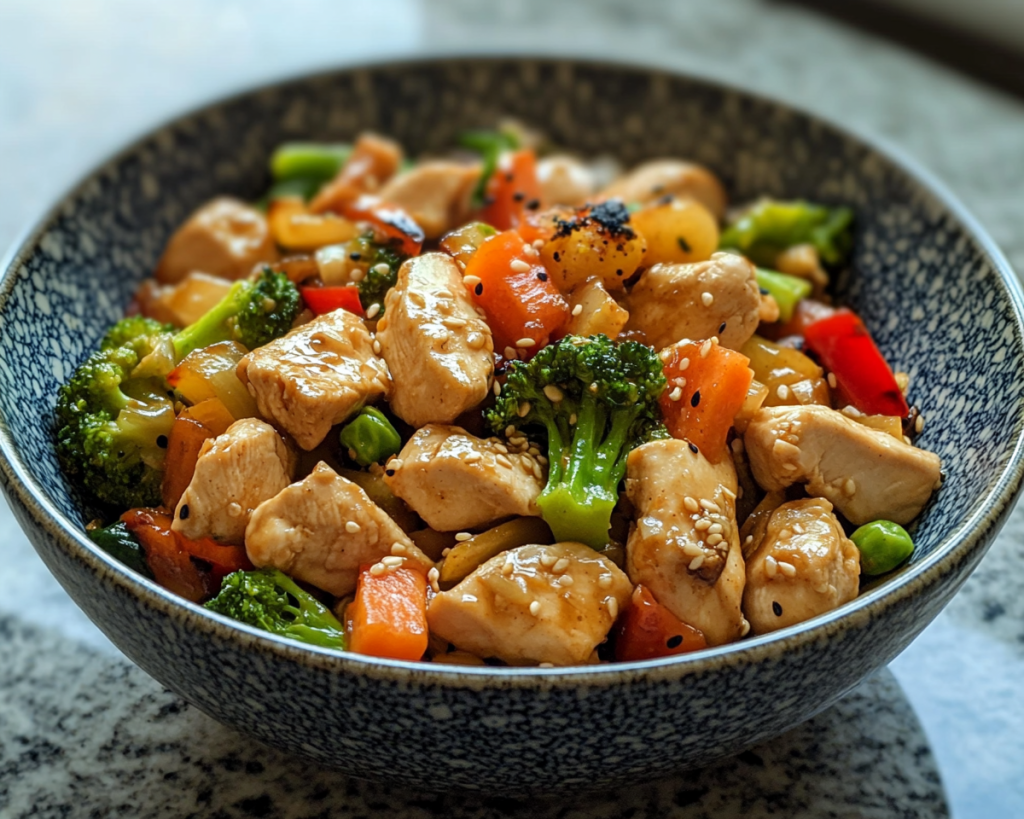
Low-calorie chicken stir fry is a dish that combines *lean chicken* and a variety of colorful vegetables, such as bell peppers, broccoli, and snap peas, all cooked quickly in a hot wok or skillet. This cooking method allows the ingredients to retain their natural flavors and nutrients while keeping the texture crisp. The dish is often seasoned with soy sauce, garlic, ginger, and a hint of sesame oil, which contribute to its savory taste.
Stir-frying originated in China centuries ago and has since spread globally. Infusing Asian-inspired flavors, blast-frying ingredients quickly gives a delightful char and depth, making it a favorite in many households. The beauty of low-calorie chicken stir fry lies not only in its delectable taste and exciting crunch but also in its versatility. You can easily adapt it to fit your dietary needs, making it an excellent choice for busy parents or anyone looking for a wholesome weeknight dinner.
Why You’ll Love This Low-Calorie Chicken Stir Fry
1. **Health Benefits:** This recipe is not only low in calories but also rich in nutrients due to the abundance of vegetables. Chicken is a great source of protein, which helps in muscle building and repair. Including various veggies boosts the vitamin and mineral content, making this dish nourishing on many levels.
2. **Ease of Preparation:** With a total cook time of just 15 minutes, this dinner idea is perfect for those hectic weeknights. The ingredient list is short, and the cooking process is straightforward, making it accessible even for beginner cooks.
3. **Customizable:** You can easily tweak ingredients based on what you have on hand or your dietary preferences. This flexibility allows you to experiment with flavors and textures, from juicy chicken thighs to vegan substitutes like tofu or tempeh.
4. **Cost-Effective:** Chicken and vegetables can be budget-friendly, especially if you buy in bulk or choose seasonal produce. This stir fry is a great way to use up leftover veggies, reducing waste while creating a delicious meal.
5. **Delicious Flavors:** Crisp vegetables, tender chicken, and savory sauces create a delightful fusion of tastes. The *umami flavor* from soy sauce, combined with the aromatic touch of garlic and ginger, will have everyone coming back for seconds.
Ingredients You’ll Need
To make your fabulous low-calorie chicken stir fry, you’ll need the following ingredients:
– **1 pound boneless, skinless chicken breast**: Lean chicken provides protein without unnecessary fat. You can also substitute with chicken thighs for a richer flavor.
– **2 cups mixed vegetables**: A combination of *bell peppers*, *broccoli*, *snap peas*, and *carrots* adds color and crunch. Feel free to substitute with any of your favorite vegetables.
– **2 tablespoons low-sodium soy sauce**: This ingredient adds depth and savory goodness to your stir fry. Opting for low-sodium helps control the salt intake.
– **1 tablespoon sesame oil**: Gives a nutty flavor that enhances the overall taste of your dish. You can use olive oil as an alternative if you prefer, but the flavor will differ slightly.
– **2 cloves of garlic, minced**: Fresh garlic infuses the dish with flavor and aroma, making it a must in any stir-fry recipe.
– **1 inch piece of ginger, minced**: Adds a delightful zing that pairs perfectly with garlic.
– **1 teaspoon cornstarch mixed with 2 tablespoons water**: This is used as a thickening agent to create a velvety sauce that clings to the chicken and vegetables.
– **1 teaspoon black pepper**: Gives warmth and slight spiciness to the dish.
– **Chopped green onions for garnish**: These add freshness and visual appeal to your plate.
How to Make Low-Calorie Chicken Stir Fry
1. **Prepare the Chicken**: Begin by slicing the boneless, skinless chicken breast into thin strips. This allows for quick cooking and maximizes the flavor absorption. Marinate the chicken with *black pepper* and a splash of *soy sauce* for about 10 minutes while prepping the vegetables.
2. **Chop the Vegetables**: While the chicken is marinating, wash and chop your mixed vegetables. Aim for bite-sized pieces to ensure even cooking. For example, slice bell peppers into strips, cut broccoli into florets, and snap off the ends of snap peas.
3. **Heat the Pan**: Preheat a non-stick skillet or wok over medium-high heat. Adding a bit of *sesame oil* helps prevent sticking and adds flavor. Wait until the oil shimmers before adding the chicken.
4. **Cook the Chicken**: Add the marinated chicken strips to the hot skillet. Spread them out evenly and cook for about 5-7 minutes without stirring too much. This allows the chicken to develop a nice sear. Stir occasionally until fully cooked and no longer pink in the center.
5. **Add Aromatics**: Once the chicken is cooked, push it to one side of the pan and add *minced garlic* and *ginger* to the other side. Sauté for about 30 seconds until fragrant, being careful not to let it burn.
6. **Stir in Vegetables**: Now, add your chopped vegetables to the pan and toss everything together. Cook for an additional 3-5 minutes, stirring frequently, until the veggies are tender yet still crisp.
7. **Create the Sauce**: In a small bowl, mix the *cornstarch* with the *water* and pour it into the stir fry along with any remaining *soy sauce*. Cook for another minute or two, stirring until the sauce thickens and evenly coats the chicken and veggies.
8. **Serve and Garnish**: Remove the stir fry from heat and scoop it onto serving plates. Garnish with chopped *green onions* for an added burst of flavor and color.
5 Variations & Substitutions
1. **Vegan Chicken Stir Fry**: Swap the chicken breast for *tofu* or *tempeh*. These plant-based proteins can absorb the flavors of the marinade beautifully. To prepare, press the tofu to remove excess moisture and cut it into cubes before cooking. Pan-frying until golden brown gives a satisfying texture.
2. **Low-Carb Version**: Replace traditional protein with *zucchini noodles* or *cauliflower rice* for a nutrient-packed, low-carbohydrate meal. Simply spiralize zucchini and sauté briefly to create a fresh base for the stir fry.
3. **Spicy Kicking Version**: Add a splash of *sriracha* or *chili flakes* to the sauce for a spicy kick. This heat beautifully complements the savory flavors and adds an exciting twist to the dish.
4. **Peanut Sauce Variation**: For a richer flavor, whisk together peanut butter, soy sauce, and a bit of honey for a quick homemade sauce. This creamy option pairs well with vegetables and chicken alike, offering a different culinary experience.
5. **Citrus Zing**: Incorporate the zest and juice of a *lime* or *lemon* for a refreshing twist. This bright flavor elevates the entire dish and gives a wonderful contrast to the savory elements.
Common Mistakes to Avoid
1. **Overcrowding the Pan**: One common mistake is adding too much chicken and vegetables at once. This leads to steaming rather than frying, resulting in a soggy stir fry. Always cook in batches or use a larger skillet to ensure everything gets a nice sear.
2. **Inadequate Heat**: Failing to preheat the skillet can also result in poor cooking. High heat is essential for stir-frying, as it creates that satisfying char. Ensure the skillet is hot enough so that ingredients sizzle upon contact.
3. **Not Marinating Protein**: Skipping the marination step can lead to bland chicken. Taking even a few minutes to marinate adds depth of flavor that elevates the entire dish.
4. **Burning Garlic and Ginger**: Garlic and ginger can burn quickly if added too soon or cooked at too high a temperature. Always add these aromatics after the protein is mostly cooked to prevent bitterness in your stir fry.
5. **Neglecting Texture**: Cooking vegetables too long can lead to a mushy consistency. Aim for crisp vegetables that can stand out against the tender chicken. You want them vibrant and crunchy for the best taste and presentation.
Storage, Freezing & Reheating Tips
Leftovers can be stored in an airtight container in the refrigerator for up to 3-4 days. When storing, let the stir fry cool to room temperature to avoid condensation inside the container, which can make the food soggy. If you want to freeze the stir fry, ensure it cools completely before transferring it to a freezer-safe container. Consume within 2-3 months for the best flavor.
When reheating, avoid using a microwave if you can; instead, heat gently in a non-stick skillet over medium-low heat. If using a microwave, utilize short bursts of heat, stirring in between to evenly warm the dish.
Frequently Asked Questions
1. **Can I use frozen chicken for this stir fry?**
Yes, you can use frozen chicken, but it’s essential to fully thaw it before cooking. Cooking chicken from frozen can lead to uneven cooking and may leave you with undercooked pieces. The best method is to thaw the chicken in the refrigerator overnight before proceeding with the recipe.
2. **What if I don’t have sesame oil?**
If you don’t have sesame oil, you can substitute it with olive oil or any vegetable oil. However, the flavor will differ. For added taste, consider drizzling a little sesame oil at the end of cooking to achieve that nutty flavor.
3. **Can I make this ahead of time?**
You can prepare the ingredients ahead of time and store them separately in the refrigerator. This way, meal prep is a breeze. However, it’s best to cook the stir fry fresh to preserve the vibrant colors and textures of the vegetables.
4. **Is this stir fry gluten-free?**
The stir-fry can be made gluten-free by using tamari or a gluten-free soy sauce. Ensure that any other sauces or condiments you use are also gluten-free to maintain dietary restrictions.
5. **What’s the best way to cut the chicken?**
For best results, slice your chicken breast against the grain. This means cutting across the fibers. This technique makes the chicken more tender and easier to chew, resulting in a more enjoyable dining experience.
In conclusion, this low-calorie chicken stir fry not only promotes healthier eating but also tantalizes your taste buds with its flavors and textures. Whether you’re a busy parent looking for a quick meal or someone who enjoys experimenting in the kitchen, this dish is sure to satisfy. Try it yourself, and feel free to customize to your heart’s content! Remember, cooking is all about creativity, and this low-calorie chicken stir fry is the perfect canvas. So, roll up your sleeves, gather your ingredients, and dive into this delightful culinary adventure. You won’t regret it!
[Read also: Easy Dinner Recipes for Families]