Prep time: 20 minutes
Cook time: 30 minutes
Total time: 50 minutes
Servings: 12
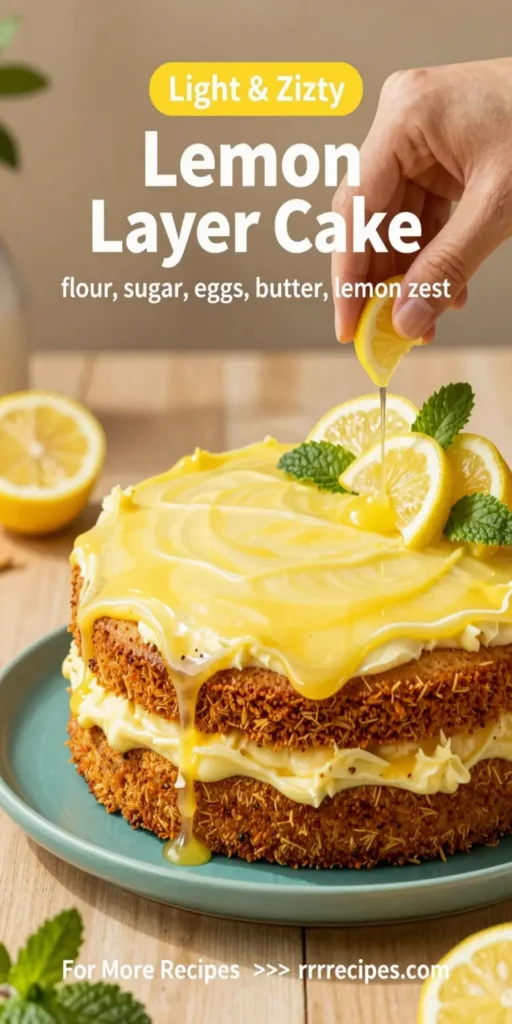
Lemon Layer Cake is a delightful dessert that brings a burst of sunshine to any occasion. This cake is perfect for celebrations or simply enjoying on a cozy afternoon with a cup of tea. Imagine slicing through moist layers of lemon-flavored sponge, filled and frosted with a luscious lemon cream. The balance of sweetness and tartness makes this treat utterly irresistible. Whether you’re a baking novice or a seasoned pro, this recipe will guide you in creating a show-stopping cake that will impress family and friends alike.
What Is Lemon Layer Cake?
Lemon Layer Cake is a classic dessert characterized by its layers of lemon-flavored sponge cake, typically frosted with lemon buttercream or cream cheese frosting. The cake is often light and fluffy, striking a perfect harmony between sweetness and tartness. This dessert showcases the bright flavor of lemons, making it a refreshing option, especially for spring and summer gatherings. The cake can be layered with lemon curd or even a simple whipped cream, adding to its delightful taste and texture.
Why You’ll Love This
You’ll absolutely adore this Lemon Layer Cake for multiple reasons. First, the flavor profile is refreshingly unique compared to more traditional cakes. The use of fresh lemons not only enhances the taste but also gives the cake a vibrant yellow color, making it visually appealing. Secondly, the textures you experience—from the fluffy sponge layers to the silky frosting—create a satisfying bite that you’ll keep coming back for. Lastly, this cake is versatile; it fits perfectly into various occasions, whether it’s a birthday party, a family gathering, or a simple get-together with friends. Making this cake can also become a cherished tradition in your household.
Ingredients You’ll Need
- 2 ½ cups all-purpose flour: The backbone of the cake, providing structure and stability.
- 1 ½ cups granulated sugar: Adds sweetness and helps achieve a soft texture.
- 1 cup unsalted butter, softened: Contributes to the cake’s moisture and provides a rich flavor.
- 4 large eggs: Essential for binding the ingredients together, adding richness to the cake.
- 1 cup buttermilk: Adds acidity, yielding a tender crumb and enhancing the cake’s flavor.
- 2 tablespoons freshly grated lemon zest: Infuses the cake with a bright, citrusy flavor.
- 1 tablespoon lemon juice: Enhances the flavor profile by adding tartness.
- 1 teaspoon baking powder: Helps the cake rise, creating a light and airy texture.
- 1 teaspoon baking soda: Works in conjunction with the acidic ingredients to ensure proper leavening.
- ½ teaspoon salt: Balances the sweetness of the cake and enhances flavors.
- For the frosting:
- 1 cup unsalted butter, softened: Forms the base of the frosting, leading to a creamy texture.
- 4 cups powdered sugar: Sweetens the frosting and gives it a fluffy consistency.
- 2 tablespoons lemon juice: Provides a zesty flavor that complements the sweetness of the frosting.
- 1 tablespoon lemon zest: Adds additional brightness and depth to the frosting.

How to Make
- Preheat the oven: Begin by preheating your oven to 350°F (175°C). Prepare your cake pans by greasing them with butter and lining the bottoms with parchment paper. This will ensure easy removal once the cakes are baked.
- Mix dry ingredients: In a medium bowl, whisk together the all-purpose flour, baking powder, baking soda, and salt. This will be the base for your cake, helping to evenly distribute the leavening agents.
- Cream butter and sugar: In a large mixing bowl, beat the softened butter and granulated sugar together until light and fluffy. This usually takes about 3-5 minutes and is crucial for achieving a light texture in your cake.
- Add eggs and flavors: One by one, add the eggs to the butter-sugar mixture, ensuring each egg is thoroughly incorporated before adding the next. Then, mix in the grated lemon zest and freshly squeezed lemon juice for enchanting flavor.
- Combine wet and dry ingredients: Gradually add the flour mixture and buttermilk to the creamed butter, alternating between each addition. Start and end with the dry ingredients. Do not overmix; you want the batter to be just combined for optimal fluffiness.
- Bake the cakes: Divide the batter evenly among the prepared cake pans. Bake in the preheated oven for about 25-30 minutes or until a toothpick inserted into the center comes out clean. Allow the cakes to cool in the pans for about 10 minutes before turning them out onto wire racks to cool completely.
- Make the frosting: In a clean bowl, beat the softened butter until creamy. Gradually add the powdered sugar and mix on low speed, then increase to medium until fluffy. Finally, mix in the lemon juice and zest, ensuring a well-combined and smooth frosting.
- Assemble the cake: Once the cakes are completely cooled, place one layer on your serving plate. Spread a generous layer of frosting on top, then place the second layer on top. Frost the top and sides of the entire cake for a beautiful finish.
Variations & Substitutions
Lemon Blueberry Layer Cake: Add fresh or frozen blueberries to the batter for a delightful twist. The tartness of the berries complements the lemon flavor and adds a burst of juiciness with every bite. Ensure to toss the blueberries in a bit of flour before adding them to the batter to prevent them from sinking.
Lemon Poppy Seed Cake: For a unique texture, consider adding poppy seeds to the batter. They provide a slight crunch and enhance the presentation of the cake. You can add about 2 tablespoons of poppy seeds to the dry ingredients. This variation is especially enjoyable for brunch occasions.
Gluten-Free Lemon Layer Cake: Use a gluten-free all-purpose flour blend in place of regular flour. Ensure that the blend contains xanthan gum, or add a teaspoon of xanthan gum to the mixture to help with texture. This way, gluten-free eaters can also enjoy a slice of this delicious cake.
Vegan Lemon Layer Cake: Substitute eggs with flaxseed meal (1 tablespoon of flaxseed meal mixed with 2.5 tablespoons of water equals 1 egg) and use plant-based butter and milk alternatives for the frosting. The lemon flavors will still shine through, making it just as enjoyable for vegan diets.
Lemon Cream Cheese Frosting: For an extra tangy kick, blend in cream cheese with your frosting. Replace half the butter with cream cheese to create a frosting that is rich, fluffy, and irresistibly creamy. This variation pairs exceptionally well with the bright flavors of lemon.
Common Mistakes to Avoid
One common mistake is overmixing the batter. Overmixing can lead to a dense cake that lacks the light and airy texture you desire. Mix until just combined, ensuring a fluffy end result. Another mistake is not properly measuring the flour, which can throw off the balance of your ingredients. Use a spoon to fluff the flour before scooping it into your measuring cup, then level it off with a knife for accuracy.
Don’t forget to let the cakes cool completely before frosting. If you frost while the cakes are warm, the frosting can melt and slide off, ruining your beautiful decoration. Also, while frosting, be sure to create a crumb coat first. This thin layer of frosting seals in the crumbs, allowing for a cleaner final coat that looks polished and professional.
Storage, Freezing & Reheating Tips
To store your Lemon Layer Cake, cover it tightly with plastic wrap or place it in an airtight container. Properly stored, it can last in the refrigerator for up to 5 days, maintaining its fresh taste. For longer storage, you can freeze the cake by wrapping it well in plastic wrap and then aluminum foil. This will keep it fresh for up to 3 months.
When it comes to reheating, it’s best to let the cake thaw in the refrigerator overnight. If you wish to serve it warm, you can microwave individual slices for about 10-15 seconds. Ensure that your cake does not dry out; check the texture before reheating it too long.
Frequently Asked Questions
Can I use store-bought lemon curd in this recipe?
Absolutely! Using store-bought lemon curd can save you time and still give you that tangy flavor boost. Feel free to layer it between the cake layers for an added citrus punch. Just ensure that you let the curd sit at room temperature for a bit if it’s too thick for spreading.
How can I make my cake more lemony?
To enhance the lemon flavor, consider using an additional tablespoon of lemon zest and an extra splash of lemon juice. You can also incorporate lemon extract into the batter to amplify that refreshing taste without adding too much liquid.
What if my cake layers dome up while baking?
If your cake layers dome, don’t worry! You can level them off with a serrated knife once they’ve cooled. Simply place the knife parallel to the counter and slice off the dome for a flatter surface, making assembling the cake easier.
How do I ensure my cake stays moist?
Ensuring that your cake remains moist can be achieved by not overbaking. Keep a close eye on the cakes in the oven and check for doneness at the earliest time suggested in the recipe. Additionally, brushing the cake layers with a simple syrup made from equal parts water and sugar can help lock in moisture.
Can I make this cake ahead of time?
Yes, this cake can be baked a day ahead. You can store the cooled cake layers wrapped in plastic wrap at room temperature or in the fridge. Just frost it on the day you plan to serve it to maintain the freshness of the frosting.
Conclusion: Making a Lemon Layer Cake is a rewarding experience that yields delicious results. This light and refreshing cake can brighten any occasion, bringing joy to those who get to enjoy it. Don’t hesitate to experiment with the variations mentioned; you may just find a new favorite! So, gather your ingredients and dive into this delightful baking adventure—your taste buds will thank you!