**Prep time:** 15 minutes
**Cook time:** 45 minutes
**Total time:** 1 hour
**Servings:** 6
January can feel heavy, especially after the indulgent holidays filled with sweet treats and festive meals. With the new year comes the desire to reset, not just our calendars but also our bodies. The January Weight Loss Soup is the perfect solution—a delightful, healthy detox meal that’s not only nutritious but also comforting. Are you looking for a light yet fulfilling dish that can help kickstart your health goals while warming your soul? You’ve come to the right place.
What makes this soup special is its combination of fresh veggies, lean protein, and wholesome herbs and spices, resulting in a hearty dish that’s incredibly satisfying. Packed with vitamins and minerals, it supports your immune system while helping you shed those extra holiday pounds. You’ll find it easy to make, great for meal-prepping, and something everyone in the family can enjoy. Let’s dive deeper into this gorgeous bowl of warmth that promises health benefits and delightful flavors.
What Is January Weight Loss Soup?
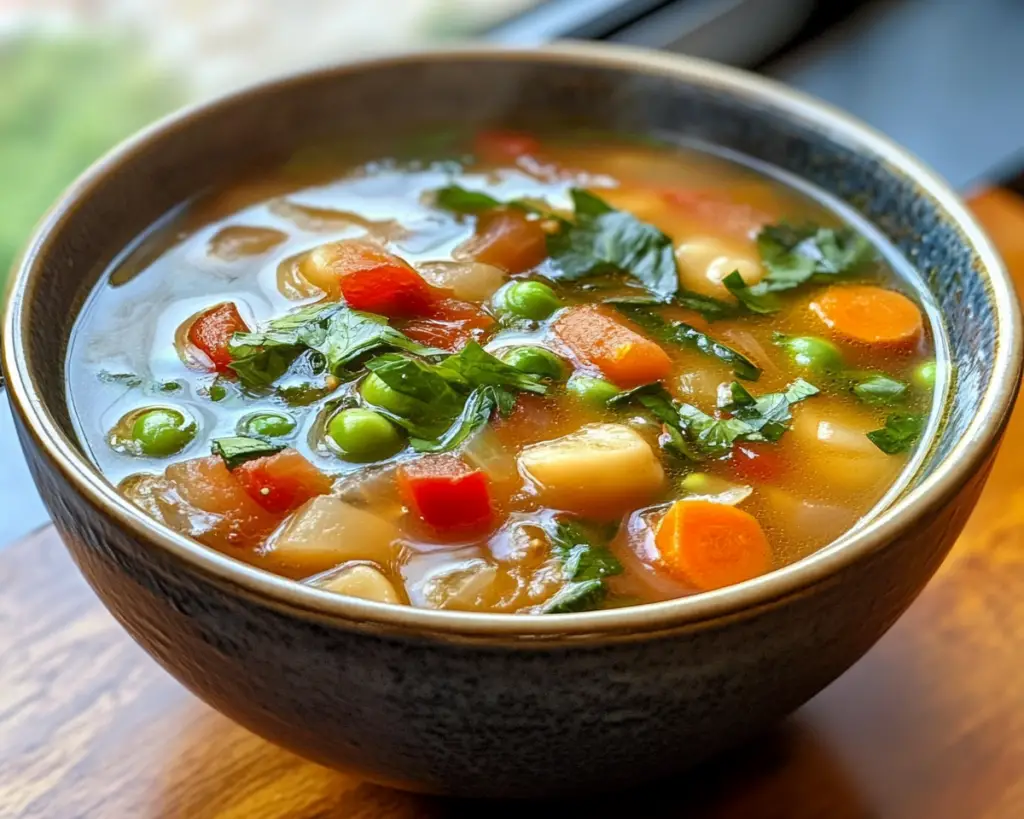
January Weight Loss Soup is a nutrient-dense soup designed for detoxification and weight management. Originating from the desire to eat lighter meals post-holiday season, this soup provides a perfect balance of texture and flavor. It features a medley of vibrant vegetables like carrots, celery, and greens, offering a satisfying crunch while being super low in calories. It’s often seasoned with aromatic spices such as garlic, ginger, and black pepper, intensifying the taste without adding unhealthy ingredients.
The soup’s base usually revolves around a light broth—either vegetable or chicken—which allows the fresh flavors of the vegetables to shine through. Additionally, incorporating lean proteins like chicken breast or legumes can make it more filling, making it an ideal meal for weight loss. Notably, while the soup is meant for detoxification, it’s genuinely delicious and leaves you feeling energized rather than deprived. With each spoonful, you’re not just enjoying a flavorful meal but engaging in a series of health benefits, such as improved digestion and increased metabolism.
This dish also aligns well with various dietary preferences, making it a versatile option. Whether you’re gluten-free, dairy-free, or simply looking for a heart-healthy meal, January Weight Loss Soup ticks all the boxes. Its bright colors and savory aroma make it an appealing dish to prepare, share, or even have as leftovers on a busy weeknight.
Why You’ll Love This January Weight Loss Soup
There are plenty of reasons to fall in love with this January Weight Loss Soup. First and foremost, the taste is unbeatable—each ingredient comes together beautifully to create a symphony of flavors. The earthy tones of the vegetables mingle with the fragrant herbs, producing a dish that’s both comforting and restorative.
Another major benefit is its **ease** of preparation. With a simple ingredient list and quick cooking time, you can have this soup on your table in about an hour. For busy parents and individuals juggling work and home life, this meal can fit seamlessly into your routine. Plus, it’s excellent for meal-prepping; make a big batch on Sunday, portion it out, and have delicious, healthy meals ready for the week.
In terms of **cost**, January Weight Loss Soup is budget-friendly. The ingredients are commonly available and often inexpensive, making it a practical choice for those keeping an eye on their spending. You can often find seasonal vegetables at local farmers’ markets or grocery stores at discounted rates.
Moreover, focusing on health, the soup is packed with essential nutrients that can aid in detoxification and weight loss. It contains fiber-rich vegetables that promote satiety, reducing the likelihood of overeating throughout the day. The cooking method of simmering also intensifies the flavors and nutrients, ensuring you’re consuming a meal that’s good for both your body and mind.
Finally, you can enjoy this soup guilt-free. It’s so versatile that you can customize it according to dietary preferences and ingredient availability—whether you’re opting for a vegetarian version or a high-protein alternative. No matter how you decide to prepare it, you’re in for a treat with this heart-warming bowl of goodness.
Ingredients You’ll Need
Here’s a comprehensive list of ingredients for your January Weight Loss Soup, along with explanations of their roles in the dish:
– **Carrots:** These bring sweetness and color to the soup. Rich in beta-carotene, carrots also support eye health and provide antioxidants.
– **Celery:** This adds a subtle flavor and crunch while being very low in calories. Celery helps hydrate and supports digestion.
– **Onion:** A classic aromatic, onions add a savory foundation to the soup. They are beneficial for heart health and have anti-inflammatory properties.
– **Garlic:** This powerhouse ingredient not only enhances flavor but also has various health benefits, including boosting the immune system.
– **Ginger:** Known for its anti-inflammatory properties, ginger adds warmth and a slight zing, aiding digestion and metabolism.
– **Bell Peppers:** Vibrant and crunchy, bell peppers are packed with vitamins A and C, known for boosting your immune system.
– **Spinach or Kale:** Leafy greens are nutrient-dense and provide essential vitamins and minerals. Their high fiber content helps keep you full.
– **Vegetable broth or chicken broth:** The base of the soup—using low-sodium broth keeps the dish hearty without excessive salt.
– **Lean Protein (chicken breast or chickpeas):** This makes the soup filling and satisfying. Lean proteins help build and repair tissues while providing energy.
– **Herbs and Spices (thyme, parsley, black pepper):** These add depth of flavor without unnecessary calories, enhancing nutrient absorption.
How to Make January Weight Loss Soup
1. **Prep the Vegetables:** Start by washing and chopping all your vegetables into bite-sized pieces. Ensure even sizes for consistent cooking. The vibrant colors of carrots, celery, and bell peppers will inspire you!
2. **Sauté the Aromatics:** In a large pot, heat a tablespoon of olive oil over medium heat. Add diced onions and cook until they become translucent, about 5 minutes. Stir in minced garlic and grated ginger, sautéing for an additional 2 minutes until fragrant.
3. **Add Vegetables:** Toss in the chopped carrots, celery, and bell peppers. Cook these for around 5-7 minutes, allowing them to soften. This step enhances their flavors and prepares them for simmering.
4. **Incorporate Broth:** Once your vegetables are tender, pour in the vegetable or chicken broth. Ensure you have enough liquid to cover the vegetables completely. This is what makes the soup hearty and comforting.
5. **Add Lean Protein:** If you’re using chicken, ensure it’s cut into small cubes, and add it to the pot. For a vegetarian option, you can toss in chickpeas or any legumes of choice. Stir to combine and bring the mixture to a gentle boil.
6. **Simmer:** Reduce the heat, cover the pot, and let it simmer for about 25-30 minutes. This allows the flavors to meld beautifully, and the aromas will fill your kitchen. Feel free to add more broth or water if you prefer a thinner consistency.
7. **Add Greens and Final Touches:** In the last 5 minutes of cooking, add the spinach or kale to the pot. Season with salt, black pepper, and any fresh herbs you prefer, like thyme or parsley. Nestle the greens into the soup, allowing them to wilt slightly.
8. **Serve:** Once ready, ladle the soup into bowls. Garnish with additional herbs or a squeeze of lemon for brightness. Enjoy your healthy meal while it’s hot!
5 Variations & Substitutions
1. **Vegetarian Version:** To make this soup vegetarian while maintaining protein content, substitute chicken with **tofu** or **lentils**. This not only enhances the texture but also keeps it filling. Use vegetable broth as a base to boost flavor without meat. Tofu can be added after the vegetables have softened, allowing it to absorb the soup’s delicious flavors.
2. **Spicy Kick:** If you enjoy heat, consider adding **red pepper flakes** or **chili powder** to the pot along with the garlic and ginger. This variation infuses a zesty warmth, perfect for those cold January nights and ensures your soup has an exciting flavor profile. Be cautious with the amount—start with half a teaspoon and adjust according to your taste.
3. **Creamy Texture:** For a creamy version of the soup, blend a portion of the soup with an immersion blender and return it to the pot, or add **coconut milk** or **almond milk** after simmering. This will help to create a luxurious texture while still keeping the soup healthy.
4. **Low-Carb Option:** If you’re avoiding starchy vegetables, substitute potatoes with **zucchini** or **cauliflower**. Cauliflower in particular is a fantastic low-carb alternative that adds creaminess when blended. This change meets the needs of those on ketogenic or low-carb diets while still providing that comforting soup experience.
5. **Root Vegetable Medley:** Instead of the standard vegetables, try a medley of **seasonal root vegetables** such as parsnips, sweet potatoes, and beets for a unique take. These add different flavors and color to the soup, making it fun and eclectic. Be sure to adjust cooking times since denser vegetables may require longer simmering.
Common Mistakes to Avoid
When making January Weight Loss Soup, some common mistakes can lead to disappointing results.
Overcooking the Vegetables: One of the biggest errors is allowing the vegetables to overcook, which can turn them mushy and ruin the texture. Aim to keep them slightly crisp for a more delightful bite. If unsure, it’s best to start checking a few minutes early, so you can maintain that perfect consistency.
Using Low-Quality Broth: The base broth is crucial for flavor, so avoid low-quality or overly salty broths. Opt for a low-sodium or homemade broth when possible. This allows you to control the salt content, plus it’s so much brighter in flavor.
Skipping Herbs and Spices: This soup can taste bland without the right seasonings. Herbs and spices elevate the dish and enhance the nutrient absorption of the base ingredients. Don’t skimp on these—they’re your soup’s flavor heroes!
Not Adjusting for Personal Taste: Remember, cooking is about *you*. Don’t hesitate to taste as you go and adjust seasonings to your liking. Everyone’s palate is different, and what may taste perfect to one might not be to another.
Ignoring Storage Guidelines: Improper storage can lead to spoiling or a loss of flavor. Always ensure that the soup is cooled before refrigerating in an airtight container. Consume any leftovers within three to four days or consider freezing portions if you want to enjoy them later.
Storage, Freezing & Reheating Tips
Storing and reheating your January Weight Loss Soup correctly is key to maintaining its fresh flavor and nutritional value. Here’s how to do it:
– **Refrigeration:** Allow any leftover soup to cool to room temperature before transferring it to airtight containers. Store in the fridge for up to four days. When reheating, do so on the stove over medium heat, stirring occasionally until heated through.
– **Freezing:** If you want to keep the soup longer, consider freezing it. Portion the soup into freezer-safe containers or zip-top bags, leaving a little space for expansion. The soup can be frozen for up to three months. When ready to enjoy, thaw the soup overnight in the fridge or place the sealed bag in cold water for a quicker thaw.
– **Reheating from Frozen:** To reheat, transfer frozen soup to a pot and heat over medium-low until warmed through, stirring occasionally. Avoid boiling, as rapid temperature changes can affect texture.
**Food Safety Best Practices:** Always label containers with the date and contents for better organization. When reheating, ensure the soup reaches an internal temperature of 165°F (75°C) to kill off any bacteria.
Frequently Asked Questions
**1. Can I use frozen vegetables for this soup?**
Absolutely! Frozen vegetables can be a convenient substitute, especially when fresh options aren’t available. Just be sure to check the expiry dates on the bags and adjust your cooking time slightly. Generally, frozen vegetables need a shorter cooking duration as they’re already blanched.
**2. Is this soup suitable for meal prep?**
Definitely! This soup is an ideal candidate for meal prep. Cook a sizable batch, portion it out, and store it in the fridge or freezer. It’s a great way to have healthy meals on hand, especially for busy weeks.
**3. How do I make this soup in a slow cooker?**
You can easily convert this recipe into a slow cooker version. Simply add all your chopped ingredients, broth, and spices to the slow cooker and set it to low for 6-8 hours or high for 3-4 hours. This method results in beautifully melded flavors and a luscious texture.
**4. Can I add grains like quinoa or rice?**
Yes! Adding cooked quinoa or brown rice can enhance the soup’s heartiness and make it even more filling. If you’re adding them from uncooked, make sure to include additional broth and increase your cooking time by about 15-20 minutes.
**5. What are the health benefits of this soup?**
This January Weight Loss Soup is packed with vitamins, minerals, and fiber-rich ingredients that help boost metabolism, support digestive health, and promote feelings of fullness. It’s low-calorie, low-fat, and can easily be adapted to suit many dietary needs.
In conclusion, the January Weight Loss Soup is more than just a dish; it’s a nourishing remedy that supports healthy habits and flavors. It’s warm, filling, and adaptable to meet diverse dietary preferences. So, dive into this recipe with confidence, and don’t hesitate to make it your own. Your journey toward a healthier you starts with delicious, wholesome food!
Be sure to give this soup a try and let it become a staple in your wellness routine. Don’t forget to share your creations with family and friends or even on social media—you just might inspire someone else to embark on their healthy eating journey! [Read also: Easy Dessert Recipes for Beginners]