Prep time: 20 minutes
Cook time: 30 minutes
Total time: 50 minutes
Servings: 4
There’s something magical about cooking a beautiful piece of fish, especially when it’s as luxe as Chilean sea bass. Each bite of this delightfully flaky fish melts in your mouth, and the aroma that wafts from your kitchen as it bakes is enough to elevate your dinner into an unforgettable dining experience. As a home cook, you want to impress your guests or family with something special, yet easy to prepare. This recipe for Ina Garten’s Chilean sea bass is not only straightforward but also showcases seafood at its finest. By following this guide, you’ll learn how to make a meal that’s a feast for the senses, perfect for both those special celebrations and everyday dinners alike.
As you embark on this culinary journey, you’ll discover the careful balance of flavors that melds the richness of the fish with vibrant herbs and zesty citrus. The wonderful thing about this recipe is its versatility; you can easily tweak ingredients based on availability or dietary preferences. So let’s dive into what makes this dish so appealing and worthy of your time.
What Is How Can You Cook Ina Garten Chilean Sea Bass Delight Effortlessly?
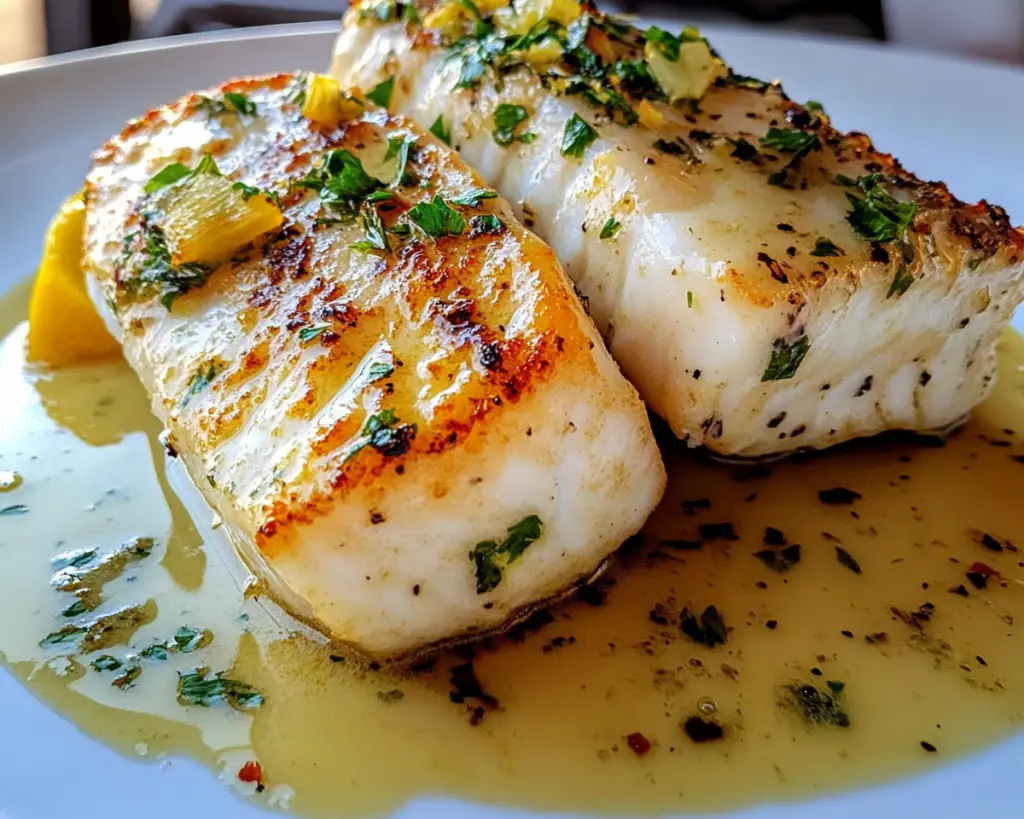
Chilean sea bass is a **rich**, **flaky** fish known for its buttery texture and mild flavor, making it an excellent choice for many home cooks. Originating from the cold waters around South America, this fish has grown in popularity due to its **sustainability** and **deliciousness**. When you prepare Chilean sea bass according to Ina Garten’s recipe, you’ll notice that the outside becomes **crispy** while the inside stays tender and juicy.
One of the key elements of this dish is the marinating process, which infuses the sea bass with layers of flavor. With the combination of zesty lemon, earthy herbs, and garlic, each bite turns into an experience that transport you to a seaside restaurant without ever leaving your kitchen. Whether you’re entertaining guests or treating yourself to a delightful meal, this Chilean sea bass recipe has something for everyone.
Why You’ll Love This
You might be wondering why you should invest your time into making Chilean sea bass. One of the biggest benefits of this dish is its **simplicity**. Despite its gourmet appearance, the recipe calls for only a few ingredients that you likely already have in your kitchen. The ease of preparation means you can impress your guests without spending hours cooking.
Additionally, this dish can offer **health benefits** thanks to its rich content of omega-3 fatty acids, which are excellent for heart health. Unlike heavier meat dishes, Chilean sea bass provides a lighter option that can be paired with numerous sides, like roasted vegetables or a fresh salad. Furthermore, you can customize it with your favorite herbs or spices to ensure it’s just right for your taste. Many people think fish is too difficult to cook, but with this recipe, you’ll see just how approachable it can be.
Also, if you’re someone who often prepares meals on a budget, you’ll appreciate that the flavors in this dish are so vibrant that you won’t have to spend a fortune on additional ingredients. Once you master this recipe, you’ll find yourself adding it to your meal rotation frequently, especially on those busy weeknights when you still want to indulge in something special.
Ingredients You’ll Need
- Chilean sea bass: The star of the dish, known for its rich flavor and flaky texture.
- Olive oil: A high-quality extra virgin olive oil enhances the flavor and helps with cooking.
- Lemon juice: Freshly squeezed lemon juice adds brightness and balances the richness of the fish.
- Garlic: Fresh garlic provides a robust flavor and complements the fish beautifully.
- Fresh herbs: Options include parsley and thyme, which contribute to aromatic notes in the dish.
- Salt and pepper: Essential for seasoning and enhancing the natural flavors of the sea bass.
When selecting **Chilean sea bass**, opt for fish that is firm and moist, with a faint ocean scent. If you can’t find Chilean sea bass, other flaky white fish like halibut or cod could be appropriate substitutes. The use of **olive oil** is vital for not only cooking the fish but also creating a lovely crispy exterior. Fresh herbs like **parsley** or **thyme** should be chosen for their vibrant flavors, but dried herbs can be used in a pinch—just remember to use less since dried herbs are more concentrated.
How to Make
- Start by preheating your oven to **425°F (220°C)**. This temperature is perfect for roasting and will create that delightful **crispy skin** on your sea bass.
- While the oven heats, prepare your marinade. In a mixing bowl, combine **3 tablespoons of olive oil**, the juice of one lemon, **3 minced garlic cloves**, and a generous sprinkle of **salt and pepper**. Whisk them together until well blended. The aromatic garlic paired with lemon juice creates a vibrant marinade that will infuse the fish with incredible flavor.
- Place the **Chilean sea bass** skin-side down in a shallow baking dish. Pour your prepared marinade over the top, making sure the fish is well-coated. Let it marinate for about **15-20 minutes**. This marination time is essential for allowing the flavors to penetrate deeply into the fish.
- After marinating, sprinkle **fresh chopped herbs** over the fish. This will create not only a delightful aroma while it cooks but will also offer a fresh finish once it’s plated.
- Transfer the baking dish straight into the preheated oven and roast the sea bass for around **20-25 minutes**. Cooking time may vary depending on the thickness of the fish. The goal is to achieve a flakiness that separates easily with a fork.
- Once the fish is done, remove it from the oven and let it rest for about **5 minutes** before serving. This resting period allows the juices to redistribute, enhancing the overall flavor and texture of the fish.
Cooking tips to keep in mind: use a fish spatula for flipping or serving the sea bass to maintain its integrity, given its delicate nature. Also, invest in a good instant-read thermometer; the fish should reach a safe internal temperature of **145°F (63°C)**. If you’re unsure, just test with a fork; if it flakes easily, it’s done.
Variations & Substitutions
Herbed Citrus Variation: If you’re craving a more vibrant and zesty flavor, consider adding a mix of citrus. Try oranges or limes along with lemon. The addition of other citrus fruits will give your dish an exciting twist, creating a refreshing taste experience that is perfect for a hot summer day. Pair this with a citrusy salad, and you’ve got a dinner that’s delightful and invigorating.
Spicy Chilean Sea Bass Variation: For those who love a kick, add a pinch of red pepper flakes to the marinade. The heat will nicely contrast with the richness of the fish, offering a robust depth. This spicy variation can be cooled down with a creamy sauce or served with a light vegetable side to balance the flavor.
Asian-Inspired Variation: Use **soy sauce** instead of salt in your marinade and add a drizzle of sesame oil. Top the fish with **green onions** and sesame seeds after baking for a delightful finish. This variation will transport your taste buds straight to an Asian bistro, offering delicious umami flavors to the dish.
Herbless Variation: If fresh herbs aren’t available, consider using a herb blend like **Italian seasoning** or simply stick with lemon, olive oil, and garlic for a straightforward, yet delicious sea bass. This variation can be especially useful for those who may have allergies to specific herbs or just prefer a non-herb flavor.
Common Mistakes to Avoid
When preparing Chilean sea bass, a common mistake is overcooking the fish. This seafood is delicate and can quickly dry out if left in the oven for too long. A tip to avoid this trap is to check for doneness a few minutes early. Overcooked fish will have a **rubbery** texture and lose its delightful flakiness, so keeping a timer handy or using a meat thermometer is wise.
Another issue many face revolves around seasoning. While **salt and pepper** are fundamental, be careful not to overdo it; a gentle hand is essential. The goal is to enhance the fish, not overwhelm it. Lastly, always ensure that your pan is adequately prepared with oil to prevent sticking.
Storage, Freezing & Reheating Tips
If you have leftovers, place the Chilean sea bass in an airtight container and store it in the refrigerator. For optimal freshness, it’s best consumed within **two days**. When reheating, do so gently to avoid further cooking; use a low oven temperature or a microwave on low power.
If you want to freeze the fish for later use, wrap it tightly in plastic wrap followed by aluminum foil to protect it from freezer burn. It’s best used within **three months** for optimal taste and texture. When reheating frozen sea bass, let it defrost overnight in the refrigerator before reheating it gently.
Frequently Asked Questions
Can I use frozen Chilean sea bass for this recipe?
Yes, you can use frozen Chilean sea bass. Just make sure to thaw it thoroughly in the refrigerator overnight for the best results. This helps maintain the texture and flavor of the fish.
What sides pair well with the Chilean sea bass?
Chilean sea bass pairs wonderfully with a variety of sides. Consider serving it with **quinoa**, **roasted vegetables**, or a refreshing salad. The options are endless!
Is Chilean sea bass healthy?
Absolutely! Chilean sea bass is rich in **omega-3 fatty acids**, which are excellent for heart health. It’s also a great source of protein and provides necessary vitamins and minerals, making it a nutritious choice.
Can I grill Chilean sea bass instead of baking it?
Definitely! Grilling adds a wonderful smoky flavor to the fish. Just ensure that the grill grates are well-oiled to prevent sticking, and follow the same marination process.
What’s the best way to tell if the sea bass is done?
The best way to check for doneness is using a fork to see if the fish flakes easily. An internal temperature of **145°F (63°C)** is also a good indicator that it’s fully cooked.
Conclusion:
In summary, this recipe for Ina Garten’s Chilean sea bass is not just a meal; it’s an experience rich in flavor and culinary delight. From the ease of preparation to the delicious results, it’s a dish that will surely become a staple in your kitchen. Whether cooking for family, entertaining guests, or indulging in some self-care, the Chilean sea bass is versatile enough to adapt to any occasion. So gather your ingredients, follow the steps, and soon you will have a plate that shines with sophistication and taste. Don’t hesitate to customize it to make it your own, and make sure to share your creations!
Enjoy your culinary ventures, and happy cooking!