Prep time: 10 minutes
Cook time: 0 minutes
Total time: 10 minutes
Servings: 8
Homemade mayonnaise is a culinary delight that you can whip up in just a matter of minutes. As the weather warms and spring brings forth fresh produce, making your own mayonnaise is a perfect way to elevate your salads, sandwiches, and dips. Imagine dipping crispy vegetables into a creamy, tangy mayonnaise that you’ve made from scratch! It not only enhances the flavors of any dish but also allows you to control what goes into it, making it a healthier and more personalized option.
This recipe is special because it is incredibly easy and quick to make, providing a rich flavor profile that store-bought versions often lack. By learning how to make homemade mayonnaise, you can enjoy the satisfaction of crafting your own condiments, all without any preservatives or artificial ingredients. You will learn about the essential ingredients needed, the step-by-step process, and various ways to customize this creamy delight to suit your taste.
What Is Homemade Mayonnaise (Perfect for Spring Salads)?
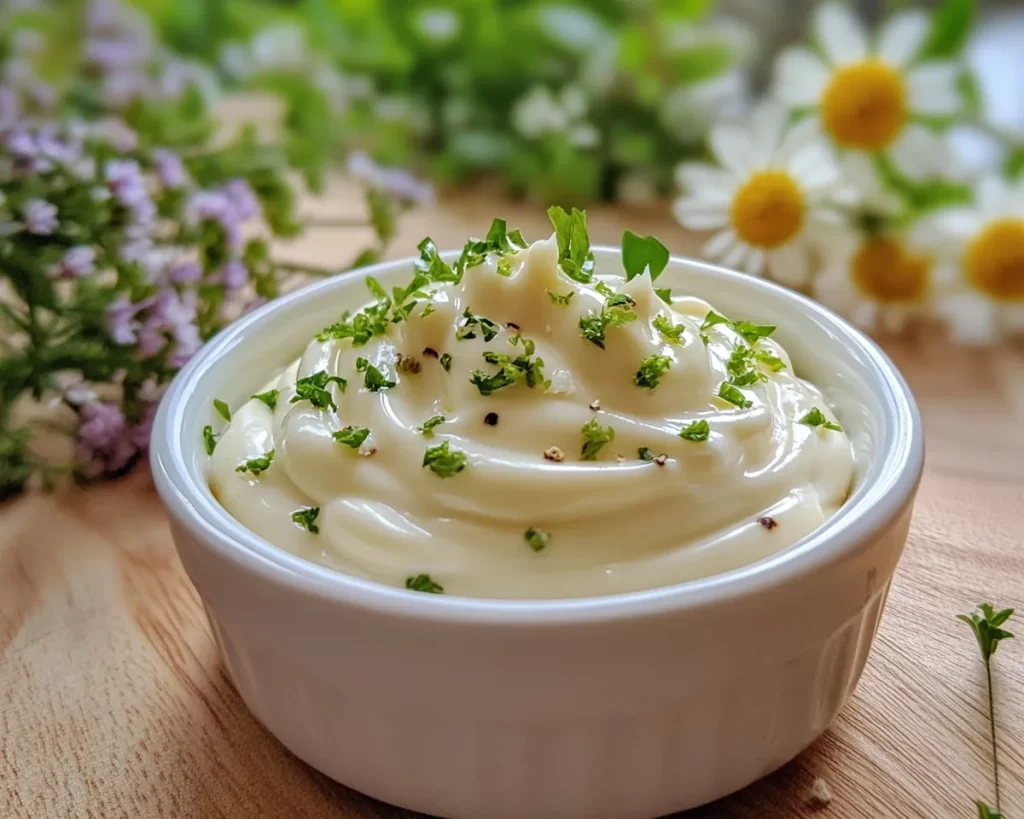
Homemade mayonnaise is an emulsion of egg yolks, vinegar, and oil, resulting in a rich and creamy dressing that is versatile in its applications. It has a silky texture and a slightly tangy flavor, making it an ideal addition to salads, spreads, or even as a base for other sauces like aioli. The origin of mayonnaise can be traced back to the French culinary tradition, often considered a basic building block in French cooking. Whether you are spreading it on a sandwich or using it as a base for a vibrant salad dressing, the combination of freshness and richness makes homemade mayonnaise irresistible.
One of the primary reasons you may prefer homemade mayonnaise over store-bought is the ability to adjust the flavor profiles. You can add garlic for aioli, herbs for a ranch-like dressing, or even spices for a zesty kick. Plus, the joy of making mayonnaise from scratch will elevate your cooking confidence, especially when you see how easy it is to create this fundamental sauce. With just a few simple ingredients and some basic kitchen implements, you can produce a condiment that rivals any gourmet version.
Why You’ll Love This
You’ll love making homemade mayonnaise for a plethora of reasons. First and foremost, the taste is unparalleled compared to grocery store varieties. Homemade mayonnaise is luscious and creamy, with a brightness that can only come from using fresh ingredients. Moreover, it is cost-effective; you can make a generous batch for a fraction of the price you would pay for premium brands.
As you explore this simple recipe, you may feel excited to discover that it’s incredibly easy to achieve perfect results every time. One common misconception is that mayonnaise is complicated to prepare, but this is far from the truth. Many people shy away from creating homemade mayonnaise, fearing they will “break” the emulsion. By following this straightforward guide, you’ll be able to master the technique quickly, gaining the confidence to create other sauces and dressings. The versatility of homemade mayonnaise also means it can cater to a variety of dietary needs and flavor preferences. It can easily be made vegan by substituting eggs with aquafaba or silken tofu, and it can be customized in countless ways, making it a fantastic staple in any kitchen.
Ingredients You’ll Need
- 2 large egg yolks: These are the foundation of your mayonnaise and contribute to its creamy texture.
- 1 tablespoon Dijon mustard: This provides a tangy flavor and helps to stabilize the emulsion.
- 1 tablespoon white wine vinegar or lemon juice: Both options enhance the flavor and acidity of the mayonnaise.
- 1 cup neutral oil (like canola or grapeseed oil): This is essential for creating the emulsion and giving the mayonnaise its characteristic richness.
- Salt to taste: A little salt enhances all the flavors and rounds out the mayo.
- Optional ingredients: You can include various spices, herbs, or flavorings like garlic or smoked paprika for customization.
Each ingredient plays a pivotal role. The egg yolks are crucial for emulsifying the oil and creating that classic creamy texture. The Dijon mustard introduces a subtle bite and acts as a stabilizer, while the acidity from the vinegar or lemon juice brightens the overall flavor. The neutral oil contributes to thickness and mouthfeel, while salt binds everything together. If you’re vegan, consider options like aquafaba, which is the liquid from chickpeas, or silken tofu, as substitutes for egg yolks.
How to Make
1. **Prepare the Ingredients**: Gather all the ingredients in a clean mixing bowl or a blender. Make sure your egg yolks are at room temperature for optimal emulsification. This is essential as cold egg yolks can hinder the emulsification process.
2. **Combine Egg Yolks and Mustard**: In your mixing bowl, add the two large egg yolks along with the tablespoon of Dijon mustard. Whisk them together vigorously until the mixture is thick and well-blended. This step is crucial because it ensures that the mustard is fully integrated, enhancing the mayo’s flavor and texture.
3. **Add Acid**: Next, incorporate the tablespoon of vinegar or lemon juice into the egg yolk mixture. Continue whisking until everything is combined. The acidity not only brightens the flavor of the mayonnaise but also aids in emulsification.
4. **Drizzle the Oil**: Now, it’s time to add the oil. Start by pouring in the cup of neutral oil slowly, in a very thin stream, while continuously whisking the mixture. This is where the magic happens—the slow addition of oil helps to create a stable emulsion. Be patient and keep whisking until the mayonnaise begins to thicken.
5. **Season**: Once you’ve added all the oil and the mayonnaise has reached your desired thickness, taste it, and season with salt to your liking. Feel free to adjust acidity by adding more vinegar or lemon juice, depending on your preference.
6. **Store**: Transfer your homemade mayonnaise to an airtight container and refrigerate it. Homemade mayonnaise will usually stay fresh for up to one week in the fridge, but you can use it in numerous delicious ways during that time.
Making homemade mayonnaise requires a little practice, but once you’ve made it a few times, you’ll feel confident whipping it up at any moment. The key is to go slowly with the oil and keep whisking. If you’re using a blender or food processor, the same principles apply; just remember to add the oil very gradually.
Variations & Substitutions
Garlic Aioli: For a delicious twist, consider turning your homemade mayonnaise into garlic aioli. Simply add two to three cloves of minced garlic during the blending process. The garlicky kick creates a rich flavor profile that pairs wonderfully with roasted vegetables or as a dip for fries. This variation can be a fantastic condiment for your spring salads or a bright addition to a grilled vegetable platter.
Herbed Mayonnaise: If you want to incorporate fresh flavors, try adding chopped herbs such as dill, tarragon, or parsley. Fresh herbs lift the mayonnaise and give it an aromatic quality that is especially delightful when paired with seasonal produce. This herbed variation is perfect for slathering on sandwiches or mixing into pasta salads.
Spicy Mayonnaise: For those who enjoy a bit of a kick, introducing spices like cayenne pepper or Sriracha can transform your mayonnaise into a spicy version. This is particularly great for seafood dishes or drizzling over grilled meats. Just a pinch or two is often enough to add a flavorful punch without overwhelming the original taste of the mayonnaise.
Vegan Mayonnaise: To create a vegan variation, you can replace the egg yolks with aquafaba, the aquafaba works wonders as a binder and emulsifier. Just add three tablespoons of aquafaba instead of egg yolks, and follow the same steps. Homemade vegan mayonnaise is unique in flavor but incredibly satisfying, making it perfect for anyone following a plant-based diet.
Each variation brings its own unique flavor and texture while enhancing the core recipe. The fun of homemade mayonnaise lies in its versatility, and you can get creative based on what you enjoy or what ingredients you have on hand.
Common Mistakes to Avoid
Creating homemade mayonnaise can sometimes feel daunting. One common issue is ending up with a broken mayonnaise, where the oil separates from the egg yolks, resulting in a runny mixture. This often occurs when the oil is added too quickly. To fix a broken emulsion, you can start with a fresh egg yolk in a clean bowl and then slowly whisk in the broken mayonnaise.
Another crucial warning is the importance of using room temperature ingredients. Starting with cold egg yolks can cause the emulsion to fail. To prevent this, allow your eggs to sit out for about 30 minutes before starting. Also, check your vinegar or lemon juice; using old or expired ingredients can negatively impact flavor.
Lastly, when storing your homemade mayonnaise, always utilize clean utensils to prevent contamination. This simple step will help prolong its shelf life and maintain freshness.
Storage, Freezing & Reheating Tips
Storing homemade mayonnaise may seem straightforward, but there are some important tips to follow to ensure it remains flavorful and safe to eat. First and foremost, always store your mayonnaise in an airtight container in the refrigerator. It is best consumed within one week, but you can often stretch it to the two-week mark if it has been stored correctly and your ingredients were fresh.
If you happen to make a large batch that you can’t use immediately, consider dividing it into smaller containers. This way, you can pull out one without exposing the entire batch to air and potential contamination each time.
Freezing mayonnaise is not generally recommended due to its emulsified nature; the texture turns grainy upon thawing, making it less palatable. Instead, focus on making smaller batches more frequently to avoid waste.
When reheating isn’t applicable to mayonnaise, as it is commonly served cold or at room temperature, simply enjoy it as a condiment straight from the fridge!
Frequently Asked Questions
Can I make mayonnaise without eggs? Yes, you can make mayonnaise without eggs by using aquafaba, which is the liquid from canned chickpeas. This ingredient serves as a great emulsifier and yields a vegan mayonnaise that tastes fantastic.
How do I know if my mayonnaise has gone bad? If your mayonnaise has an off smell, an unusual color, or mold appears, it is best to discard it. Always check before use, especially as homemade varieties lack preservatives.
What type of oil is best to use? A neutral oil, such as canola or grapeseed oil, is typically the best option for mayonnaise. However, you can experiment with olive oil for a richer flavor, just keep in mind that it can be quite strong.
Why is my mayonnaise runny? If your mayonnaise is too thin, it may not have emulsified properly. You can try whisking in another egg yolk, slowly adding the thin mixture to rebuild the emulsion.
Can I flavor my mayonnaise further? Absolutely! Fresh herbs, spices, garlic, or even hot sauces can be blended in after the base mayonnaise is complete to create specialized flavors that suit your palate.
Conclusion:
Homemade mayonnaise is not only a simple recipe but also an invaluable addition to your culinary toolbox. With its rich flavor and customizable nature, it serves to enhance countless dishes, from fresh spring salads to scrumptious sandwiches. The opportunity to delve into creating your own mayonnaise opens up a world of possibilities in terms of flavors and textures.
I encourage you to give this recipe a try. Take your time to enjoy the process of creating something from scratch. Once you’ve mastered it, you’ll likely find it hard to go back to store-bought options. So grab your whisk, embrace your creativity, and jump into a delightful adventure with homemade mayonnaise. Share your experiences or any adaptations with friends or through social media—they’ll thank you for it. Happy cooking!