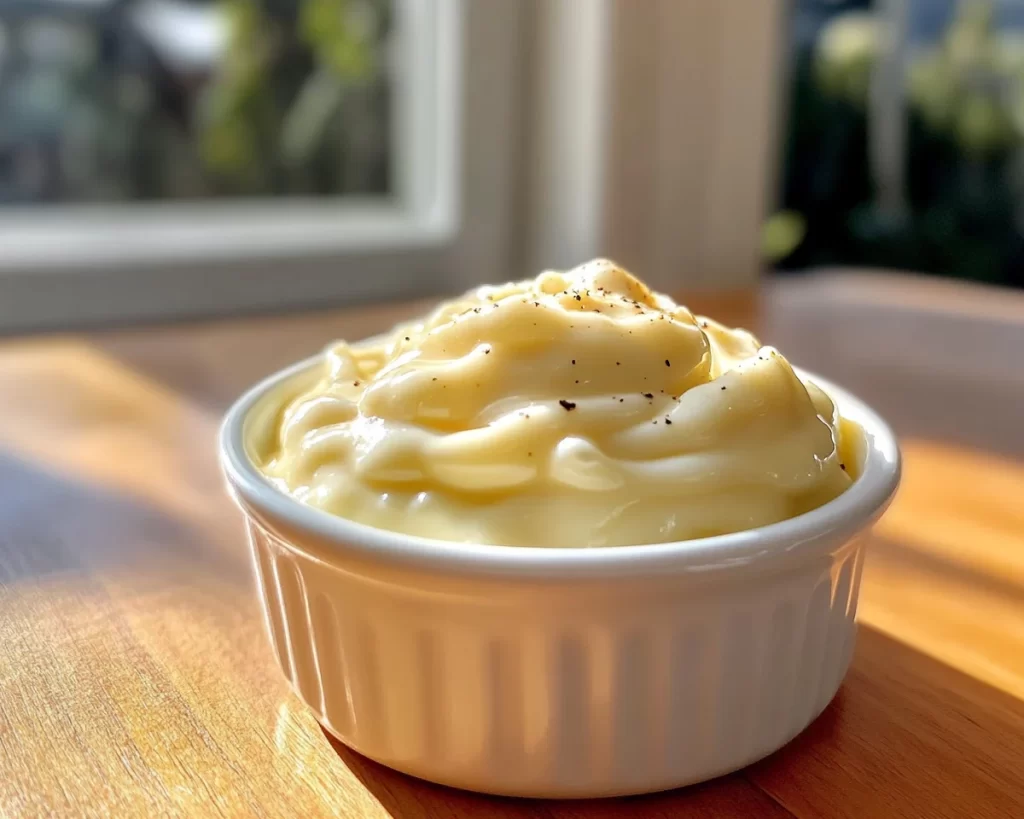
Prep time: 10 minutes
Cook time: 0 minutes
Total time: 10 minutes
Servings: 1 cup
Making your own mayonnaise at home isn’t just a fun kitchen project; it can lead to a more flavorful and satisfying condiment that can elevate countless dishes. Have you ever opened a jar of store-bought mayonnaise only to find it lacks the zest and freshness of homemade? This is a problem many face, but fear not! With this no-sugar mayonnaise recipe, you can enjoy a creamy, delicious spread that’s free from artificial ingredients and preservatives. In this article, you’ll learn how to whip up your very own batch of mayonnaise from scratch, how to customize it to suit your taste, and even how to store it properly.
Whether you’re a busy parent looking for easy meal prep options, a beginner in the kitchen yearning to improve your skills, or simply someone who enjoys the flavor of fresh ingredients, this mayonnaise recipe is for you. This creamy delight not only enhances the taste of sandwiches, wraps, and dips, but it’s also easily customizable to suit your dietary preferences.
What Is Homemade Mayonnaise (No Sugar Recipe)?
Homemade mayonnaise is an emulsion, which means it combines two ingredients that typically do not mix, such as oil and water, creating a smooth, creamy texture. Traditionally, mayonnaise is made by slowly adding oil to egg yolks while whisking or blending vigorously. This process incorporates air and forms a stable mixture that can be flavored in numerous ways.
This no-sugar version of mayonnaise stays true to the basic principles of traditional mayonnaise but skips any unnecessary sweeteners. Its flavor is rich, with a delightful creaminess that store-bought versions often lack. Imagine slathering this mayonnaise on a sandwich, releasing an enticing aroma that beckons you to take a bite. The texture is smooth, and the taste is full-bodied, offering a foundation for various dips and dressings.
Homemade mayonnaise has been a staple in kitchens around the world for centuries, originating in France. It serves not just as a condiment but as a base for sauces like aioli or tartar sauce, allowing you to add garlic or pickles for extra depth. With that background, let’s dive into why making your own mayonnaise is worth the effort.
Why You’ll Love This
Why settle for bland, preservative-laden mayo when you can create an explosion of flavor in your own kitchen? One key benefit of this homemade mayonnaise is its superior taste. Store-bought versions often use preservatives and artificial flavorings that can mask the natural flavors of your ingredients. With this recipe, you control every component, resulting in a taste that’s purely your own.
Additionally, homemade mayonnaise is incredibly easy to make. As long as you have a good-quality oil and fresh eggs, you can whip it up in mere minutes. This convenience is a lifesaver for busy families, providing a quick way to enhance meals without resorting to processed solutions.
Moreover, making your own mayonnaise can save you money in the long run. Commercial mayonnaise can be surprisingly expensive, especially when you consider the cost of natural ingredients. This no-sugar mayonnaise is not only economical but also allows you to customize flavors easily. You can infuse it with garlic, herbs, or spices to complement whatever dish you are preparing.
Many people are hesitant about making mayonnaise due to misconceptions surrounding the safety of raw eggs. However, using pasteurized eggs can eliminate these concerns while still preserving the richness that egg yolks contribute to the mayonnaise. With the right precautions, there’s no need to worry—homemade mayonnaise is as safe as it is delicious.
Ingredients You’ll Need
To embark on your mayonnaise-making journey, gather the following ingredients:
- 1 large egg yolk: This gives the mayonnaise its rich texture and flavor. You can use pasteurized eggs for safety.
- 1 tablespoon Dijon mustard: Adds a tangy flavor and helps stabilize the emulsion.
- 1 tablespoon white vinegar or lemon juice: Provides acidity and brightness, helping the mayonnaise to taste fresher.
- 1 cup neutral oil (such as canola or grapeseed): This is the fat component that contributes to the creaminess of the mayo. You can also use olive oil for a more robust flavor.
- Salt to taste: Enhances the flavor and rounds out the taste profile.
Choose high-quality ingredients for the best results. Fresh, organic eggs will yield the richest flavor. If you’re looking for a twist, consider using flavored oils to create unique versions of your mayonnaise.
How to Make
Making homemade mayonnaise is a simple and rewarding process. Follow these step-by-step instructions to create your creamy condiment.
- Gather your ingredients: Ensure all your ingredients are at room temperature. This is crucial for creating a stable emulsion. Take out your egg yolk, mustard, vinegar or lemon juice, and oil.
- Mix the base: In a medium bowl or food processor, combine the egg yolk, Dijon mustard, and vinegar or lemon juice. Whisk these ingredients together or blend them for about 30 seconds until well combined. This mixture forms the base of your mayonnaise.
- Start emulsion: Begin adding the oil very slowly—just a few drops at a time—while whisking continuously. If you’re using a food processor, you can drizzle the oil in slowly while the machine is running. This gradual addition is crucial for creating a stable emulsion, so resist the urge to pour it in all at once!
- Continue whisking: As the oil is incorporated, the mixture will begin to thicken. Continue to add the oil slowly until it’s fully incorporated. This process usually takes about 3 to 5 minutes, depending on how quickly you pour and whisk. You’ll notice the mayonnaise turning pale and fluffy as you continue.
- Season your mayonnaise: Once you’ve added all the oil, add salt to taste. Taste your mayonnaise and adjust the seasoning and acidity to your liking—adding more vinegar or lemon juice if you want it tangier.
- Store your mayonnaise: Transfer the mayonnaise to an airtight container and refrigerate it. It should keep for about a week, although we bet it’ll be gone sooner than that!
The texture of homemade mayonnaise is something to behold; it’s light and airy yet thick enough to cling to whatever you’re pairing it with. The aroma of fresh ingredients wafts through the kitchen, inviting you to dive in and savor the results. Don’t be afraid to experiment with flavors and enjoy the process!
Variations & Substitutions
Garlic Aioli Variation
For a garlicky twist, consider making garlic aioli. Simply add 1 to 2 cloves of minced garlic to the base of egg yolk, mustard, and vinegar or lemon juice. Garlic blends beautifully with the creamy textures, and the result is a zesty condiment perfect for dipping or drizzling over roasted vegetables. This version is particularly popular for those who adore the Mediterranean flavors, making it ideal for spreading on sandwiches or serving with grilled meats.
Herbed Mayonnaise Variation
If you enjoy fresh herbs, this variation is for you. Add 1 tablespoon of finely chopped fresh herbs, such as dill, parsley, or chives, to your mayonnaise. This simple addition creates a fresher, vibrant flavor that pairs wonderfully with grilled fish or chicken. The addition of herbs also adds a nice pop of color, making your dish visually appealing.
Spicy Sriracha Mayonnaise Variation
For those who crave a bit of heat, mixing in Sriracha or your favorite hot sauce can transform the basic mayonnaise into a spicy delight. Start by adding 1 tablespoon of Sriracha and adjust to your preferred heat level. This variation works great as a dip for seafood, a spread on burgers, or even as a kicky salad dressing.
Vegan Mayonnaise Variation
If you’re looking for a vegan alternative, you can replace the egg yolk with silken tofu. Use 1/4 cup of silken tofu as the base, along with the same portion of Dijon mustard and vinegar or lemon juice. The tofu provides a creamy replacement without any animal products, making it perfect for those following a plant-based diet. The flavor is slightly different but very satisfying, especially when seasoning is properly balanced.
As you can see, the possibilities for variations of mayonnaise are endless! Feel free to explore your pantry and fridge for inspiration to create a flavor profile that excites your taste buds.
Common Mistakes to Avoid
Making mayonnaise may seem easy, but a few common pitfalls can lead to disaster. One significant issue is the oil being added too quickly, which can cause the emulsion to break. If this happens, all is not lost—don’t panic! Simply start with a new egg yolk in a separate bowl and slowly whisk in the broken mayonnaise mixture. This can help you salvage the effort you’ve already put in.
Another critical note is ensuring that all ingredients are at room temperature. Cold ingredients make it more difficult for the emulsion to form, as they don’t blend properly. Always take a moment to let your eggs and other refrigerated items warm up before starting.
Lastly, over-whipping can be detrimental as well. If you whip the mixture too vigorously after it’s thickened, you risk breaking it. Aim for a steady pace and allow the blades to gently incorporate air while maintaining that velvety texture.
Storage, Freezing & Reheating Tips
Once you’ve crafted your homemade mayonnaise, proper storage is essential to maintaining its freshness. Store it in an airtight container in the refrigerator; ensure that the lid is sealed tightly to prevent contamination. Homemade mayonnaise should be consumed within 5 to 7 days for the best quality and safety.
Freezing mayonnaise is not recommended, as the texture will separate upon thawing, likely affecting the quality. If you have leftover mayonnaise, it’s best to whip it into other dishes, like salads, or use it as a base for creamy pasta sauces.
For the best food safety practices, always utilize clean utensils when scooping out mayonnaise. This can help avoid bacterial growth that may occur from introducing contaminants.
Frequently Asked Questions
Can I use whole eggs instead of just egg yolks?
Yes, you can use whole eggs for mayonnaise, which will create a lighter texture. However, the flavor and richness may be slightly different. The emulsification process will remain similar, but you may need to adjust the oil quantity as whole eggs contain more liquid than just the yolk.
What should I do if my mayonnaise separates?
If your mayonnaise separates or doesn’t fully emulsify, don’t discard it! You can fix it by whisking in another egg yolk in a clean bowl and gradually adding the separated mayonnaise. This usually brings everything back together.
Is homemade mayonnaise healthier than store-bought?
Yes! Homemade mayonnaise allows you to select healthier oils and avoid sugars, preservatives, and additives typically found in store-bought varieties. This way, you can ensure that what you’re consuming is clean and nutritious.
Can I flavor my mayonnaise after it’s made?
Absolutely! Once the mayonnaise is prepared, you can mix in various ingredients such as garlic, herbs, or spices to suit your taste preferences. Just stir those in gently so you don’t break the emulsion.
How do I know when my mayonnaise is done?
You’ll know your mayonnaise is done when it becomes thick and holds a ribbon-like consistency when whisked. It should have a creamy, smooth texture and a pale yellow color. If it’s still runny, continue adding oil slowly until you achieve the desired thickness.
Conclusion:
Home-made mayonnaise is not just a simple condiment; it’s a versatile, creamy delight that can transform ordinary meals into extraordinary ones. From the rich flavor to the ease of customization, this recipe embodies everything you need for a culinary boost. Go ahead, gather your ingredients, and try this no-sugar mayonnaise recipe today! You might discover that once you make it at home, you’ll never reach for a store-bought jar again. Enjoy exploring flavors, sharing with family, and relish knowing exactly what’s in your food!