Prep time: 2 minutes
Cook time: 0 minutes
Total time: 2 minutes
Servings: 1 cup
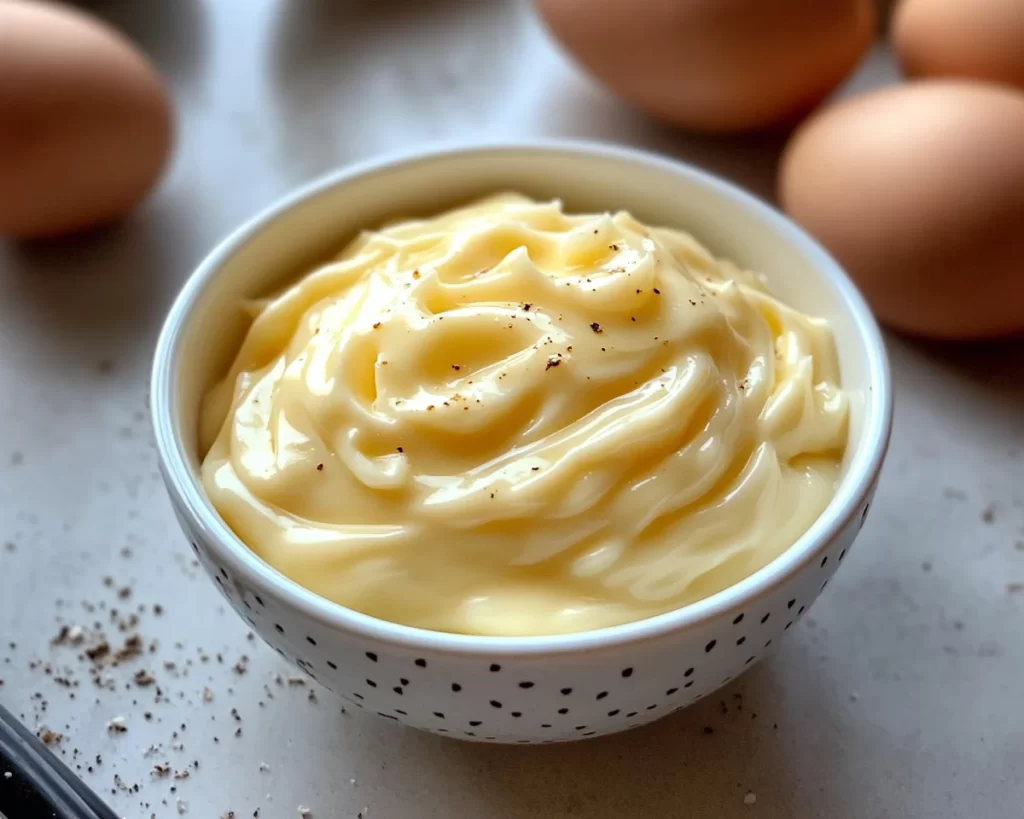
There’s something undeniably satisfying about making your own condiments at home. One taste of this creamy, luscious homemade mayonnaise, and you’ll wonder how you ever settled for store-bought. Picture this: you’re preparing a sandwich, and just as the bread touches the plate, you know it needs that perfect splash of homemade mayo—smooth, rich, and versatile. This recipe promises just that, taking only two minutes to whip up in your blender. It’s more than just a recipe; it’s a skill that will elevate your culinary game, save you money, and provide a fresher taste than anything you’ll find in the grocery store aisle.
This homemade mayonnaise recipe stands out not just for its convenience but also for its satisfying and fresh flavor. With just a handful of ingredients, you’ll discover the art of emulsification—a fascinating process that brings together oil and egg yolk to create a beautifully creamy texture. What’s more, you can customize this mayonnaise to fit your taste, adding herbs, spices, or even a hint of garlic. By the time you finish this article, you’ll have all the insider tips and tricks to make your own homemade mayonnaise, along with understanding its texture, flavor, and countless uses.
What Is Homemade Mayonnaise (Easy 2-Minute Blender Recipe)?
Homemade mayonnaise is a timeless condiment made with simple ingredients: oil, egg yolks, mustard, and acid such as vinegar or lemon juice. The origin of mayonnaise is believed to trace back to the town of Mahón in Spain, and while its exact history might be debated, its popularity is undeniable. The magic of mayonnaise lies in its smooth and creamy texture, which can enhance countless dishes, from classic sandwiches to salads and dressings.
When you consider store-bought options, they often contain additives and preservatives that can take away from that homemade charm. With just a quick blend, homemade mayonnaise allows you to taste the **freshness** of the ingredients you choose, giving you control over flavors, and even dietary preferences. Imagine the difference a **homemade** mayo can make in your favorite potato salad or as a dip for fresh veggies. The result is a **flavor** that is far superior to anything store-bought, with the added benefit of knowing exactly what goes into each creamy dollop.
The key here is achieving that perfect emulsification, where oil and egg yolk come together seamlessly. In just two minutes, you can experience the unique satisfaction of creating a condiment tailored to your palate. Every whisk or stir (or in this case, blend) brings about a transformation, turning simple ingredients into a luxurious texture ready to elevate your meals.
Why You’ll Love This
This homemade mayonnaise recipe offers numerous benefits that make it a must-try for busy home cooks, health enthusiasts, or anyone looking to homemade their meals. First and foremost, **taste** is unrivaled. The freshness of ingredients translates into a rich, creamy flavor that brings dishes to life, ensuring you can savor the difference. Moreover, making your own mayonnaise saves money compared to buying premium brands at the store, which can sometimes break the bank.
One common misconception is that mayonnaise is difficult to make. However, this recipe simplifies the process significantly. You only need a few basic ingredients and a blender—no culinary expertise required! Using a **blender** rather than whisking by hand allows almost anyone to create a smooth emulsion with little effort. This is especially beneficial for busy parents looking for quick solutions in the kitchen. Need a quick dip for that impromptu gathering? Homemade mayo can be mixed in minutes with flavors tailored to your friends’ preferences, making you the star of the day.
Additionally, this recipe gives you versatility. You can easily customize your mayonnaise with spices, herbs, and add-ins, such as garlic or chipotle for a kick. There are endless possibilities, catering to different dietary needs, such as vegan mayo made with aquafaba or egg-free options. You’ll find that making your own mayonnaise truly enhances the culinary experience, providing not just a condiment, but a foundation for various dishes.
Ingredients You’ll Need
- 1 large egg yolk: The star of the show, ensuring the emulsification of the oil. Consider using the freshest eggs you can find, ideally organic or free-range, for the best flavor.
- 1 tablespoon Dijon mustard: Adds depth and a bit of tang. You can substitute with yellow mustard if desired, though Dijon provides a richer taste.
- 1 tablespoon white vinegar or lemon juice: The acid is essential in flavoring the mayo and aiding emulsification. Lemon juice can bring a fresh twist, while vinegar serves a classic purpose.
- 1 cup neutral oil: This can be canola, grapeseed, or even sunflower oil. The oil choice affects flavor; use olive oil for a stronger taste, but in moderation for best results.
- Salt to taste: Essential for bringing out the flavors. Sea salt can enhance the overall taste and is often recommended for its subtle minerality.
- Optional add-ins: Garlic powder, fresh herbs, smoked paprika, or chili flakes can be added to personalize your mayonnaise.
How to Make
- Prepare ingredients: Start by gathering all your ingredients. Ensure the egg yolk is at room temperature for better emulsification. A blender works best, but you can also use a food processor.
- Add base ingredients: In your blender, add the egg yolk, Dijon mustard, and either the white vinegar or lemon juice. These three ingredients create the foundation for your mayonnaise and will help it come together easily.
- Begin blending: Start the blender on a low speed to combine the ingredients smoothly. If using a food processor, pulse to start mixing. The goal here is to blend these ingredients until well combined, creating a homogeneous base.
- Add the oil slowly: With the blender running, slowly drizzle in the neutral oil. This step is crucial; adding the oil too quickly may break the emulsion. A slow, steady stream will help the mixture thicken and becomes creamy.
- Adjust taste: After all the oil is in, stop blending the mayonnaise. Taste it, and adjust salt and acidity as desired. You can add more lemon juice or vinegar for brightness or crank up that saltiness as per your preference.
- Store for later use: Transfer your mayonnaise to a jar with a lid, and store it in the fridge. Homemade mayonnaise usually lasts about a week, but always use your senses to determine its freshness.
Variations & Substitutions
Garlic Aioli: Transform your basic mayonnaise into an aioli by adding minced garlic or garlic powder. This variation brings a rich flavor perfect for Mediterranean dishes or dipping sauces. To make it, simply add one or two cloves of minced garlic to the original recipe. The punch from garlic blends well with the smoothness of the mayo, lending a delicious aromatic flavor. This is an ideal choice for garlic lovers or anyone looking to elevate their sandwiches and roasted vegetables.
Spicy Chipotle Mayo: For a kick of heat, blend in chipotle peppers in adobo sauce. This variation is perfect for tacos, burgers, or dips. Start with just half a chipotle pepper and mix it into the mayo, tasting as you go. The smoky flavor combined with the heat can add excitement to your meals, making it a favorite for barbecue accompaniments or spicy dressings.
Herbed Mayonnaise: If you love fresh herbs, you can easily incorporate them into your homemade mayo. Think of basil, dill, or chives for a refreshing touch. Chop about 2-3 tablespoons of your favorite herbs and mix them into the blender during the last stages of blending. This not only enhances the flavor but also adds beautiful flecks of color to your mayonnaise. It works well as a spread on sandwiches or a delicious dip for prawns or roasted vegetables.
Lemon Zest Mayonnaise: Add zest from a fresh lemon to intensify the flavor of your homemade mayo. The zest heightens the citrus notes and adds a fragrant aroma, making it an excellent companion for fish dishes and light salads. Just a teaspoon of lemon zest can transform the taste, making it bright and refreshing. This variation is fantastic for summer parties or picnics where light flavors shine.
Vegan Mayonnaise: If you prefer a vegan alternative, you can replace the egg yolk with aquafaba (the liquid from canned chickpeas). Use approximately three tablespoons of aquafaba in place of the yolk, following the same blending process. This adaptation allows those with dietary restrictions to enjoy homemade mayonnaise without sacrificing flavor and texture. It also opens up a new world of possibilities when mixing different flavors and spices.
Common Mistakes to Avoid
Making homemade mayonnaise might seem straightforward, but even small errors can lead to issues. One of the most common mistakes is adding all the oil at once. If you do this, you risk breaking the emulsion, leaving you with a soupy consistency that doesn’t thicken. Always ensure you drizzle the oil in a slow, steady stream while the blender is running to achieve that perfect creamy texture.
Another pitfall is using cold ingredients, especially the egg yolk. Cold yolks can lead to separation. To avoid this, let your egg yolk sit at room temperature for about 30 minutes before use. Additionally, always check for seasoning. Under-seasoned mayo can taste flat, so don’t hesitate to adjust salt or acidity to your preference.
Lastly, any hint of rancid oil can ruin your batch. Make sure to check the freshness of your oil before using it. Store your homemade mayonnaise correctly in the fridge, but be mindful to consume it within a week to ensure safety and quality. Avoid contaminating your mayonnaise by using clean utensils and avoiding introducing bacteria from other food sources.
Storage, Freezing & Reheating Tips
When it comes to storage, homemade mayonnaise should always be placed in an airtight container, preferably in the refrigerator. Properly stored, it can last up to one week. If you notice any off smells or separation beyond simple oil separation (which can be fixed by stirring), it’s best to toss it—not worth the risk.
If you need to extend its life, you can freeze mayonnaise, but be prepared for a change in texture upon thawing— it may become grainy or separate. To freeze, simply scoop your mayonnaise into ice cube trays, freeze, and transfer the cubes to a freezer bag once solid. This allows you to defrost only the amount you need without thawing the entire batch.
Reheating mayonnaise isn’t typically necessary as it’s used cold, but should you need to incorporate it into a dish that requires heating, do so gently. High heat can cause it to break down and separate. It’s best to blend it into warm vegetables or dishes at the very end of cooking to maintain its structure and flavor.
Frequently Asked Questions
Can I make mayonnaise without a blender? Yes, you can! While a blender simplifies the process, you can achieve homemade mayonnaise with a whisk. Just keep in mind that you’ll need to add the oil very slowly and whisk vigorously to create the emulsion.
Is homemade mayonnaise safe to eat? Yes, as long as you use fresh, properly stored ingredients. To reduce the risk of foodborne illness, use pasteurized eggs. They are widely available and can give you peace of mind when consuming raw egg-based products.
Can I use olive oil for mayonnaise? Absolutely. While olive oil can lend a tangy flavor to your mayonnaise, it’s important to use a high-quality, light olive oil for the best results. A robust extra virgin olive oil may overpower the overall flavor.
Why did my mayonnaise not thicken? If your mayonnaise didn’t thicken, it’s likely that the oil was added too quickly, breaking the emulsion. If that happens, try adding a new egg yolk and whisking in the broken mayo slowly to rectify.
Can I customize the flavor of homemade mayonnaise? Yes! Homemade mayonnaise is incredibly versatile. You can add various spices, herbs, or even other flavorings like smoked paprika, sriracha, or even sun-dried tomatoes to create your desired flavor profile.
Conclusion:
Homemade mayonnaise is a culinary gem that transforms simple meals into something extraordinary. With its creamy texture, rich flavor, and versatile applications, you’re encouraged to give this quick, two-minute recipe a try. Not only will it save you money and time, but it will also allow you to tailor your mayonnaise to fit your unique taste preferences. Enjoy the satisfaction of making something with your own hands, enhancing your meals, and impressing family and friends. Don’t hesitate to experiment and customize, and for more delightful ideas, you can [Read also: Easy Dessert Recipes for Beginners]. Your journey into the world of homemade condiments starts now, and the delightful possibilities are endless!