Prep time: 10 minutes
Cook time: 0 minutes
Total time: 10 minutes
Servings: 1 cup
Homemade mayonnaise is a culinary delight that adds a creamy and rich texture to various dishes. Imagine spreading a thick, luscious layer of mayo on your favorite sandwich or using it as a base for sauces and dressings. Not only does homemade mayonnaise have a fresher flavor than store-bought options, but it also allows you to control the ingredients, making it more suitable for your dietary preferences. This creamy no-egg taste recipe is especially appealing for those who are vegan, allergic to eggs, or simply looking for a healthier alternative. In this article, you will discover all the essential tips, ingredients, and variations to harness the full potential of your homemade mayonnaise.
What Is Homemade Mayonnaise (Creamy No Egg Taste Recipe)?
Mayonnaise is an emulsion made from oil, an acid, and an emulsifier, typically egg yolk. However, this creamy no-egg taste recipe takes a different approach, using plant-based ingredients to achieve that unmistakably smooth and rich consistency. The origin of mayonnaise can be traced back to the French cuisine of the 18th century, and it continues to be a beloved condiment worldwide. When made correctly, homemade mayonnaise boasts a velvety texture and a balance of flavors that you can adjust to your liking.
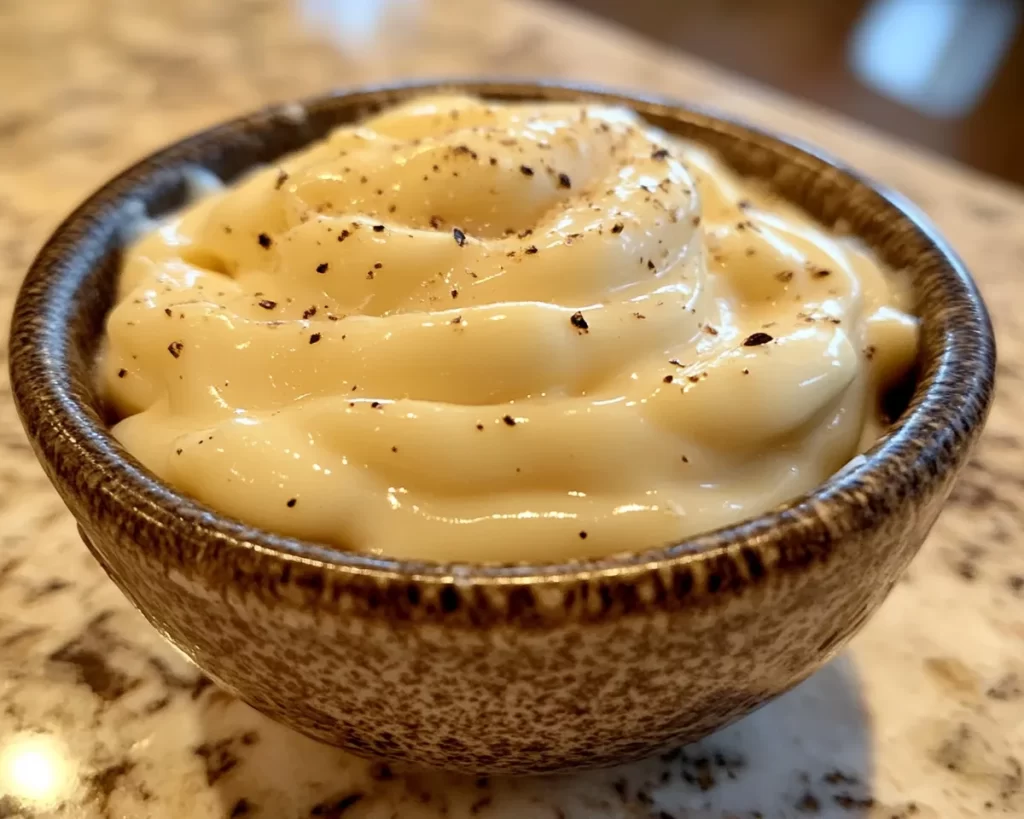
This recipe offers a creamy, tangy profile that perfectly complements sandwiches, salads, and dips. The end result is a bright white, fluffy mayonnaise that can be customized to suit your palate. Making your own mayonnaise not only elevates your dishes but also allows you to use fresh, wholesome ingredients, leading to a condiment that is not only delicious but also healthy.
Why You’ll Love This
There are several compelling reasons to opt for homemade mayonnaise over the store-bought versions. First and foremost, the taste is unmatched; homemade varieties typically have a richer, fresher flavor. When you make mayonnaise yourself, you can experiment with flavors by incorporating ingredients like herbs, garlic, or spices—something that’s hard to find in commercially produced options.
Moreover, this recipe is exceptionally easy to follow, even for beginners. The total prep time is reduced to just 10 minutes, allowing busy parents or individuals to whip it up quickly. You also have the liberty to adjust the ingredients according to your dietary needs, which can be particularly beneficial for those following vegan or egg-free diets. A common misconception is that making mayonnaise is complicated, requiring chopping, mixing, and various tools. However, with the right techniques and tips provided in this article, you will soon be a pro at creating your own mayonnaise, saving both time and money in your kitchen.
Ingredients You’ll Need
– 1 cup of neutral oil (like canola or sunflower oil)
– 1 tablespoon of apple cider vinegar
– 1 tablespoon of Dijon mustard
– 1 tablespoon of water
– 1/4 teaspoon of salt
– Optional: 1 teaspoon of lemon juice for extra tang
– Optional: garlic powder or onion powder for flavor
Each of these ingredients plays a crucial role in getting that creamy texture and balanced taste. The *neutral oil* is the base of the mayonnaise, providing the necessary fat content for emulsification while not overwhelming the flavor. The *apple cider vinegar* adds acidity, enhancing the overall taste and helping to preserve the mayo.
While *Dijon mustard* serves as an emulsifier, it also contributes a mild spiciness that beautifully complements the mayo. *Water* is added to adjust the consistency, making it easier to mix. As for the *salt*, it rounds out the flavors beautifully. The optional lemon juice can add an extra brightness, while the garlic or onion powders introduce additional complexities to the flavor profile.
How to Make
Making homemade mayonnaise may seem daunting, but with these clear, step-by-step instructions, you will create a creamy delight in no time.
- Gather your ingredients: Begin by measuring out all the ingredients mentioned above. Having everything prepped and ready will streamline the process and prevent any last-minute scrambling for supplies.
- Choose your blending tool: You can use a standard blender, an immersion blender, or a whisk if you prefer a more hands-on approach. An immersion blender is especially easy for beginners and allows for better control over the mixing process.
- Combine the base: In your blending container, add the neutral oil, apple cider vinegar, mustard, water, and salt. If you’re using lemon juice or any flavor additives, this is the time to add them. The combination should have a diverse mix of flavors present, ready to be emulsified.
- Blend on low: Start blending on a low setting. This is crucial because it allows the oil to emulsify gradually with the other ingredients, preventing separation. If you start blending too fast, it may create an unstable emulsion.
- Increase speed: Once you notice the mixture thickening a bit, increase the speed gradually. The mixture should start transforming from a liquid state to a thick, creamy consistency resembling store-bought mayonnaise.
- Check the texture: After about 30 seconds to 1 minute, stop blending to check the texture. If it is still too runny for your liking, continue blending until you achieve the desired thickness. If it is too thick, add a teaspoon of water to loosen it up.
Once you have achieved that perfect creamy consistency, transfer your mayonnaise into an airtight container and store it in the refrigerator. You can easily enjoy it on sandwiches, in salad dressings, or as a dip.
Variations & Substitutions
Garlic Aioli Variation: For a delightful twist, consider making garlic aioli by adding 2 to 3 cloves of minced garlic while blending the mayonnaise. This will create a robust flavor, perfect as a dip for veggies or spread for burgers. Garlic aioli adds depth and pairs well with Mediterranean dishes.
Spicy Mayo Variation: If you are after a kick, you can transform your basic mayonnaise into a spicy mayo by incorporating sriracha or another hot sauce during the blending process. Start with a teaspoon and adjust to taste. This version is excellent for sushi rolls or drizzling over tacos!
Herbed Mayonnaise Variation: For a refreshing take, mix in a tablespoon of finely chopped fresh herbs such as dill, parsley, or basil. This variation is perfect for enhancing your salads or fresh vegetable platters. Fresh herbs elevate the flavor and give the mayo a lovely, vibrant appearance.
Vegan Thousand Island Variation: Combine your mayonnaise with ketchup, chopped pickles, and a splash of white vinegar to create a tasty vegan Thousand Island dressing. This makes for a fantastic topping on veggie burgers or a scrumptious sauce for salads.
Smoky Chipotle Variation: Adding chipotle in adobo sauce can give your mayonnaise a delicious smoky flavor. Start with a small amount and taste as you go. This variation works beautifully as a condiment for grilled meats or as an ingredient in wraps.
Common Mistakes to Avoid
Making mayonnaise can seem straightforward, but a few common mistakes can lead to disappointment.
One major issue is *separation*, where the oil does not emulsify properly with the other ingredients. A common cause of this can be blending too quickly at the start; always begin on a low setting and gradually increase as the mixture thickens. If your mayonnaise does separate, you can fix it by starting a new mixture in a separate bowl and slowly whisking in the separated mayo, effectively re-emulsifying.
Another mistake is using *cold ingredients*. For the best results, all your ingredients should be at room temperature. This will help with emulsification. Always allow your ingredients to sit out for a short while before blending.
Finally, don’t skimp on the *seasoning*. Taste your mayonnaise as you go and adjust the seasoning. A touch more salt or acidity can bring the flavors to life, creating a well-rounded condiment.
Storage, Freezing & Reheating Tips
Storing homemade mayonnaise is simple, but it requires proper techniques to ensure freshness. Always place your mayonnaise in an airtight container to keep it from absorbing other odors in the fridge and to prevent bacterial growth.
Homemade mayonnaise can typically last up to one week when stored correctly in the refrigerator. Due to the absence of preservatives, consuming it sooner is always better for both flavor and safety. Unfortunately, this mayonnaise does not freeze well because the texture can change upon thawing, resulting in an undesirable consistency.
When it comes to reheating, homemade mayonnaise isn’t something that can be heated; it is best served cold or at room temperature. If you notice that it has thickened in the fridge, simply whisk in a little water or lemon juice to restore its creamy consistency.
Frequently Asked Questions
What is the difference between homemade mayonnaise and store-bought?
Homemade mayonnaise has a fresher taste and a richer texture than most store-bought options. Additionally, you have complete control over the ingredients and can customize the flavor profile to suit your preferences. On the other hand, store-bought may contain preservatives or unhealthy fats, making homemade a healthier choice overall.
Can I use olive oil in this recipe?
Yes, you can use olive oil, but keep in mind that its robust flavor can dominate the mayonnaise. If you prefer a milder taste, consider blending it with a neutral oil to achieve a well-balanced flavor. It will still deliver that delicious creaminess while offering a touch of the distinct olive oil flavor.
How do I know if my mayonnaise has gone bad?
If your mayonnaise has an off smell, changes in texture, or unusual discoloration, it’s best to err on the side of caution and discard it. Always trust your instincts when it comes to food; if it looks or smells different than when you made it, it’s safer to throw it out.
Can I use this recipe as a base for other sauces?
Absolutely! This basic mayonnaise can serve as a foundation for many sauces and dressings. For instance, adding more herbs, garlic, or spices can create dips like ranch, garlic aioli, or spicy mayo. The versatility makes it a fantastic addition to your culinary repertoire.
Is homemade mayonnaise healthier than store-bought versions?
Yes, homemade mayonnaise is generally considered healthier, as you can control the ingredients used, ensuring they are fresh and free of artificial preservatives and unhealthy fats. Furthermore, you can opt for healthier oils and adjust the flavors according to your dietary preferences, making it a smart choice for health-conscious eaters.
Conclusion:
The joys of making your own mayonnaise extend far beyond its rich flavor and creamy texture. It allows you to create a versatile condiment that can enhance sandwiches, salads, and dips, all while tailoring it to your taste. With minimal effort and simple ingredients, you can elevate your meals and feel accomplished in the kitchen. I encourage you to try this recipe, experiment with variations, and share your experiences with friends and family. Happy cooking!