Prep time: 10 minutes
Cook time: 0 minutes
Total time: 10 minutes
Servings: 1 cup
Homemade mayonnaise conjures up memories of a summer picnic, where the air is filled with laughter and the smell of freshly made food. It’s a culinary wonder that takes just a few minutes but transforms ordinary dishes into extraordinary delights. There’s something incredibly satisfying about making this classic condiment from scratch. Not only do you know exactly what goes into it, but you can also customize it to your taste. In this recipe, you will learn the straightforward process of making homemade mayonnaise, while also discovering tips on how to perfect it. You’ll be thrilled to see how easy it is to whip up this creamy, rich, and tangy condiment that adds a delightful touch to sandwiches, salads, and vegetables.
What Is Homemade Mayonnaise (Classic French Style)?
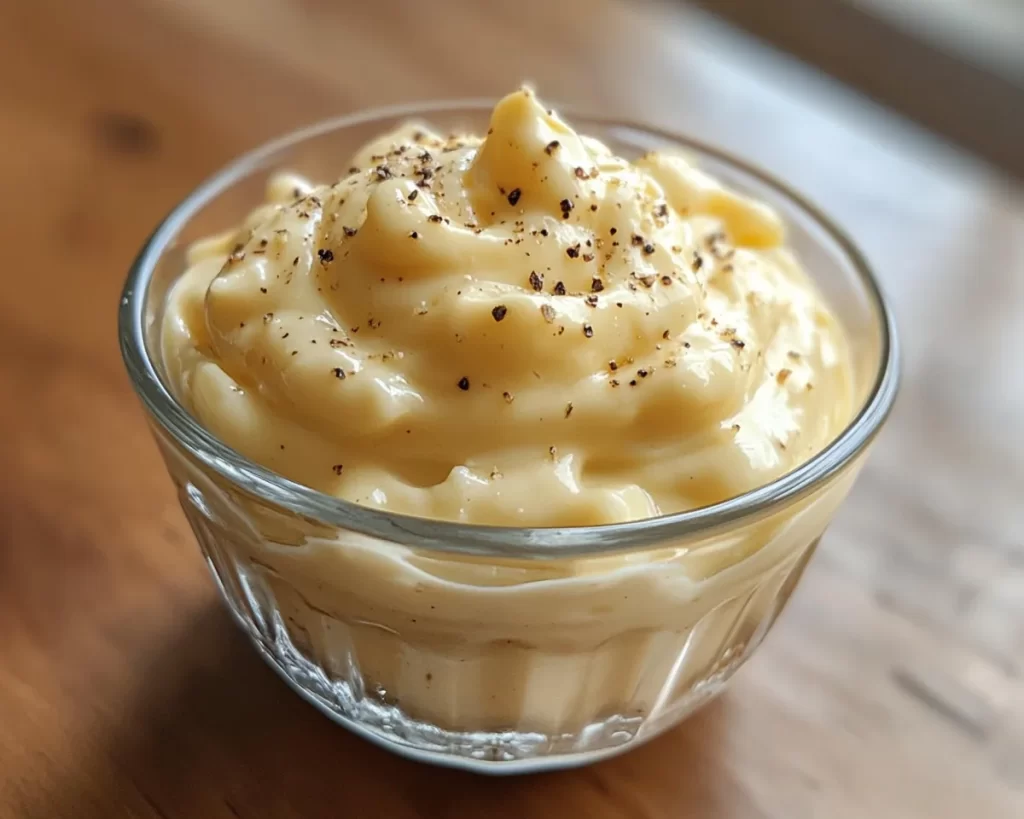
Homemade mayonnaise, particularly in the classic French style, is a versatile condiment made primarily from oil, egg yolks, vinegar, and seasonings. Its origins trace back to France, where it is celebrated not just for its flavor but also for its silky-smooth texture. Unlike commercial versions that often contain stabilizers and preservatives, homemade mayonnaise captures a freshness that enhances its creaminess and taste. The process of emulsion is at the heart of this condiment; when you adequately whisk the oil into the egg yolks, you create a luscious mixture that’s both thick and spreadable.
The flavor of homemade mayonnaise is markedly different from store-bought brands. While commercial mayonnaise often leans towards a bland flavor profile, homemade versions can be tailored with ingredients like Dijon mustard, garlic, or lemon juice to impart a zesty kick. The balance between creaminess, tanginess, and richness is perfected to match your individual palate, making each dollop a burst of flavor. From creamy potato salads to gourmet sandwiches, this classic condiment enhances the overall experience of every dish.
Why You’ll Love This
There are countless reasons to embrace homemade mayonnaise. Firstly, the flavor is unmatched. The creamy texture envelops your taste buds, and each tablespoon delivers a burst of rich, tangy goodness. Secondly, the process is relatively easy, requiring minimal equipment—just a bowl and a whisk or an immersion blender.
This recipe is also economical. Why spend money on overpriced store-bought mayo when you can create a fresher version at home? Moreover, homemade mayonnaise allows for complete control over ingredients, providing an opportunity to create a healthier version. You can choose high-quality oils and skip artificial additives often found in commercial products. The possibilities for flavor variations are endless as well, which means you can easily cater to dietary restrictions or preferences.
It’s common to hesitate about making mayonnaise at home, fearing it might separate or become too runny. Worry not! By following a few straightforward techniques and being aware of common pitfalls, you can ensure that your mayonnaise will turn out perfectly every time. Remember that your kitchen journey is just that—a journey—and every misstep can lead to delicious discoveries!
Ingredients You’ll Need
- 1 large egg yolk: The base of your mayonnaise, providing richness and acting as an emulsifier.
- 1 tablespoon Dijon mustard: This adds depth of flavor and helps stabilize the emulsion.
- 1 tablespoon white wine vinegar or lemon juice: Provides acidity that lifts the flavor profile.
- 1 cup neutral oil (like sunflower or canola): The main fat component, giving body and creaminess.
- Salt to taste: Enhances flavors, making the mayonnaise more savory.
- Optional spices or herbs: Consider adding garlic, paprika, or fresh herbs for additional flavor notes.
Each ingredient plays a crucial role in the outcome of your mayonnaise. The egg yolk not only provides the base but acts as an emulsifier, aiding the blending of oil and vinegar. Being mindful when selecting your oil is important; opt for neutral oils to prevent overpowering flavors. Including a splash of vinegar or a squeeze of lemon juice not only brightens the mayonnaise but also helps to maintain its freshness. If you’re feeling adventurous, customized spices or herbs can make your homemade mayonnaise truly unique.
How to Make
To create your homemade mayonnaise, you can follow these easy steps:
- Start by separating the egg yolk from the egg white. Place the yolk in a mixing bowl or the container of an immersion blender. Make sure no whites get into the yolk, as this will hinder the emulsification.
- Add the Dijon mustard and vinegar (or lemon juice) to the yolk. Using a whisk or an immersion blender, whisk or blend these ingredients together until they are smooth and well combined. This creates a robust base for your mayonnaise.
- Next, it’s time to incorporate the oil. Begin adding the oil VERY slowly, a few drops at a time while continuously whisking or blending. This gradual process of adding the oil allows the yolk to emulsify the mixture properly.
- Once you have added about a quarter of a cup of oil and the mixture appears thicker, you can begin to drizzle in the oil a bit more rapidly while continuing to whisk or blend. Notice the magic happening—the color will lighten and the consistency will thicken!
- Continue adding the oil until it is fully incorporated. The mixture should be creamy and hold a peak when you lift the whisk or immersion blender. Taste and season with salt as desired. If it’s too thick for your liking, you can add a teaspoon of warm water to adjust the consistency.
- Transfer the mayonnaise to a clean jar or container. This creamy delight can be stored in your refrigerator for up to a week. Enjoy your homemade mayonnaise on salads, in sandwiches, or as a dip for fresh veggies!
As you mix the ingredients, the textures will transform from a thin mixture to a delightful, thick mayo. If you’re using an immersion blender, the process is quicker, as it helps emulsify the mixture efficiently. Don’t rush through the slow addition of oil; it’s critical for creating that silky consistency we’re all after. The result is a homemade mayonnaise that rivals any store-bought version!
Variations & Substitutions
Garlic Aioli: If you love garlic, consider making a garlic aioli variation of your homemade mayonnaise. Simply add 1-2 minced garlic cloves to your base ingredients during the blending process. Garlic aioli brings a bold flavor that complements sandwiches, seafood, or even fries. This variant is perfect for fans of rich, garlicky flavor and can elevate even the most straightforward dishes.
Spicy Sriracha Mayonnaise: For those who enjoy heat, a spicy sriracha mayonnaise will be your new favorite. Once your base mayonnaise is ready, stir in 1-2 tablespoons of sriracha or any hot sauce of your preference. This version is fantastic for dipping fried foods or as a spread for sandwiches, giving them a spicy kick that adds excitement to your meal.
Herbed Mayonnaise: Fresh herbs can provide a burst of freshness to your mayonnaise. Adding finely chopped basil, dill, or parsley after you’ve made the original mayonnaise offers a delightful flavor twist. This herbed twist makes for a fantastic addition to potato salads and sandwiches, giving them a fresh, herbal note ideal for summer picnics.
Vegan Mayonnaise: If you’re following a plant-based diet, you can use aquafaba— the liquid from canned chickpeas—as an egg substitute. Use 3 tablespoons of aquafaba in place of the yolk and follow the same procedure for emulsifying. The final product is surprisingly creamy and delicious, offering a great alternative that everyone can enjoy, regardless of dietary concerns.
Avocado Mayonnaise: For a healthier fat option, consider using ripe avocados in your mayonnaise blend. Mash 1 ripe avocado and mix it with the egg yolk and seasonings before incorporating the oil. This yields a creamy, flavorful mayonnaise rich in healthy fats that offer a twist on the traditional recipe, perfect for those looking for nutritious options.
Common Mistakes to Avoid
While making mayonnaise is straightforward, there are a few common pitfalls you should be mindful of. One critical mistake is rushing the oil incorporation process. If you add the oil too quickly, the emulsion may break and result in a watery mixture that can’t be salvaged. If this happens, you can start with a fresh egg yolk in a separate bowl and slowly whisk in the broken mayonnaise to revive it.
Another issue can arise if your ingredients are not at room temperature. Cold eggs and oil can make it less likely for them to emulsify properly. Allow your egg to sit at room temperature for about 30 minutes before starting, ensuring that your emulsion forms as it should.
If you find your mayonnaise is too thick, do not be afraid to add a teaspoon of warm water to loosen it up a bit. Conversely, if it’s too runny, ensure you blend or whisk it vigorously to help catch the emulsion.
Finally, it’s essential to use neutral oils, as extra virgin olive oil can impart a strong taste that may overwhelm the subtle flavors of your mayonnaise. Choosing the right oil will make all the difference in the outcome, ensuring a balanced flavor that suits your dishes.
Storage, Freezing & Reheating Tips
Homemade mayonnaise can be stored in an airtight container in the refrigerator for up to a week. It’s essential to keep it covered to prevent contamination and preserve freshness. Always use clean utensils when scooping out mayonnaise to reduce the risk of introducing bacteria.
While freezing mayonnaise is not recommended due to its emulsified nature, you can re-stir your mayonnaise if it separates after some time in the fridge. Just give it a good whisk, and it should return to its creamy consistency.
For food safety, ensure that you always use pasteurized eggs if you have any concerns about consuming raw eggs. This will alleviate worries related to foodborne illnesses and keep your homemade mayonnaise a delicious and safe condiment to enjoy.
Frequently Asked Questions
Can I make mayonnaise without eggs? Yes! You can make a vegan version using aquafaba, the liquid from canned chickpeas. Simply use aquafaba in place of egg yolks while following the same steps to create a delicious and creamy mayonnaise.
What can I do if my mayonnaise doesn’t thicken? If your mayonnaise doesn’t thicken, it may be due to adding the oil too quickly. You can save a broken mayonnaise by starting with a new egg yolk in a clean bowl and gradually adding the broken mixture to it while whisking continually.
How can I enhance the flavor of my mayonnaise? You can enhance the flavor by adding ingredients such as garlic, sriracha, or fresh herbs. Incorporating these elements after making the base mayonnaise will provide depth and variety in taste.
Can I use a hand mixer to make mayonnaise instead of whisking by hand? Absolutely! A hand mixer or immersion blender can make the process quicker and easier, especially for those who find whisking by hand challenging. Just be sure to add the oil slowly to achieve the right consistency.
How do I know if my mayonnaise has gone bad? Homemade mayonnaise can smell bad or have an off-taste if it has gone bad. Always check the date you made it—if it’s been more than a week, it’s best to err on the side of caution and discard it.
Conclusion:
Making mayonnaise at home is not just about creating a condiment; it’s about embracing the art of basic cooking and enjoying the richness of flavor that comes from fresh ingredients. By following this simple recipe, you can indulge in a creamy, homemade mayonnaise that far surpasses anything store-bought. Feel free to experiment with different flavors and textures to make it your own. Share this delicious creation with family and friends, and don’t hesitate to customize it to suit your preferences. You’re now equipped to take your meals to the next level—go ahead and try it!