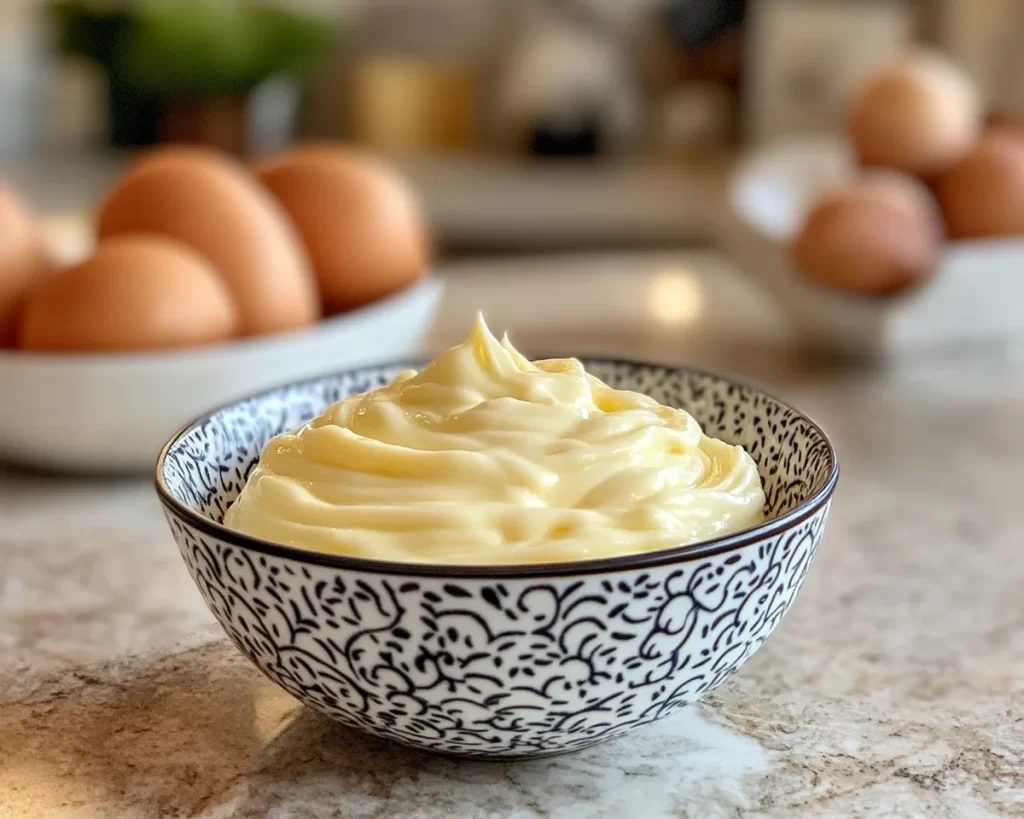
Prep time: 5 minutes
Cook time: 1 minute
Total time: 6 minutes
Servings: 8
Homemade mayonnaise is one of those culinary delights that can transform a simple dish into a flavor explosion, reminiscent of summer picnics and backyard barbecues. Think about the creamy texture and the richness that a dollop of mayonnaise adds to your favorite sandwiches or salads. Not only is this homemade version incredibly easy, but it also bursts with freshness that store-bought alternatives often lack. In this recipe, we’ll guide you step-by-step to whip up your very own Homemade Mayonnaise (Blender Mayo in 60 Seconds). You’ll discover how to create this versatile condiment at home, learn some tips, and explore variations to suit your taste.
Imagine grabbing an egg, some oil, and a splash of vinegar to create a delicious, creamy condiment in just under a minute! You will learn how hate mayonnaise might taste store-bought and the magic of homemade mayonnaise, made in mere seconds using your blender. From classic mayonnaise to flavored versions, you’ll soon become a mayonnaise master, impressing your friends and family with your culinary prowess.
What Is Homemade Mayonnaise (Blender Mayo in 60 Seconds)?
Homemade mayonnaise, particularly the blender version, is a creamy, thick condiment that serves as the base for countless spreads, dips, and dressings. Originating from the French culinary tradition, mayonnaise is an emulsion of oil, egg yolk, and an acid (like lemon juice or vinegar), which come together to create a smooth sauce. This Mayonnaise is a staple in many kitchens and can significantly elevate the flavors of sandwiches, salads, or even roasted vegetables.
The texture of homemade mayonnaise is often richer and creamier than commercial versions, providing a fresh taste that one cannot find in jars packed with preservatives. This is all due to the controlled ingredients you can select, allowing you to avoid artificial flavors and other additives. The flavor profile of homemade mayonnaise is malleable, allowing for variations that can include garlic, herbs, or spices, thus tailoring it to your specific palate and preferences.
Creating mayonnaise in a blender demystifies traditional methods that might require whisking for extended periods. Instead of spending time with a manual whisk, the blender allows you to combine ingredients at high speed, producing an emulsion almost instantly. This quick method not only saves time but also reduces the effort needed, making it perfect for busy cooks who crave homemade taste without the hassle.
Why You’ll Love This
You will particularly love this recipe for several compelling reasons. First and foremost is the taste. Homemade mayonnaise offers a depth of flavor that you simply cannot achieve with the supermarket alternative. It is rich, creamy, and customizable, meaning you can add your favorite herbs, spices, or even sriracha for an unexpected kick.
Moreover, this recipe is incredibly easy to prepare, taking less than a minute once you gather your ingredients. For busy parents or individuals new to cooking, this may seem like a magic trick rather than a culinary endeavor. Plus, since you know exactly what goes into the mayo, you can ensure that it aligns with your dietary needs, making it an excellent option for anyone following a specific nutrition plan.
From a budget standpoint, making your own mayonnaise can save you money in the long run, especially if you regularly use it in various dishes. A jar of homemade mayonnaise often costs significantly less than a store-bought equivalent. So, whether you’re looking to save time, effort, or money, this homemade mayonnaise recipe checks all the boxes!
Ingredients You’ll Need
To make delicious homemade mayonnaise, you’ll require the following ingredients:
- 1 large egg – The base of the mayonnaise, the egg yolk helps to emulsify the oil and give a rich texture.
- 1 tablespoon vinegar or lemon juice – This acidic medium enhances flavor and aids emulsification.
- 1 cup of neutral oil – Any mild-flavored oil like canola, grapeseed, or vegetable oil will work well.
- Salt to taste – Start with about half a teaspoon; you can adjust according to personal preference.
- Optional flavorings – Such as garlic, dijon mustard, or freshly chopped herbs for added flavor.
Each ingredient plays a crucial role in creating a well-balanced mayonnaise. The egg yolk is a powerhouse of emulsification, ensuring that the oil and acidic ingredients blend smoothly into a creamy concoction. The vinegar or lemon juice not only adds a sharp brightness to the flavor but also helps stabilize the mixture. When it comes to the oil, selecting a high-quality option will result in a superior texture and taste; never underestimate the importance of using fresh ingredients. Salt, while optional, enhances all the flavors, making every bite heavenly.
If you’re looking for alternatives or variations, consider using an avocado oil for a different taste while maintaining the same creamy consistency. For a vegan alternative, aquafaba (the liquid from canned chickpeas) works surprisingly well as a substitute for the egg; just be sure to whip it well before adding the oil.
How to Make
Follow these step-by-step instructions to create your homemade mayonnaise:
- Gather all your ingredients: Make sure that all items are at room temperature for optimal emulsification. This can make a notable difference in how well your mayonnaise comes together and results in a creamier texture.
- Add the egg and vinegar to the blender: Crack the egg directly into the blender, ensuring no shell fragments make it in. Pour in your tablespoon of vinegar or lemon juice, and if you’re using any optional flavorings like dijon mustard, add that in as well. The blender makes the mixing easy and ensures everything is properly combined from the start.
- Blend to a foamy consistency: Turn on your blender for about 10-15 seconds. You should see the mixture get frothy. That’s a good sign that your egg is beginning the emulsification process.
- Start adding the oil: Keeping the blender running on a low setting, slowly drizzle in your cup of oil in a thin, steady stream. This gradual method helps to properly emulsify the oil with the egg mixture, preventing separation. You will watch as the mayonnaise develops a creamy texture right before your eyes.
- Check the consistency: Once you’ve added all the oil, increase the blender speed for an additional 10-15 seconds until your mayonnaise is thick and creamy. If it seems too thick, you can add a tablespoon of water to loosen it. Taste and adjust the salt or acidity levels as necessary, blending just a few seconds to incorporate.
- Transfer to a jar: Use a spatula to scrape the homemade mayonnaise into an air-tight jar. You can store it in the refrigerator for up to one week.
That’s it! The steps are straightforward and designed even for beginners. By the end of this simple process, you’ll have a rich, creamy mayonnaise ready to elevate your meals. Enjoy the flavors and the satisfaction of having created something so deliciously simple!
Variations & Substitutions
Garlic Aioli Variation: To create a delightful garlic aioli, add a few cloves of minced garlic at the beginning with your egg and vinegar. This will impart a garlicky essence that’s perfect for spreading on sandwiches or using as a dip for fries. Feel free to adjust the amount based on your love for garlic; add more for an intensified flavor!
Herbed Mayonnaise Variation: If you’re looking to brighten up your mayonnaise, consider adding chopped fresh herbs such as basil, dill, or parsley at the end of the blending process. This is particularly wonderful during the summer months when fresh herbs are abundant. The addition of herbs will not only enhance the taste but also provide a beautiful visual appeal to your mayonnaise.
Spicy Mayonnaise Variation: Want to turn up the heat? For a spicy mayonnaise, add sriracha or diced jalapenos to the blender once the basic mayonnaise is made. This variation is excellent for dipping sushi, drizzling on tacos, or just adding a kick to your sandwiches. Adjust the heat levels according to your own spice tolerance!
Curry Mayonnaise Variation: For a unique twist, try incorporating curry powder once the mayonnaise is complete. This will give your mayonnaise a vibrant color and an exotic flavor that pairs wonderfully with roasted vegetables or as a dressing for slaws.
Each variation changes the flavor profile and enhances the versatility of homemade mayonnaise, making it a fun project to try with family or friends. Experiment with your favorite ingredients to discover your very own signature mayonnaise blend!
Common Mistakes to Avoid
Creating homemade mayonnaise can be simple, but there are pitfalls that can lead to a less-than-ideal result. Here are some common mistakes and how to avoid them:
One of the most frequent issues faced is the separation of the mayonnaise, often caused by adding the oil too quickly. To prevent this, remember to drizzle in the oil slowly while the blender is running. A steady drizzle allows the emulsification process to take place properly. It may seem tedious, but the flavor and texture will be worth the extra effort.
Another pitfall is using cold ingredients. Ensure that the egg and all ingredients are at room temperature; this significantly aids emulsification. If you’ve forgotten, you can place the egg in warm water for a few minutes to bring it to temperature quickly.
Also, be cautious with the addition of salt. While it enhances the flavor, too much can overpower the taste of your mayonnaise. It’s always better to start small, taste, and adjust for your preferences.
Storage, Freezing & Reheating Tips
Storing homemade mayonnaise is essential for keeping it fresh and safe to consume. Transfer your mayo to a clean, air-tight jar as soon as it’s made. This can help keep out unwanted bacteria and preserve its quality. You can refrigerate your homemade mayonnaise for up to one week. Always ensure to use a clean utensil when scooping out mayonnaise to prevent contamination.
As for freezing, it is not generally recommended to freeze homemade mayonnaise due to the egg content, which can cause a change in texture upon thawing. Instead, focusing on using your mayonnaise within the week is best. If you find yourself with excess mayonnaise, consider planning a meal that allows you to use it up, such as a potato salad or a dipping sauce for veggies.
When it comes to reheating, remember that mayonnaise does not need to be heated. Instead, serve it cold straight from the refrigerator, or allow it to reach room temperature for a more creamy texture when pairing with warm food.
Frequently Asked Questions
Can I use a hand blender instead of a traditional blender for this recipe?
Absolutely! A hand blender or immersion blender works wonders for making mayonnaise. Just be sure that it is fully submerged in your ingredients to ensure proper emulsification. It can also give you more control over the consistency.
Why did my mayonnaise turn out runny?
If your mayonnaise is runny, it likely did not emulsify properly. This could be due to adding the oil too quickly or using cold ingredients. Try blending in a new egg yolk while slowly drizzling in the runny mayo; this can help bring it back together.
Is there a vegan mayonnaise version?
Yes, using aquafaba, the liquid from canned chickpeas, instead of an egg can yield delicious vegan mayonnaise. Blend the aquafaba with your oil and acid, following the same procedure for emulsification. It can taste just as creamy and flavorful as the egg version!
Can I flavor the mayonnaise after making it?
Yes, you can mix in additional ingredients like garlic, herbs, or spices after the mayonnaise has been made. Start with a small amount and blend until you reach your desired flavor.
What dishes pair well with homemade mayonnaise?
Homemade mayonnaise is versatile and pairs beautifully with sandwiches, salads, and as a base for sauces. It complements everything from veggie platters to fish tacos, allowing you to use it as a base for dressings or dips.
Conclusion:
Ultimately, making homemade mayonnaise is a rewarding and straightforward task that can elevate your culinary game. Not only do you benefit from the incredible flavor and creamy texture, but you also gain the freedom to customize your mayonnaise to align with your taste and dietary requirements. Experiment with flavors, find the perfect variations, or simply enjoy it as is. Don’t hesitate to try this recipe or share your newfound skills with others. Soon enough, you may find that store-bought mayo is a thing of the past in your kitchen!