Prep time: 20 minutes
Cook time: 45 minutes
Total time: 1 hour 5 minutes
Servings: 8
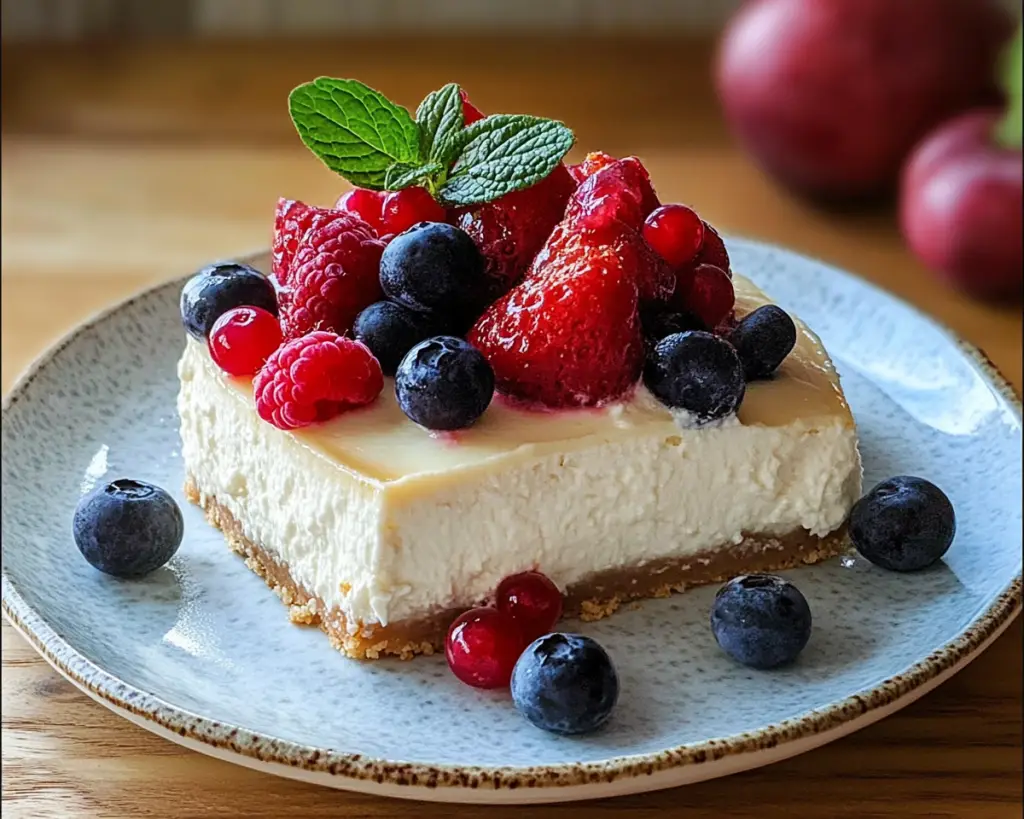
Cottage cheese and yogurt cheesecake has become a hidden gem in the world of desserts. Imagine biting into a slice of creamy cheesecake, rich yet light, effortlessly melting in your mouth, and leaving you with a satisfying sweetness without the heavy feeling that often comes with traditional options. This recipe not only satisfies your cravings but also aligns with a healthier lifestyle, making it a perfect choice for busy parents or anyone keen on healthy eating. As you embark on this culinary journey, you will discover how simple ingredients can create extraordinary flavors and textures. Prepare to learn about the ease of preparation, tips to make it perfect, and variations to customize it to your palate.
What Is Healthy Cottage Cheese & Yogurt Cheesecake Recipe?
Cottage cheese and yogurt cheesecake is a delightful twist on the classic cheesecake. This dessert offers a creamy texture without being overly dense. Originating from a need for lighter dessert options, this cheesecake incorporates healthy dairy staples, allowing you to indulge without remorse. The primary ingredients, cottage cheese and yogurt, bring a balance of protein and moisture to the dish, making it not only satisfying but also beneficial to your diet.
The flavor profile of this recipe is refreshingly unique. The slight tang from the yogurt combined with the subtle sweetness of the cottage cheese creates a harmonious blend. When baked, you’ll discover a texture that is silky yet slightly airy, distinguishing it from its heavier counterparts. It’s a great showcase of how nutritious ingredients can transform into an indulgent dessert. You can add your choice of toppings, like fresh fruit or a sweet glaze, that complements the cheesecake’s smooth texture.
Why You’ll Love This
One of the standout features of this cheesecake recipe is its irresistible flavor, which is both indulgent and guilt-free. The combination of cottage cheese and yogurt offers a delightful creaminess, bringing a new perspective to cheesecakes. When you take a bite, you experience a well-balanced sweetness that doesn’t overwhelm the palate, making it an excellent choice for those who prefer desserts that are not overly sugary.
Another reason you’ll appreciate this dish is its ease of preparation. Forget complex techniques often associated with traditional cheesecakes. This recipe is incredibly straightforward, making it perfect for beginners and busy individuals alike. All you need is a mixing bowl, and you can whip it up in no time.
Cost is another consideration; this cheesecake uses affordable ingredients that can often be found in your pantry or at local grocery stores. You don’t need to break the bank for a delicious dessert, making this recipe a budget-friendly choice. Moreover, the versatility of flavors allows you to customize it with various fruits or toppings, giving you the opportunity to create something new each time.
Common misconceptions regarding healthy desserts often lead people to believe they must sacrifice flavor or texture. With this cheesecake, that myth is debunked! Many enjoy it just as much, if not more, than traditional alternatives. Experience the delight of a rich, creamy cheesecake without any of the guilt.
Ingredients You’ll Need
- Cottage Cheese: The star ingredient provides creaminess and protein. Opt for low-fat options if you’re looking to reduce calories or stick with full-fat for a richer flavor.
- Greek Yogurt: Adds a tangy richness and enhances the protein content. It can be substituted with regular yogurt, though Greek yogurt gives a thicker texture.
- Sugar or Sweetener: Used to balance the flavors; adjust the quantity based on your taste preference. Natural sweeteners, like honey or maple syrup, can also work well.
- Eggs: Essential for binding the ingredients together and providing structure. You can use flax eggs or chia eggs for a vegan alternative.
- Vanilla Extract: Adds depth and enhances the overall flavor. Choose pure vanilla extract for the best results.
- Lemon Juice: Infuses a refreshing acidity that brightens the flavors; it can be replaced with lime juice if desired.
- Graham Cracker Crust: Complements the creamy filling beautifully. A simple mix of crushed graham crackers, melted butter, and sugar forms the base, but you can substitute with a nut crust for a gluten-free option.
How to Make
- Preheat your oven: Set the oven to 325°F (160°C). This step ensures even baking, allowing your cheesecake to rise uniformly.
- Prepare the crust: In a mixing bowl, combine crushed graham crackers, melted butter, and a touch of sugar. Mix until the texture resembles wet sand, then press it into the bottom of a greased springform pan. Make sure the crust is even for a consistent base.
- Blend the filling: In a blender or food processor, combine the cottage cheese, Greek yogurt, eggs, sugar, vanilla extract, and lemon juice. Blend until the mixture is smooth and creamy. When blending, scrape down the sides to ensure all ingredients are incorporated.
- Pour into pan: Carefully pour the filling over the prepared crust. Tap the pan gently on the counter to eliminate any air bubbles that may have formed, ensuring a smooth texture.
- Bake: Place the cheesecake in the preheated oven. Bake for about 45 minutes or until the edges are set and the center is slightly jiggly. The residual heat will continue cooking the cheesecake after it’s taken out of the oven.
- Cool: Allow the cheesecake to cool at room temperature before refrigerating it for at least 4 hours or overnight. This helps enhance the flavors while firming up the texture. Serving it cold will provide the best experience.
- Serve: Once chilled, run a knife along the edges of the springform pan and gently remove the sides. Slice and enjoy plain, or top it with fresh fruit, compote, or a dollop of whipped cream.
Variations & Substitutions
Fruit-Infused Cheesecake: You can easily incorporate fruit, such as blueberries or strawberries, into the batter. Simply blend the desired fruit with the filling before baking. This not only enhances flavor but also visually elevates the dessert, making it more appealing. It’s an excellent option for family gatherings or when you’d like to impress guests.
Chocolate Cheesecake: For chocolate lovers, try adding cocoa powder to the filling. Start with about half a cup and adjust according to your taste. This variation transforms the cheesecake into a rich dessert that pairs beautifully with a hint of peppermint or a drizzle of chocolate syrup. It’s perfect for special occasions or a chocolate fix.
Nut-Based Crust: For those with gluten sensitivities or simply looking for a different texture, opt for a crust made with ground nuts such as almonds or pecans mixed with a touch of butter and sweetener. This variation delivers an earthy flavor and adds a delightful crunch, offering contrast to the creamy filling.
Vegan Alternative: To create a vegan cheesecake, substitute dairy with silken tofu or cashews. Blend 1 cup of soaked cashews (or silken tofu) with dairy-free yogurt, sweetener, and vanilla. Pour it over the nut crust and bake as per usual. This variation is perfect for accommodating dietary needs without sacrificing flavor.
Citrus Infusion: For a refreshing twist, add the zest of an orange or lime to the filling. This brightens the flavors and provides a zesty aroma that can transport you to a sunny day. It pairs wonderfully with a berry topping for an invigorating experience.
Common Mistakes to Avoid
A common mistake when making cheesecake is overmixing the batter. This can introduce air bubbles that lead to cracks during baking. **When blending your filling, just mix until everything is combined and smooth.** It’s essential not to overdo it. Cracks can also occur if the cheesecake is overbaked; if the center is too solid rather than slightly jiggly, **the texture will become dry.**
Another frequent issue is not adequately cooling the cheesecake. **Allow your dessert to cool gradually at room temperature before chilling it in the refrigerator.** Skipping this step can result in a rubbery texture. Lastly, remember to run a knife along the edges before releasing the springform pan to avoid tearing the sides and mishandling your perfectly baked cheesecake.
Storage, Freezing & Reheating Tips
Your healthy cottage cheese and yogurt cheesecake can be stored in the refrigerator for up to five days, making it an excellent option for meal prep or make-ahead desserts. Ensure it is covered tightly with plastic wrap or kept in an airtight container to maintain freshness.
If you’d like to extend its lifespan, you can freeze the cheesecake. To do this, slice the cake into individual portions and wrap each one securely with plastic wrap followed by aluminum foil. This method prevents freezer burn and helps retain flavor. It can be kept in the freezer for up to three months. When you’re ready to enjoy a slice, simply thaw it overnight in the refrigerator or leave it at room temperature for a couple of hours.
Reheating is not typically necessary with cheesecakes. However, if you prefer it slightly warm, preheat your oven to a low temperature, about 200°F (93°C), and warm the cheesecake for about 10 minutes. Be careful not to cook it further; you just want to soften the texture for a comforting dessert experience.
Frequently Asked Questions
Can I use regular yogurt instead of Greek yogurt?
Yes, you can use regular yogurt, but keep in mind that the texture might be slightly less thick. Greek yogurt contributes to a creamier consistency, making the cheesecake feel more traditional. If you don’t have Greek yogurt, using regular will still yield a delicious result.
Can I skip the crust entirely?
Absolutely! If you’re looking for a gluten-free or lower-carb option, you can omit the crust entirely. It will still taste amazing, and you can serve it in a bowl as a cheesecake parfait, topped with your favorite fruits or nut butter.
How do I know when the cheesecake is done baking?
The cheesecake is done when the edges are set and the center has a slight jiggle. It will continue to cook as it cools due to residual heat, so avoid overbaking as this will lead to a dry texture.
Can I adjust the sweetness of the cheesecake?
Definitely! Feel free to modify the sugar or sweetener to suit your taste. Keep in mind that different sweeteners can impact the flavor slightly, so gradual adjustments are advised to find your perfect balance.
What are some creative topping ideas for the cheesecake?
There are countless options! Fresh berries, such as strawberries or blueberries, provide a lovely tartness. Alternatively, a drizzle of honey, melted dark chocolate, or a dollop of fruit compote can enhance the flavor and make the presentation even more appealing.
Conclusion:
This Healthy Cottage Cheese & Yogurt Cheesecake is not just a dessert; it’s a delightful experience merging flavor, texture, and health benefits. Packed with protein and easily customizable, it can become your new go-to sweet treat. So go ahead, give it a try! You’ll find not only joy in the process but also satisfaction in each bite—whether you choose to enjoy it plain or with delectable toppings. Feel free to experiment with flavors and share your masterpiece with friends and family; they will surely ask for seconds!