Prep time: 30 minutes
Cook time: 45 minutes
Total time: 1 hour 15 minutes
Servings: 8
There is something undeniably comforting about a homemade pie, and at the heart of that experience lies Grandma’s Perfect Pie Crust Recipe. This isn’t just any pie crust; it embodies the warmth of family gatherings, the aroma of freshly baked goods wafting through the house, and the love that only a family recipe can capture. Every flaky layer tells a story, inviting memories of cozy kitchens and shared laughter. This recipe is not only reliable but also incredibly easy to master, making it a perfect choice for both the seasoned baker and those just starting their culinary journey.
Throughout this article, you’ll learn how to create a perfectly flaky and buttery pie crust, understand the different ingredients that come together, and appreciate the time-honored techniques that elevate this dish. Whether you’re preparing a classic apple pie for a holiday gathering or experimenting with a savory quiche, this crust will not disappoint.
What Is Grandma’s Perfect Pie Crust Recipe?
Grandma’s Perfect Pie Crust Recipe is a classic that has been passed down through generations, standing the test of time with its incredible flavor and texture. This recipe yields a crust that is not only buttery and flaky, but it also has a lightness that complements any filling. The key lies in using the right ratio of fat to flour and ensuring that all the ingredients are kept cold. Many might think that pie crusts are complicated, but this recipe simplifies the process without sacrificing quality.
The origin of this recipe can be traced back to the comforts of home cooking, where simple ingredients were transformed into something truly wonderful. The dough’s unique texture comes from the cold butter, which melts during baking, creating steam pockets that result in that desired flakiness. The flavor is enhanced with a pinch of salt, balancing sweetness in fruit pies or absorbing savory juices in meat pies. This crust becomes the versatile canvas for your creative pie ideas, whether sweet or savory.
With each bite, you’ll savor the richness of butter blended with just the right touch of salt, enveloping your favorite fillings. The way it crumbles lightly under your fork yet holds together so easily is what truly makes this pie crust special, reminding us of home. If you’re ready to create memories in your kitchen, let’s dive deeper into what makes this pie crust a must-have.
Why You’ll Love This
You’ll instantly fall in love with this pie crust for numerous reasons. First and foremost, the flavor is phenomenal! The buttery notes and light saltiness combine to create a complementary base for any pie filling. Imagine a rich chocolate pie or a vibrant fruit tart nestled inside this crust. The taste alone is enough to make this recipe a staple in your kitchen.
In addition to flavor, the ease of this recipe is another strong point. Even if you’re a novice baker, the clear instructions guide you through each step. It’s perfect for busy parents looking to whip up something delicious for an evening treat or even a weekend family gathering. Plus, making pie crust from scratch often costs less than pre-made options and gives you complete control over the ingredients, ideal for those on a budget.
Avoiding common misconceptions, many home cooks believe that making a pie crust complicated and time-consuming. This recipe debunks that myth. The key is to keep your ingredients cold and handle the dough minimally, leading to fantastic results. For instance, your food processor can do much of the work, making this process as efficient as possible without sacrificing that homemade taste. Give it a try, and you’ll see just how simple and rewarding making your own pie crust can be.
Ingredients You’ll Need
- All-purpose flour: The backbone of your pie crust, it provides the necessary structure. For a gluten-free option, use a gluten-free flour blend designed for baking.
- Unsalted butter: This adds a rich flavor and flaky texture. Make sure it’s cold and cut into cubes for best results.
- Granulated sugar: A small amount enhances flavor in sweet pies, but you can omit it for savory pies.
- Salt: Essential for balancing flavors. A pinch goes a long way in elevating your pie crust.
- Ice water: Adding just enough moisture to bring the dough together without making it soggy.
Let’s break these ingredients down further. The all-purpose flour creates the bulk of the crust, giving it structure, while the cold butter is critical for achieving that lovely flakiness. By cutting the butter into the flour until it resembles coarse crumbs, you’re allowing those little chunks of butter to remain intact, which, when baked, create steam and lift.
While granulated sugar adds to the sweetness in fruit pies like blueberry or cherry, it’s optional for savory fillings such as quiches. Salt plays an equally important role. It enhances flavor and helps control yeast activity in other baked goods, which isn’t directly relevant here but teaches you about the importance of balancing flavors across all baking. Meanwhile, the ice water is what brings it all together, serving as the binding agent without making the dough too wet.
How to Make
1. **Prepare your workspace.** Start by gathering all your ingredients. A clean, spacious workspace allows for a smooth workflow. If possible, chill your mixing bowl and utensils in the refrigerator for about 15 minutes beforehand. This extra step helps keep the butter cold, which is crucial for a flaky texture.
2. **Mix the dry ingredients.** In a large mixing bowl, combine the all-purpose flour, sugar, and salt. Use a whisk to ensure there are no lumps. This blend is the foundation for your pie crust, and getting it right is essential for overall flavor.
3. **Incorporate the butter.** Add the cold, cubed butter to the flour mixture. Use a pastry cutter or your fingertips to work the butter into the flour. You want to stop when the mixture resembles coarse crumbs with some pea-sized chunks of butter still visible. Take care not to overmix, as these bits of butter will lead to flakiness.
4. **Add the ice water.** Gradually add ice-cold water to the mixture, one tablespoon at a time. Use a fork to gently mix in the water until the dough starts to come together. The mixture should be moist but not sticky. This part requires a little patience; adding too much water can lead to a dough that is tough instead of tender.
5. **Form the dough.** Once the dough is cohesive, turn it out onto a lightly floured surface. Gently knead it a couple of times to bring it together, then shape it into a disc. Wrap the dough in plastic wrap and refrigerate for at least 1 hour. This step helps relax the gluten, making it easier to roll out later.
6. **Roll out the dough.** When you’re ready to bake, remove the dough from the refrigerator. Allow it to sit at room temperature for about 10 minutes before rolling it out to make it more manageable. Dust your work surface and rolling pin with flour, and begin rolling from the center outwards. Aim for a circle that is about 1/8 inch thick and large enough to fit into your pie dish.
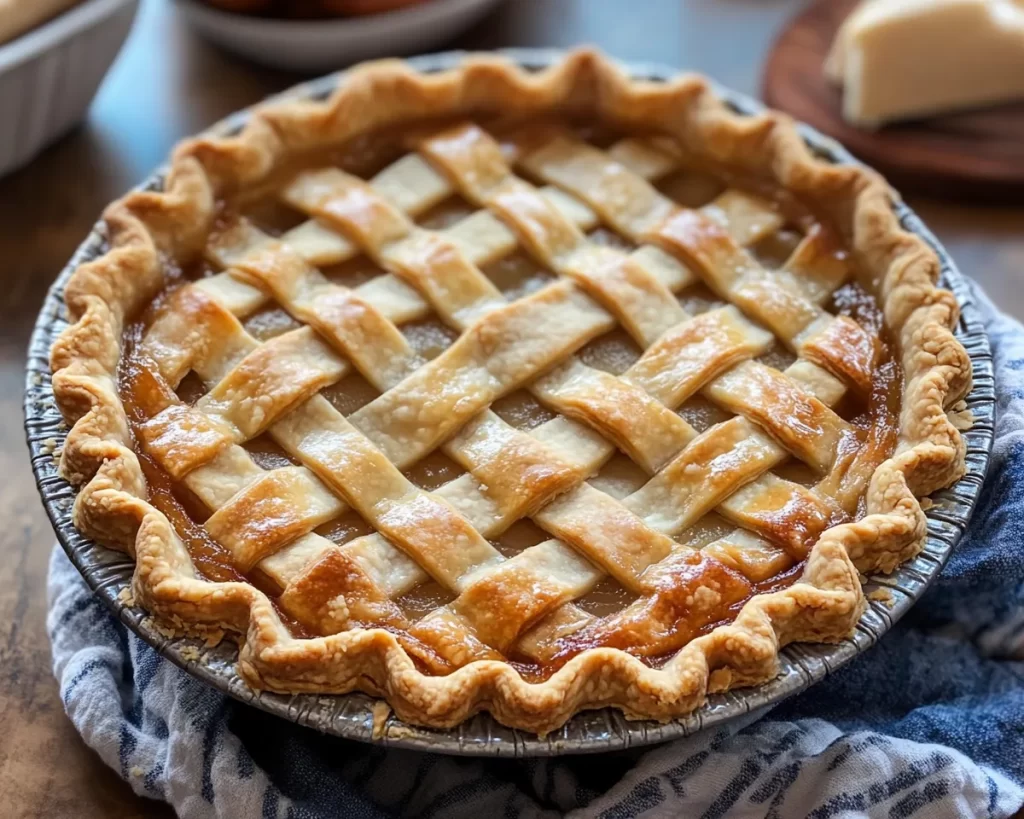
7. **Transfer to pie dish.** Carefully lift the dough into your pie plate. If it breaks, simply patch it up; the beauty of homemade crust is in its rustic charm. Trim any excess dough hanging over the edges, and fold the edges under to create a thicker crust border. Crimp the edges for decorative flair.
8. **Pre-bake if needed.** Depending on your filling, you may want to pre-bake the crust to avoid a soggy bottom. Prick the bottom with a fork to prevent bubbling, place a layer of parchment paper inside, and fill with pie weights or dried beans. Bake in a preheated oven at 375°F (190°C) for about 15-20 minutes until golden. Allow it to cool before adding your filling.
9. **Fill and bake.** After pre-baking (if necessary), fill your pie with your chosen filling and bake according to the recipe instructions. Depending on the filling, this can range from 25 minutes for fruit pies to over an hour for custard pies.
10. **Cool and enjoy.** Let the pie cool at room temperature before slicing. This will allow the filling to set properly. Once cooled, slice the pie and serve with a scoop of ice cream or whipped cream for an extra treat!
Variations & Substitutions
Whole Wheat Variation: If you’re looking for a healthier option, consider replacing half of the all-purpose flour with whole wheat flour. This variation will provide a nuttier flavor and a denser texture, making it perfect for savory pies, especially quiches. Keep in mind that whole wheat flour absorbs more moisture, so you might need to increase the amount of ice water slightly.
Dairy-Free Adaptation: For those who are lactose intolerant or following a vegan diet, you can substitute the unsalted butter with dairy-free margarine or coconut oil. Both options will yield a delicious crust with a slightly different flavor profile. Coconut oil imparts a subtle coconut taste, which pairs wonderfully with tropical or fruity fillings. Use solid coconut oil for a flakier crust.
Gluten-Free Option: If you’re avoiding gluten, a blend of gluten-free all-purpose flour along with a bit of xanthan gum will work well in this recipe. This combination will mimic the properties of traditional flour, offering you a similar texture. Make sure to chill the dough as you would normally for better handling.
Herbed Crust Variation: For a flavorful twist, consider adding finely minced fresh herbs like rosemary or thyme to the flour mixture. This variation is fantastic for quiches or savory pies, enhancing the taste and aroma. Be cautious when adding herbs, as you don’t want to overwhelm the overall flavor. A tablespoon should suffice for a delightful hint of herbaceous notes.
Chocolate Pie Crust: For dessert lovers, turning your pie crust into a chocolate version is a fun way to elevate your pie game. Simply mix in a bit of cocoa powder with the flour—about 1/3 cup should work. This slightly sweet and rich crust pairs well with fruit fillings or creamy chocolate ganache for a dessert that’s sure to impress. Remember, the chocolate crust might need slightly less sugar if you go for a sweeter filling.
Common Mistakes to Avoid
When it comes to making Grandma’s Perfect Pie Crust Recipe, there are a few common pitfalls to be aware of. First, always remember to keep your ingredients cold. If your butter warms up too much, it won’t create the necessary flakiness in the crust. To avoid this, consider chilling your mixing bowl, utensils, and even the flour before starting.
Another common mistake is overworking the dough. Kneading or mixing it too long can lead to a tough crust due to gluten development. Instead, handle the dough gently and only until it comes together. It’s perfectly okay for there to be some visible bits of butter in the mix; they’ll help create a light, flaky texture when baked.
Additionally, doubling this recipe without adjusting the chilling time can lead to dough that is too warm. Make sure each batch has enough time in the refrigerator to allow the gluten to relax properly. Lastly, if you choose to pre-bake, always use weights to keep your crust from puffing up. Pricking the base with a fork can help as well. Following these tips will help you avoid common baking disasters and achieve the perfect pie crust every time.
Storage, Freezing & Reheating Tips
When it comes to storing your pie crust, it’s ideal to keep it fresh for future use. After making the pie dough, you can wrap it tightly in plastic wrap and refrigerate it for up to three days. Just remember to bring it back to room temperature for 10-15 minutes before rolling it out to make it more workable.
If you’re looking to prepare ahead of time, you can also freeze the pie dough. Wrap it in plastic wrap and then in aluminum foil to prevent freezer burn. It can last in the freezer for up to three months. When you’re ready to use it, simply thaw it overnight in the refrigerator. For best results, allow it to come to room temperature before rolling out.
If you find yourself with leftover pie crust after making a pie, you can either cover and store it in the fridge for a few days or freeze it just like the raw dough. Reheating a baked pie is best done in an oven to maintain the texture—simply cover the pie with foil to prevent the crust from burning and heat at 350°F (175°C) until warmed through, usually about 15-20 minutes.
Another tip is to ensure that any uncooked filled pies are not left to sit out too long, as fillings can spoil. Ideally, they should either be baked immediately or refrigerated until you are ready to do so. If you’re making a custard or cream pie, allow it to cool completely before refrigerating it to maintain the crust’s integrity. Following these storage tips will help ensure that your pie crust remains perfect and fresh when you are ready to enjoy it.
Frequently Asked Questions
How can I tell if my pie crust is done baking?
You want your pie crust to be beautifully golden-brown and crisp. If you’re pre-baking, check for a light golden color at the edges and ensure that the bottom isn’t soggy. If you’re baking a filled pie, the crust should have a similar golden-brown color, and the filling should be cooked through or set, depending on your recipe.
Can I use margarine instead of butter for this recipe?
Absolutely! While you can use margarine, it might change the flavor slightly. Make sure to pick a stick margarine rather than a spread, as the latter has a higher water content which can lead to a soggier crust.
Is it possible to make this dough ahead of time?
Yes! Making the dough ahead of time is not only possible but encouraged. You can store the dough in the refrigerator for up to three days or freeze it for three months. Just remember that cold dough rolls out easier, so thawing it first is key.
How do I prevent a soggy bottom crust?
Soggy bottoms often occur from moisture seeping into the crust. To prevent this, ensure that your filling isn’t overly liquidy. You can also pre-bake the crust and use a layer of cornstarch or flour between the pie crust and filling to act as a barrier.
What if my dough is too crumbly? Can I fix it?
If you find that your dough is too crumbly and doesn’t hold together, it may not have enough moisture. You can gently sprinkle in a little more ice water, one teaspoon at a time, and mix until it’s cohesive. Be careful not to overwork it!
Conclusion:
In summary, Grandma’s Perfect Pie Crust Recipe is not just a simple guide to making pie dough; it’s a way to connect with traditions and flavors that warm your heart. With its buttery, flaky texture and fantastic versatility, this crust serves as an ideal foundation for both sweet and savory pies. Whether you’re trying it for the first time or adding it to your collection of favorite recipes, this pie crust opens the door to endless possibilities in the kitchen. So gather your ingredients, roll up your sleeves, and dive into the joy of homemade pie-making. Don’t forget to customize it with your favorite flavors or fillings, or share it with friends and family to spread the love. Happy baking!