Prep time: 20 minutes
Cook time: 35 minutes
Total time: 55 minutes
Servings: 8
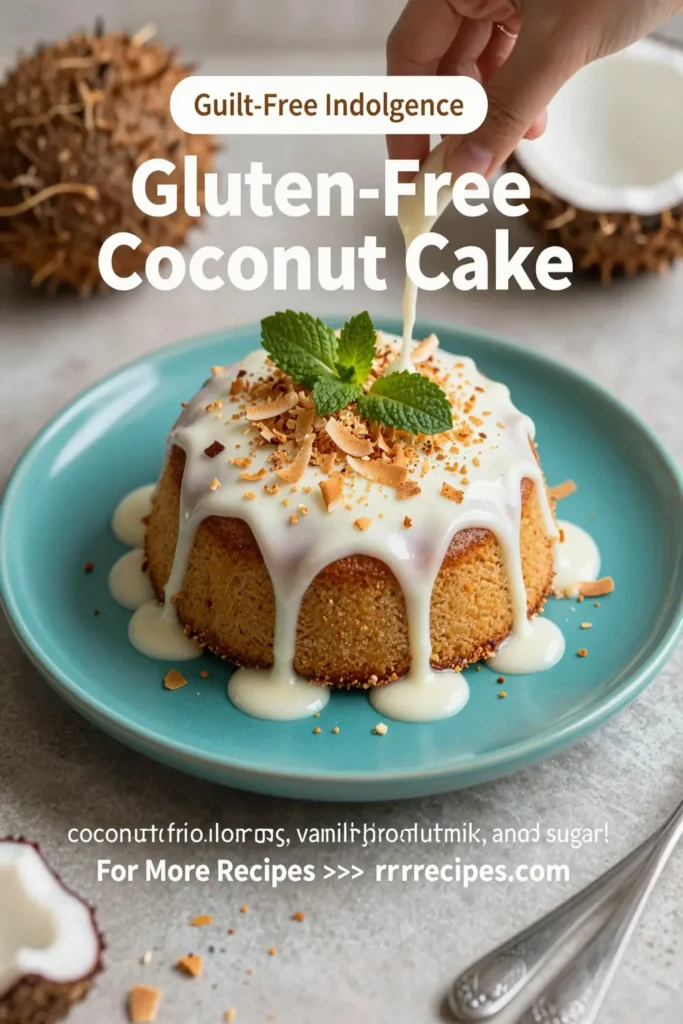
Gluten-free baking can be a delightful experience, especially when it leads to a moist and flavorful cake like a Gluten-Free Coconut Cake. This cake is perfect for celebrations, potlucks, or simply to enjoy at home with a cup of tea. Made with tender coconut and rich almond flour, it promises an indulgent bite that’s suitable for those with gluten sensitivities or anyone looking to explore a new type of dessert.
What Is Gluten-Free Coconut Cake?
Gluten-Free Coconut Cake is a light and fluffy dessert that is both delicious and satisfying. This cake is made using coconut flour and almond flour instead of traditional wheat flour, which makes it a fantastic alternative for those avoiding gluten. The incorporation of shredded coconut gives it a rich, tropical flavor that will transport you to a sunny beach with every bite.
Why You’ll Love This
There are many reasons to adore this Gluten-Free Coconut Cake. Firstly, it’s incredibly simple to make; even novice bakers can achieve a successful outcome. The cake stays moist thanks to the use of coconut milk and shredded coconut, ensuring that each slice is bursting with flavor. Moreover, it’s versatile enough to be enjoyed plain, with frosting, or paired with fresh fruits. This cake is also perfect for satisfying sweet cravings while still being a healthier option, allowing you to indulge without guilt.
Ingredients You’ll Need
- 2 cups almond flour: This serves as the main body of the cake, providing a nutty flavor and lovely texture while being gluten-free.
- 1 cup coconut flour: Adds a tropical twist and enhances the coconut flavor, making the cake incredibly moist and fluffy.
- 1 cup shredded coconut: Gives the cake a chewy texture and bursts of coconut flavor throughout.
- 1 cup coconut milk: Keeps the cake moist and contributes to the rich coconut flavor. Opt for full-fat for extra creaminess.
- 3 large eggs: Essential for binding the ingredients together and providing structure to the cake.
- 1 cup honey or maple syrup: This natural sweetener adds flavor and moisture, making the cake sweet and delicious.
- 1 teaspoon vanilla extract: Enhances the overall flavor profile with a warm, sweet note.
- 1 teaspoon baking powder: Ensures the cake rises nicely, creating a light and airy texture.
- 1/2 teaspoon salt: Balances the sweetness and enhances the flavors of the other ingredients.

How to Make
- Start by preheating your oven to 350°F (175°C). This creates the perfect environment for the cake to rise and bake evenly. Prepare a round cake pan by greasing it with coconut oil or lining it with parchment paper.
- In a large mixing bowl, combine the almond flour, coconut flour, shredded coconut, baking powder, and salt. Make sure to mix these dry ingredients thoroughly to ensure even distribution of the leavening agents.
- In a separate bowl, whisk together the eggs, honey (or maple syrup), coconut milk, and vanilla extract until all the ingredients are well-combined and smooth. This step is crucial for a uniform texture in your cake.
- Gradually pour the wet mixture into the dry ingredients, stirring gently until combined. Be careful not to overmix, as this can affect the texture of the cake. Aim for a batter that is thick yet pourable.
- Pour the batter into the prepared cake pan. Use a spatula to spread the batter evenly, ensuring that the surface is smooth. This will help the cake to rise uniformly during baking.
- Place the cake in the preheated oven and bake for about 30-35 minutes, or until a toothpick inserted into the center comes out clean. The top should be lightly golden and spring back when touched.
Variations & Substitutions
Coconut Buttercream Frosting: For an extra indulgent touch, consider topping your Gluten-Free Coconut Cake with a rich Coconut Buttercream Frosting. Simply beat together softened coconut oil, powdered sugar, a splash of coconut milk, and vanilla extract until light and fluffy. Spread it generously over the cooled cake, and garnish with additional shredded coconut for a stunning presentation.
Chocolate Swirl: If you’re a chocolate lover, consider swirling in some melted dairy-free chocolate with your cake batter before baking. This will add a decadent layer of flavor and surprise each slice with a rich cocoa flavor.
Fruit Add-ins: You can add fresh fruit such as pineapple, blueberries, or even mashed bananas to the batter for a burst of additional flavor and moisture. The fruit pairs beautifully with the coconut and can add natural sweetness.
Dairy-Free Options: For a completely dairy-free version, substitute coconut milk with any plant-based milk like almond milk or oat milk. You can also use coconut oil instead of butter in any frosting recipes.
Common Mistakes to Avoid
One common mistake when making gluten-free cakes is not measuring the flour accurately. Gluten-free flours can vary greatly in density, so it’s essential to spoon the flour into your measuring cup and level it off with a knife for the best results. Additionally, if the batter seems too thick, add a splash more coconut milk to achieve a better consistency before baking.
Another mistake is overmixing the batter, which can lead to a dense cake. Mix just until combined to keep the resulting texture light and fluffy. Finally, ensure your cake is entirely cooled before frosting. A warm cake can cause the frosting to melt and slide off, ruining the presentation.
Storage, Freezing & Reheating Tips
To ensure optimal freshness, store your Gluten-Free Coconut Cake in an airtight container at room temperature for up to 3 days. If you need to keep it longer, consider refrigerating it, which can prolong its shelf life to about a week.
For those who want to prepare in advance, this cake freezes beautifully! Wrap each slice in plastic wrap and aluminum foil, then place it in a freezer-safe container. It can be frozen for up to 3 months. When you’re ready to enjoy, simply thaw it in the refrigerator overnight and allow it to come to room temperature before serving.
If you have leftover cake that needs reheating, preheat your oven to 350°F, wrap the slices in foil, and warm them for about 10-15 minutes. Alternatively, you can microwave a slice for about 15-20 seconds for a quick, warm treat.
Frequently Asked Questions
Can I use regular flour instead of gluten-free flour?
Using regular all-purpose flour will not yield the same result, as this recipe is specifically designed to be gluten-free. If you’re not gluten-sensitive, you can experiment with regular flour, but keep in mind that the ratios will need to be adjusted, and the cake may have a different texture.
How do I know when the cake is done?
The cake is done when a toothpick inserted in the center comes out clean or with a few moist crumbs. Additionally, the edges should begin to pull away from the sides of the pan, and the top should spring back when gently touched.
Can I make this cake vegan?
Yes! You can replace the eggs with flaxseed meal or a commercial egg substitute. For each egg, use 1 tablespoon of flaxseed meal mixed with 3 tablespoons of water. Allow it to sit for about 10 minutes before adding it to your wet ingredients.
What is the best way to frost this cake?
After the cake has completely cooled, consider using a coconut buttercream or a simple whipped coconut cream. To make the frosting, beat together softened coconut oil, powdered sugar, and vanilla until fluffy. It’s best to frost just before serving to avoid the frosting melting into the cake.
Is this cake suitable for special diets?
Yes, this Gluten-Free Coconut Cake can be tailored to multiple dietary restrictions. It is naturally gluten-free and can be made dairy-free and low-carb by using sugar alternatives based on your dietary needs.
Conclusion: With its tropical flavors and soft, moist texture, Gluten-Free Coconut Cake is a delightful treat that anyone can enjoy. Perfect for gatherings or a simple afternoon snack, it brings a taste of the islands right to your kitchen. Whether you’re sharing it with friends and family or keeping it all to yourself, this cake is sure to impress. Happy baking!