Prep time: 15 minutes
Cook time: 25 minutes
Total time: 40 minutes
Servings: 4
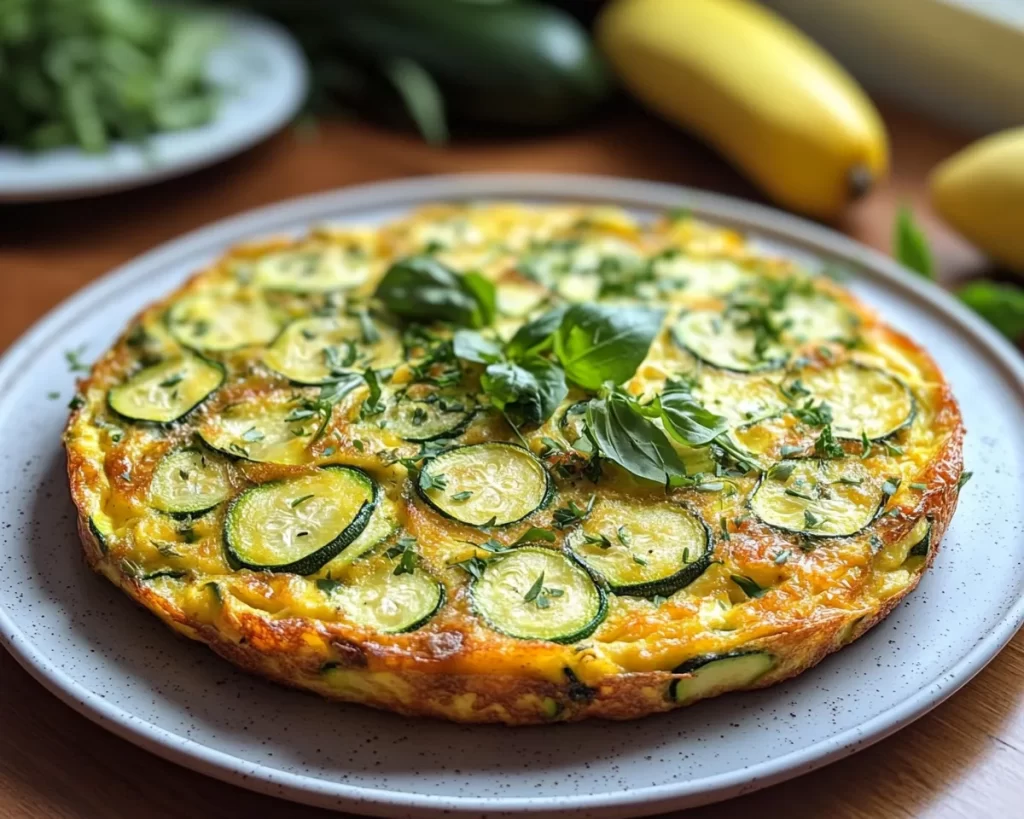
This Frittata Recipe with Zucchini and Herbs is your go-to solution for a flexible and delicious meal that can be served for breakfast, brunch, lunch, or even a light dinner. Imagine a creamy, soft egg base coupled with the subtle earthiness of fresh zucchini and the bright notes of various herbs, coming together to create a dish not only delightful in flavor but visually appealing as well. This dish brings the essence of spring right to your table, where each bite allows you to savor the beauty of the season.
Frittatas are incredibly versatile, and this recipe is particularly special because it allows you to use seasonal vegetables in a quick and straightforward manner. You get an easy meal that can feed a crowd or be prepped for a busy week ahead. You will learn how to make a delightful frittata, discover options for variations, and find practical tips to ensure your dish is cooked to perfection every time.
What Is Frittata Recipe with Zucchini + Herbs (Spring Style)?
The frittata is an Italian egg-based dish that resembles a thick omelet. Originating from the region of Italy, this dish allows the cook the freedom to incorporate a variety of ingredients, such as vegetables, meats, and cheese. In this recipe, we focus on using fresh zucchini and aromatic herbs that not only enhance the dish’s flavor but also elevate its nutritional profile.
The texture of a well-cooked frittata is a harmonious blend of creaminess and slight firmness. It’s light yet filling, making it an excellent choice for those looking to enjoy a meal that won’t leave them feeling heavy. The combination of the tender zucchini and herbs provides a refreshing contrast to the rich eggs, creating an inviting dish that melts in your mouth. Whether enjoyed warm, at room temperature, or chilled, this frittata can be the star of any meal.
In terms of flavor, you’ll find that zucchini adds a subtle sweetness, while the herbs—like basil, parsley, or thyme—introduce a lively aroma that enhances each bite. The frittata serves as a canvas for your culinary creativity, offering you the chance to experiment with different ingredients that suit your taste preferences.
Why You’ll Love This
One of the main reasons you’ll fall in love with this frittata recipe is its incredible **taste**. The freshness of the zucchini, coupled with the herbs, creates a beautiful balance that dances on your palate. Each slice practically sings with springtime flavors, making it impossible not to enjoy a second helping.
The **ease** of making a frittata is another reason to adore this recipe. With just a few straightforward steps, you’ll have a nourishing meal ready to serve. It’s an excellent option for busy parents or anyone who might feel overwhelmed in the kitchen, as it doesn’t require any special cooking skills. The only requirement is a little bit of time and a desire for wholesome food.
Cost-wise, this frittata is also extremely affordable. Seasonal vegetables like zucchini are often low-cost, and you can find the remaining ingredients in most kitchens. This means you can whip up a satisfying meal without breaking the bank—perfect for budget-conscious families.
Additionally, this dish is highly **versatile**. You can include various vegetables based on what you have on hand, recreate themes for different seasons, or modify it to fit specific dietary needs. It works well for various diets, including vegetarian and gluten-free. Whether you’re looking for a light snack or a robust meal, a frittata can be tailored to meet your needs.
However, many home cooks make **misconceptions** about frittatas. One common mistake is thinking that they are just glorified omelets. While they share ingredients, a frittata is cooked differently—slowly over low heat and often finished off in the oven for a beautifully set texture. Embrace the slow cooking method, allowing the eggs to set evenly for a more robust dish.
Ingredients You’ll Need
To prepare this flavorful frittata, gather the following ingredients:
- 6 large eggs
- 1 cup zucchini, diced
- 1/2 cup onion, finely chopped
- 1/2 cup peppers (bell or your choice), diced
- 1/4 cup fresh herbs (basil, parsley, or thyme), chopped
- 1/2 teaspoon salt
- 1/4 teaspoon black pepper
- 1/4 cup cheese (feta or goat cheese) – optional
- 2 tablespoons olive oil
Now let’s delve into the role of each ingredient. The **eggs** serve as the base, providing protein and the structure necessary for a frittata. Using six large eggs ensures a hearty portion. **Zucchini** is a star ingredient here; its mild flavor makes it adaptable and easy to cook in various ways. If you don’t have zucchini, other suitable substitutes include **spinach, kale, or mushrooms**.
**Onions and peppers** add depth to the dish, introducing a sweetness that caramelizes beautifully during cooking. Feel free to replace these veggies with what you have available. For instance, broccoli or asparagus could lend a different yet equally delightful flavor profile.
Fresh **herbs** are essential for that vibrant, refreshing taste. If fresh isn’t available, dried herbs can substitute in a pinch, although you might want to reduce the quantity to maintain balance. Opting for a mild cheese like **feta** or **goat cheese** adds a tangy creaminess that elevates the dish significantly, although it can be omitted for a dairy-free option.
Finally, **olive oil** serves a crucial role by preventing the frittata from sticking to the pan, allowing for easy release and clean slicing.
How to Make
Now that you have all your ingredients, it’s time to cook! Follow these detailed steps to ensure a perfect frittata:
- Preheat your oven: Preheat your oven to 350°F (175°C). This is crucial as it prepares your cooking environment for finishing off your frittata with a perfectly set texture.
- Prepare the vegetables: In a large skillet, heat 2 tablespoons of olive oil over medium heat. Add the chopped onion and sauté for about 3-4 minutes until they are translucent and fragrant. Then, add the diced zucchini and peppers. Cook for another 5 minutes, stirring occasionally, until the vegetables are just tender. You want them to retain some firmness as they will continue cooking in the oven.
- Whisk the eggs: In a separate bowl, whisk together the 6 large eggs, adding in the salt, black pepper, and your choice of fresh herbs. This incorporates air into the eggs, ensuring a fluffy frittata. If you’re adding cheese, mix it in here, reserving a little to sprinkle on top if desired.
- Combine the mixtures: Once the vegetables are tender and slightly caramelized, reduce the heat to low. Pour the egg mixture over the sautéed vegetables. Gently stir to distribute the vegetables evenly through the eggs. Allow this to cook for another 2-3 minutes, just until the edges start to set but the center is still soft.
- Bake the frittata: Transfer the skillet to the preheated oven. Bake for 15-20 minutes, or until the frittata is golden brown and set in the center. You’ll notice it puffs slightly as it bakes, creating a delightful texture. To ensure it’s done, you can give it a gentle shake; it should feel set but still have a slight jiggle.
- Cool and serve: Once done, remove the skillet from the oven and allow the frittata to cool for a few minutes before slicing into wedges. Enjoy warm or at room temperature, garnished with a sprinkle of fresh herbs or a dollop of your favorite condiment.
These steps ensure that even if you are a beginner in the kitchen, you’ll have success with this frittata recipe. A little patience is key, as cooking times will vary depending on your stove and oven. By paying close attention to the texture cues during cooking, you’ll develop a sense of when your frittata is just right.
Variations & Substitutions
Vegetarian Mediterranean Frittata: For those who enjoy Mediterranean flavors, try incorporating ingredients like sun-dried tomatoes, black olives, and artichoke hearts. This not only adds a unique flavor but also a pop of color, making the dish visually stunning. The saltiness from the olives complements the earthiness of the zucchini beautifully, while herbs like oregano or dill can be mixed into the egg mixture for an added burst of flavor.
Low-Carb Zucchini Frittata: If you’re following a low-carb or keto diet, you can still enjoy a frittata. Simply increase the zucchini and reduce the number of starchy vegetables, like peppers or onions. Consider adding mushrooms or spinach for added nutrients without the extra carbs. The key here is to keep the balance of flavors and textures intact while adhering to your dietary preferences.
Protein-Packed Frittata: Boost the protein content by adding cooked bacon, ham, or even smoked salmon. These ingredients not only elevate the nutritional profile but also give the frittata a rich taste experience that pairs well with the freshness of the zucchini and herbs. Ensure these meats are cooked and crumbled before adding them; this will ensure a more even distribution throughout the dish.
Dairy-Free Frittata: You can easily make this recipe dairy-free by omitting any cheese or using plant-based substitutes. Consider adding a dollop of vegan cream or nutritional yeast to provide a cheesy flavor without dairy. Additionally, incorporating a wider variety of vegetables will keep the dish flavorful and satisfying.
Spicy Frittata: For those who enjoy a little heat, add diced jalapeños or crushed red pepper flakes to the egg mixture. This will give your frittata an exciting twist and awaken your taste buds. Pair it with avocado or a dollop of sour cream for a delightful contrast to the spice.
These variations allow room for creativity while cooking, ensuring that your frittata is never boring and can easily be adapted to suit different tastes and dietary needs.
Common Mistakes to Avoid
When making a frittata, there are several common pitfalls that can lead to an unsatisfactory dish. One of the most frequent mistakes is using too high of a heat setting. Cooking on high heat might tempt you to hurry the cooking process, but this can lead to burnt edges while leaving the center undercooked. Instead, **maintain a low heat** to achieve that perfect texture without sacrificing any component.
Another mistake is overcrowding the pan with vegetables. While you may want to fill your frittata with lots of tasty additions, overloading can lead to uneven cooking and watery results. Be modest about the quantity of vegetables used, allowing the egg to maintain its dominant flavor.
Using stale or low-quality eggs can also result in a mediocre frittata. Ensure your eggs are **fresh** and preferably organic, as the quality vastly improves the outcome. High-quality eggs yield a richer taste and better consistency in texture.
Don’t forget to preheat your oven properly before transferring the frittata. An oven that isn’t adequately heated will lead to inconsistent cooking. A well-heated oven allows for even cooking, ensuring a fluffy and well-set frittata without being overcooked or rubbery.
Lastly, not allowing the frittata to cool for a few minutes before slicing can lead to a messy presentation. Patience pays off here: let it set a bit to make clean slices, resulting in a dish that looks as good as it tastes.
Storage, Freezing & Reheating Tips
Proper storage is essential to maintain the freshness of your frittata. Allow it to cool completely before storing it to prevent moisture buildup, which can lead to sogginess. Once cooled, wrap it tightly with plastic wrap or place it in an airtight container. The frittata can be kept in the refrigerator for up to three days.
If you want to enjoy it later, you can store the frittata in the freezer. Wrap individual slices in plastic wrap and place them in a freezer-safe container. Properly frozen, the frittata will last for up to three months. However, be aware that the texture may change slightly after thawing.
When it comes to reheating, the frittata can be warmed up in a few easy ways. If you’re short on time, the microwave is the fastest option. Place the slice on a microwave-safe dish and heat it for about 30 seconds, checking to ensure it’s warm throughout. However, for best results, consider reheating it in the oven. Preheat your oven to 350°F (175°C), place the frittata slice on a baking tray, and cover it with foil. Heat it for about 10-12 minutes until it’s hot.
For those concerned about food safety, always check the frittata for any signs of spoilage before consuming. If it has been left out for more than two hours at room temperature, properly discard any leftovers to prevent foodborne illnesses.
Frequently Asked Questions
Can I make a frittata ahead of time?
Absolutely! In fact, making a frittata ahead of time is one of its many appeals. You can store it in the refrigerator for up to three days. It not only reheats well, but the flavors also tend to improve as they meld.
What types of herbs work best in a frittata?
You can experiment with a variety of herbs based on your preferences. Common choices include basil, parsley, dill, thyme, and chives. Fresh herbs often provide a more vibrant flavor, but dried herbs can work well too; just remember to use less since they are more concentrated in flavor.
How do I know when my frittata is done cooking?
To check if your frittata is done, gently shake the skillet. The frittata should be set in the center but still have a slight jiggle, similar to a cheesecake. If the edges are golden brown and the center seems firm, it’s likely ready to come out of the oven.
Can I add meat to a frittata?
Yes, feel free to add cooked meats such as bacon, ham, or sausage to your frittata. Just make sure they are cooked beforehand as the frittata doesn’t require extensive cooking time. Ensure they’re crumbled or cut into small pieces for even distribution.
Is there a vegetarian version of a frittata?
Certainly! A frittata is naturally vegetarian, especially when you focus on vegetables, herbs, and cheeses. You can easily make a vibrant vegetarian frittata by using a variety of vegetables and fresh herbs while skipping meat entirely.
Conclusion:
This Frittata Recipe with Zucchini and Herbs is a delightful way to enjoy a variety of flavors while accommodating different dietary needs. Its versatility makes it perfect for any meal of the day, from breakfast to dinner, and allows you to get creative with whatever seasonal veggies you have on hand. I encourage you to try this recipe at home, experiment with different ingredients, and share your delicious results with friends and family. Happy cooking!