Prep time: 15 minutes
Cook time: 25 minutes
Total time: 40 minutes
Servings: 4
There’s something undeniably comforting about a fresh, fluffy frittata. It’s versatile, can be made in a jiffy, and holds endless possibilities, especially when flavored with wholesome ingredients like spinach and feta. Picture this: the sun is shining, you’re prepping breakfast on a leisurely Sunday morning, and the kitchen is filled with the aromatic scents of sautéed greens and melted cheese. This frittata recipe isn’t just a meal; it’s a celebration of simplicity and flavor. Whether you’re a busy parent looking for a quick meal solution, a beginner in the kitchen, or someone who appreciates healthy eating, this frittata meets your needs deliciously!
In this article, you’ll discover how to whip up a fluffy frittata that features spinach and feta cheese. You’ll learn tips to achieve the perfect texture, variations to cater to different tastes and dietary restrictions, and essential cooking techniques that will make you feel like a pro. Let’s dive in!
What Is Frittata Recipe with Spinach + Feta (Fluffy + Easy)?
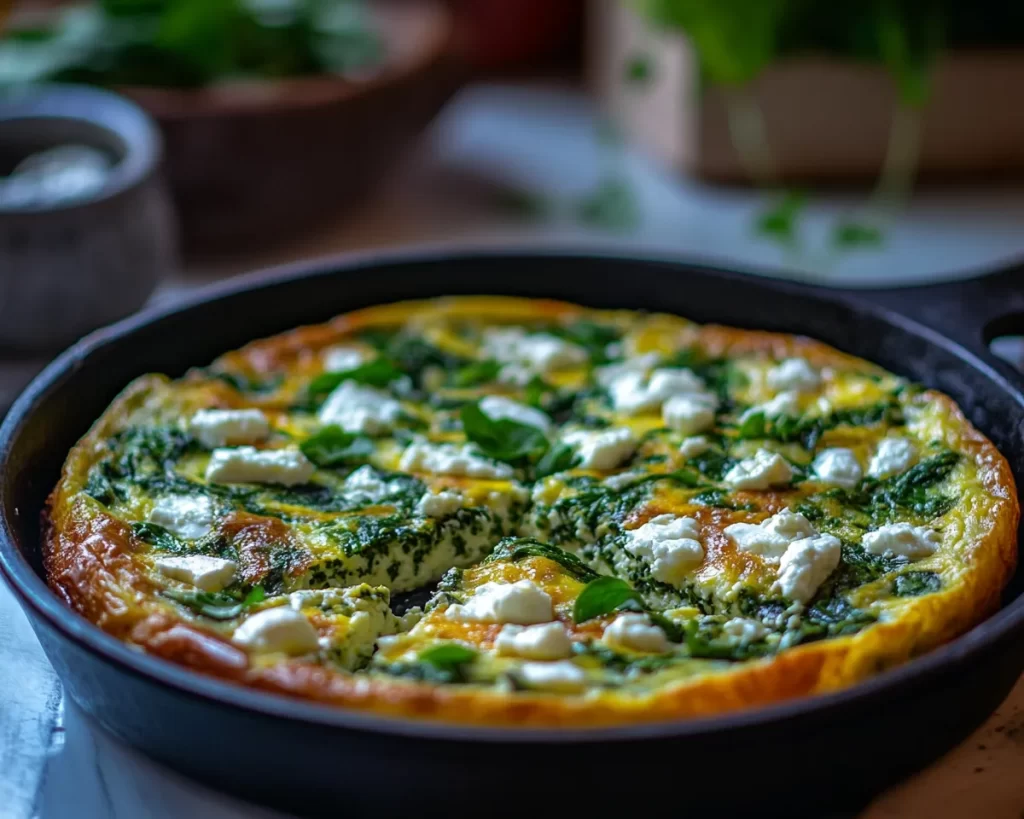
A frittata is an Italian dish, similar to an omelet but much denser and stuffed with a variety of ingredients. The texture is light yet hearty, making it a satisfying choice for any meal of the day, from breakfast to dinner. The base of a frittata consists of beaten eggs, which are then mixed with various fillings. In our frittata recipe, we’re enhancing it with fresh spinach and creamy feta cheese, creating a palate-pleasing balance of flavors and textures.
The arrival of spinach into the mix introduces vibrant green color and a wealth of nutrients; it’s packed with vitamins A and K, essential for your overall health. Meanwhile, the feta adds a sharp, tangy flavor that perfectly complements the earthiness of the spinach. One bite of this frittata, and you’ll experience a wonderful combination of fluffy eggs, slightly salty cheese, and the freshness of greens, all wrapped in a golden-brown crust. No wonder this dish has become a staple in homes across the globe!
Why You’ll Love This
This frittata recipe is a standout for several reasons. First, it’s incredibly quick and easy to prepare, requiring minimal ingredients and only about 40 minutes from start to finish. If you’re looking to create a delicious home-cooked meal without spending hours in the kitchen, this recipe is for you. It’s perfect for busy mornings when you need something nutritious to start your day or for a weekend brunch with friends and family.
Another appealing aspect is the cost-effectiveness of the ingredients. Spinach is often inexpensive, and eggs are a pantry staple. This means you can whip up a healthy meal without breaking the bank. Plus, this frittata is highly versatile—you can customize the ingredients based on what you have on hand or your dietary preferences.
Some people may think frittatas are only good for breakfast, but that’s just a misconception! They make excellent lunches and light dinners too. Just serve them with a refreshing salad or a side of whole-grain toast, and you have a complete meal. This frittata is not just another recipe; it’s an invitation to explore a world of flavors while enjoying the simplicity of cooking.
Ingredients You’ll Need
- 8 large eggs: The base of your frittata. Eggs provide protein, richness, and a fluffy texture. For a healthier option, you can substitute some whole eggs with egg whites.
- 2 cups fresh spinach: A key ingredient that adds color, nutrients, and a delightful earthy flavor. You can use frozen spinach if fresh isn’t available, but be sure to drain it well.
- 1 cup feta cheese: The star cheese that gives the dish its tangy taste. If you prefer a milder cheese, consider using ricotta or goat cheese as substitutes.
- 1 medium onion: Sautéed with spinach, it adds sweetness and depth to the flavor. You can replace it with shallots or leeks for a different taste.
- 2 tablespoons olive oil: For sautéing and adding healthy fats to your dish. You can also use butter or avocado oil for a different flavor profile.
- Salt and pepper: Essential seasonings that elevate the overall flavor. Adjust according to your taste preferences.
This simple yet tasty ingredient list showcases how easy it is to create a delicious meal that is both satisfying and nutritious.
How to Make
- Preheat your oven: Begin by preheating your oven to 350°F (175°C). This ensures that the frittata cooks evenly in the oven and develops that perfect golden top.
- Sauté the vegetables: In an oven-safe skillet, heat the olive oil over medium heat. Add the chopped onion and sauté for about 5 minutes until soft and translucent. Then, add the spinach and stir until wilted, around 2 minutes. Make sure to season with a pinch of salt and pepper to enhance the flavors.
- Prepare the egg mixture: In a large mixing bowl, crack the eggs and whisk them vigorously until well combined. You want the mixture to be slightly frothy, which helps achieve a fluffy texture. Gently fold in crumbled feta cheese and season with additional salt and pepper if needed.
- Combine and cook: Pour the egg mixture over the spinach and onions in the skillet. Gently stir to evenly distribute the spinach and cheese throughout the mixture. Allow it to cook on the stovetop for about 2-3 minutes. This step helps set the bottom layer before transferring it to the oven.
- Bake the frittata: Carefully place the skillet in your preheated oven. Bake for about 20-25 minutes or until the frittata is puffed and golden brown on top. You can check if it’s done by inserting a toothpick in the center; it should come out clean.
- Cool and serve: Once it’s done baking, remove the skillet from the oven and let it cool for a few minutes. This makes it easier to cut into slices. Serve warm or at room temperature, and enjoy your delicious frittata!
This method not only ensures a delightful result but also allows you to enjoy the process of cooking. The sizzling sounds and enticing aroma will make your kitchen feel warm and inviting.
Variations & Substitutions
Veggie Delight Variation: If you’re looking to add more vegetables to your frittata, consider incorporating bell peppers, mushrooms, or zucchini. These veggies bring extra flavor and nutrients and can either be sautéed along with the onions or thrown in raw for added crunch. This variation is ideal for those who want a more colorful dish or wish to add more fiber to their meal.
Herb Infusion Variation: Fresh herbs can elevate the flavor profile of your frittata significantly. Try adding chopped fresh basil, parsley, or dill into the egg mixture. Not only will this enhance the aroma, but it will also introduce a refreshing twist. This variation is particularly great for spring and summer when herbs are at their peak!
Protein-Packed Variation: If you’d like to boost the protein content of your meal, consider adding cooked chicken, turkey, or even chickpeas to the mixture. Cooked bacon or sausage is another possibility that will surely pique the interest of protein lovers. These additions can help satisfy heartier appetites or provide a great post-workout meal.
Vegan Frittata Variation: For a plant-based option, you can substitute the eggs with a mixture of silken tofu, nutritional yeast, and a bit of turmeric for color. Blend until smooth and use this in place of eggs. This vegan alternative is surprisingly satisfying and retains the fluffy texture reminiscent of traditional frittatas.
These variations not only offer flexibility but also encourage creativity in the kitchen. Feel free to mix and match ingredients based on your preferences and what’s in season.
Common Mistakes to Avoid
One common mistake is overcooking the frittata, which can lead to a tough, rubbery texture. To avoid this, keep a close eye on the cooking times and test doneness as mentioned in earlier steps. Remember, the frittata will continue to cook slightly after removing it from the oven.
Another potential issue is not seasoning well. Eggs can be bland if not seasoned properly. Be sure to season both the egg mixture and the vegetable sautéing stage adequately for a well-balanced dish.
Additionally, using a pan that’s not oven-safe can spoil your frittata. Always double-check that your skillet can handle oven temperatures to avoid any mishaps.
Storage, Freezing & Reheating Tips
If you have leftovers, store them in an airtight container in the refrigerator for up to 4 days. It’s best to let the frittata cool completely before sealing it up to avoid condensation, which can make it soggy.
For longer storage, you can freeze the frittata. Cut it into individual portions and wrap each piece in foil before transferring to a freezer-safe bag. It can be kept for up to 2 months. When you’re ready to enjoy it again, thaw it overnight in the fridge and reheat it in the oven at 350°F (175°C) for about 10-15 minutes, or until heated through.
To ensure food safety, always check for any signs of spoilage before consuming. This way, you can savor your delicious frittata without worry!
Frequently Asked Questions
Can I make the frittata in advance?
Absolutely! Frittatas are great for meal prep. You can prepare it a day in advance and store it in the refrigerator. Just reheat slices in the oven or microwave when you’re ready to serve.
What other cheeses can I use in place of feta?
If feta isn’t your favorite, you can substitute it with other cheeses like mozzarella, cheddar, or goat cheese. Each cheese will impart its own unique flavor and texture, so choose based on your preference!
Can I add meat to the frittata?
Yes! Feel free to add cooked bacon, ham, or sausage to the mixture. Just make sure the meat is cooked beforehand, as the frittata won’t cook long enough to properly cook raw meat.
How do I know when my frittata is done?
Your frittata is done when it’s puffed up and has a slight golden color on top. A toothpick inserted in the center should come out clean. Avoid overcooking, as it can become rubbery.
Is it necessary to use a cast iron skillet?
No, while a cast iron skillet is excellent for cooking frittatas, you can use any oven-safe skillet. Just be careful with non-stick pans, as they may not be as heat-resistant.
Conclusion:
This frittata recipe is a beautiful blend of simplicity and versatility. It’s not just about making a dish; it’s about preparing a meal that can cater to different tastes, dietary needs, and occasions. With its fluffy texture and delightful flavors, this frittata will not only satisfy your cravings but also encourage you to explore various variations that can fit your lifestyle. So, roll up your sleeves, try out this recipe, and don’t hesitate to customize it according to your preferences. Your kitchen adventures await, and you’ll be amazed at the delicious outcomes. Happy cooking!