Prep time: 15 minutes
Cook time: 30 minutes
Total time: 45 minutes
Servings: 6
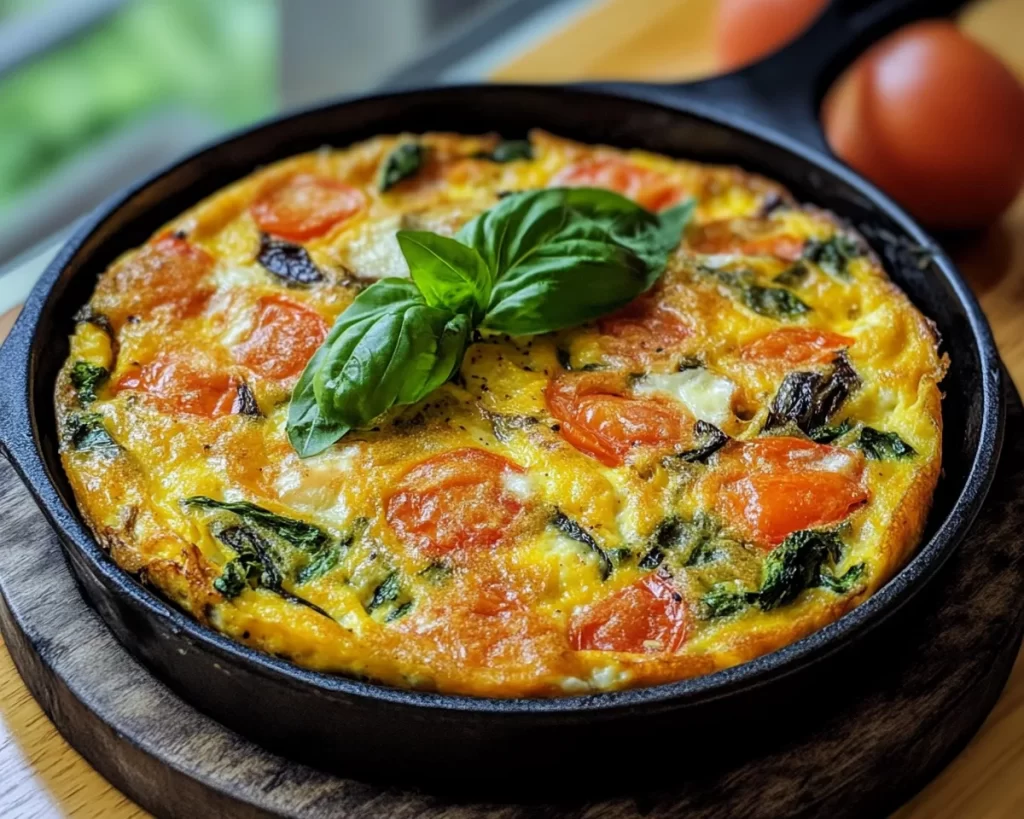
Perfect for busy mornings or a delightful weekend brunch, a Frittata Recipe with Mixed Veggies can be a welcome addition to your kitchen repertoire. It’s not just a dish but a canvas for creativity, allowing you to incorporate whatever fresh veggies you have on hand. This easy-baked frittata bursts with flavor and sustains you, making it a favorite among families and meal preppers alike. Whether you are navigating a hectic schedule, looking to reduce food waste, or simply want to enjoy a nourishing meal, this frittata fulfills those needs beautifully. You will learn how to bring together various ingredients with minimal effort and maximum satisfaction.
What Is Frittata Recipe with Mixed Veggies (Easy Baked)?
The frittata has its origins in Italian cuisine, and it’s often described as a cross between an omelet and a quiche. It is typically made using beaten eggs and a variety of vegetables, cheeses, and sometimes meats, which are cooked together slowly. Unlike an omelet, which is often flipped, a frittata is cooked evenly on the stovetop and finished in the oven, creating a lovely golden-brown top that beckons you.
The texture of a well-made frittata is creamy yet firm, thanks to the eggs, which hold all of the ingredients together. The flavor is rich and can be customized based on your preferences; adding herbs or spices can enhance the overall experience. This frittata offers an incredible balance of taste, from the earthy notes of sautéed vegetables to the bright undertones of fresh herbs.
Whether you’re preparing it for a cozy family breakfast or a light lunch, the Frittata Recipe with Mixed Veggies is an excellent choice. The dish provides a wholesome meal that can be enjoyed hot or cold, making it perfect for meal prepping. After this article, you may find yourself concocting various frittatas tailored to suit your taste and dietary preferences.
Why You’ll Love This
This frittata stands out for numerous reasons. Firstly, it is incredibly versatile. You can use any vegetables you have in your refrigerator, making it a fantastic way to clean out leftover produce. Whether it’s spinach, bell peppers, zucchini, or even broccoli, each brings flavor, color, and nutritional value to your dish. The adaptability of frittatas also allows for a broad range of dietary accommodations; vegetarians, gluten-free, and even those controlling their carb intake can enjoy this dish.
Another reason to love this frittata is its ease of preparation. You can whip it up in under an hour, allowing you to serve a nutritious meal, even on your busiest days. The ingredients are simple and often staples in a well-stocked kitchen. You don’t need special cooking skills; even beginners can successfully create a frittata, making this recipe an excellent entry point for those new to cooking.
Moreover, this dish is budget-friendly. Eggs are generally one of the more economical protein sources, and utilizing vegetables you already have on hand reduces waste and unnecessary spending. This dish can also serve multiple portions, making it a cost-effective meal suitable for families.
Lastly, the health benefits cannot be overlooked. Packed with protein from eggs and fiber from vegetables, this frittata is a wholesome meal that will keep you feeling full and energized. The ability to include nutrient-dense ingredients can provide vitamins and minerals that improve overall health. Making this dish regularly can contribute to a balanced diet while satisfying your taste buds.
Ingredients You’ll Need
- 8 large eggs
- 1 cup mixed vegetables (such as bell peppers, onions, and spinach)
- 1/2 cup milk
- 1 cup shredded cheese (like cheddar or mozzarella)
- 2 tablespoons olive oil
- Salt and pepper to taste
- Fresh herbs (such as parsley or basil) for garnish
Each ingredient plays a critical role in creating a successful frittata. The eggs are the foundational element, providing protein and acting as a binding agent. Milk contributes to a fluffy texture and richness, while the cheese adds a creamy, savory touch that brings all the ingredients together. The vegetables not only contribute to the frittata’s nutritional value but also enhance its visual appeal, showcasing a vibrant arrangement of colors.
If you don’t have certain ingredients, feel free to get creative. For example, if you don’t have milk, you can substitute it with cream for an even richer flavor. Alternatively, use almond milk or coconut milk for a non-dairy version. Cheese can be swapped out for nutritional yeast for a dairy-free alternative or reduced if you’re watching your calorie intake. You can also mix and match various veggies to achieve your desired taste while reducing food waste.
How to Make
1. **Preheat the Oven**: Start by preheating your oven to 375°F (190°C). This ensures that your frittata cooks evenly and develops that desired golden-brown crust.
2. **Prepare the Vegetables**: In a large skillet, heat olive oil over medium heat. Add the chopped mixed vegetables. Season with salt and pepper. Sauté for approximately 5-7 minutes, stirring occasionally, until the vegetables are soft and slightly caramelized, releasing their wonderful aroma. This step elevates the flavors by granting them a lovely roasted quality.
3. **Whisk the Eggs**: In a separate mixing bowl, whisk together the eggs and milk until fully combined. Be sure to incorporate air into the mixture, which will give your frittata a fluffy texture. Add a touch of salt and pepper to taste—don’t be shy, as this will enhance the overall flavor.
4. **Add Cheese**: Once the vegetables are ready, remove them from heat and allow them to cool slightly. Fold in the shredded cheese, mixing well to ensure even distribution. This adds richness and moisture to the finished frittata.
5. **Combine Ingredients**: Pour the egg mixture over the sautéed vegetables in the skillet, ensuring that everything is evenly coated. Use a spatula to gently mix the layer on the bottom for better cooking.
6. **Bake the Frittata**: Transfer the skillet to the preheated oven and bake for 20-25 minutes. Keep an eye on it—when the edges start to pull away from the pan and the top is lightly golden and set, you know it’s done. The aroma will fill your kitchen, enticing everyone around.
7. **Cool and Serve**: Allow the frittata to cool for at least 5 minutes before slicing. This resting period will help it hold its shape better. Serve warm, garnished with fresh herbs for that extra pop of flavor and color.
8. **Enjoy**: Slice into wedges and enjoy your frittata warm or at room temperature. Pair it with a fresh salad for a heartier meal or some crusty bread for added texture.
Remember that cooking is about feelings and connections, so don’t be stressed about the exact steps. If you mess up any part, just adjust accordingly—it’s about enjoying the process and the flavors that unfold.
Variations & Substitutions
Veggie-Packed Frittata
If you want to pack more nutrients into your frittata, consider adding a variety of vegetables like kale, zucchini, or mushrooms. These options not only contribute to health but also add diverse textures and flavors. You can also mix in leftover roasted vegetables from previous meals, reducing food waste. This variation is excellent for meal prep as it allows you to use up odds and ends in your fridge while still producing a delightful dish.
Protein Boost Frittata
For those looking to incorporate more protein, consider adding ingredients such as diced ham, cooked bacon, or crumbled sausage. These options add a savory depth that complements the eggs wonderfully. This variation is ideal for busy parents trying to ensure everyone is getting a balanced meal. Cook the meat in the skillet before adding the vegetables; this allows the flavors to meld beautifully.
Herbed Delights Frittata
For a fresh and aromatic experience, experiment with herbs like basil, dill, or chives. Add these herbs directly to your egg mixture or sprinkle them on top after baking. This variation is excellent for those who enjoy bold flavors and fresh aromas while cooking. The additional herbs can really brighten up your frittata and elevate it from simple to gourmet.
Spicy Southwestern Frittata
Infuse a southwestern flair into your frittata by adding ingredients such as jalapeños, corn, and chopped cilantro. Top it off with a dollop of salsa or guacamole before serving to enhance the flavor profile. The combination of spices and cilantro will liven up your meal, providing a delightful kick that excites the palate. This variation is perfect for those with a zest for life and a love for spicy cuisine.
Add a Twist with Different Cheeses
Consider experimenting with different types of cheese aside from cheddar or mozzarella. For a smoky flavor, try using Gouda or for a tangy twist, go for feta or goat cheese. Each cheese will lend its own unique flavor, allowing you to customize the frittata experience. This option is ideal for cheese lovers who thrive on variety.
Common Mistakes to Avoid
Failing to preheat the oven before baking is one of the most frequent mistakes. If the oven isn’t hot enough, the frittata may not set properly, leading to a dense texture rather than the desired fluffy finish. Additionally, be mindful not to overcrowd the skillet while cooking the vegetables. If too many vegetables are added simultaneously, the moisture can prevent them from caramelizing effectively.
Another common error is underseasoning the eggs or vegetables. A lack of seasoning can make your frittata bland. Always taste as you go and season to your preference. Don’t overlook resting time; letting the frittata cool for a few minutes helps it retain its shape. If you slice it too soon, it may fall apart, giving you a less visually appealing dish. Remember, patience is key!
Storage, Freezing & Reheating Tips
To store any leftover frittata, allow it to cool completely before placing it in an airtight container. It can be refrigerated for up to 3-4 days. If you wish to freeze portions, wrap them tightly in plastic wrap and place them in a freezer-safe container. The frittata can last up to 2-3 months in the freezer, making it an excellent choice for meal prep.
When reheating, be cautious to avoid overcooking. You can warm it up in the oven at a low temperature or microwave slices in short intervals, keeping an eye on it to ensure it doesn’t dry out. A sprinkle of water before microwaving can help retain moisture. This dish is just as delicious when enjoyed cold or at room temperature, making it perfect for quick snacks or lunches.
Always practice safe food handling and storage methods to keep your meals fresh and delicious. When in doubt, the general rule is that if it smells or looks bad, it’s best to toss it.
Frequently Asked Questions
Can I use egg substitutes for this frittata?
Absolutely! You can try using egg substitutes like flaxseed meal mixed with water or commercial egg replacements for a vegan option. While the texture will differ, it can still yield a tasty result. Be sure to review the packaging for specific measurements and cooking instructions to ensure a successful outcome.
Is it possible to use frozen vegetables in this recipe?
Yes, you can use frozen vegetables for added convenience. Just make sure to thaw and drain them thoroughly before adding them to the frittata mixture. This prevents excess moisture that can alter the consistency of your dish. Also, sauté the thawed veggies a bit to enhance their flavor before incorporating them into the egg mixture.
Can I make this frittata the night before?
Definitely! Preparing the frittata in advance is a great way to stay organized during the week. After baking, allow it to cool, store it in an airtight container, and refrigerate. The flavors may even develop more overnight, making it even tastier. Reheat slices in the morning for a quick breakfast.
How do I know when my frittata is done?
Your frittata is ready when the center is set, and the edges begin to pull away from the pan. You can gently shake the skillet to check for any wobble. If the middle jiggles significantly, it needs more time in the oven. Remember that the frittata will continue cooking slightly even after you pull it from the oven because of residual heat.
Can I add meat to the frittata?
Yes, meat can be a delicious addition to your frittata. Cooked bacon, sausage, or ham can be incorporated with the vegetables. Just ensure that the meat is fully cooked per food safety guidelines before adding it to your dish. This elevates the flavor, making your frittata even heartier.
Conclusion:
You’ve now learned how to create a wonderfully delectable Frittata Recipe with Mixed Veggies that’s easy to customize based on your preferences or what you have on hand. With its exquisite flavor profile and nutritious ingredients, it’s a versatile dish that fits perfectly into any meal planning routine or busy lifestyle.
So go ahead, gather your ingredients, and give this frittata a try! The rewards of your effort will fill your tables with joy and satisfied smiles. Encourage your creativity in the kitchen: whether you stick to classic ingredients or venture into bold variations, this frittata can be an unforgettable experience. Share your creation with family and friends to inspire them in their own cooking adventures.