Prep time: 15 minutes
Cook time: 30 minutes
Total time: 45 minutes
Servings: 6
Every time you gather with family or friends for brunch, the atmosphere buzzes with joyful anticipation, the scent of fresh coffee wafts through the air, and the taste of delightful dishes brings smiles to faces. One dish that never fails to create an unforgettable brunch experience is a flavorful frittata. Renowned for its versatility, ease of preparation, and ability to please a crowd, a frittata is a staple in any brunch menu. In this article, you will learn how to create your very own frittata from scratch, highlighting essential tips, ingredients, and variations that suit every palate.
Frittatas are an Italian dish that closely resembles an omelet but comes with a delightful twist. Unlike an omelet, a frittata involves mixing the eggs with various ingredients before cooking, resulting in a firm, denser texture infused with flavors from vegetables, meats, and cheeses. It’s the perfect way to use leftover vegetables or meats, making it a delicious and resourceful choice for busy parents or anyone looking to whip up something nutritious without wasting food.
In this guide, you’ll discover the secrets to achieving the ideal frittata, including how to personalize its taste through various ingredients. You’ll feel empowered not just to follow the recipe but also to customize it according to your preferences and dietary needs.
What Is Frittata Recipe for Brunch (Crowd Favorite)?
A frittata is a classic Italian dish made primarily from beaten eggs mixed with vegetables, cheeses, or meats of your choice. Originating in Italy, this dish has evolved to become a beloved staple in brunch menus across the world. The beauty of a frittata lies in its adaptable nature; you can combine virtually any ingredients you have on hand, allowing for boundless creativity in the kitchen.
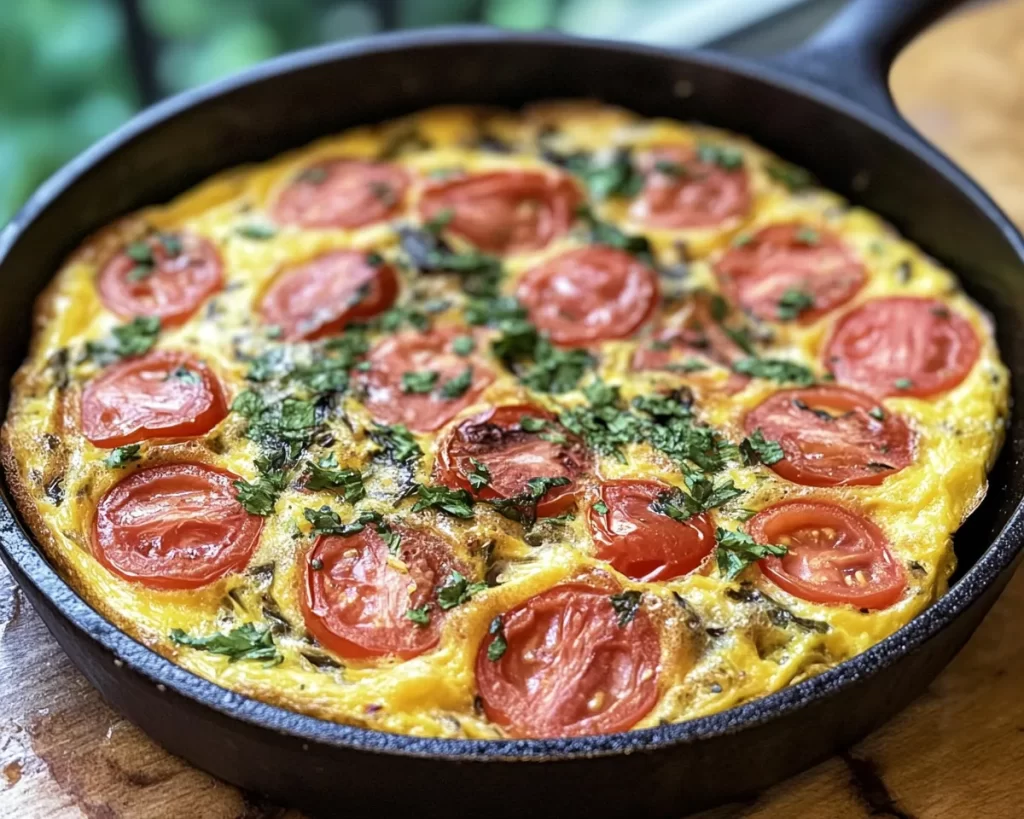
The texture of a well-made frittata is fluffy yet hearty, providing a satisfying bite. As you slice into the frittata, you can appreciate its golden crust and varied colors, indicating the delicious vegetables and meats tucked within. Flavor-wise, it’s rich and savory, often featuring a subtle earthiness from the vegetables, a salty kick from the cheese, and the comforting warmth of seasoned eggs. What sets a frittata apart is its baking process. Rather than being cooked entirely in a pan, it’s started on the stove and finished in the oven, creating that delicious texture and preventing the dish from becoming overly dry.
Eating a homemade frittata can evoke memories of family gatherings, casual brunches with friends, or cozy Sunday mornings spent in your pajamas. It’s a dish that brings people together, and learning to make a basic frittata allows you to explore countless variations that can cater to any crowd.
Why You’ll Love This
When it comes to brunch, one dish stands out among others: the frittata. Not only is it a crowd favorite, but it also presents numerous benefits that make it an appealing choice for any occasion. First off, the taste is simply unmatched; the combination of fresh ingredients melded with seasoned eggs creates a flavor explosion that is hard to resist. You can serve it warm or at room temperature, making it incredibly flexible for any gathering.
Ease of preparation is another fantastic aspect of this dish. Unlike more complicated brunch choices, frittatas require minimal preparation time and involve simple cooking techniques. You can chop your vegetables and whisk your eggs within minutes, allowing you to spend less time in the kitchen and more time enjoying pleasant conversations with your guests. Additionally, frittatas are budget-friendly. You can make them using inexpensive ingredients such as eggs and seasonal vegetables, helping you to cook deliciously without breaking the bank.
Health-conscious eaters can also appreciate this dish. A frittata is packed with protein from the eggs, vital nutrients from assorted vegetables, and healthy fats if you choose to include cheese or meat. It is an ideal option for everyone, from busy parents trying to provide nutritious meals for their families to individuals looking to meal prep for a busy week ahead.
Despite its simplicity, there are common misconceptions that frittatas are boring or bland. In reality, the flavor options are endless with the right combination of ingredients. Think vibrant peppers, sweet onions, and sharp cheeses, or hearty spinach paired with savory sausage. The critical aspect is to avoid overcooking the eggs, which can neglect the potential wonder of the flavors waiting to be unlocked.
Ingredients You’ll Need
- 6 large eggs – The primary ingredient that holds the frittata together.
- 1 cup of spinach (chopped) – Adds nutrition, flavor, and vibrant color.
- 1 bell pepper (diced) – Brings sweetness and crunch; feel free to use different colors like red, yellow, or green.
- ½ cup of onion (finely chopped) – Provides a savory undertone.
- 1 cup of cheese (cheddar or feta) – Enhances the frittata’s creaminess and flavor depth.
- Salt and pepper – Crucial for seasoning; adjust based on your preferences.
- Olive oil – For sautéing the vegetables; it adds a lovely flavor and helps prevent sticking.
- Optional: cooked meats (like bacon, sausage, or ham) – Adds heartiness and extra protein.
Your ingredients play a pivotal role in the outcome of your frittata. The eggs are essential as they form the base, but it’s the vegetables and meats that offer layers of texture and flavor. Don’t hesitate to mix and match according to what’s available in your fridge. If you’re short on spinach, kale works wonders. Have leftover roasted vegetables? Toss those in!
Using different types of cheese can also transform the whole experience. Feta can create a tangy bite, while mozzarella might make for a creamier texture. The options are genuinely endless, encouraging resourcefulness and creativity in the kitchen.
How to Make
1. **Preheat Your Oven**: Start by preheating your oven to 375°F (190°C). This initial step is crucial as it ensures an even cooking process when you transfer your frittata from the stovetop to the oven.
2. **Sauté the Vegetables**: In a large oven-safe skillet, heat about 1 tablespoon of olive oil over medium heat. Add the chopped onion and bell pepper, sautéing them until they are soft and slightly translucent, approximately 5-7 minutes. Stir in the spinach until it wilts, which will take another couple of minutes. It’s essential to be patient during this step to bring out all the natural flavors.
3. **Prepare the Egg Mixture**: In a separate bowl, crack the six large eggs. Whisk them vigorously until they start to get frothy, which incorporates air and lightens the eggs. Season with a pinch of salt and pepper for flavor enhancement. If you choose to add any herbs or spices, like dried oregano or thyme, this is the time to do it.
4. **Combine Ingredients**: Once the vegetables are sautéed, remove the skillet from the heat. Gradually pour the egg mixture over the sautéed veggies, making sure everything is distributed evenly. Then, sprinkle your cheese of choice all over the top.
5. **Cook on the Stove**: Place the skillet back on the stove over medium heat. Allow the frittata to cook for about 5-7 minutes. You’ll begin to notice the edges setting while the center remains slightly runny. This balance is vital, as the remaining cooking will happen in the oven, resulting in a perfectly cooked frittata.
6. **Transfer to the Oven**: Carefully transfer the skillet to your preheated oven. Bake for an additional 15-20 minutes. You can tell the frittata is done when the top appears puffed and slightly golden, and a knife inserted into the center comes out clean.
7. **Cool and Serve**: Once baked to perfection, remove the frittata from the oven and allow it to cool for a minute or two. Then, slice it into wedges like a pie. You can serve it warm, at room temperature, or even cold as leftovers, making it an incredibly accommodating dish for meal prep.
Follow each step thoroughly for the best results. The sautéing process will intensify the flavors, while the combination of stovetop and oven cooking yields a beautifully textured outcome.
Variations & Substitutions
Vegetarian Delight: You can easily adapt the frittata to become vegetarian by omitting any meat and doubling up on the veggies. Consider using mushrooms for an earthy note, alongside zucchinis for added moisture. Aim for colorful veggies like cherry tomatoes and asparagus to make the dish visually appealing. This version is perfect for those looking for lighter fare or those managing a vegetarian lifestyle.
Southwestern Frittata: To take your frittata in a bolder direction, consider the Southwestern variation. This includes ingredients such as black beans, corn, diced jalapeños, and a sprinkle of cumin or chili powder for heat. Top off this creation with crumbly queso fresco or avocado slices upon serving. It’s a delightful take for festive occasions or when you crave something with a kick!
Breakfast Meat Lovers Frittata: If you desire a protein-packed option, make a hearty breakfast meats frittata. Incorporate cooked bacon, crumbled sausage, or diced ham into the egg mixture. You can also add darker greens such as kale or Swiss chard for added nutrition. This variation fills you up and keeps you satisfied throughout the morning and into the afternoon.
Low-Carb/Keto Frittata: To make a low-carb version, focus on using ample vegetables and a moderate amount of cheese while skipping starchy add-ins like potatoes or any bread. Zucchini and steamed broccoli can substitute nicely, creating a scrumptious meal while supporting low-carb dietary needs. You can also incorporate shredded cheese to enhance flavors without the extra carbohydrates.
Herb-Infused Frittata: An herb-infused frittata laced with fresh basil, parsley, or dill can elevate the flavor profile beautifully. To create this, add fresh herbs into the egg mixture before cooking. This brings a fresh brightness to each bite, perfect for spring brunches or outdoor gatherings. Remember to adjust the other ingredients so the fresh herbs shine without competing flavors.
Each variation takes your frittata to a new level, accommodating different tastes and dietary preferences while ensuring that delicious flavor remains at the forefront of every bite.
Common Mistakes to Avoid
Cooking a frittata may seem simple, but several critical mistakes can lead to an underwhelming dish.
Overcrowding the skillet: When adding too many ingredients, such as vegetables or meats, you risk having an unevenly cooked frittata. It’s essential to strike a balance, ensuring that all components can incorporate properly without affecting the cooking process. You may need to adjust based on the size of your skillet.
Neglecting Flavor Development: Skipping the sautéing step can result in a bland frittata. Sautéing vegetables before adding them into the egg mixture allows you to caramelize them gently, enhancing their flavors. Always cook the vegetables until soft and fragrant to maximize taste.
Not Watching Cooking Time: Overcooking is one of the most common mistakes with frittatas. Cooking them longer than necessary can lead to dry or rubbery textures. Monitor the egg’s setting closely, and remove the frittata once it’s just set and no longer glossy but before it solidifies completely.
Using cold eggs: If your eggs are cold when you mix them with the other ingredients, it may hinder the cooking process and prevent even setting. Always ensure your eggs are at room temperature before you whisk them for optimal results; this typically takes about 20 minutes after removing them from the fridge.
Storage, Freezing & Reheating Tips
Storing your frittata properly ensures that it remains fresh and delicious for days. Leftovers can be effective for quick meals, making this dish not only versatile but also practical for busy schedules. If you find yourself with leftover frittata, allow it to cool completely before storing it.
To store, cut any remaining frittata into individual slices and place them in an airtight container lined with parchment paper to absorb excess moisture. This way, the crust stays crispy, and the flavors are preserved. Your frittata can stay in the refrigerator for 3 to 4 days, making it a meal prep winner for the week ahead.
If you’re interested in freezing your frittata, it’s best to do so before cooking. After prepping, allow the egg mixture to cool entirely, then pour it into a freezer-safe container. Alternatively, once your frittata is baked and cooled, wrap sliced portions tightly in plastic wrap, followed by aluminum foil to prevent freezer burn. A frittata can last up to 2-3 months in the freezer for best quality.
When you’re ready to reheat, the best way is either in the oven at low heat until warmed through or carefully in the microwave. If reheating in the microwave, consider covering with a damp paper towel to maintain moisture. On the stovetop, a nonstick skillet can be your best friend for reheating. Just cover the skillet with a lid to allow for even heating, which will take about 5-7 minutes on low heat—whatever method you choose, be patient for the ideal result.
Frequently Asked Questions
Can I make frittatas ahead of time?
Absolutely! Frittatas are incredibly forgiving and can be made ahead of time. Slice and store in the refrigerator for up to four days. Consider making a larger batch on the weekends and reheating as needed for nutritious meals during the busy week ahead.
What’s the difference between a frittata and a quiche?
While both dishes are egg-based and can incorporate similar ingredients, a frittata does not have a crust, making it generally lighter and easier to prepare. A quiche, on the other hand, contains a pastry crust and typically requires a bit more time and effort in its preparation.
Can I use egg substitutes in this recipe?
Yes, if you’re looking for an egg-free version, you can use substitutes for eggs such as mashed bananas, silken tofu, or commercial egg replacers. You’ll want to experiment with quantities to achieve the right texture, but it is very doable.
Is it possible to overcook frittata? Why is it bad?
Yes, overcooking is a common issue that results in a dry, rubbery texture. Ideally, the frittata should be fluffy and tender. Always monitor the cooking times and remove it from the oven when just set for the best results.
Can I serve frittata cold?
Definitely! Frittatas can be enjoyed both hot and cold. They make excellent picnic food, and their flavor holds up well even when served at room temperature, making them an ideal choice for gatherings and potlucks.
Conclusion:
As you venture into the wonderful world of frittatas, you’ll find they are not just meals but a canvas for your creative culinary expression. The beauty of customizing a frittata allows you to experiment with flavors, ingredients, and textures to suit your taste preferences and dietary requirements. Its rich history, delicious flavor, and adaptability make it a favorite at any brunch table or family gathering. Don’t hesitate to try out various ingredients, make it your own, or share it with family and friends. The joy of cooking and the delight of sharing meals are some of life’s greatest pleasures, and frittatas can beautifully encapsulate those experiences. Go ahead, give it a try, and discover the irresistible appeal of this classic dish!