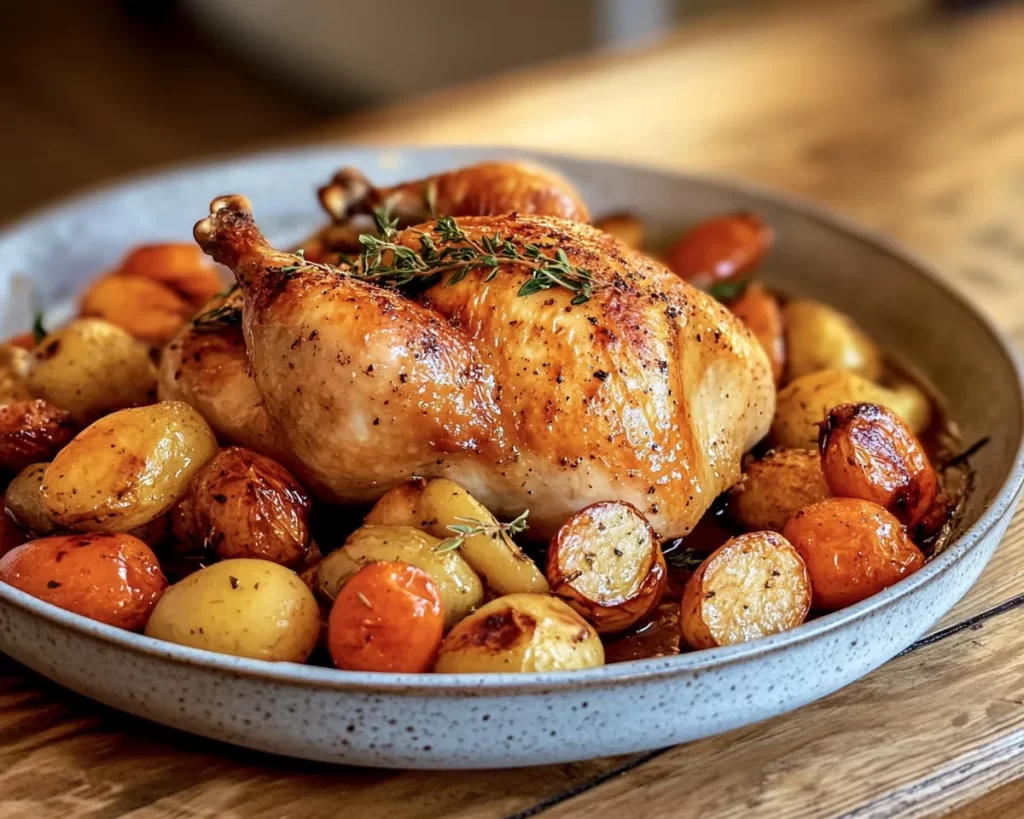
Prep time: 20 minutes
Cook time: 1 hour 30 minutes
Total time: 1 hour 50 minutes
Servings: 6
Nothing brings people together quite like the aroma of a beautifully roasted chicken, especially during the festive season of Easter. A perfectly prepared Easter Roasted Chicken Dinner is more than just a meal; it’s a tradition filled with heartwarming memories and delicious flavors. Imagine gathering around the table with your loved ones, sharing stories and laughter as you enjoy a succulent chicken that falls off the bone, infused with delightful herbs and spices. In this recipe, you will not only learn how to prepare a mouth-watering chicken but also discover tips, variations, and insightful answers to your burning questions about this beloved dish.
The star of your Easter celebration is this Easter Roasted Chicken Dinner, a dish that pays homage to both tradition and flavor. The origins of roasted chicken are deeply rooted in cultures worldwide, but it remains a favorite in many households for its comforting taste and versatility. The golden-brown skin, expertly seasoned with salt, pepper, and an array of herbs, pairs harmoniously with the juicy, tender meat underneath. Each bite bursts with flavor, perfectly complemented by accompanying sides such as seasonal vegetables or creamy mashed potatoes.
Beyond its rich taste, this dish is incredibly practical for a festive gathering. It can be prepped in under 30 minutes and then slowly roasted, allowing you to focus on other dishes or simply enjoy time with family. With hints of rosemary, thyme, and garlic, each bite creates a symphony of flavors that invoke the essence of spring. This recipe guarantees succulent meat and crispy skin, providing a feast that will have everyone coming back for seconds.
What Is Easter Roasted Chicken Dinner?
Easter Roasted Chicken Dinner represents a celebration of flavor, family, and the spirit of togetherness that this special holiday embodies. The dish features a whole chicken, seasoned liberally with a blend of herbs, spices, and sometimes citrus, then roasted to golden perfection. The result is a beautiful, aromatic dinner centerpiece that encourages family and friends to gather around the table.
Originating from traditional cooking methods where whole chickens were often roasted over an open fire or in a clay oven, the modern celebratory chicken roast has evolved while still preserving the core aspect of communal dining. The texture of perfectly roasted chicken is a harmony of crisp skin and juicy meat. When you cut into it, the smell wafts through the kitchen, making hearts race with anticipation. Expertly seasoning the chicken allows for the flavors to meld beautifully while it cooks, ensuring each piece bursts with deliciousness.
Essentially, Easter Roasted Chicken Dinner is a dish that encourages connection, narrative-sharing, and the pure joy of savoring your meal. Whether you’re seasoned in the kitchen or just starting, this dish encapsulates the spirit of the holiday: simplicity combined with elaborate flavors that feels comforting and special.
Why You’ll Love This
Several features make this recipe a standout for any gathering, especially during Easter. First, the **taste** is undeniably magnificent; the chicken turns out juicy and flavorful, with a golden-brown skin that’s both crispy and savory. You will notice the various herbs imparting their essence as they meld into the chicken, producing a dish that you’ll crave even after the holiday season.
Its **ease** of preparation is another key attraction. The method is straightforward: season, roast, and serve. Even if you are a beginner in the kitchen, following this recipe will lead you to success. Moreover, the cooking process allows you to multitask, freeing you up to prepare other side dishes or relax before serving.
Cost-effectiveness is also essential; roasting a whole chicken is relatively affordable compared to other meats. With the right ingredients, this dish can stretch far, feeding a family or a gathering without breaking the bank, while everyone enjoys a gourmet meal.
Finally, this dish’s **versatility** cannot go unnoticed. You can pair it with various sides—think roasted vegetables, salads, or even mashed potatoes—making it easy to adjust based on dietary restrictions or preferences. The possibilities for customizing this dish are endless, ensuring that there’s something for everyone at your table.
Ingredients You’ll Need
- Whole chicken: A farm-fresh whole chicken serves as the main ingredient. Opt for organic if possible for better flavor.
- Olive oil: This helps to create a crispy outer layer. You can also use melted butter for a richer flavor.
- Salt and pepper: Essential for enhancing the chicken’s natural flavors. Don’t skimp on these; a generous seasoning is key.
- Fresh herbs: Rosemary, thyme, and parsley add aromatic elements. Fresh herbs are preferable, but dried ones can also work in a pinch.
- Garlic: Adding whole cloves or minced garlic infuses the chicken with a rich flavor.
- Citrus fruits: Lemons or oranges add brightness and balance the richness of the chicken. Their zest can also be used for added flavor.
- Vegetables: Carrots, potatoes, and onions for roasting alongside the chicken enhance the meal’s heartiness and flavor.
Each ingredient plays a crucial role in the overall flavor profile. For example, the **whole chicken** is filled with protein, which becomes juicy during roasting. The **olive oil** is the conduit that helps achieve that perfect crispy skin while also aiding in the even cooking of the meat. **Salt and pepper** are often overlooked but are critical for bringing out the chicken’s natural flavors. Without proper seasoning, even the finest chicken can taste bland.
Using **fresh herbs** is recommended for their vibrant flavors; they elevate the taste and scent of the dish. However, if fresh herbs are out of season or unavailable, **dried herbs** can serve as a convenient substitute. The addition of **garlic** provides a robust taste that pairs well with chicken. Meanwhile, the **citrus fruits** balance the dish, cutting through the richness and enhancing its overall flavor profile.
Lastly, adding **vegetables** like carrots and potatoes not only creates a one-pan meal but also adds texture and flavor that complement the juicy chicken beautifully.
How to Make
Follow these step-by-step instructions to create your very own Easter Roasted Chicken Dinner.
- Preheat your oven: Before starting, preheat your oven to 375°F (190°C). This ensures even cooking and helps achieve that crispy skin you desire.
- Prepare the chicken: Take the whole chicken out of the fridge at least 30 minutes before cooking to allow it to reach room temperature. This helps prevent it from being tough.
- Season the cavity: Generously season the inside of the chicken with salt and pepper. You can also add minced garlic and a cut lemon into the cavity, which will enhance the chicken’s flavor during roasting.
- Massage with olive oil: Rub the chicken all over with olive oil, ensuring an even coat. This will keep the chicken moist and help the skin crisp up nicely.
- Season the exterior: Sprinkle salt, pepper, and your herbs of choice over the chicken. Don’t be afraid to get under the skin a little to allow the seasonings to infuse throughout the meat.
- Arrange in a roasting pan: Place the chicken breast-side up in a roasting pan. This position allows the juices to flow downwards into the breast, keeping it juicy.
- Add vegetables: Scatter the prepared vegetables around the chicken. Toss them with a little olive oil and season with salt and pepper for extra flavor.
- Roast in the oven: Insert the roasting pan into the preheated oven and roast for about 1 hour and 30 minutes. Baste the chicken with its juices halfway through for added moisture and flavor.
- Check doneness: Use a meat thermometer to check the chicken’s internal temperature; it should reach at least 165°F (75°C) in the thickest part. If the skin darkens too quickly, tent it with foil.
- Rest before serving: Once fully cooked, take the chicken out of the oven and let it rest for about 15-20 minutes before carving. This allows the juices to redistribute, resulting in juicy meat.
Each step should be executed with care, ensuring that you enjoy the process as much as the end result. From preheating the oven to allowing the chicken to rest, every moment contributes to the overall delight of the meal.
Feel free to experiment with different spices and herbs! The beauty of roasted chicken lies in its adaptability. Don’t hesitate to make it your own; you’ll find joy in the preparation.
Variations & Substitutions
Herb-Butter Roasted Chicken: Instead of just olive oil, make a herb butter by mixing softened butter with minced garlic, chopped fresh herbs, and lemon zest. Rub this underneath the skin of the chicken for a rich flavor and moist meat. This variation not only adds creamy notes to the chicken but also ensures that the skin remains extra crispy and packed with flavor. This method is perfect for those wanting a more indulgent meal.
Citrus-Infused Chicken: Emphasize the citrus flavors by marinating the chicken for a few hours in a mixture of orange juice, lemon juice, and herbs. This tangy marinade will infuse the chicken with a zesty flavor profile. The bright notes from the citruses cut through the richness of the chicken, making it ideal for those who prefer a lighter taste. Additionally, you can add orange slices around the chicken during roasting for extra flavor.
Spicy Roasted Chicken: For those who enjoy a bit of heat, consider adding smoked paprika, cayenne pepper, or your favorite hot sauce to your chicken seasoning. This will give your chicken a delightful kick and awaken your taste buds. Pair this with cooling sides like creamy coleslaw or yogurt-based sauces to balance the heat.
Vegetarian Option: For a vegetarian twist, consider roasting a large butternut squash filled with a quinoa and vegetable mix seasoned with similar herbs. This replacement provides a hearty and flavorful center for your table without sacrificing the spirit of an Easter gathering. Plus, it allows for inclusivity among your guests, catering to different dietary needs without compromising on taste.
Common Mistakes to Avoid
Cooking a whole chicken can sometimes lead to mishaps, but skipping common blunders can ensure a perfect outcome. One common mistake is not allowing the chicken to come to room temperature before cooking. If you skip this step, the chicken may cook unevenly, resulting in dry meat, especially on the outer portions.
Another issue arises from insufficient seasoning; a dry rub with a sprinkle of salt won’t cut it. Chicken, particularly a whole bird, needs to be generously seasoned both inside and out to maximize flavor. Don’t hesitate to play around with spices and herbs, ensuring every space is covered.
Overcooking the chicken is a critical error to be cautious of. Always use a meat thermometer to gauge doneness rather than relying solely on cooking time. If the temperature exceeds 165°F, the chicken will dry out, losing that juicy texture we desire.
Finally, forgetting to let the chicken rest before carving can lead to a loss of juices, resulting in dry meat. Patience pays off; a resting period of at least 15-20 minutes allows the juices to redistribute, keeping the chicken moist and flavorful.
Storage, Freezing & Reheating Tips
After enjoying your Easter Roasted Chicken Dinner, it’s essential to store leftovers properly. Allow the chicken to cool completely before storing it in an airtight container in the refrigerator for up to four days. This ensures the meat stays fresh and prevents bacterial growth.
If you plan to keep it longer, freezing is a viable option. Properly wrap the cooked chicken in heavy-duty aluminum foil or plastic wrap and place it in a freezer-safe bag or container, which can keep it safe for 2-6 months. For best results, divide the chicken into portions so you can thaw only what you need later on.
When reheating, it’s best to do so in the oven rather than the microwave to maintain the crispy skin. Preheat your oven to 350°F (175°C), and place the chicken in a baking dish, covering it with foil. This method helps retain moisture while reheating. Heat until the internal temperature reaches 165°F again for safe consumption.
Also, consider that chicken dries out quickly during reheating, so add a bit of broth to the dish while warming it up to keep it juicy.
Frequently Asked Questions
Can I use a frozen chicken to make this recipe? Yes, you can use a frozen chicken, but you should never cook it from frozen in the oven. Instead, allow it to thaw in the refrigerator for at least 24 hours before preparing it. This allows for even cooking and prevents any food safety issues.
What sides pair well with roasted chicken? Roasted chicken is incredibly versatile and pairs nicely with various sides, including mashed potatoes, roasted vegetables, or a fresh green salad. You can also serve it with classic Easter staples like baked ham or scalloped potatoes for a truly celebratory dinner.
How do I know when my chicken is perfectly cooked? The best way to ensure your chicken is done is to use a meat thermometer. When the internal temperature of the chicken reaches 165°F, it’s safe to consume. You can check the thickest part of the thigh without touching the bone for the most accurate reading.
Can I make this recipe with chicken parts instead of a whole chicken? Absolutely! If you prefer, you can use chicken parts like thighs, breasts, or wings. Adjust your cooking times based on the cut, as smaller pieces will cook faster than a whole chicken. Always verify doneness using a meat thermometer as well.
How can I enhance the flavor of the chicken? To amplify flavor, use a marinade before you roast the chicken or rub it under the skin with a compound butter that includes your favorite herbs and spices. Adding citrus or garlic to the cavity can also enhance the overall aroma and flavor as it cooks.
Conclusion:
Easter Roasted Chicken Dinner is not just a meal; it’s an experience that celebrates flavors, family, and togetherness. With its simplicity and delightful taste, this recipe promises to elevate your holiday dining experience. So why not take a chance? Try your hand at this succulent chicken, indulge in the flavors, and let it inspire your cooking for years to come. Customize it to your heart’s delight, and most importantly, share the love with those around you! Happy cooking!