Prep time: 10 minutes
Cook time: 20 minutes
Total time: 30 minutes
Servings: 4
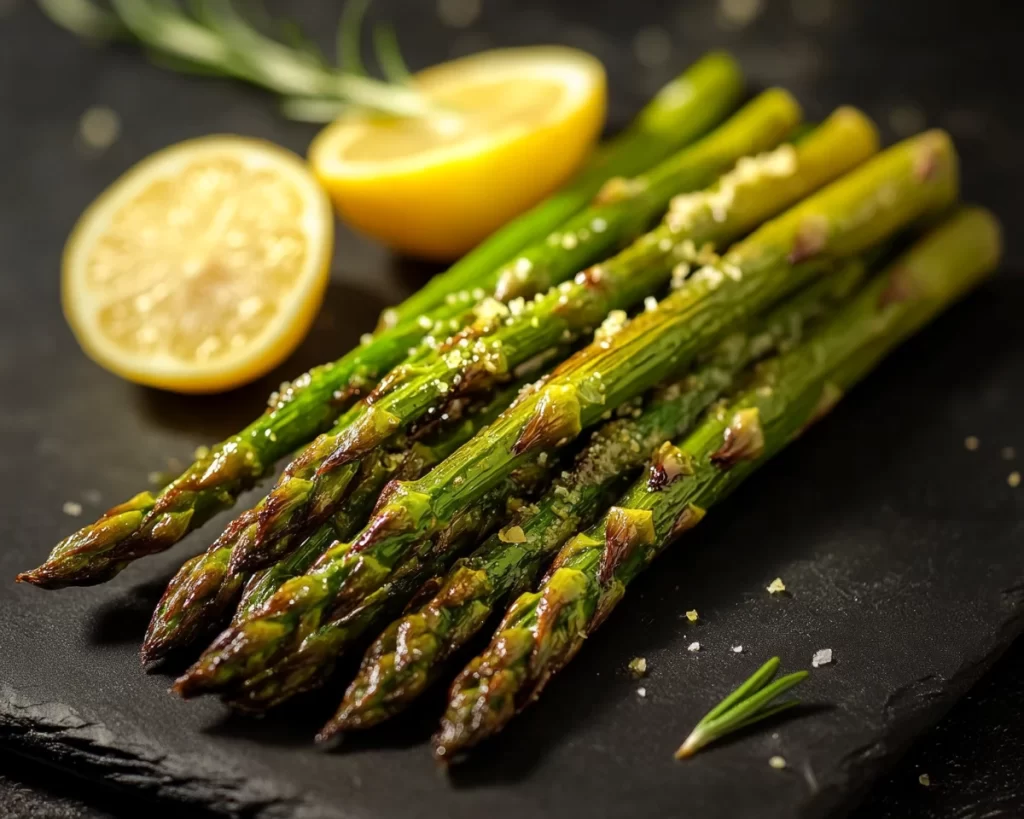
When the air turns crisp and the days grow longer, there’s an undeniable sense of anticipation for spring gatherings, family celebrations, and of course, Easter. One dish that never fails to capture the essence of the season is **Easter Roasted Asparagus with Lemon**. This dish takes the vibrant green of asparagus and pairs it with the zesty brightness of lemon, creating a delightful addition to any holiday table. The aroma of roasting asparagus combined with the fresh scent of lemon is just simply irresistible. It’s a dish that not only pleases the palate but also adds a pop of color to your table setting.
In this article, you will learn how to prepare this simple yet impressive side dish, which is not only easy to make but also adaptable to suit various dietary preferences. From understanding the key ingredients to exploring variations, tips, and all the cooking nuances in between, you’ll feel empowered to elevate your Easter meal with this remarkable recipe.
What Is Easter Roasted Asparagus with Lemon?
Easter Roasted Asparagus with Lemon is a delightful vegetable dish celebrating fresh asparagus, synonymous with spring. The dish is characterized by its tender, crisp texture and bright flavor. Asparagus has a unique earthiness that, when roasted, takes on a savory, caramelized sweetness that beautifully contrasts with the **tartness of lemon juice** and the fragrant zest. This dish captures the essence of springtime, making it an annual favorite for many festive gatherings.
The origins of roasting vegetables can be traced back through various cuisines, focusing on the natural flavors of seasonal produce. Asparagus, with its long history dating back to ancient times, has been enjoyed by various cultures for its unique taste and health benefits. Combining it with lemon enhances its natural characteristics, creating a dish that not only pleases the eye but nourishes the body.
This dish is incredibly versatile; you can serve it warm as a side dish or allow it to cool and enjoy it as part of a hearty spring salad. Ultimately, it’s a dish that evolves with the seasons while remaining a timeless classic enjoyed by families for generations.
Why You’ll Love This
You will absolutely love this Easter Roasted Asparagus with Lemon for several compelling reasons. Firstly, the flavor profile is just phenomenal. The **bright, zesty lemon** acts as a perfect complement to the earthiness of the roasted asparagus, creating a dish that is both refreshing and comforting. Moreover, it’s incredibly easy to prepare, requiring minimal effort while delivering maximum visual and taste appeal. For busy parents and novice cooks alike, this recipe serves as a fantastic way to wow your family or guests without spending hours in the kitchen.
Additionally, asparagus is a nutrient-packed vegetable, rich in vitamins A, C, E, and K, as well as antioxidants and fiber. Incorporating this dish into your spring meals not only addresses health-conscious choices but also demonstrates a commitment to enjoying seasonal, fresh ingredients. It’s low-cost and can be adjusted to accommodate various diets; whether you’re vegetarian, vegan, or looking to keep things gluten-free, this recipe works like a charm.
Common misconceptions may lead one to believe that roasting vegetables can be tricky or time-consuming, but this is far from the truth. In actuality, with just a few simple techniques, you can easily achieve perfectly roasted asparagus every time. By avoiding common mistakes, you can make this dish a staple on your Easter table and beyond.
Ingredients You’ll Need
- Asparagus: The star ingredient, offering a unique flavor and health benefits. Look for fresh, vibrant green stalks; thinner ones will be more tender. If needed, you can use frozen asparagus when fresh isn’t available.
- Olive Oil: Enhances the roasting process and adds flavor. Extra virgin olive oil is preferred for its rich taste, but any light oil can work.
- Lemon Juice: Provides the bright acidity and fragrance that complements the asparagus. Freshly squeezed is best, but bottled can serve in a pinch.
- Lemon Zest: Adds an extra punch of citrus flavor. The zest from a fresh lemon elevates this dish significantly and should not be skipped.
- Salt: Enhances the flavors. Kosher salt is often recommended for roasting vegetables.
- Pepper: Freshly cracked black pepper adds seasoning, tying all flavors together.
- Parmesan Cheese (optional): Adds a savory, nutty flavor when sprinkled on top before serving, making this dish more decadent.
Each ingredient plays a significant role in the final outcome of your dish. Be sure to select the freshest asparagus and squeeze your lemons just before use to unlock their full potential.
How to Make
1. **Preheat your oven** to 400°F (200°C). This high temperature helps to create beautifully caramelized asparagus. Ensuring the oven is fully preheated before placing the asparagus inside will yield the best texture.
2. **Prepare the asparagus**. Rinse the asparagus under cold water to remove any grit and pat it dry with a clean kitchen towel. Trim off the woody ends, which can be tough and chewy by snapping them off where they naturally break or using a knife to cut about 1-2 inches from the bottom.
3. **Arrange on a baking sheet**. Spread the asparagus in a single layer on a baking sheet to allow proper roasting. This arrangement ensures that each stalk is meshed with the hot air of the oven, resulting in even cooking. Avoid overcrowding, as this can lead to steaming rather than roasting.
4. **Drizzle with olive oil**. Pour approximately two tablespoons of olive oil evenly over the asparagus. Toss gently with your hands to ensure that all stalks are coated. **Your fingers can gauge the right amount; you want enough to promote roasting, but not so much that they’re swimming in oil**.
5. **Season with lemon juice, zest, salt, and pepper**. Squeeze the juice of one lemon over the asparagus and sprinkle with lemon zest, salt, and freshly cracked black pepper to taste. Toss again to ensure even seasoning, making sure every piece is flavor-packed.
6. **Roast in the oven** for about 15 to 20 minutes. You’ll want to check the asparagus around the 15-minute mark; they should be tender enough to pierce with a fork while still holding their vibrant green color. For added visual appeal, you may wish to give them a shake halfway through roasting to ensure even cooking.
7. **Serve immediately**. Once roasted, you can optionally sprinkle grated Parmesan cheese over the tops for a rich flavor boost before serving. Allow them to cool slightly and serve warm.
Variations & Substitutions
Garlic Roasted Asparagus: If you’re a garlic lover, consider adding minced garlic along with the olive oil. This addition brings a whole new layer of flavor, enhancing the dish’s aromatic profile. Garlic can be added directly to the asparagus before roasting, but be mindful not to burn it, as burnt garlic can become bitter. This version pairs wonderfully with pasta dishes and grilled meats.
Spice It Up: If you enjoy heat, adding a sprinkle of red pepper flakes before roasting will give your asparagus a spicy kick. This makes for a fantastic accompaniment to a variety of dishes, especially those with a southern or Cajun flair. Those who appreciate bold flavors will find this variation particularly appealing.
Lemon-Herb Variation: If you want to elevate the flavor further, consider sprinkling fresh herbs like thyme, rosemary, or dill before roasting. Integrating these fresh herbs adds complexity and sophistication to the dish. It’s ideal for a spring brunch or a festive Easter meal.
Maple Roasted Asparagus: For a sweet twist, drizzle a tablespoon or two of maple syrup over the asparagus before roasting. The natural sugars in maple syrup caramelize beautifully, giving the asparagus a unique taste that pairs perfectly with savory meals. This variation works well with glazes on meats, such as ham, for an Easter feast.
Common Mistakes to Avoid
One common mistake is **overcooking the asparagus**. Over-roasted asparagus can become mushy and lose its vibrant green color. Watch your time closely; it should be cooked until tender, yet still maintain a bit of crunch.
Another mistake is not using enough **seasoning**. While asparagus has a great flavor on its own, it needs a good pinch of salt and pepper to truly shine. Skimping on seasoning may leave your dish tasting flat, so always err on the side of generosity.
Make sure to avoid **crowding the pan**. If you fit too many asparagus spears on your baking sheet, they won’t roast properly and can steam instead. Ensure a single layer for optimal results.
Sticky asparagus that isn’t crisp can be an issue caused by **too much oil or overcrowding**. Make sure to use just enough olive oil while still allowing the asparagus contact with the baking sheet for proper caramelization.
Storage, Freezing & Reheating Tips
When it comes to storing leftovers, allow the asparagus to cool fully before transferring it to an airtight container. Stored properly, roasted asparagus can last in the refrigerator for up to 3-4 days. Reheating is simple; just a quick toss in a hot skillet or a few minutes in the microwave should suffice, although they may lose some of their original crunch.
Freezing roasted asparagus is possible, but be aware that they might lose some texture upon defrosting. To freeze, spread the asparagus in a single layer on a baking sheet and freeze until solid before transferring to a freezer-safe bag. When ready to use, you can add them directly from frozen to stir-fries or soups rather than reheating.
Always ensure safe handling practices to maintain the freshness and flavor of your roasted asparagus.
Frequently Asked Questions
Can I use frozen asparagus for this recipe? Absolutely! While fresh asparagus is ideal, frozen asparagus can also work in this recipe. Just be sure to thaw them completely and pat them dry before seasoning and roasting for the best results.
What can I serve with roasted asparagus? Roasted asparagus pairs well with a multitude of main dishes. Consider serving it alongside grilled meats, fish, or even as part of a vegetarian meal with grains like quinoa or brown rice. It also complements brunch items like quiches and frittatas beautifully.
Can I make this dish ahead of time? Yes, but it’s best to roast asparagus just before serving. If preparing ahead, cook them but store them in an airtight container and reheat in the oven or a hot skillet to regain crispness. This way, they will still have a fresh, flavorful appeal for guests.
Is there a way to make roasted asparagus more flavorful? Incorporating additional flavor profiles can elevate this dish. Consider adding balsamic vinegar or mustard to the olive oil before roasting, or mix varieties of herbs. Creativity can take this recipe to the next level!
What’s the best way to ensure crisp asparagus? Using the right roasting temperature and ensuring they are arranged in a single layer on the baking sheet are key factors. Avoid overcrowding and keep an eye on the time as they roast to avoid overcooking, which results in sogginess.
Conclusion:
This Easter Roasted Asparagus with Lemon is not just a recipe; it’s an exceptional way to celebrate the vibrant flavors of spring while keeping things simple in the kitchen. As you explore different variations, whether it’s adding spices, garlic, or a hint of sweetness, each option opens doors to unique culinary experiences.
Encouraging you to tailor this dish to meet your taste preferences, this asparagus recipe is a reminder that cooking should be creative, fun, and above all, delicious. It’s a fantastic side that can make any meal extraordinary, and I invite you to try it for your next family gathering or special occasion. Don’t forget to share your experiences and any personal twists you add!