Prep time: 25 minutes
Cook time: 45 minutes
Total time: 1 hour 10 minutes
Servings: 8
When you think of springtime gatherings, few desserts can evoke the spirit of the season quite like an **Easter Lemon Tart**. With its vibrant citrus flavor and delicate texture, this dessert is the perfect way to celebrate the holiday and welcome warmer weather. Whether you’re hosting a family dinner or simply looking to elevate your dessert game, this tart offers a refreshing twist that appeals to both kids and adults. You will find that preparing it is simpler than you might think, and I’m here to take you through each delightful step.
In this article, you’ll discover the essence of an **Easter Lemon Tart**, why it deserves a special place in your kitchen, and how to prepare it flawlessly. We’ll dive into the ingredients you’ll need, step-by-step instructions, variations for customization, and some tips to ensure your tart turns out perfectly every time. Are you ready to embark on this citrusy adventure?
What Is Easter Lemon Tart?
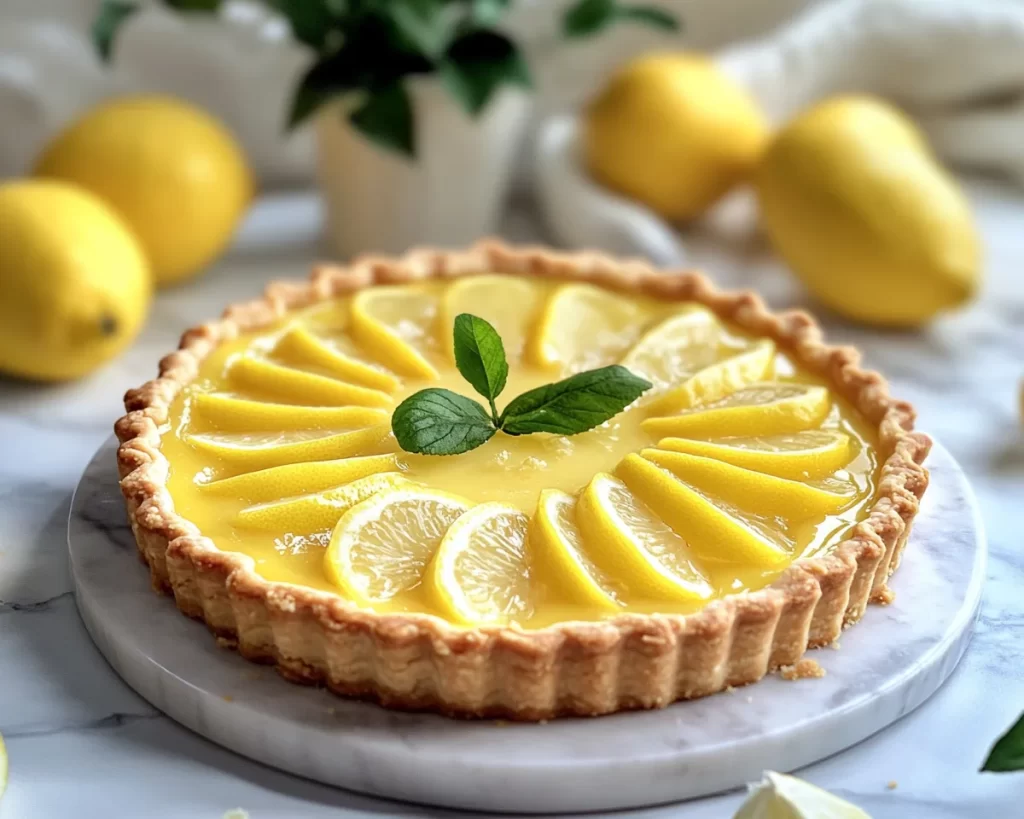
The **Easter Lemon Tart** is a delightful dessert originating from traditional French cuisine. This tart typically features a buttery **crust** filled with a creamy, tangy **lemon curd** that balances sweetness and acidity perfectly. Its golden hue and bright flavor profile make it a vibrant centerpiece for spring celebrations. As the tart bakes in the oven, it develops a delicate, velvety texture that melts in your mouth with each bite.
While lemons are the star of this dish, the crust plays an indispensable role in completing the experience. A well-made crust not only provides structure but also a hint of *richness* that complements the bright filling. The combination of textures—from the crisp crust to the smooth filling—creates an engaging experience for your taste buds. Once you’ve tasted a slice, you’ll understand why this tart has become a favorite for Easter and beyond!
Why You’ll Love This
There are countless reasons to love an **Easter Lemon Tart**. From its irresistibly refreshing flavor to its elegant appearance, this dessert truly impresses. One of the greatest advantages is the simplicity of the ingredients—many of which you might already have in your kitchen. The result is a dessert that looks *sophisticated* yet is relatively easy to prepare.
Not to mention, it’s a versatile dessert that can cater to various diets and preferences. If you’re searching for a dessert that’s not overly sweet, the tart’s *zesty lemon filling* offers a balance that is incredibly satisfying. Furthermore, this dessert can be made in advance, making it a perfect fit for busy parents or hosts preparing for gatherings. With a little foresight and preparation, you can have this stunning dessert ready to impress your guests and family.
Ingredients You’ll Need
To make your **Easter Lemon Tart**, gather the following ingredients:
- 1 ½ cups all-purpose flour – This is the base for your tart crust, providing the necessary structure. If you prefer gluten-free, you can substitute with a 1:1 gluten-free flour blend.
- ½ cup unsalted butter – Adds richness and flavor to the crust. Make sure the butter is cold for the best texture.
- ¼ cup powdered sugar – This sweetens the crust and gives it a tender crumb.
- 1 large egg yolk – Helps bind the crust together and enhances its richness.
- 2 large eggs – Essential for the filling, creating a creamy texture.
- 1 cup granulated sugar – Provides sweetness to balance the tartness of the lemons.
- ⅔ cup freshly squeezed lemon juice – The key ingredient that gives the filling its tangy flavor. You must use fresh lemons for the best taste.
- 1 tablespoon lemon zest – Enhances the lemon flavor and adds aroma to the filling.
- ¼ teaspoon salt – Balances the flavors, ensuring the sweetness and acidity work together.
- 1 tablespoon cornstarch – Helps thicken the filling for a smooth and stable texture.
These ingredients combine to create a dessert that’s not only flavorful but also visually appealing. As you work through the recipe, you’ll find joy in selecting the freshest lemons, ensuring that every slice bursts with authentic flavor.
How to Make
Here’s a step-by-step guide to making your **Easter Lemon Tart**. Follow these instructions closely, and your tart will impress everyone at the table!
- Prepare the crust: In a large mixing bowl, combine 1 ½ cups of all-purpose flour and ¼ cup of powdered sugar. Cut in ½ cup of cold unsalted butter using a pastry cutter or your fingers until the mixture resembles coarse crumbs. Add in 1 egg yolk and mix until it forms a dough. If the mixture feels too dry, add a teaspoon of cold water at a time until it comes together.
- Chill the dough: Flatten the dough into a disk, wrap it in plastic wrap, and refrigerate for at least 30 minutes. Chilling helps the butter solidify, leading to a flakier crust.
- Preheat your oven: Preheat the oven to 350°F (175°C). This ensures that your crust bakes evenly once it’s placed in the oven.
- Blind bake the crust: Roll out the chilled dough on a lightly floured surface to fit a 9-inch tart pan. Transfer the dough to the pan and prick the bottom with a fork to prevent puffing. Line the crust with parchment paper and fill with pie weights or dried beans. Bake for 15 minutes, then remove the weights and parchment, and bake for an additional 10 minutes or until light golden. Allow to cool slightly.
- Make the filling: In a mixing bowl, whisk together 2 large eggs and 1 cup of granulated sugar until combined. Add ⅔ cup of freshly squeezed lemon juice, 1 tablespoon of lemon zest, ¼ teaspoon of salt, and 1 tablespoon of cornstarch. Whisk until smooth and well blended.
- Combine and bake: Pour the lemon filling into the pre-baked crust. Bake for about 20-25 minutes, until the filling sets but still has a slight jiggle in the center. Keep an eye on it to avoid overbaking.
- Cool and serve: Once baked, remove the tart from the oven and allow it to cool at room temperature. For the best flavor, refrigerate for at least 2 hours before serving. This chilling time enhances the tart’s texture and allows the flavors to meld.
Enjoy that first bite of your **Easter Lemon Tart**, where the buttery crust meets the tangy filling in a blissful harmony. It’s a dessert that truly encapsulates the essence of spring.
Variations & Substitutions
Lavender Lemon Tart: For those who enjoy floral flavors, adding culinary lavender to your lemon tart can elevate the dish to new heights. Simply infuse your cream with a teaspoon of dried lavender buds before combining it with the lemon filling. This variation offers a unique twist that will surprise and delight your guests.
Berry Lemon Tart: To add a fresh and fruity layer to your tart, consider topping it with mixed berries such as strawberries, raspberries, or blueberries. Not only do these berries add a splash of color, but they also bring a delightful sweetness that balances the tartness of the lemon. You can either serve the berries on top of the filling after chilling or create a berry compote to drizzle over each slice.
Gluten-Free Lemon Tart: For those who are gluten-sensitive, you can easily make this tart gluten-free by substituting the all-purpose flour with a gluten-free baking blend. This adjustment will allow you to enjoy all the wonderful flavors of the lemon tart without compromising any dietary needs.
Lemon Coconut Tart: For a coconut twist, incorporate ½ cup of shredded coconut into your crust. Not only does this add an extra layer of texture, but the tropical flavor pairs beautifully with the lemon. You might even consider garnishing the tart with toasted coconut for a beautiful presentation.
Each of these variations brings something unique to the table, allowing you to customize the **Easter Lemon Tart** to fit various occasions and personal preferences.
Common Mistakes to Avoid
Making a delicious **Easter Lemon Tart** may seem straightforward, but there are common pitfalls that many novice cooks encounter. One issue is overmixing the crust dough. If you overwork the dough, it can become tough, resulting in a less tender crust. Remember to mix just until the ingredients come together!
Another critical warning is to not overbake the filling. Overbaking can lead to a curdled or rubbery texture instead of the creamy filling you desire. As the tart bakes, keep an eye on it toward the end of the baking time. The tart should be set but still have a little jiggle in the center.
Lastly, always use **fresh lemons** for the best flavor. Bottled lemon juice can contain preservatives and is often not as vibrant in taste as freshly squeezed juice. Take the time to zest and juice fresh lemons; your tart will be all the better for it.
Storage, Freezing & Reheating Tips
To store your **Easter Lemon Tart**, keep it covered in the refrigerator. This tart can stay fresh for up to 3 days. If you’re planning to make it in advance, chilling it in the refrigerator after baking and cooling will not only enhance the flavors but keep it fresh for serving later.
For longer storage, you can freeze the baked tart. Wrap it tightly in plastic wrap or aluminum foil, and store it in an airtight container. The tart will remain good for up to 2 months in the freezer. When you’re ready to enjoy it again, simply allow it to thaw in the refrigerator overnight.
Reheating isn’t necessary for this tart, but if you prefer it warm, do so gently in the oven at a low temperature. Avoid microwaving it, as this can lead to a rubbery texture.
Frequently Asked Questions
Can I make this lemon tart without sugar?
While sugar plays a vital role in balancing the tartness of the lemons, you can use alternative sweeteners if needed. Options like honey, agave, or a sugar substitute designed for baking can be used. Just keep in mind that each alternative has its flavor profile and sweetness level, so you may need to adjust the amounts accordingly to achieve the right balance.
Can I use store-bought crust instead of making my own?
Yes, you absolutely can! If you’re pressed for time or just want a quick solution, a store-bought pie crust will work. Just make sure to follow the packaging instructions for pre-baking if necessary. However, one of the best parts of this recipe is the homemade crust’s *buttery richness,* which makes it worth the extra effort.
What type of lemons should I use?
Opt for **fresh, ripe lemons** for the best flavor. Varieties like Eureka or Lisbon lemons are widely available and perfect for cooking and baking. Feel free to experiment with Meyer lemons if you’re looking for a sweeter option; they will impart a unique flavor that can be delightful.
Can I add other flavors to the lemon filling?
Absolutely! Feel free to experiment by adding other flavors such as ginger, cardamom, or even a splash of coconut milk for a tropical flair. Adding zest from other citrus fruits, like oranges or limes, can also produce interesting results. Just remember that any additional liquids may require adjustments to the filling’s thickening agent.
How can I tell when the tart is done baking?
The best test for doneness is to look for a slight jiggle in the center of the tart. This indicates the filling is set but still creamy. If it appears solid all the way through, it may be overbaked. Aim for a perfectly set filling with that subtle movement, and you’ll achieve the right texture.
Conclusion:
The **Easter Lemon Tart** is not just a dessert; it’s a celebration of flavors that embodies the essence of spring. With its delightful balance of tartness and sweetness, along with a buttery crust, it is sure to impress any guest. I encourage you to try this recipe, adding your unique spin if you wish—whether it’s a twist of lavender, a sprinkle of berries, or even gluten-free adaptations. Don’t forget to share your masterpiece with family and friends, allowing them to experience the joy of a refreshingly delicious lemon tart. After all, good food is best enjoyed together!