Prep time: 30 minutes
Cook time: 20 minutes
Total time: 1 hour 30 minutes
Servings: 12
Ah, the aroma of freshly baked Easter Hot Cross Buns wafting through your kitchen—there’s nothing quite like it! As the holiday approaches, these delightful baked goods remind us of traditions, family gatherings, and the sweet simplicity of life. Warm, spiced, and dotted with currants or raisins, each bite delivers a rich tapestry of flavor and history. You might find yourself reliving fond memories as you knead the dough and shape each bun to perfection.
What makes this recipe unique? Besides the incredible flavor, the ease of preparation truly stands out. You don’t need to be a professional baker to whip up a batch of these delectable treats. This guide will teach you everything from selecting the right ingredients to kneading the dough and achieving that perfect golden crust. You will also learn about variations to suit dietary preferences and tips to store or freeze your buns for later enjoyment! Are you ready to dive in?
What Is Easter Hot Cross Buns?
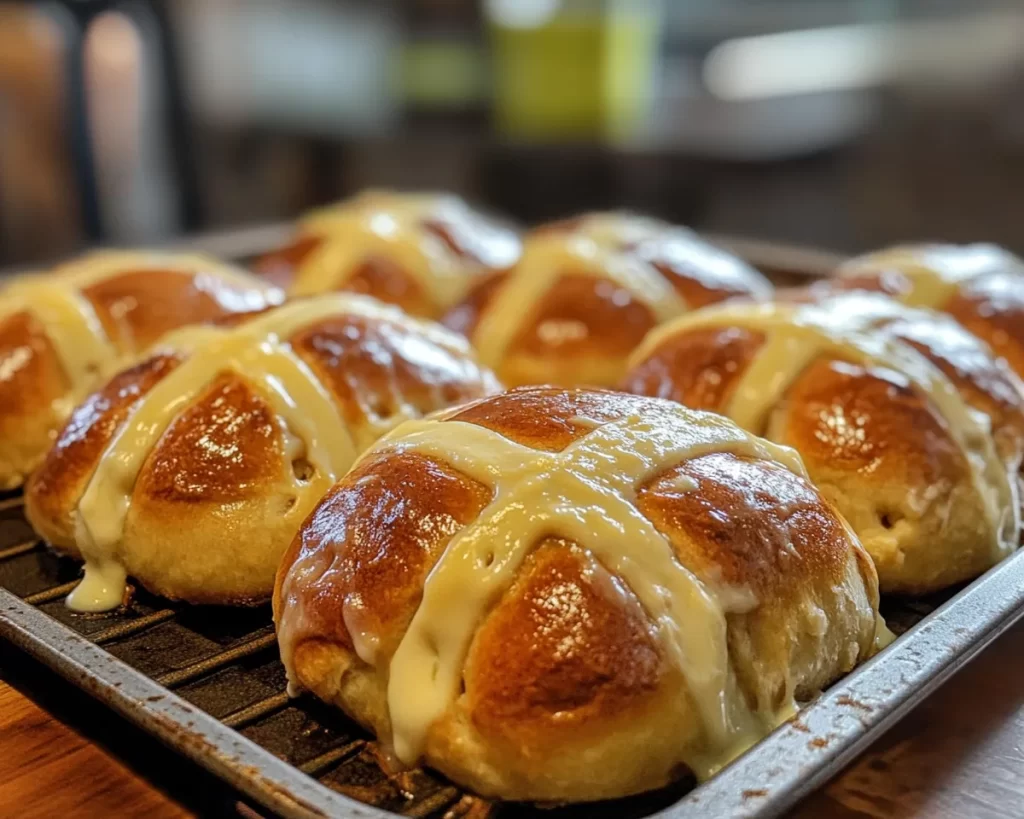
Easter Hot Cross Buns are spiced sweet buns made with a mixture of flour, milk, and sugar. Their origin dates back to the 12th century in England and has since become a quintessential part of Easter celebrations across the globe. Traditionally, these buns are spiced with cinnamon and nutmeg and then studded with dried fruits like raisins or currants. The signature cross on top, made from flour and water paste or a glaze, symbolizes the crucifixion and adds an appetizing visual appeal.
The texture of hot cross buns is soft and fluffy, almost like a warm hug for your taste buds. When you bite into one of these aromatic buns, the flavors of the warming spices mingle beautifully with the sweetness of the dried fruits, creating a sensory experience that’s hard to resist. Each bun is a miniature celebration, a reminder of renewal and hope that accompanies the Easter season. You will find that these buns are perfect for breakfast, enjoyed fresh out of the oven or lightly toasted, making them a versatile treat that transcends mealtimes.
Why You’ll Love This
There are countless reasons to love making Easter Hot Cross Buns. First and foremost is the wonderful taste; the combination of spices, soft dough, and sweet fruit creates a harmony in your mouth that’s hard to beat. Plus, making these buns is quite straightforward and does not demand complicated techniques. Whether you’re a beginner or a seasoned home cook, you’ll find comfort in the step-by-step process.
Another appealing aspect is the cost-effectiveness of making your buns at home, especially when you consider the price of store-bought versions versus the wholesome goodness you create in your kitchen. Ingredients like flour, sugar, and spices are often pantry staples that you might already have on hand. Moreover, they can be easily adapted to be friendly for various dietary needs; you can play around with gluten-free flour or substitute dairy with plant-based options without sacrificing flavor.
One common misconception is that making bread requires exceptional baking skills. While it is true that certain techniques can enhance the overall outcome, hot cross buns are forgiving in that regard. As long as you follow the recipe and let the dough rise adequately, you will be rewarded with delicious results! If you’ve ever been intimidated by baking, this recipe is an excellent starting point for experiencing the joys of homemade bread.
Ingredients You’ll Need
To achieve the perfectly spiced and fluffy Easter Hot Cross Buns, gather the following ingredients:
- All-purpose flour: The base for your dough, providing structure and texture. You can substitute with whole wheat flour for a heartier bun.
- Active dry yeast: Essential for leavening and giving the buns their fluffy texture. Always check the expiration date for the best results.
- Granulated sugar: Adds sweetness and helps to activate the yeast, contributing to the overall flavor.
- Salt: Essential for balancing the sweetness and enhancing flavors. Use fine sea salt for best results.
- Milk: Provides moisture and richness to the dough. You can replace it with almond or oat milk for a dairy-free version.
- Butter: Adds flavor and a soft texture. Consider using vegan butter to keep the buns dairy-free.
- Egg: This serves as a binding agent and adds richness to the dough, but can be replaced with flaxseed meal for a vegan alternative.
- Mixed spices (cinnamon, nutmeg, allspice): These spices provide the signature flavor of hot cross buns. Adjust according to your preference.
- Dried fruit (currants or raisins): The sweet burst in each bite. You could also use dried cranberries or chopped dried apricots for different flavor profiles.
- Flour (for the cross): Mixed with water to create the cross topping that is iconic to these buns.
How to Make
Creating your own Easter Hot Cross Buns is a rewarding process that involves several steps. Follow this guide to lead you through every phase:
- Prepare the yeast: In a small bowl, combine 1/4 cup of warm milk (not hot) with 1 tablespoon of sugar. Sprinkle the yeast on top and let it sit for about 5-10 minutes until it becomes frothy. This proves that your yeast is active and ready for action, which is crucial for achieving a fluffy texture.
- Mix dry ingredients: In a large mixing bowl, combine 4 cups of all-purpose flour, 1 teaspoon of salt, 1 teaspoon of cinnamon, and a pinch of nutmeg. Stir well to ensure the spices are evenly distributed. A well-mixed dry base helps achieve a consistent flavor throughout the buns.
- Create the dough: Once the yeast mixture is frothy, add it to the flour mixture along with 1/4 cup of melted butter, the remaining milk, and 1 egg. Mix together until a sticky dough forms. If the dough feels too dry, add more milk, a tablespoon at a time. This flexibility in the recipe can save your dough from becoming too tough or too wet.
- Knead the dough: Transfer the dough onto a floured surface and knead for about 8-10 minutes until it becomes smooth and elastic. Proper kneading is key to developing gluten, which gives the buns their airy texture. Feel free to use a stand mixer with a dough hook if you prefer less hands-on work!
- Add fruits and spices: Flatten the kneaded dough, then sprinkle in 1 cup of currants or raisins. Fold and knead a few more times until evenly incorporated. Adding dried fruits at this stage ensures that every bun will have that delightful burst of sweetness.
- First rise: Form the dough into a ball and place it in a greased bowl, covering it with a damp cloth. Allow it to rise in a warm place for about 1 hour or until it has doubled in size. This is where the magic happens, so be patient and enjoy the anticipation as the dough transforms!
- Shape the buns: Once the dough has risen, punch it down to release excess air. Divide the dough into 12 equal pieces, shaping each into a smooth ball. Place them on a greased baking sheet or lined parchment paper, ensuring they are close but not touching. This tight configuration will encourage them to rise more during baking.
- Second rise: Cover the shaped buns with a clean towel and let them rise again for about 30 minutes. This shorter rise allows them to become fluffy and soft while still forming a crust that holds its shape during baking.
- Prepare the cross: In a small bowl, mix together 1/2 cup of all-purpose flour with enough water to create a thick paste. Transfer this mixture to a piping bag (or a plastic bag with the corner snipped off) and pipe a cross over each bun. This step not only embellishes the buns but also pays homage to their traditional significance.
- Bake: Preheat your oven to 375°F (190°C) and bake the buns for 15-20 minutes or until they are golden brown. You can test for doneness by tapping the bottom of a bun; it should sound hollow. When they’re ready, the scent of sweet spices will envelop your kitchen, making it almost impossible to resist.
- Cool and glaze: Once baked, let the buns cool for a few minutes on a wire rack. Brush a glaze made from equal parts warmed milk and sugar over the top to give the buns that beautiful shine. This final touch adds a lovely sweetness that complements the spices perfectly.
Variations & Substitutions
Cranberry Orange Hot Cross Buns: For a refreshing twist, replace traditional spices with the zest of one orange and 1 cup of dried cranberries. This adds a bright flavor profile that can lighten the richness of the regular recipe. The tartness of the cranberries balances the sweetness, making it a fantastic option for those who prefer a citrusy treat.
Chocolate Chip Hot Cross Buns: If you have a sweet tooth, consider adding 1 cup of semi-sweet chocolate chips instead of dried fruits. This adaptation transforms hot cross buns into a dessert-like delight, making them perfect for breakfast or snacks. Just be mindful of the sugar level; you might want to reduce granulated sugar a little to balance this out.
Vegan Hot Cross Buns: To make this recipe vegan-friendly, substitute the egg with 1/4 cup of unsweetened applesauce and swap the milk and butter for your favorite plant-based alternatives, such as almond milk and vegan butter. The result will be just as delightful, allowing everyone to participate in enjoying these festive treats during Easter.
Whole Wheat Hot Cross Buns: Use whole wheat flour instead of all-purpose flour for a healthier option filled with more fiber. You might want to add a tablespoon of vital wheat gluten to improve the texture, as whole wheat flour can yield denser buns. These are particularly great for health-conscious individuals still wanting to partake in festive traditions.
Spiced Nut Hot Cross Buns: Replace the dried fruit with chopped nuts like walnuts or hazelnuts for a nutty flavor. You can also add a touch of almond extract to the dough for extra warmth and depth. This variation is excellent for those who may have allergies or want to provide nutty treats for their festive gatherings.
Common Mistakes to Avoid
One common mistake when making hot cross buns is using milk that is too hot when activating the yeast. This can kill the yeast, preventing the buns from rising. Ensure the milk is warm, around 110°F (43°C), to foster optimal yeast activity.
Another issue can arise during the kneading process. Over-kneading can make the buns tough, while under-kneading may prevent proper gluten development, resulting in a dense texture. Aim for a smooth and elastic dough to achieve that coveted fluffiness.
Additionally, another pitfall is not allowing the dough sufficient time to rise. Patience is key—rushing the rising stage can yield buns that are dense and flat instead of fluffy. Use the “double in size” rule to determine readiness; sticking to this guideline will guarantee fantastic results.
Lastly, failing to let the buns cool before glazing can result in a sticky mess. Allow them to cool slightly to maintain the aesthetic appeal of the glaze and keep the finish intact.
Storage, Freezing & Reheating Tips
To enjoy your hot cross buns long after baking day, it’s essential to store them properly. Allow them to site at room temperature for up to two days in an airtight container to maintain freshness. If you want to keep them for a longer duration, freezing is an excellent option. Simply wrap each bun in plastic wrap and place them in a freezer bag. They can be stored for up to three months without sacrificing flavor or texture.
When you’re ready to enjoy them, remove them from the freezer and allow them to thaw at room temperature. If you prefer a warm bun, pop them in the microwave for 15-20 seconds. A quick blast in the oven at 350°F (175°C) for about 10 minutes will also restore the freshly baked warmth and aroma.
Remember to follow food safety guidelines. Never leave baked goods at room temperature for more than two hours to avoid bacterial growth, especially if you’ve added dairy or eggs to the recipe.
Frequently Asked Questions
Can I make hot cross buns ahead of time?
Yes, you can prepare the dough ahead of time and let it rise in the refrigerator overnight. This method allows the flavors to develop more deeply. After refrigeration, let the dough come to room temperature before shaping and proceeding with the recipe.
What can I substitute for currants if I don’t have any?
If you don’t have currants, raisins, dried cranberries, or any dried fruit of your choice can work as alternatives. You could also use a combination of dried fruits for a unique flavor experience.
Is it necessary to frost the buns?
While icing enhances the visual appeal and adds sweetness, it is not mandatory. You can serve them plain or with a simple glaze. A light sprinkle of powdered sugar could also be a lovely touch.
Can I double the recipe easily?
Absolutely! Doubling the recipe is straightforward; just keep an eye on your mixing and kneading times, as well as the rise times, which may vary slightly due to the larger quantity. Make sure you have ample space for your buns to rise and bake.
Why do my buns always flatten out?
If your buns are flattening during baking, it could be due to insufficient rising time or over-kneading the dough. Be sure to let the dough proof until fully doubled in size and knead just enough to create elasticity without toughening the gluten.
Conclusion:
In crafting your own Easter Hot Cross Buns, you’re not only making a delicious treat but also participating in a time-honored tradition filled with history and communal joy. Whether you choose the classic recipe or venture into variations, your kitchen will become a delightful hub of warm spices and sweet aromas. So roll up your sleeves, gather your ingredients, and join in this festive baking adventure. Share your creations with family, and be sure to encourage others to try making their own. Happy baking!