Prep time: 30 minutes
Cook time: 20 minutes
Total time: 50 minutes
Servings: 12 rolls
Creating the perfect dinner roll is an art, and Easter Honey Butter Dinner Rolls embody that finesse beautifully. Imagine fresh, warm dinner rolls served during a family gathering or festive occasion; the aroma alone will have everyone in the room drooling. There’s something about the fluffy texture combined with sweet honey butter that elevates this simple bread into a heavenly experience. This recipe is not only easy to follow, but it also yields rolls that are soft, buttery, and sweet enough to have you reaching for seconds, or perhaps even thirds!
In this recipe, you will learn how to make these delightful rolls from scratch. I will walk you through each step, sharing insights along the way that will help ensure your rolls come out perfectly each time. We’ll also explore variations that allow for delicious twists on this classic, tips for storing and reheating, and answers to common questions. Whether you’re hosting an Easter brunch or simply want to treat your family, these rolls are sure to impress everyone at the table.
What Is Easter Honey Butter Dinner Rolls?
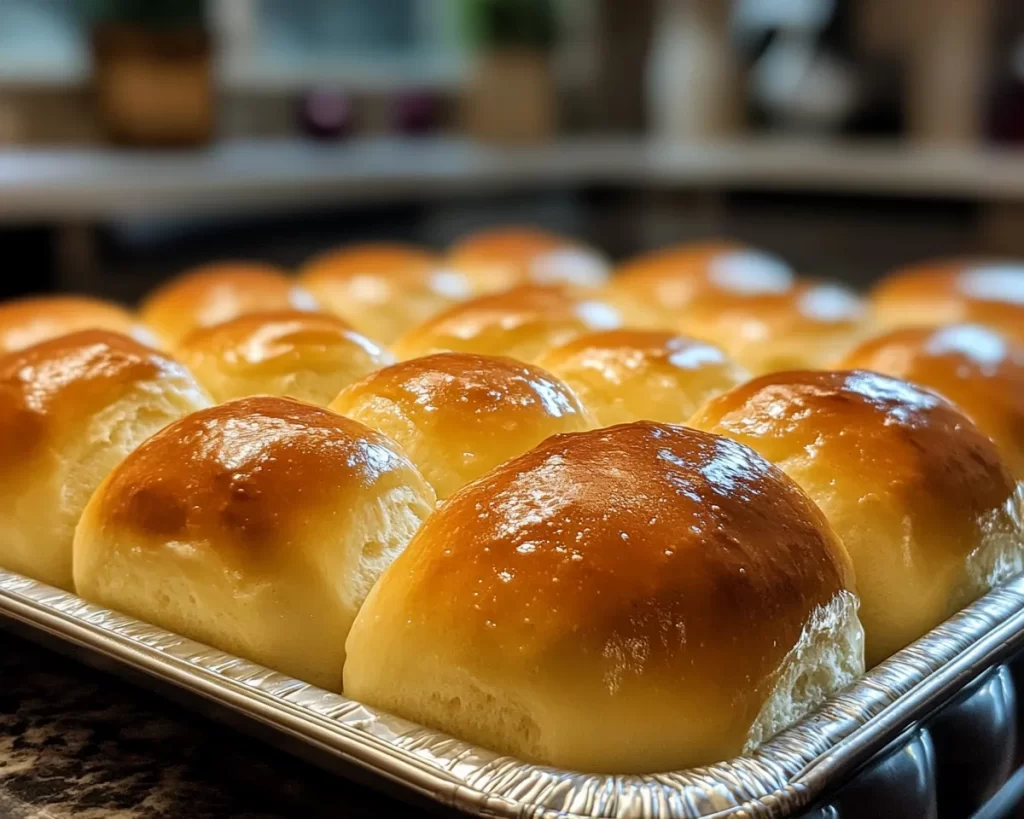
Easter Honey Butter Dinner Rolls are a classic comfort food, often associated with family gatherings and special occasions. Originating from traditional bread-making practices, these rolls are soft and fluffy, a true testament to the joy of baking. The addition of honey not only enhances the sweetness but also contributes to the alluring golden-brown color that makes them so visually appealing. With each bite, you experience the perfect balance of rich, buttery flavor complemented by a touch of sweetness — a combination that perfectly suits a festive meal.
The texture of these rolls is simply unmatched. When you take a bite, the roll yields nicely, revealing a pillowy center that practically melts in your mouth. The exterior is soft yet sturdy enough to hold up to whatever you decide to pair with them, be it savory dishes or sweet toppings like the honey butter we will make. These rolls are versatile and can be enjoyed with other dishes, as a base for sliders, or even on their own with a smear of that irresistible honey butter.
Additionally, what sets these rolls apart is their ability to bring people together. Baking is a communal activity, and sharing these rolls with family and friends creates lasting memories. As you prepare these dinner rolls, you’ll not only be crafting something delicious, but you’ll also be fostering connections and traditions that can be passed down through generations.
Why You’ll Love This
There are countless reasons to adore these Easter Honey Butter Dinner Rolls. First and foremost, the taste is simply divine. The combination of the buttery rolls paired with the sweetness of honey creates a flavor explosion that is both comforting and indulgent. Additionally, they are surprisingly easy to make, making them perfect for novice bakers who may be intimidated by yeast-based recipes. Even if you’re a seasoned pro, the straightforward method allows you to whip them up quickly, making it a no-stress endeavor.
From a cost perspective, these rolls are budget-friendly. The ingredients are generally staples you may already have in your pantry: flour, sugar, yeast, butter, and honey. This means you can enjoy a homemade treat without breaking the bank! Furthermore, these rolls are unique in their versatility. You can customize them with additional ingredients, such as herbs or spices, giving them your personal touch.
However, common misconceptions surrounding yeast bread might make some hesitant. Many think that baking with yeast is complicated and time-consuming, but that couldn’t be further from the truth, especially with this recipe. As long as you follow the step-by-step instructions, you’ll find that it’s quite approachable. Plus, the satisfaction you experience when serving fresh, homemade rolls is unparalleled.
Ingredients You’ll Need
- All-purpose flour: This is the backbone of your dinner rolls. It provides the necessary structure. You can substitute with whole wheat flour, but keep in mind that it may change the texture slightly.
- Active dry yeast: Essential for leavening, yeast will help your rolls rise and become fluffy. Ensure your yeast is fresh for the best results.
- Granulated sugar: Adds sweetness not just to the rolls but also helps activate the yeast, giving your rolls a lovely flavor.
- Salt: A crucial ingredient that balances the sweetness and enhances overall flavor.
- Unsalted butter: The rich fat content contributes to the roll’s softness and richness. Be sure to soften it before mixing.
- Warm milk: Provides moisture and aids in the activation of the yeast. A temperature around 110°F is ideal.
- Honey: To sweeten the butter, it also adds a depth of flavor to the rolls.
- Egg: This adds richness and helps with leavening, giving the rolls a lovely golden color.
Each ingredient plays a significant role in creating that fluffy, mouth-watering texture. If you’re exploring different flavors or dietary needs, this list also offers ample opportunities for substitutions and variations which can lead to delightful new twists on this classic recipe.
How to Make
Making Easter Honey Butter Dinner Rolls is a straightforward yet rewarding process. Follow these step-by-step instructions for success:
- First, gather all your ingredients. In a small bowl, combine warm milk (around 110°F) and active dry yeast. Add a teaspoon of the granulated sugar to feed the yeast. Let it sit for about 5–10 minutes, until it becomes frothy. This step is crucial because it activates the yeast, which is essential for good rise.
- While the yeast activates, in a large mixing bowl, whisk together the all-purpose flour, remaining granulated sugar, and salt. Make a well in the center and add the bubbles from your yeast mixture, along with the softened unsalted butter, honey, and egg. Stir until it forms a slightly sticky dough. You can use a wooden spoon or a dough hook if you have a stand mixer.
- Once combined, transfer the dough onto a lightly floured surface, and knead for about 8–10 minutes. As you knead, you should feel the dough becoming smoother and more elastic. This step will help develop the gluten structure, contributing to the roll’s fluffiness. Aim for a dough that is smooth and just slightly tacky to the touch.
- Place the kneaded dough in a large, greased bowl, cover with a clean towel, and allow it to rise in a warm spot for 1–1.5 hours. The dough should double in size during this time; this is your first rise. If you’re worried about drafts, an oven set to the lowest temperature (but turned off) can work well to create a warm environment.
- After the dough has risen, punch it down to release any gases. Transfer it back to your floured surface and shape it into a log. Cut the log into 12 equal pieces. Roll each piece into a smooth ball by cupping your hand over it and rolling them on the surface. Place the balls onto a parchment-lined baking sheet, leaving space between them for expansion.
- Cover the rolls with a towel and let them rest for another 30 minutes to an hour, or until they have visibly puffed up. This is called the second rise, and it’s essential for achieving that light and airy texture.
- Preheat your oven to 350°F (175°C). Once the rolls have risen, they should look fluffy and puffy. Bake in the preheated oven for about 15–20 minutes, until they turn a lovely golden brown. Pay close attention during the last few minutes to prevent over-baking; you want them soft and pillowy when you take them out.
- While the rolls are baking, prepare the honey butter. In a small bowl, combine softened butter with honey. Adjust the ratio depending on how sweet you want it. Feel free to add a pinch of salt to enhance the flavor further.
- As soon as the rolls come out of the oven, brush them with melted butter if desired for an extra touch of richness. Serve warm with your honey butter on the side for spreading. Enjoy!
These simple steps provide you with soft and delicious dinner rolls that your family will rave about. The experience of watching the dough rise and transform is incredibly rewarding, and the final result is always worth the wait.
Variations & Substitutions
Herb-Infused Rolls: If you’re looking to add a savory twist to your dinner rolls, consider mixing in fresh herbs like rosemary or thyme into the dough. These aromatic additions not only elevate the flavor but also give the rolls a fancy touch suitable for any festive meal. Simply chop the herbs finely and fold them into your dough during the kneading stage. This variation is perfect for those who prefer a slightly less sweet bread to accompany savory dishes.
Whole Wheat Rolls: If you’re aiming for a healthier option, using whole wheat flour instead of all-purpose flour can be an excellent choice. Whole wheat flour adds a nutty flavor and increases the fiber content, making your rolls more filling. However, keep in mind that they may not be quite as fluffy, so you may need to adjust the rising time. A mix of half all-purpose and half whole wheat can provide the best of both worlds while still being wholesome.
Garlic Butter Variation: For a twist that pleases those who enjoy robust flavors, garlic butter dinner rolls are a fantastic option. Before baking, brush the rolls with melted butter mixed with minced garlic. Not only does this impart an incredible aroma, but it also adds a rich taste that pairs well with a variety of main courses. You can finish with a sprinkle of parsley for color and freshness.
Cinnamon Sugar Rolls: Transform your honey butter dinner rolls into a sweet breakfast treat with a cinnamon sugar variation. After shaping the rolls, roll each ball in a mixture of sugar and cinnamon before placing them on the baking sheet. This will create a delightful sweet crust as they bake, which can be served warm with honey butter for a special morning treat.
Each of these variations offers a unique spin on the classic Easter Honey Butter Dinner Rolls, ensuring that there’s an option for every palate. Don’t be afraid to experiment with your favorite flavors!
Common Mistakes to Avoid
When it comes to making your Easter Honey Butter Dinner Rolls, there are a few common pitfalls that can affect your results. One of the most critical mistakes is using water that is too hot when dissolving the yeast. If the water temperature exceeds 130°F, it can kill the yeast, preventing the dough from rising. Always use a thermometer to check your water temperature, aiming for around 110°F.
Another mistake is neglecting the second rise. Some may think that one rise is enough, but allowing the dough to rise a second time is vital to achieving that fluffy texture. Skipping this step often leads to dense, undercooked rolls. Always be patient and let the dough double in size once again before baking.
It’s also important to measure your flour accurately. Too much flour can lead to dry rolls, while too little can create a wet dough that doesn’t hold its shape. Using a kitchen scale is an excellent way to achieve precision; if you don’t have one, spoon the flour into a measuring cup and level it off with a knife instead of scooping directly from the bag.
Lastly, be careful not to over-bake. Every oven is different, and baking times can vary. Keep a close eye on the rolls in the final minutes and perform the “tap test”—tap the bottom of a roll; if it sounds hollow, they’re likely done. Over-baking will result in tough, dry rolls instead of the tender, buttery goodness you desire.
Storage, Freezing & Reheating Tips
Proper storage is essential to keep your Easter Honey Butter Dinner Rolls fresh and delicious. After baking, allow the rolls to cool completely at room temperature. Store them in an airtight container at room temperature for up to three days, or you can wrap them tightly in plastic wrap and aluminum foil for longer shelf life.
For longer storage, these rolls freeze beautifully. Place the cooled rolls in a resealable freezer bag or an airtight container, ensuring as much air as possible is removed. They can last for up to three months in the freezer. When you’re ready to enjoy them, defrost in the refrigerator overnight, or at room temperature for a few hours. To warm them up, wrap them in foil and place them in a preheated oven at 350°F (175°C) for about 10-15 minutes or until heated through.
When reheating, consider brushing with a bit of melting butter to revive some of that fresh-out-of-the-oven taste. You can also microwave them for about 15-20 seconds; however, this may alter the texture, making them less fluffy.
As for safety, it’s advisable to follow the two-hour rule for perishable foods – do not leave them at room temperature for longer than that after baking. If you have any rolls left after a gathering, it’s better to store them than let them sit out.
Frequently Asked Questions
Can I make the dough ahead of time?
Absolutely! You can prepare the dough and let it rise, then shape the rolls and place them on a baking sheet. Cover and refrigerate overnight. The next day, allow them to come to room temperature and rise a bit longer before baking. This can save you time on busy mornings!
What can I serve with these rolls?
These dinner rolls pair well with a variety of dishes. They are particularly delightful with honey butter, but you can also serve them alongside roasted meats, stews, or even breakfast dishes like eggs and bacon. Their versatility allows them to complement almost any meal.
Can I use different sweeteners instead of honey?
Yes, you can substitute honey with maple syrup, agave nectar, or even brown sugar if you prefer. Each sweetener will impart a unique flavor profile, so choose one that suits the taste you’re aiming for in your rolls.
Why did my rolls not rise?
There are a few reasons why rolls may not rise adequately. First, check if your yeast is fresh; expired yeast won’t activate. Secondly, ensure that the water you used was the right temperature, as too hot can kill the yeast, and too cold will not activate it. Finally, the dough needs a warm environment to rise properly, so make sure it’s placed somewhere draft-free.
Can I add ingredients like cheese or herbs to the dough?
Certainly! Adding cheese, herbs, or even garlic into the dough is a fantastic way to create unique flavors. Just ensure you don’t overdo it, as adding too many additional ingredients may affect the dough’s structure. Start with small amounts and adjust based on your preference.
Conclusion:
In summary, these Easter Honey Butter Dinner Rolls are not just a recipe; they are an experience that brings warmth, comfort, and connection to the table. Their delicious flavor, soft format, and ease of preparation make them an ideal choice for anyone looking to add a special touch to their meal festivities. Don’t hesitate to customize this recipe to suit your own preferences or dietary needs. I encourage you to try making them yourself, share them with loved ones, and create memories that will last. Happy baking!