Prep time: 15 minutes
Cook time: 30 minutes
Total time: 45 minutes
Servings: 4
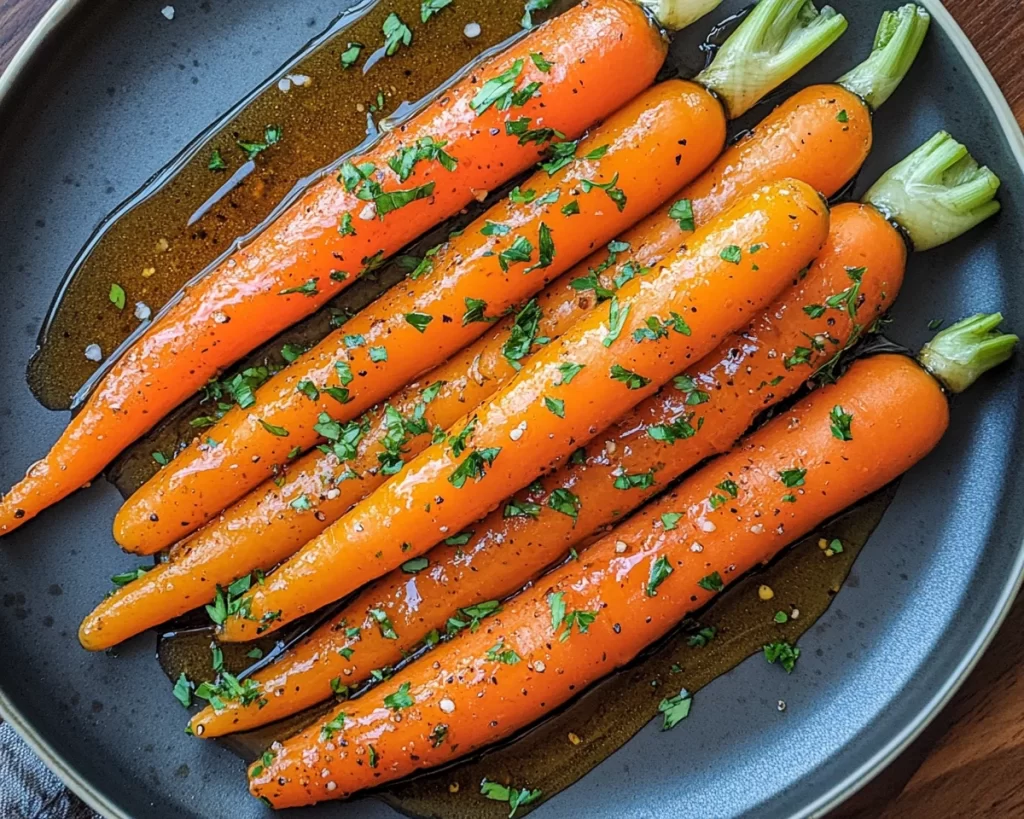
Easter is a time for joy, family, and of course, delectable dishes that warm the heart. If you’re searching for the perfect side dish that embodies the spirit of spring, look no further than these delightful Easter Glazed Carrots with Honey. Imagine tender, vibrant carrots bathed in a sweet and sticky glaze, with a hint of butter and a kiss of thyme—a dish that perfectly complements your holiday feast while reminding you of the simplicity and beauty of fresh ingredients. This recipe stands as a beacon of culinary joy, one that showcases how simple vegetables can transform into a star on your dinner table.
This dish is so special because it combines ease with elegance. Whether you’re a busy parent trying to juggle cooking with the chaos of life or an experienced home cook looking for something that wows without demanding too much time or effort, these glazed carrots have you covered. In this article, you will discover the sweet allure of honey-glazed carrots, how to prepare them step-by-step, variations for every palate, and even tips to avoid common cooking pitfalls. Get ready to learn about this incredible recipe that will elevate your meals—just like spring elevates our spirits.
What Is Easter Glazed Carrots with Honey?
Easter Glazed Carrots with Honey is a beautiful and simple dish that brings the best out of one of the most underrated vegetables: carrots. Carrots have a natural sweetness, and when paired with honey, this dish becomes a celebration of flavor and nutrition. The origins of glazed carrots trace back to the culinary traditions of various cultures that appreciate sweet and savory combinations. The texture is incredibly appealing; you get tender carrots that still have a nice bite, coated in a glossy, flavorful glaze that shines invitingly on your plate.
The flavor profile of this dish is a harmonious blend of sweetness and earthiness. The honey offers a gentle sweetness that highlights the natural flavors of the carrots while brown sugar or butter adds richness. The complexity is further enhanced by herbs like thyme, creating a balanced dish that appeals to everyone at the table. It’s not just about serving a vegetable—it’s about offering a delightful experience that brings comfort and joy. With its enticing aroma wafting through the kitchen, this dish will surely become a beloved tradition in your family.
Why You’ll Love This
Easter Glazed Carrots with Honey is not just about taste; it brings a range of benefits that make it a must-try. First and foremost, the taste is a symphony of flavors that dance on your palate; the sweetness of honey matched with the fresh crunch of carrots makes each bite memorable. Additionally, the recipe is remarkably simple. With just a handful of ingredients and intuitive methods, even novice cooks will find success. You’ll save time and hassle while still offering something both impressive and delicious on your table.
Cost-effectiveness is also a significant factor. Carrots are usually inexpensive, and raw honey offers numerous health benefits, making this dish both budget-friendly and nutritious. Health-wise, you’ll be delighted to know that carrots are packed with vitamins A and C, fiber, and antioxidants. Furthermore, this dish is versatile: it can fit into various dietary needs easily, making it suitable for guests with different preferences.
Many people often think that vegetables have to be overly complicated to be tasty. However, this recipe dispels that misconception. You can turn a simple root vegetable into a vibrant centerpiece with the right cooking method and flavor profile. By highlighting how easy it is to make colourful, flavorful dishes like these glazed carrots, you can empower those new to cooking, showing them that beautiful food doesn’t have to come from a restaurant. With an approachable, yet elegant presentation, these carrots elevate your holiday spread without overwhelming your cooking schedule.
Ingredients You’ll Need
- Carrots: The star of the show, fresh carrots add sweetness and crunch. Look for firm, bright orange carrots. You can substitute with baby carrots for convenience.
- Honey: This natural sweetener lends an appealing sweetness and a shine to the dish. You can use agave syrup or maple syrup as alternatives.
- Butter: Adds richness and depth to the glaze. If you prefer a dairy-free option, you can use olive oil instead.
- Brown sugar: Enhances sweetness and caramelization. If you’re watching sugar intake, you can reduce or omit it according to preference.
- Thyme: A classic herb that complements carrots beautifully. Fresh thyme is preferable, but dried thyme will work in a pinch. Consider using rosemary for a different flavor.
- Salt and pepper: Essential for balancing flavors. Use kosher salt and freshly cracked black pepper for the best results.
Each ingredient plays a crucial role, contributing to the overall flavor and texture of the dish. Utilizing fresh, quality ingredients will make a noticeable difference in the taste, so whenever possible, opt for organic or local produce. Don’t hesitate to experiment with your preferred flavors to create a version of this dish that aligns with your taste buds.
How to Make
Follow these simple steps, and you’ll have a beautiful, mouthwatering dish of glazed carrots ready in no time.
- Preparation: Start by peeling the carrots and cutting them into evenly sized pieces. Aim for uniform thickness so they cook evenly. You can slice them diagonally into rounds or cut them into sticks; both methods will work. Rinse the cut carrots under cold water to remove any dirt. This step is crucial, as it ensures your vegetables are clean and ready to absorb the flavors of the glaze.
- Cooking the Carrots: In a pot, add enough water to submerge the carrots and a pinch of salt. Bring the water to a boil, then add the carrots. Reduce heat to medium and let them cook for about 5-7 minutes or until they are tender but still crisp—this is key for maintaining that delightful bite. If you’re unsure, you can test them by puncturing with a fork; they should be tender but not mushy.
- Draining the Carrots: Once cooked, drain the carrots using a colander and set them aside. Ensure you shake off any excess water to avoid watery glaze later. This step is essential because too much water will dilute the flavors of your glaze, preventing that rich, sticky coating.
- Making the Glaze: In a large skillet, melt the butter over medium heat. Once the butter is fully melted and starts to bubble, add the honey, brown sugar, thyme, salt, and pepper. Stir frequently to combine well, letting the mixture bubble for about 2-3 minutes. You want to create a syrupy glaze. The aromas will fill your kitchen, making your mouth water as you anticipate the finished dish.
- Combining Carrots and Glaze: Gently add the drained carrots to the skillet. Toss them in the glaze to coat them evenly, cooking them for an additional 5-6 minutes until well heated and glistening. Keep stirring occasionally to prevent sticking. This final cooking gives the carrots a lovely sheen and caramelizes them lightly, enhancing their natural sweetness.
- Finishing Touches: Remove the skillet from heat and adjust the seasoning to taste. If you feel they need a bit more sweetness, feel free to drizzle a touch more honey. Adding fresh thyme leaves just before serving can provide an even fresher taste and a beautiful visual touch. Transfer the glazed carrots to a serving dish, and they are ready to impress your guests.
Making Easter Glazed Carrots with Honey may seem straightforward, but it leaves a remarkable impression not just visually but in taste. By investing a little time and effort, you create a dish that’s not only elevating your holiday meal but also ensuring wholesome ingredients delight all your guests.
Variations & Substitutions
Maple Glazed Variation: If you want to switch things up a bit, consider using maple syrup instead of honey. This will give the dish a unique, rich flavor profile and make it feel more autumnal, albeit still delicious in spring. Maple syrup also boasts its own set of health benefits, such as antioxidants, making the dish even more appealing to health-conscious diners.
Spicy Honey Glazed Carrots: To add a bit of a kick, try incorporating a dash of cayenne pepper or red pepper flakes into your honey glaze. The heat works wonderfully with the sweetness, balancing the flavors perfectly. This version is especially delightful for those who enjoy sweet and spicy combinations, making it an edgier option for adventurous eaters.
Citrus-Infused Carrots: A splash of fresh orange or lemon juice added to the glaze can bring a refreshing acidity that cuts through the sweetness. The bright citrus notes add complexity and enhance the overall dish with a springtime flair, perfectly in line with Easter celebrations.
Herb-Infused Version: Instead of thyme, consider using other herbs like dill or even a sprinkle of fresh parsley for a different flavor profile. Each herb will impart its unique taste, so it’s an excellent opportunity to experiment and find what resonates with your family’s preferences. With slight changes, you can curate a dish that is entirely your own.
Vegetarian or Vegan Options: For a plant-based variation, replace the butter with coconut oil or a vegan butter substitute. This ensures everyone at your table can enjoy this delightful dish, making it inclusive for all dietary preferences.
Each of these variations brings something different to the table, allowing you to explore flavor profiles and cater to everyone in your family or guests at your Easter celebration.
Common Mistakes to Avoid
While this recipe is relatively foolproof, a few common mistakes can lead to less than stellar results. One such mistake is overcooking the carrots; they can turn mushy instead of tender-crisp, losing their texture and appealing bite. Always keep an eye on them while they’re simmering, and perform the fork test to gauge their readiness.
Another issue often faced is not adequately draining the carrots. If water remains clinging to them before they’re added to the glaze, the end dish can become watery and sacrifice that luscious coating you’re aiming for. Remember that the glaze should cling beautifully to the carrots for the best flavor and texture.
If you decide to substitute ingredients, be cautious with sugar alternatives. Some sweeteners may be much sweeter than honey or brown sugar, so adjust the quantity accordingly to avoid overpowering the other flavors.
Lastly, always taste before you serve! Adjusting the flavors with more salt, pepper, or sweetener at the end allows you to refine the dish to taste before it hits the table.
Storage, Freezing & Reheating Tips
Storing glazed carrots is straightforward, but it’s essential to follow some best practices for freshness. If you have leftovers, allow the dish to cool completely before transferring it to an airtight container to avoid moisture build-up. You can keep them in the refrigerator for up to three days—though they are best enjoyed fresh.
If you’re thinking of freezing leftover glazed carrots, note that the texture may change after thawing. They can be frozen in an airtight container or resealable freezer bag for up to 3 months. To reheat, thaw them overnight in the refrigerator, then warm them in a skillet over medium heat. Adding a bit of butter or a splash of water can help bring back their moistness and flavor.
If reheating in the microwave, do so in short intervals to ensure even heating without overcooking. This step helps retain their texture and taste, ensuring you get the most enjoyment out of your dish.
Food safety is always important—make sure to follow proper guidelines to keep your meals fresh.
Frequently Asked Questions
Can I make Easter Glazed Carrots ahead of time?
Yes, you can prepare the glazed carrots ahead of time! Cook them as instructed, allow them to cool, and store them in the refrigerator for up to three days. When you’re ready to serve, simply reheat them in a skillet for the best texture. This strategy is perfect for busy hosts looking to streamline their meal preparations.
What can I serve with glazed carrots?
Easter Glazed Carrots with Honey pairs well with a variety of dishes. They’re an excellent side for roast meats like ham or lamb, and they complement any spring-themed meal beautifully. Additionally, they can work wonderfully with vegetarian dishes, providing a vibrant touch against starchier sides.
Can I use other vegetables for this recipe?
Definitely! While this recipe highlights carrots, you can experiment with other vegetables like parsnips, glaze lightly sweet winter root vegetables, or even broccoli. Just adjust the cooking times accordingly so that everything is perfectly cooked.
Is this dish suitable for children?
Yes! Children usually enjoy the natural sweetness of glazed carrots, especially when cooked until tender. This recipe is a fantastic way to introduce veggies into their diets, presenting them in a delicious format that can entice even picky eaters.
How should I store leftovers?
To store leftovers, allow the glazed carrots to cool, then transfer them to an airtight container. They can last in the refrigerator for up to three days. If you wish to freeze them, use a resealable bag or container, noting that texture may differ upon thawing. Enjoy them warm upon reheating for the best flavors.
Conclusion:
In closing, Easter Glazed Carrots with Honey is not just a recipe to follow; it’s an experience to share with loved ones. The perfect balance of sweetness and freshness makes this dish a must-have at your holiday table, ensuring every bite is both memorable and delicious. As you savor the delightful blend of flavors and textures, consider how you can customize this dish to reflect your style or meet dietary needs. It’s a splendid reminder that even the simplest ingredients can come together to create something extraordinary. So gather your family, roll up your sleeves, and invest a little time into making this dish that speaks of warmth, love, and culinary tradition. Happy cooking!