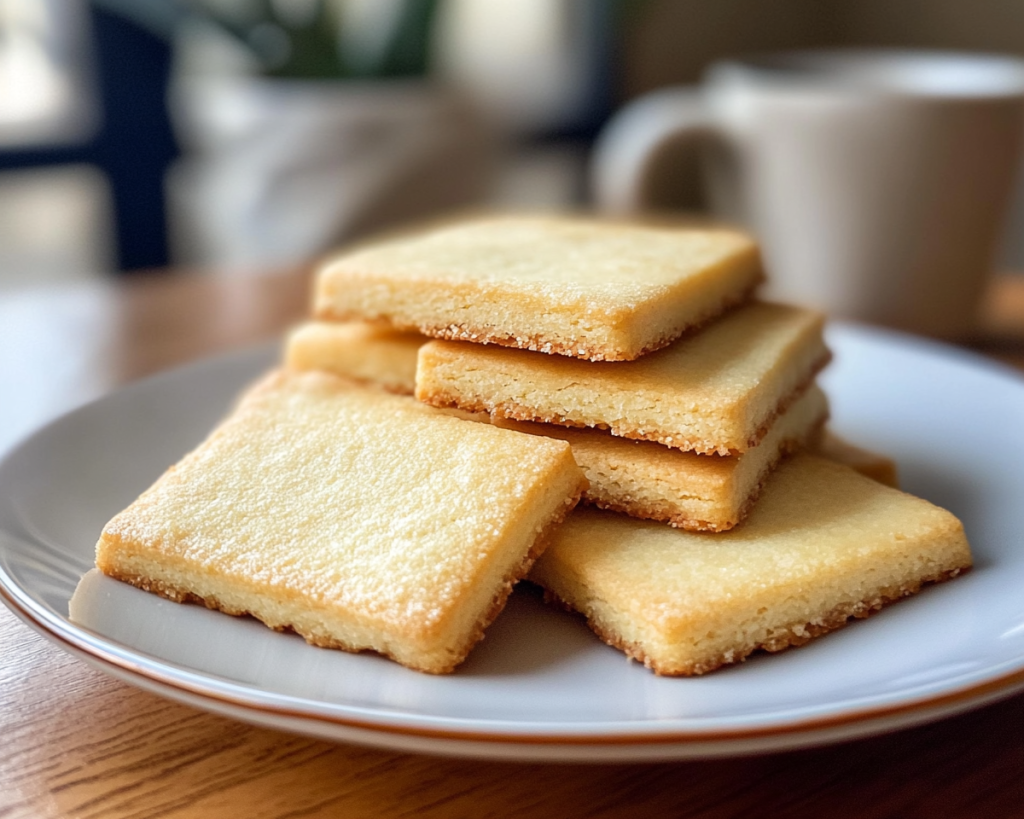
Prep time: 10 minutes
Cook time: 20 minutes
Total time: 30 minutes
Servings: 12 cookies
There’s something undeniably comforting about a freshly baked cookie, and when it comes to simple indulgences, few desserts match the allure of the classic shortbread cookie. Imagine biting into a buttery, tender cookie that crumbles perfectly with each mouthful, releasing a burst of rich flavor. This Easiest Shortbread Recipe is not only a delightful treat for your taste buds but also an effortless solution for busy parents, beginner bakers, or anyone craving a sweet, nostalgic taste of home.
In this guide, you’ll discover how easy it is to create these buttery 3-ingredient shortbread cookies. With just a handful of ingredients and minimal effort, you can impress friends and family with this timeless treat. From the ideal baking techniques to smart variations, this recipe makes it easy to adapt and personalize your shortbread to suit your preferences. So roll up your sleeves, and let’s dive into the wonderful world of shortbread!
What Is Easiest Shortbread Recipe | Buttery 3-Ingredient Shortbread Cookies?
The shortbread cookie has its origins steeped in Scottish history, dating back to the 12th century. Traditionally, shortbread is made with simple ingredients: butter, sugar, and flour. Its crumbly texture and rich flavor have made it a favorite not just in Scotland but across the world. The beauty of shortbread lies in its simplicity; it showcases the creamy richness of butter, which is the star ingredient in this recipe. When you make shortbread, you are creating an experience that tantalizes the senses—think of that golden-brown hue, the tempting aroma wafting through your kitchen, and the satisfying texture that crumbles just right with each bite.
This Easiest Shortbread Recipe focuses on the quintessential flavor and texture that makes shortbread so appealing. With just three key ingredients, the cookie comes together in a flash, requiring minimal baking expertise. Whether served alongside a warm cup of tea or as a delicious addition to a dessert platter, these buttery cookies offer an inviting taste of tradition that everyone can appreciate.
Why You’ll Love This
There are countless reasons to fall in love with this Easiest Shortbread Recipe. For starters, its taste is simply irresistible. The blend of sweet and salty in these cookies pairs beautifully with everything from hot beverages to rich desserts. Because the ingredients are basic and affordable, this recipe is perfect for those on a budget. You can whip up a delectable treat without breaking the bank, making it an excellent choice for busy parents who want to create special moments without extra hassle.
Another key benefit is the ease of preparation. Even if you are a novice in the kitchen, the step-by-step instructions will guide you through the entire process. You’ll find that making shortbread requires minimal tools and no complicated techniques; everything is straightforward. Many people often feel intimidated by baking, but this recipe breaks down the process in a way that allows anyone to find success.
Lastly, let’s not overlook its versatility. You can easily adapt this shortbread to fit dietary needs or personal preferences, whether you’re gluten-free, dairy-free, or looking to incorporate unique flavors. Simply put, this Easiest Shortbread Recipe offers flexibility while retaining the essence of what makes shortbread so delightful.
Ingredients You’ll Need
- Unsalted Butter: 1 cup (227g) — This is the heart of the recipe. The quality of your butter will directly impact the flavor and texture. For a rich taste, opt for high-quality butter; margarine will not provide the same richness.
- Granulated Sugar: 1/2 cup (100g) — Sugar adds sweetness and helps in creating a light, crumbly texture. You can substitute granulated sugar with powdered sugar for a finer texture.
- All-Purpose Flour: 2 cups (250g) — Flour provides structure to the cookies. If you are gluten-free, consider using a gluten-free flour blend as a substitute.
Each ingredient plays a pivotal role in this recipe. The butter gives the cookies their trademark buttery flavor and melt-in-your-mouth quality. Sugar sweetens the cookie while also contributing to its crumbly works. The flour binds everything together and is essential for achieving the right texture.
How to Make
- Preheat your Oven: Start by preheating your oven to 350°F (175°C). This is essential as it ensures your cookies bake evenly. A well-preheated oven will help achieve that golden-brown exterior and tender interior that we all crave in a perfect shortbread.
- Prepare Your Baking Sheet: Line a baking sheet with parchment paper. This will prevent the cookies from sticking and makes for easy cleanup. Alternatively, if you don’t have parchment paper, you can lightly grease the baking sheet with butter or cooking spray.
- Cream the Butter and Sugar: In a large mixing bowl, add your softened unsalted butter and granulated sugar. Using a hand mixer or stand mixer, cream the butter and sugar until the mixture is light and fluffy, about 2–3 minutes. This step is important as it incorporates air into the butter, contributing to a tender cookie.
- Add Flour: Gradually add in your all-purpose flour. Mix on low speed to combine, or use a spatula if you prefer mixing by hand. Be careful not to overmix; stop once everything is combined, and you have a dough-like consistency. The texture should be slightly crumbly but come together when pressed.
- Shape the Dough: Turn the dough onto a lightly floured surface. With clean hands, gently press the dough into a flat disc about 3/4-inch thick. Using a knife or cookie cutter, cut the dough into your desired shapes. Remember, you don’t need to make them perfect; the rustic look adds charm to homemade treats.
- Bake: Place the cookie shapes onto the prepared baking sheet, leaving a little space between them for spreading. Bake in your preheated oven for 18–20 minutes, or until the edges begin to turn lightly golden. Resist the urge to overbake, as shortbread is best enjoyed when slightly underbaked for a soft, melt-in-your-mouth texture.
- Cool: Once baked, remove the cookies from the oven and allow them to cool on the baking sheet for about 5 minutes before transferring them to a wire rack. Allow the cookies to cool completely before serving. This helps them set properly while enhancing their crumbly texture.
Creating these shortbread cookies is truly a rewarding experience. You’ll be amazed at how simple the process is and how quickly you’ll have a delightful treat ready for yourself and others.
Variations & Substitutions
Citrus Shortbread
If you’re looking to add a refreshing twist to your classic shortbread cookies, consider incorporating citrus zest. Adding the zest of one lemon, lime, or orange to your dough enhances the flavor beautifully, providing a light, zesty note that complements the richness of the butter.
Chocolate-Dipped Shortbread
For chocolate lovers, this variation is a must-try. Once your shortbread cookies are fully cooled, melt semi-sweet chocolate in a double boiler. Dip the edges of each cookie in the chocolate, allowing excess to drip off. Let the chocolate harden on parchment paper, creating a delightful contrast between the buttery cookie and rich chocolate.
Herbed Shortbread
For a unique savory twist, consider adding fresh herbs such as rosemary or thyme to your dough. Finely chop about 2 tablespoons of fresh herbs and fold them into your cookie dough during the mixing process. The result is a sophisticated flavor that pairs remarkably well with cheese or wine for an elevated snacking experience.
Almond-Flavor Shortbread
If you’re a fan of nuts, incorporate a teaspoon of almond extract or finely chopped almonds for a delightful nutty flavor. The almond essence will provide a distinctive and fragrant note to your shortbread, enhancing its richness in a pleasing way.
Each of these variations allows you to tailor your cookies to your personal taste or even to suit specific occasions, whether it’s a family gathering or a cozy evening at home.
Common Mistakes to Avoid
Many novice bakers fear the dreaded “failed cookie,” and it’s often due to a few common mistakes. One critical mistake is using cold butter versus softened butter. This can result in a dense texture rather than the light and crumbly goodness we desire. Always let your butter come to room temperature before you begin.
Another pitfall is overmixing the dough. While it’s tempting to ensure everything is fully incorporated, overmixing can create tough cookies. Mix just enough for the ingredients to come together, and you will be rewarded with tender shortbread.
Lastly, don’t skip the cooling step! Allowing the cookies to cool on the baking sheet is vital. If you rush this process and move them too soon, they may crumble apart. Let them cool slightly before moving them to a wire rack, ensuring they set and keeping their lovely shape intact.
Storage, Freezing & Reheating Tips
Once you’ve baked your delicious shortbread cookies, proper storage will help keep them fresh. The best way to store shortbread is in an airtight container at room temperature, where they can last up to a week. For longer storage, consider freezing them. Place the cooled cookies in a single layer on a baking sheet and freeze until solid, then transfer them to a freezer-safe bag or container. They can be kept frozen for up to three months.
When you’re ready to enjoy them, remove the desired amount from the freezer and let them thaw at room temperature. There’s no need to reheat shortbread; they are delightful served at room temperature. However, if you prefer them warm, a quick warm-up in the oven can do the trick.
For added food safety, it’s important to always use clean utensils when handling stored cookies, as this will help prevent contamination.
Frequently Asked Questions
Can I use salted butter instead of unsalted?
Yes, you can use salted butter, but it may adjust the sweetness of the cookies slightly. If you opt for salted butter, you may want to reduce the amount of added sugar for a more balanced flavor.
What can I do if my dough feels too crumbly?
If your dough appears overly crumbly, it might be due to too much flour. You can add a teaspoon of cold water or an additional tablespoon of softened butter to help bind the dough together until it reaches a workable consistency.
Are shortbread cookies suitable for freezing?
Absolutely! Shortbread cookies freeze exceptionally well. Just make sure they are stored in an airtight container to prevent freezer burn. They can be frozen for up to three months without losing their texture or flavor.
Can I use a gluten-free flour mix for this recipe?
Yes, a gluten-free flour blend can often be substituted directly for all-purpose flour in shortbread recipes. Ensure the blend contains a binding agent like xanthan gum to help with structure.
How do I make my shortbread cookies a bit softer?
If you prefer a softer texture, consider reducing the baking time slightly. Also, adding a touch of cornstarch can lend a softer bite to your cookies, making them tender and melt-in-your-mouth delicious.
Conclusion:
In summary, this Easiest Shortbread Recipe is not only straightforward and accessible but also provides that comforting, nostalgic taste we often crave. The ability to customize these cookies with various flavors allows you to tailor them to any occasion or preference, making them an ideal treat for all.
I encourage you to try your hand at making these buttery 3-ingredient shortbread cookies; you’ll find it’s a rewarding experience that fills your kitchen with delightful aromas and your heart with joy. Share them with friends or family, or keep them as an indulgent treat just for you. Whatever you choose, these shortbread cookies are bound to become a favorite in your baking repertoire. Enjoy baking, customize to your heart’s content, and let these cookies remind you of the simple joys of homemade treats!