Prep time: 15 minutes
Cook time: 10 minutes
Total time: 25 minutes
Servings: 4
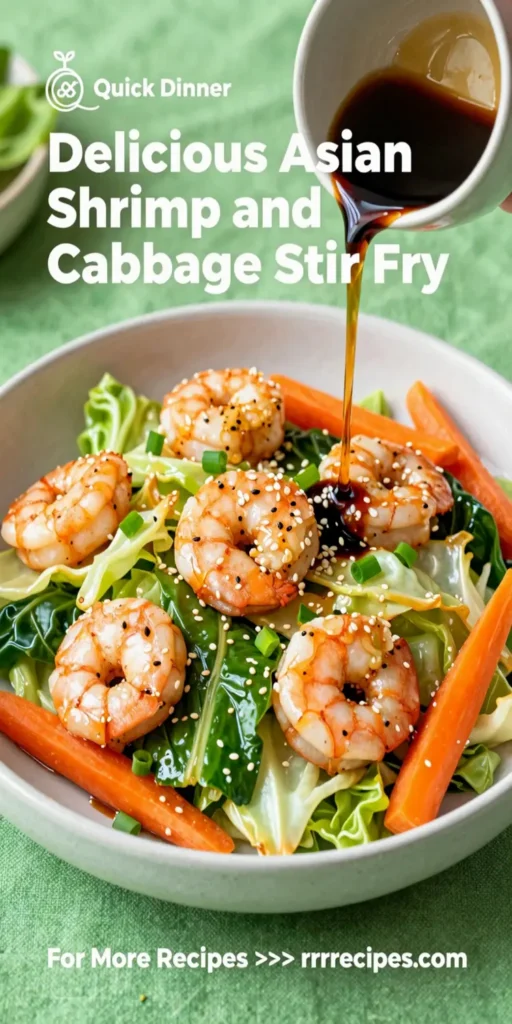
Delicious Asian Shrimp and Cabbage Stir Fry is a quick and satisfying weeknight meal that is packed with flavor and nutrition. With its crunchy cabbage, succulent shrimp, and zesty stir-fry sauce, this dish is not only a delight for your taste buds but also a breeze to prepare. Perfect for busy parents or anyone looking for a healthy, budget-friendly dinner, this stir fry can be on your table in no time!
What Is Delicious Asian Shrimp and Cabbage Stir Fry?
This dish is a delightful combination of fresh vegetables and protein, featuring shrimp as the star ingredient. Stir frying is a traditional Asian cooking method that involves cooking food quickly over high heat, yielding a meal that retains the vibrant colors and nutrients of the ingredients. Cabbage serves as a crunchy base while the shrimp adds a touch of sweetness. Together with the right seasonings, they create a dish that’s not just nutritious, but also incredibly satisfying.
Why You’ll Love This
You will love this recipe because it is not only quick and easy to make but is also customizable to suit your tastes. The stir fry is a great way to use up leftover vegetables, making it a fantastic option for meal prep. Additionally, shrimp cook in just minutes, making this an ideal dish for those nights when you want something healthy yet hassle-free. Pairing well with rice or noodles adds versatility to the dish, allowing it to fit into various meal plans.
Ingredients You’ll Need
- Shrimp (1 pound, peeled and deveined): The main protein source, shrimp are flavorful and cook quickly, making them perfect for stir frying.
- Cabbage (4 cups, shredded): Adds crunch and nutrition, cabbage is a low-calorie vegetable that holds up well when stir-fried.
- Bell pepper (1 cup, sliced): Provides sweetness and color. You can use red, green, or yellow bell peppers for variation.
- Carrot (1 cup, julienned): Adds a natural sweetness and vibrant color, and it complements the crunch of the cabbage.
- Garlic (3 cloves, minced): A must-have for flavor, garlic enhances the overall taste and aroma of the dish.
- Ginger (1 tablespoon, minced): Adds a unique warmth and depth of flavor, with anti-inflammatory properties.
- Soy sauce (3 tablespoons): The key ingredient that provides umami flavor; low-sodium soy sauce can be used to keep it healthier.
- Sesame oil (1 tablespoon): Adds a nutty flavor that is quintessential in many Asian stir-fry dishes.
- Salt and pepper (to taste): Essential for seasoning, adjust according to your taste preferences.
- Green onions (for garnish): Adds a fresh element to the dish, sprinkle on top before serving.
How to Make
- Begin by prepping your ingredients. Peel and devein the shrimp, then wash and slice the vegetables. This ensures that everything cooks evenly and reduces cooking time.
- In a large skillet or wok, heat the sesame oil over medium-high heat until hot. This step is crucial as it helps to sear the shrimp quickly, sealing in the flavors.
- Add the minced garlic and ginger to the skillet. Stir constantly for 30 seconds until fragrant, making sure not to burn them, as burnt garlic can taste bitter.
- Stir in the shrimp and cook for 2-3 minutes or until they turn pink and opaque. Shrimp cook rapidly, so keep an eye on them to avoid overcooking.
- Once the shrimp are cooked, add the shredded cabbage, sliced bell pepper, and julienned carrot. Stir-fry for about 5 minutes, or until the vegetables are tender but still crisp.
- Pour in the soy sauce, and season with salt and pepper. Stir everything together and cook for another minute to ensure the sauce is evenly distributed.
Variations & Substitutions
Vegetable Variation: You can substitute or add various vegetables like broccoli, snap peas, or zucchini to this stir-fry. Each vegetable brings its own flavor and texture, enhancing the dish’s overall appeal. Just ensure that any added vegetables are prepped in a way that allows them to cook at a similar rate to the ones already in the dish.
Sauce Variation: If you’re looking for a different flavor profile, consider using teriyaki sauce or oyster sauce instead of soy sauce. Each of these sauces brings a unique depth of flavor. Just adjust the saltiness accordingly, as these can be sweeter than traditional soy sauce.
Protein Variation: Instead of shrimp, feel free to use chicken, beef, or tofu to align with your dietary preferences. If substituting shrimp for chicken, ensure the chicken is cooked through and reaches an internal temperature of 165°F. Tofu can be cubed and pan-fried before adding to the stir-fry for a delightful vegetarian option.
Common Mistakes to Avoid
Using too much oil can lead to a greasy stir-fry instead of the light and flavorful meal you desire. Start with a small amount and add more only if necessary. Stir-frying is quick, so having everything prepared beforehand is essential to avoid overcooked shrimp or soggy vegetables. Don’t skip preheating the oil; this step helps in beautifully browning your ingredients.
Storage, Freezing & Reheating Tips
Proper storage is key to food safety and maintaining flavor. Store any leftovers in an airtight container in the refrigerator for up to three days. When reheating, avoid the microwave as it can turn the shrimp rubbery; opt for a skillet over medium heat instead. If you want to save the stir-fry for later, you can freeze it in a freezer-safe container. It can last up to three months, but make sure to allow it to cool completely before freezing to prevent ice crystals from forming.
Frequently Asked Questions
Can I use frozen shrimp for this dish?
Yes, you can use frozen shrimp; just make sure to thaw them completely before cooking. You can place them in a bowl of cold water for quicker thawing. Pat them dry to avoid excess moisture, which can lead to a watery stir fry.
What kind of shrimp is best for stir fry?
For stir fry, medium to large shrimp are generally preferred. They provide a satisfying bite and absorb flavors well. Wild-caught shrimp is often recommended due to its more robust flavor compared to farmed varieties.
Can I add noodles to this stir fry?
Absolutely! Adding noodles can make this dish even heartier. Consider using rice noodles, soba noodles, or even whole wheat spaghetti as a fun twist. Just cook the noodles according to the package instructions and toss them in with the vegetables and shrimp in the last minute of cooking.
Is this dish suitable for meal prep?
Yes, this stir fry is perfect for meal prep! Store individual portions in airtight containers and keep them in the refrigerator. It holds up well for a few days, making it an ideal choice for lunches during the week.
How can I make this dish vegetarian?
To make this dish vegetarian, simply replace the shrimp with firm tofu and use vegetable broth instead of soy sauce. Additionally, you can increase the variety of vegetables used to create a robust meal that is filling and healthy.
Conclusion:
Delicious Asian Shrimp and Cabbage Stir Fry is a versatile, healthy option that brings taste and excitement to your dinner routine. Whether you follow the standard recipe or make variations to suit your preferences, you will find that this dish caters to busy lifestyles without compromising on flavor or nutrition. Try it out, and see for yourself how easy and enjoyable cooking can be!