Prep time: 15 minutes
Cook time: 25 minutes
Total time: 40 minutes
Servings: 4
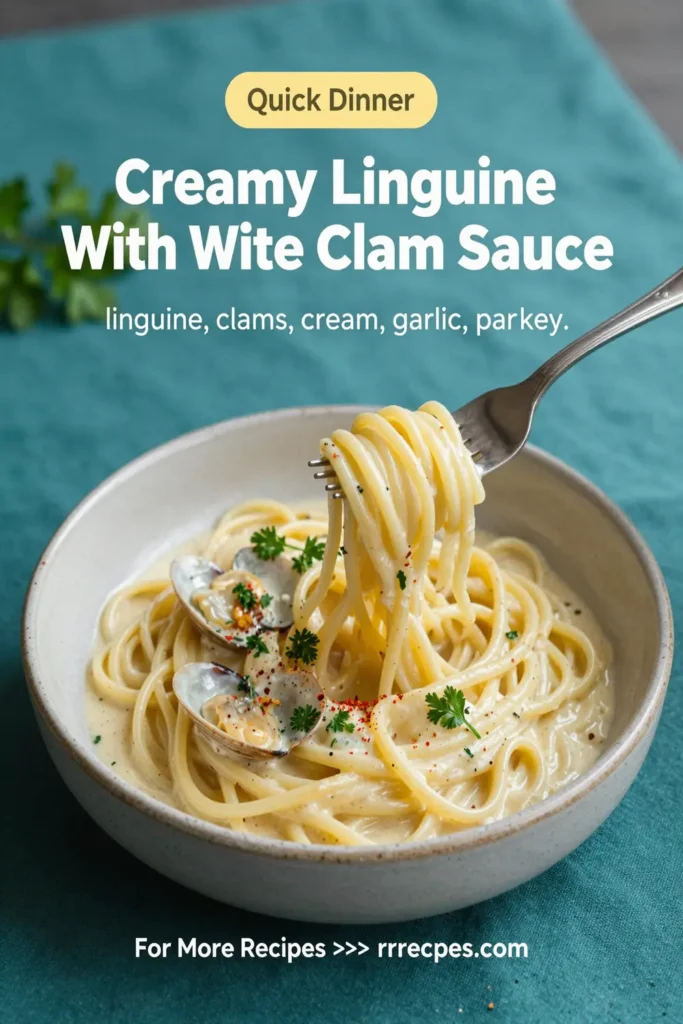
Creamy linguine with white clam sauce is an indulgent yet surprisingly easy dish to prepare. It brings together the briny flavor of clams with a silky cream sauce, all tossed with al dente linguine to create a restaurant-quality meal right in your kitchen. Perfect for busy parents looking for a quick dinner option, or for anyone wanting to impress friends with minimal effort, this dish embodies comfort through its rich flavors and delightful textures. Let’s dive into what makes creamy linguine with white clam sauce so special!
What Is Creamy Linguine With White Clam Sauce?
Creamy linguine with white clam sauce is a classic pasta dish originating from Italian cuisine, often celebrated for its harmonious blend of flavors. The dish features linguine—a flat, ribbon-like pasta—as the perfect vehicle for the rich, creamy sauce made from fresh clams, white wine, garlic, and cream. This dish strikes a balance between mouthwatering simplicity and delicious complexity, making it a favorite among many who savor Italian food. It’s a crowd-pleaser that is both comforting and sophisticated, ideal for weekly dinners or special occasions.
Why You’ll Love This
You’ll love this recipe for its robust yet comforting flavors. The luxurious cream gives the sauce a smooth texture, complemented by the tender pieces of clam that add a hint of oceanic brininess. Each bite bursts with flavor, making it hard to resist going back for seconds. The gentle heat from the garlic and a splash of white wine elevate the dish, creating a truly memorable dining experience. Plus, it comes together in under 40 minutes, making it an excellent choice for weeknight dinners when time is of the essence. It’s also versatile; feel free to adjust ingredients or spices to suit your taste!
Ingredients You’ll Need
- 12 ounces of linguine: The main ingredient that gives this dish its character. Choose a quality pasta for the best results.
- 2 cans (6.5 ounces each) of chopped clams: Provides the main flavor. Look for brands packed in their juices for optimal taste.
- 1 cup heavy cream: This creates the dish’s creamy texture. Using full-fat cream adds richness.
- 1/2 cup dry white wine: Such as Sauvignon Blanc or Pinot Grigio, enhances the flavor and adds depth to the sauce.
- 4 cloves of garlic, minced: Adds a strong flavor base to the sauce.
- 2 tablespoons olive oil: Used to sauté the garlic and adds a nice finish to the dish.
- 1/4 cup fresh parsley, chopped: For garnish and to add a pop of color and freshness.
- Salt and pepper to taste: Essential for balancing out the flavors.
- Red pepper flakes (optional): For those who like a little kick.

How to Make
- Cook the linguine: Start by bringing a large pot of salted water to boil. Add the linguine and cook according to package instructions until al dente, usually around 8-10 minutes. Reserve about a cup of pasta water before draining the linguine to ensure you can adjust the sauce’s consistency later.
- Sauté the garlic: In a large skillet, heat the olive oil over medium heat. Once hot, add the minced garlic and sauté for about 2 minutes until it turns fragrant but not browned. This step builds a strong flavor foundation for the sauce.
- Add clams and wine: Pour in the chopped clams along with their juices and the white wine. Stir gently and let simmer for about 5 minutes, allowing the alcohol to cook out and the flavors to meld together.
- Incorporate the cream: Slowly add the heavy cream to the skillet, stirring to combine. Let the sauce simmer for another 5 minutes, reducing slightly. You can adjust the thickness of the sauce by adding some reserved pasta water if needed.
- Toss the linguine: Add the drained linguine to the skillet, tossing it well to coat in the creamy clam sauce. Make sure the pasta is well mixed and heated through, about 2 minutes.
- Finish and serve: Remove from heat, season with salt, pepper, and optional red pepper flakes. Serve hot, garnished with freshly chopped parsley for a burst of color and freshness.
Variations & Substitutions
Seafood Variation: Feel free to switch up the clams with other seafood like shrimp or scallops. Both options cook quickly and will retain the rich flavor of the cream sauce, offering a varied seafood delight. When adding shrimp, for instance, sauté them until they turn pink and opaque. Alternatively, you could use a mix of your favorite seafood for a seafood medley.
Vegetarian Version: For a meat-free option, replace clams with an array of sautéed vegetables such as zucchini, bell peppers, and asparagus. Sauté these vegetables in olive oil before adding garlic. Incorporate some vegetable broth instead of clam juice to maintain the dish’s depth and flavor without using animal products. You might also consider using plant-based cream for a dairy-free alternative that still delivers a creamy consistency.
Gluten-Free Option: Simply swap the linguine with gluten-free pasta. There are now many varieties available that mimic the taste and texture of traditional pasta remarkably well, allowing gluten-sensitive individuals to enjoy the rich flavors without compromise.
Common Mistakes to Avoid
One of the most common mistakes in preparing creamy linguine with white clam sauce is **overcooking the pasta**. Make sure to keep an eye on the cooking time, as overcooked pasta can become mushy and lose its delightful texture. Another frequent issue is **using too much cream**, which can overwhelm the delicate clam flavors. A well-balanced ratio is crucial for a delightful dish. Lastly, be careful not to leave out the **pasta water**: it’s essential for achieving the right sauce consistency.
Storage, Freezing & Reheating Tips
To store any leftovers, cool them down quickly and transfer them to an airtight container. Properly stored, creamy linguine with white clam sauce will last in the refrigerator for up to 3 days. When reheating, it’s best to do so gently over low heat, adding a splash of cream or pasta water to maintain the sauce’s creamy consistency. Avoid reheating in the microwave, as it can make the sauce separate. If you want to store it long-term, freezing is an option, but keep in mind that the texture may suffer upon thawing. It’s recommended to freeze the sauce separately from the pasta.
Frequently Asked Questions
Can I use fresh clams instead of canned?
Absolutely! Using fresh clams can elevate your dish, providing a more authentic flavor. If you choose fresh clams, ensure they’re well scrubbed and steamed open before incorporating them into the dish. Just be mindful to discard any that remain closed during cooking.
How can I make this dish less rich?
To lighten up this creamy linguine with white clam sauce, you can substitute half of the heavy cream with broth or use low-fat alternatives. Additionally, incorporating more vegetables can balance the richness while adding nutritional value to the dish.
Is linguine the best pasta choice for this sauce?
While linguine is traditional and pairs beautifully with the creamy clam sauce, you can also use other types of pasta such as spaghetti or fettuccine. The key is to choose a pasta that can hold the sauce well, so the experience remains cohesive.
What type of white wine should I use?
A dry white wine like Sauvignon Blanc or Pinot Grigio works well because they have crisp acidity that complements the flavors without overpowering them. Avoid sweet wines, as they can alter the dish’s overall taste. If you prefer not to use wine, feel free to substitute with additional clam juice.
Can I add cheese to this dish?
While cheese is not traditional in a clam sauce, if you enjoy it, consider adding grated Parmesan to the plate just before serving. It adds depth but remember that it might compete with the delicate clams for flavor balance.
Conclusion: Creamy linguine with white clam sauce is an undeniably delicious dish that is worth mastering. With a bit of practice, you can turn this comforting meal into a regular part of your dinner rotation. Enjoy the rich flavors and make it your own with various adaptations—your family and friends will love it! Remember to share your culinary adventures and perhaps discover your own variations of this classic recipe. Happy cooking!