Prep time: 15 minutes
Cook time: 30 minutes
Total time: 45 minutes
Servings: 4
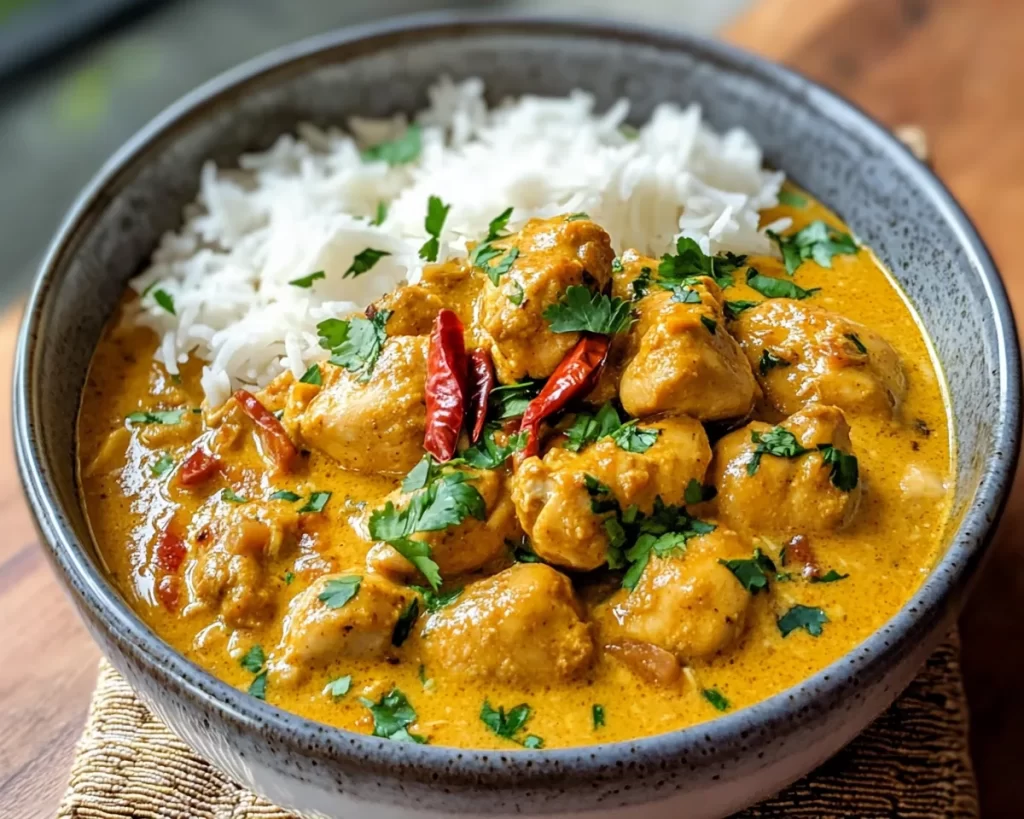
There’s something extraordinarily comforting about a warm bowl of Coconut Curry Chicken. The creamy coconut milk melds seamlessly with aromatic spices, creating a symphony of flavor that beckons you in from even the busiest of days. This dish is not just another meal; it taps into memories of cozy family dinners, inviting friends over for a quick chat, or simply enjoying a little indulgence after a long week.
Imagine serving this vibrant dish at your dinner table, its enticing aroma filling your kitchen, drawing everyone near as they anticipate that first taste. Coconut Curry Chicken is not only delicious but also surprisingly easy to prepare, making it perfect for busy weeknights or casual gatherings. In this article, you will not only learn how to make this delightful recipe but also explore its roots, variations, cooking tips, and common mistakes to avoid.
What Is Coconut Curry Chicken?
Coconut Curry Chicken is a flavorful dish that originates from Southeast Asia, embracing vibrant spices and the creamy richness of coconut milk. At its core, this dish combines tender pieces of chicken with an amalgamation of spices like turmeric, cumin, and coriander, creating an aromatic base that envelops each bite. The use of coconut milk adds a luxurious creaminess, ensuring that the spices are tempered just right, allowing flavors to meld beautifully.
The texture of Coconut Curry Chicken can only be described as silky and comforting. The chunks of chicken soak up the rich curry sauce, making every bite a burst of flavor. This dish is not overly spicy, making it appealing to a wide range of palates. For those who enjoy a little heat, the addition of chili peppers or curry paste can elevate the dish, introducing layers of complexity while still honoring the original flavors.
Coconut Curry Chicken is versatile; it can be served over fragrant rice or alongside crusty bread, offering a complete meal that satisfies both hunger and the desire for something warming and nourishing.
Why You’ll Love This
There are countless reasons to love Coconut Curry Chicken. Firstly, its *taste* is a harmonious blend of sweet and savory that tantalizes your taste buds. The creamy coconut milk provides richness, while spices like ginger and garlic add depth. Secondly, this dish is incredibly *easy to make*, requiring minimal prep work and only one pot, which makes for quick clean-up—a blessing for busy weeknights.
The cost-effectiveness of this dish is another highlight. Most ingredients can be found in your local grocery store, and often you might have several of them already at home. This makes Coconut Curry Chicken not just a culinary delight but also a *budget-friendly option*. Additionally, this dish is incredibly *versatile*: you can adapt it based on your dietary needs or preferences, making it suitable for families with various tastes.
One common misconception is that making curry is complicated. With this recipe, you’ll discover just how simple it is to whip up a restaurant-quality dish right in your kitchen. Unlike traditional curries that may require lengthy simmer times or extensive ingredient lists, Coconut Curry Chicken is straightforward and approachable for even the most novice cooks.
Ingredients You’ll Need
To make Coconut Curry Chicken, gather the following ingredients:
- 4 boneless, skinless chicken breasts (about 1.5 pounds): This is your main protein; you can substitute with thighs or tofu for a vegetarian twist.
- 1 can (13.5 ounces) coconut milk: The star of the dish adds creaminess and a slight sweetness. Look for full-fat coconut milk for the best flavor.
- 2 tablespoons red curry paste: Provides a robust flavor. Adjust the amount based on your spice preference.
- 1 medium onion, chopped: Adds sweetness and depth. Yellow or white onions work well here.
- 3 cloves garlic, minced: Essential for flavor; can be substituted with garlic powder if needed.
- 1-inch piece of ginger, grated: Adds warmth and a slight zing to the dish. Keep it fresh for the best flavor.
- 1 tablespoon soy sauce: Enhances the umami flavor profile; can be substituted with tamari for a gluten-free version.
- 1 tablespoon olive oil: For sautéing the onion and chicken; any neutral oil works well here.
- 1 cup chicken broth: Adds moisture and richness. Vegetable broth can be used for vegetarian options.
- Salt and pepper to taste: Essential for seasoning.
- Fresh cilantro for garnish: Optional, but it adds a lovely freshness when served.
These ingredients create the perfect balance of flavors and textures that is essential to coconut curry. Each component plays a significant role, and understanding their contributions will not only help in making this dish but also encourage creativity with substitutions or variations if needed.
How to Make
Creating Coconut Curry Chicken is straightforward and enjoyable. Follow these step-by-step instructions for a delicious batch that your family will love:
- Begin by preparing the ingredients. Chop the onion, mince the garlic, grate the ginger, and cut the chicken breasts into bite-sized pieces. This will help everything cook evenly and reduce prep time during cooking.
- In a large pot or skillet, heat the olive oil over medium heat. Once hot, add the chopped onion. Sauté it for about 3-4 minutes until it becomes translucent and fragrant. This step builds the flavor base of your curry.
- Add the minced garlic and grated ginger to the pot. Stir them in and sauté for an additional 1-2 minutes. This is where you’ll start to smell that irresistible aroma wafting from your kitchen.
- Next, introduce the chicken pieces to the pot. Cook them for about 5-6 minutes until they are no longer pink on the outside. It’s okay if they’re not fully cooked at this point; they will finish cooking in the sauce.
- Once the chicken has cooked partially, add the red curry paste to the pot. Stir it in thoroughly, so every piece of chicken is coated. Let the curry paste cook for 1-2 minutes to release its full flavor.
- Now, pour in the coconut milk and chicken broth. Stir to combine, and bring the mixture to a gentle simmer. Cover the pot and let it cook for 15 minutes. This allows the chicken to fully cook and soak in the flavors.
- After 15 minutes, remove the lid and add the soy sauce, seasoning with salt and pepper to taste. Give it a good stir and let it simmer uncovered for another 5 minutes. This will thicken the sauce slightly.
- Finally, serve the Coconut Curry Chicken hot, garnished with fresh cilantro, over a bed of rice or with warm naan. Enjoy each bite as the contrasting flavors and textures dance on your palate.
Cooking is not only about combining ingredients; it’s also about bringing love and joy into each step. Your kitchen will fill with the delightful scent of spices and coconut, and you’ll find yourself often going back for a second serving!
Variations & Substitutions
Coconut Curry Vegetarian Option: You can easily make this dish vegetarian by replacing the chicken with chickpeas or tofu. Chickpeas will add a hearty texture, while tofu will absorb the flavors beautifully. Cook the tofu separately until golden, then add it during the final simmer to ensure it takes on those delicious curry flavors.
Spicy Coconut Curry Chicken: If you crave a little heat, consider incorporating fresh chopped chilies or increasing the amount of red curry paste. For an extra kick, you might add a pinch of cayenne or some sriracha sauce. This change adds layers of complexity while still allowing for the creaminess of the coconut milk to balance the spice.
Thai Coconut Curry Chicken: To steer the flavor profile toward a Thai-style dish, consider incorporating fresh basil and lime juice towards the end of cooking. These ingredients add brightness and freshness, making it a perfect summer dish that bursts with flavor.
Slow Cooker Coconut Curry Chicken: For a hands-off approach, you can transform this recipe into a slow cooker version. Simply add all the ingredients to the slow cooker and cook on low for 6-8 hours or high for 4 hours. This method tenderizes the chicken and allows the flavors to deepen, offering an effortlessly delicious meal.
Coconut Curry with Vegetables: Enhance the nutritional profile by adding vegetables like bell peppers, zucchini, or spinach. Add these halfway through cooking so they maintain their texture. This not only broadens the flavor profile but also turns it into a more wholesome, veggie-rich dish.
Each variation has its unique characteristics, allowing you to explore the vast world of flavors and textures in Coconut Curry Chicken. Feel free to experiment!
Common Mistakes to Avoid
When cooking Coconut Curry Chicken, there are a few common pitfalls to avoid to ensure your dish turns out perfectly. One mistake often made is overcooking the chicken. When chicken is left in the pot for too long, it can become dry and chewy. To prevent this, always make sure to cook it just until no longer pink and simmer it briefly in the sauce to keep it juicy.
Another common issue is not allowing the curry paste to cook long enough. The spices in the paste release their flavors only when heated; if you add coconut milk too soon, you won’t achieve the same depth of flavor. Cook the paste for 1-2 minutes after adding it to the onions and garlic.
A critical warning is to watch the salt content. While seasoning is essential, be careful not to overdo it, especially if using soy sauce, which can be salty. It’s better to start with a little, taste, and adjust gradually to avoid overpowering the dish.
Lastly, if you’re opting for the vegetarian version and using tofu, make sure to press and drain it properly before cooking. This will allow it to absorb more flavor and become wonderfully crispy when cooked.
Storage, Freezing & Reheating Tips
Storing Coconut Curry Chicken is simple and straightforward. Allow any leftovers to cool to room temperature before transferring them to an airtight container. Stored correctly in the refrigerator, it will remain fresh for up to three days. When reheating, do so gently on the stovetop to avoid overcooking the chicken.
For longer-term storage, Coconut Curry Chicken can be frozen for up to three months. Use a freezer-safe container and ensure it’s tightly sealed. When ready to enjoy, thaw it overnight in the refrigerator, then reheat on the stovetop or in the microwave, adding a splash of coconut milk or broth if it appears too thick.
Maintaining food safety practices is vital; ensure that the chicken is fully cooked before freezing and never refreeze leftovers that have been previously thawed. This ensures both safety and quality in your delicious Coconut Curry Chicken!
Frequently Asked Questions
Can I make Coconut Curry Chicken ahead of time?
Absolutely! Coconut Curry Chicken can be made a day in advance. In fact, many find that the flavors deepen and improve overnight. Just remember to store it in an airtight container in the fridge. When reheating, add a little coconut milk if it thickens too much, bringing it back to its creamy consistency.
Is Coconut Curry Chicken spicy?
The level of spice in Coconut Curry Chicken largely depends on how much red curry paste you use. The standard version is mildly spicy but you can adjust the heat according to your preference by adding more paste or incorporating fresh chilies.
What can I serve with Coconut Curry Chicken?
Coconut Curry Chicken goes wonderfully with jasmine rice or basmati rice, which absorb the creamy sauce beautifully. It’s also delightful when served with naan or roti for dipping, adding a fun and interactive element to your meal.
Can I use other proteins in this dish?
Yes, absolutely! While chicken is the traditional protein for this recipe, you can replace it with shrimp, scallops, or even plant-based proteins like chickpeas or lentils for a vegetarian option. Adjust cooking times as needed for each protein to ensure it’s perfectly cooked.
What if I don’t have coconut milk?
If you find yourself without coconut milk, you can substitute it with other non-dairy milk like almond milk; however, it won’t have the same richness. Alternatively, a blend of dairy cream and water can mimic the creamy texture, but will adjust the flavor slightly.
Conclusion:
Coconut Curry Chicken is not just another meal; it’s a journey of flavors, textures, and delightful aromas that can transform the ordinary into the extraordinary. With its accessibility and versatility, you’ll find it easy to customize and adapt for your family’s preferences or dietary needs. This dish is not just meant to be made but to be shared and enjoyed because cooking is all about nourishing both the body and the soul. Don’t hesitate to give it a try, explore variations, and make it your own. Your kitchen will soon become a haven of warmth and flavor, and your family will be thanking you for this delightful experience!