### Prep Time
15 minutes
### Cook Time
20 minutes
### Total Time
35 minutes
### Servings
24 cookies
Classic shortbread cookies are the epitome of simplicity and elegance in the world of baking. With their rich buttery flavor and crumbly texture, these delightful treats have been enjoyed for centuries. There’s something incredibly comforting about the aroma of freshly baked shortbread wafting through your kitchen, evoking memories of cozy family gatherings and festive occasions.
In this recipe, you’ll learn how to create classic shortbread cookies that melt in your mouth, topped with optional finishing touches like chocolate, nuts, or even a sprinkle of sea salt to elevate their deliciousness. Whether you’re a seasoned baker or just starting, this recipe is straightforward and yields perfect results every time. You’ll also discover helpful tips, variations, and answers to common questions about shortbread cookies.
What Are Classic Shortbread Cookies?
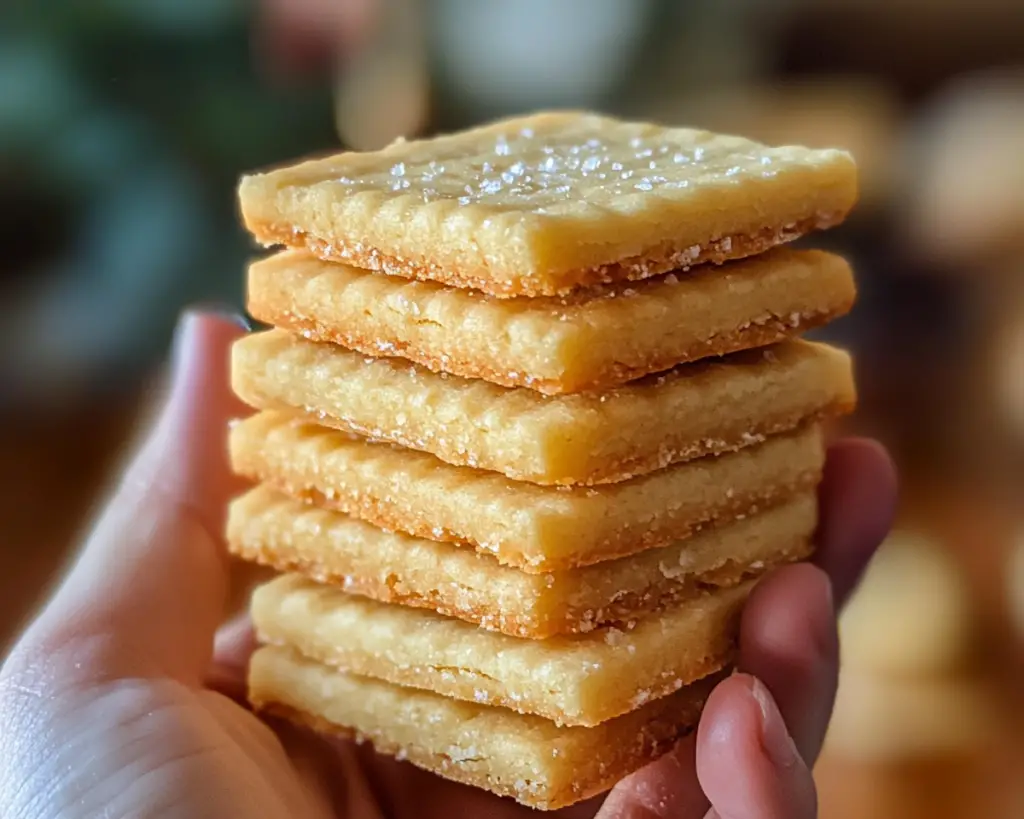
Classic shortbread cookies are a traditional treat with Scottish origins, characterized by their rich, buttery flavor and crumbly, melt-in-your-mouth texture. The essential ingredients are **butter**, **sugar**, and **flour**, typically combined in a 1:2:3 ratio, which means one part sugar, two parts butter, and three parts flour. This simple formula has given rise to numerous adaptations, but the classic recipe remains the favorite for its taste and texture.
Shortbread cookies are not only loved for their flavor but also for their versatility. They can be cut into various shapes, topped with different finishes, or served plain with tea. The texture is crisp yet tender, making them a delightful accompaniment to coffee or a simple afternoon tea. You can enjoy classic shortbread cookies during the holidays, special occasions, or even as a perfect snack to brighten your day.
Why You’ll Love These Classic Shortbread Cookies
There are many reasons to fall head over heels for classic shortbread cookies. Here are just a few:
– **Simplicity**: The beauty of shortbread lies in its straightforward recipe. With only a few ingredients and minimal steps, you can create a delicious treat that impresses everyone.
– **Buttery Goodness**: The generous amount of butter is what makes these cookies truly special. It not only contributes to the flavor but also ensures a unique melt-in-your-mouth experience that you won’t find in other cookies.
– **Versatility**: Classic shortbread cookies can be transformed with various flavor additions or toppings. From chocolate-dipped versions to seasonal spices, the possibilities are endless!
– **Budget-Friendly**: With simple ingredients that you likely already have in your pantry, these cookies are easy on your wallet. They are a great option for those who want to bake without breaking the bank.
– **Perfect for Sharing**: Classic shortbread cookies make wonderful gifts, especially when packaged nicely in a jar or a festive box. Whether it’s for the holidays or a special occasion, these cookies are always welcomed.
However, it’s important to note that achieving the perfect shortbread involves understanding a few common mistakes. Novice bakers sometimes overwork the dough or improperly measure ingredients, resulting in a less desirable texture. Let’s delve into the ingredient list to ensure success!
Ingredients You’ll Need
To make classic shortbread cookies, you’ll need the following ingredients:
– **Unsalted Butter (1 cup)**: This is the star of the show, providing a deeply rich flavor and texture. Make sure it’s at room temperature to blend smoothly into the dough. If you’re short on unsalted butter, you can use salted butter; just omit the additional salt in the recipe.
– **Granulated Sugar (1/2 cup)**: Sugar gives sweetness and helps achieve that delicate crumbly texture. If you prefer, you can substitute granulated sugar with powdered sugar for a slightly different texture and a more refined taste.
– **All-Purpose Flour (1 3/4 cups)**: This is essential for creating the structure of the cookies. Make sure to spoon the flour into your measuring cup and level it off with a knife to avoid packing it down. You can substitute part of the flour with cornstarch for a finer texture.
– **Salt (1/4 teaspoon)**: Just a pinch enhances the overall flavor of the cookie. If using salted butter, you may want to reduce or eliminate this ingredient.
– **Vanilla Extract (1 teaspoon)**: Adding a hint of vanilla enhances the flavor and adds warmth. Feel free to experiment with other extracts, like almond or lemon, to create a unique twist.
How to Make Classic Shortbread Cookies
Now that you have everything gathered, let’s dive into the step-by-step process of making classic shortbread cookies.
1. **Preheat your oven**: Begin by preheating your oven to 325°F (160°C). This ensures that your cookies will bake evenly and develop the perfect texture. Line a baking sheet with parchment paper to prevent sticking and make cleanup a breeze.
2. **Cream the butter and sugar**: In a large mixing bowl, combine the softened unsalted butter and granulated sugar. Using an electric mixer or a wooden spoon, beat them together until the mixture turns light and fluffy. This process usually takes about 2-3 minutes. Creaming helps incorporate air, contributing to the lightness of the cookies.
3. **Add vanilla and salt**: Mix in the vanilla extract and salt until just combined. The aroma of the vanilla will begin to fill the air, adding a delightful scent to your dough.
4. **Incorporate the flour**: Gradually add the all-purpose flour to the butter and sugar mixture. Start mixing with the mixer on low speed (or a spatula if you’re mixing by hand) to prevent a flour explosion. Mix until the dough just comes together, being careful not to overwork it. It should look crumbly but hold together when pressed.
5. **Shape the dough**: Turn the dough out onto a clean, lightly floured surface. Gently knead it a few times until it’s smooth. Split the dough into two equal portions if you want to create different shapes or flavors. Roll each portion into a log or pat it into a rectangle, about 1/2 inch thick, if using the slicing technique.
6. **Chill the dough**: Wrap the dough in plastic wrap and refrigerate for at least 30 minutes. Chilling helps the butter firm up again, which is crucial for getting that perfect texture when baked.
7. **Cut the cookies**: If you rolled your dough into logs, slice them into 1/4-inch thick rounds. If you patted it into a rectangle, use a sharp knife to cut square or rectangular pieces. You can also use cookie cutters for fun shapes. Just remember to keep the thickness consistent for even baking.
8. **Bake**: Arrange the cut cookies on the prepared baking sheet, spacing them about 1 inch apart. Bake in the preheated oven for 18–20 minutes or until the edges are lightly golden. Keep an eye on them, as oven times may vary. The longer cookies bake, the crisper they will be.
9. **Cool**: Once baked, remove the cookies from the oven and let them cool on the baking sheet for about 5 minutes. Transfer them to a wire rack to cool completely. This crucial step allows steam to escape, ensuring the perfect texture.
10. **Serve or decorate**: Your classic shortbread cookies are now ready to enjoy! Serve them as they are, or for a special touch, dip them in melted chocolate or sprinkle with powdered sugar or sea salt before enjoying.
6 Variations & Substitutions
1. **Chocolate-Dipped Shortbread**: Melt some dark or milk chocolate in a microwave or double boiler. Once the cookies have completely cooled, dip one side into the chocolate and allow the excess to drip off. Set them on parchment paper to harden—this adds a luscious twist to the basic shortbread!
2. **Herbed Shortbread**: For a savory version, incorporate finely chopped herbs like rosemary, thyme, or even lavender into the dough. Start with 1 tablespoon, then adjust according to your preference. This variation is perfect for serving with cheese or charcuterie.
3. **Nutty Shortbread**: Chopped nuts, such as almonds, pecans, or walnuts, can be folded into the dough for added crunch and flavor. About 1/2 cup of finely chopped nuts is a great addition that enhances both texture and taste.
4. **Citrus Zest**: Boost the flavor profile by adding citrus zest. Grate the zest of one lemon or orange into the butter-sugar mixture, adding brightness and tang to your cookies.
5. **Brown Sugar Shortbread**: Swap out some or all of the granulated sugar for brown sugar for a deeper flavor. This will create a slight caramel flavor and a softer texture, giving your cookies a unique profile.
6. **Chocolate Chip Shortbread**: Stir in 1/2 cup of mini chocolate chips before shaping the dough. This twist combines the decadence of chocolate with the classic buttery taste of shortbread, making it a favorite among chocolate lovers.
Common Mistakes to Avoid
When making classic shortbread cookies, a few common pitfalls could lead to unwanted results. Here are some mistakes to watch out for and how to fix them:
– **Overworking the dough**: Mixing the dough too much can result in tough cookies. Remember to mix until just combined; the dough should be soft yet cohesive. If you feel like you’ve overmixed, try chilling it in the refrigerator for a bit to relax the gluten before shaping.
– **Using cold butter**: If your butter is too cold, it won’t cream well with the sugar, leading to a dense cookie. Always use room temperature butter for super smooth mixing. If you forgot to set it out, you can soften it in the microwave for a few seconds, monitoring closely.
– **Improper measuring of ingredients**: Accurate measurements are key to a good cookie. Make sure to use correct measuring utensils and techniques. For flour, scoop it into your cup and level it off with a straight edge—you should never pack down the flour.
– **Not chilling the dough**: Skipping the chilling time can lead to cookies spreading too much during baking. Chilling ensures the fat solidifies. Be patient; this step is crucial for the right texture and shape.
– **Ignoring baking time**: Timing is everything. Overbaking will result in hard cookies, whereas underbaking can leave them doughy. Pay close attention to their color; they should be lightly golden around the edges when done.
Storage, Freezing & Reheating Tips
Proper storage will keep your classic shortbread cookies fresh and enjoyable for days or even weeks. Here’s how to do it right:
– **Storage**: Store cooled cookies in an airtight container at room temperature for up to one week. For longer freshness, layer cookies with parchment paper in between to prevent them from sticking.
– **Freezing**: To freeze baked cookies, place them in a single layer on a baking sheet, then freeze until solid. Once frozen, transfer the cookies to a freezer bag or airtight container. They will last up to three months. When ready to enjoy, simply thaw at room temperature for a few hours.
– **Dough free or chilled**: If you want to prepare ahead, you can freeze unbaked dough logs. Wrap them tightly in plastic wrap and freeze for up to three months. Whenever a craving strikes, slice off what you need and bake straight from the freezer, adding a couple of extra minutes to the bake time.
– **Reheating**: If you prefer warm cookies, you can reheat them in a preheated oven at 300°F (150°C) for about 5 minutes. This will revive their buttery texture.
Frequently Asked Questions
**1. Can I use salted butter instead of unsalted?**
Yes, you can! If you opt for salted butter, just omit the additional salt in the recipe. Keep in mind that the flavor profile may change slightly due to the added salt content.
**2. How can I make shortbread cookies without gluten?**
To create gluten-free shortbread cookies, substitute the all-purpose flour with a one-to-one gluten-free flour blend. You can also consider using almond flour or a combination of cornstarch and rice flour, adjusting the quantity for better texture.
**3. What is the best way to cut shortbread cookies?**
Roll the dough logs tightly and chill them thoroughly before slicing. Use a sharp knife and apply a gentle sawing motion to ensure neat, even cuts. For rolled-out dough, use cookie cutters to create shapes, ensuring they are a consistent thickness for even baking.
**4. Do I need to chill the dough before baking?**
Chilling the dough is highly recommended, as it allows the butter to solidify, preventing excessive spreading during baking and resulting in the ideal texture. However, if you’re in a hurry, you can bake them right away, but you might notice differences in texture.
**5. How can I tell when my shortbread cookies are done baking?**
Shortbread cookies should be light golden brown around the edges when baked. Since they are pale in color, it can be challenging to tell if they are done based on color alone. The key is to watch for just a hint of color on the bottoms. If you see a tinge of gold, it’s time to take them out!
In conclusion, mastering classic shortbread cookies is a delightful endeavor that combines simplicity with mouthwatering flavor. This recipe not only offers a straightforward approach to baking but also welcomes you to get creative with flavors and variations. Celebrate the joy of home baking, share them with loved ones, or simply indulge in your own mini getaway of taste and aroma. So, gather your ingredients and get ready to whip up a batch of these enticing cookies; you won’t regret it! Enjoy creating, sharing, and savoring the delightful world of classic shortbread cookies.